





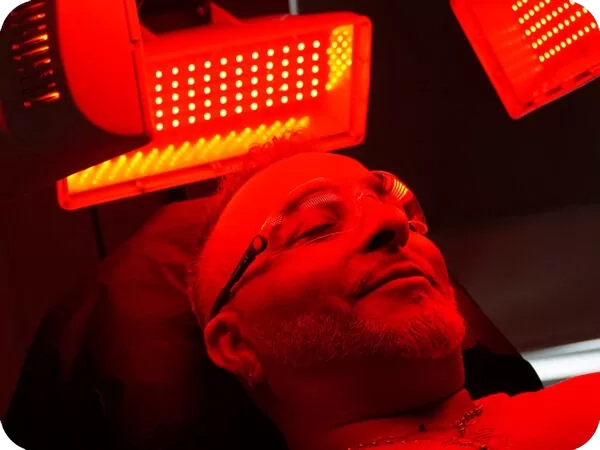
Laser Treatment For Hair Loss
Laser treatment for hair loss is a non-surgical option that can help reduce shedding and support thicker-looking hair, especially in early pattern hair loss. Depending on the device, it may use low-level red light or a fractional laser combined with topical serums. A dermatologist should confirm the cause of hair loss and build a plan based on your scalp and medical history.
Table of Contents
Why Hair Loss Happens
Hair loss can develop for many reasons, including genetic predisposition (androgenetic alopecia), hormonal changes, stress, nutritional gaps, certain medications, chronic health conditions, and age. Because the causes vary, a dermatology evaluation matters—treatment is most effective when it matches the diagnosis.
What Laser Treatment For Hair Loss Means
“Laser treatment” is an umbrella term used by clinics for different technologies. The most common approach is low-level laser/light therapy (LLLT), which delivers red or near‑infrared light to the scalp to support follicle activity. Some clinics also offer fractional laser sessions that create microscopic channels in the scalp and then apply a strengthening serum to improve absorption. The right option depends on your scalp, hair density, and goals.
What Results You Can Realistically Expect
Laser-based hair treatments are generally positioned as supportive therapies. They may help reduce excessive shedding, improve hair shaft quality, and make existing hair look fuller over time. Results vary by person, and the best outcomes are typically seen when hair follicles are still active and thinning is mild to moderate.
Most people need a course of sessions before changes are noticeable. Many clinics start with an initial plan of around four sessions spaced about one week apart, then reassess. Other protocols—especially LLLT—may involve more frequent sessions over several months and, for many people, a maintenance schedule.
Who Can Have Laser Hair Treatment?
Laser hair treatment may be considered for adults who want to strengthen existing hair, address early thinning, or improve scalp and hair quality. It can also be used as part of a broader plan that may include topical or oral treatments recommended by a clinician.
Who Should Avoid Or Postpone Treatment?
Laser hair treatment is not suitable for everyone. It is commonly avoided or postponed in the following situations:
- Under 18 years of age
- Pregnancy or breastfeeding (unless your clinician says otherwise)
- Active scalp infection, open wounds, or significant inflammatory scalp disease until treated
- Use of medications that cause photosensitivity, or a history of light-triggered skin reactions
- Ongoing cancer treatment or a recent completion of cancer therapy, unless cleared by the treating medical team

How Laser Hair Loss Treatment Is Applied
Treatment should begin with a scalp and hair assessment. Your clinician checks for conditions such as dermatitis, infection, scarring alopecia, or uncontrolled dandruff that could affect results or safety. If the scalp is suitable, the protocol and number of sessions are planned and the treatment phase begins.
Typical In-Clinic Session Steps
- The scalp is cleaned and prepared for treatment.
- If a fractional laser approach is used, the device creates very small micro-channels on the scalp surface.
- A clinician-applied serum or topical solution may be used after the laser to support absorption.
- If LLLT is used, the device delivers red light to the scalp without breaking the skin.
- Sessions commonly last around 20–25 minutes, depending on the device and the treated area.
Is It Painful? Side Effects And Aftercare
Most patients describe the session as comfortable. With LLLT, there is typically no downtime. With fractional laser sessions, mild redness, warmth, or itching can occur and usually settles quickly. Your clinic may advise avoiding harsh hair products, very hot showers, or intense sun exposure for a short period after treatment, especially when a fractional laser is used.
Laser Hair Treatment Before And After Hair Transplant
When planned by a clinician, laser sessions may be used before a hair transplant to support scalp condition and strengthen existing hair. Clinics often recommend starting 2–3 months before surgery if you are already a suitable candidate for laser therapy.
Laser treatment is usually not started immediately after a transplant. A common approach is to wait until the scalp has healed and your surgeon has cleared you—often around 2 months or more, depending on the technique and your recovery.
FAQ (Frequently Asked Questions)
Does laser treatment for hair loss work?
It can modestly improve density in androgenetic alopecia with consistent use.
How much does laser hair therapy cost?
Costs vary widely; home devices cost less, and clinics charge per session.
What are two drawbacks of laser therapy?
Drawbacks include high cost and the need for frequent, long-term sessions.
Who should not do laser treatment?
Avoid it if you have photosensitivity, scalp cancer, or take photosensitizing medications.
How long do laser hair treatments last?
Benefits last only while you keep using it; stopping often leads to shedding.
How much does hair loss laser treatment cost?
Prices depend on type; home options are cheaper, clinics charge per session.