


Hair Transplant Clinics In The UK
UK hair transplant clinics commonly offer FUE, DHI and FUT under strict medical oversight. Most patients have a consultation, undergo a day procedure, and return to desk work within about a week. Prices vary by graft numbers and location, but many cases fall around £6,000–£10,000+. Pick a clinic based on surgeon credentials, clear planning and aftercare.

Table of Contents
Hair Transplant In The UK
The UK is a popular choice for hair restoration because clinics operate under well‑defined healthcare rules and patients can access follow‑up care locally. Most providers focus on transplanting follicles from the back and sides of the scalp to areas affected by male pattern baldness, female pattern hair thinning, or scarring. A reputable clinic will set realistic expectations and explain what density you can achieve for your donor supply.
What To Expect From A UK Hair Transplant
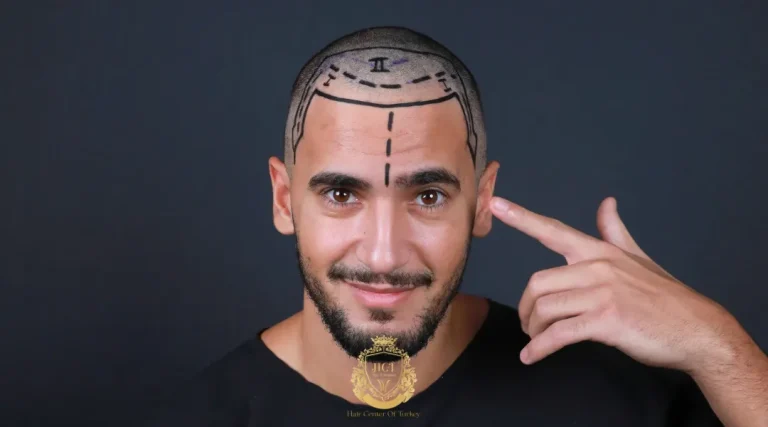
A hair transplant usually starts with a detailed consultation. Your clinician should assess your pattern of loss, measure donor capacity, review your medical history, and map a hairline that suits your age and facial structure. On treatment day, procedures are typically done with local anaesthetic and you go home the same day.
Most clinics follow a similar patient journey:
- Consultation and candidacy check (including donor assessment and realistic density planning).
- Pre‑op instructions (medications, alcohol/smoking guidance, and how to prepare your scalp).
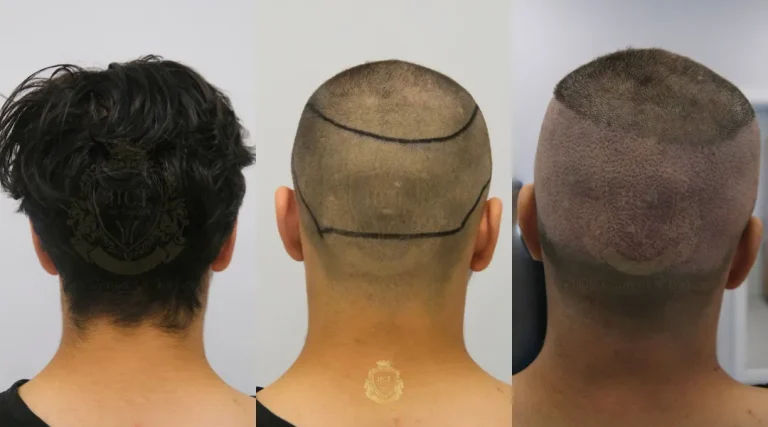
- Extraction of grafts from the donor area (often the back of the scalp).
- Placement of grafts into recipient sites, with attention to angle and direction for a natural result.
- Aftercare plan covering washing, sleeping position, exercise limits, and follow‑up appointments.

Hair Transplant Costs In The UK
Pricing depends on the number of grafts, the technique used, the clinical team’s experience, and the clinic’s location. Many patients see quotes around £6,000–£10,000+, though smaller cases can cost less and large sessions can exceed that range. Some clinics price per graft, while others offer fixed packages based on graft bands.
Typical cost drivers include:
- Graft count and how many sessions you need.
- Technique (FUE and DHI are often priced higher than FUT).
- Clinic location (London and Harley Street addresses can carry a premium).
- Complexity, such as repairs, scar work, or beard-to-scalp grafting.
- Aftercare, PRP add‑ons, and whether follow‑ups are included.
If a quote seems unusually low, ask what is included. Clear pricing should state the planned graft range, who performs the key steps, the anaesthetic plan, and what happens if the graft target changes on the day.
FUE Hair Transplant In The UK
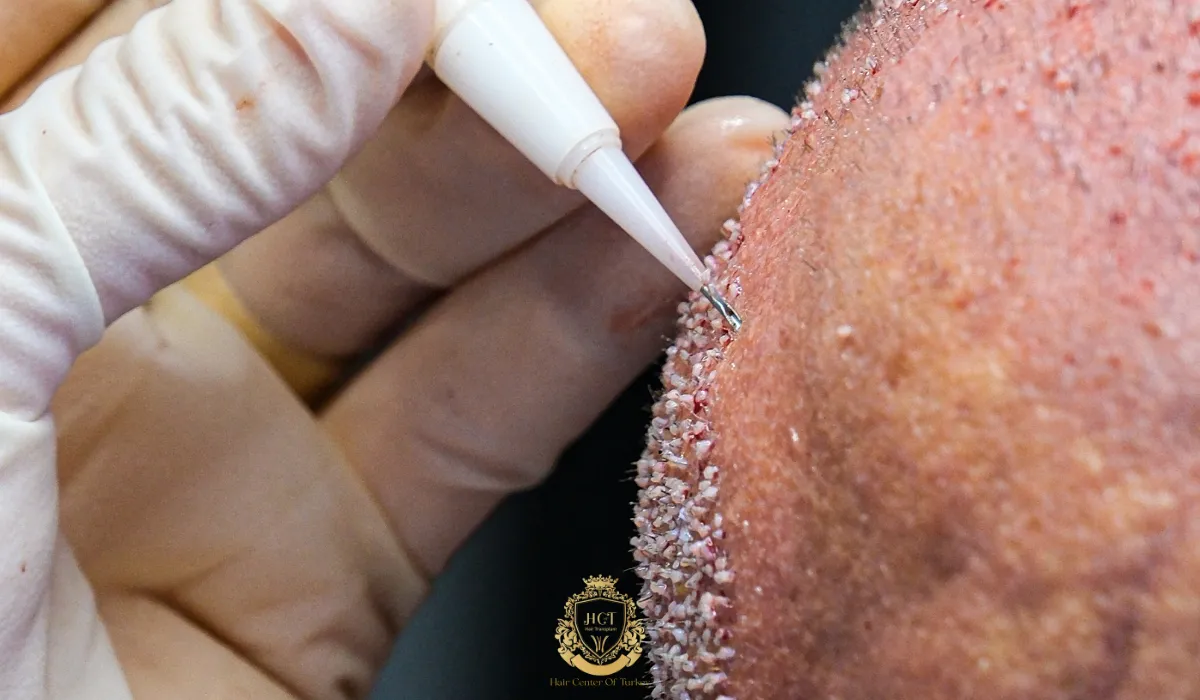
Follicular Unit Extraction (FUE) removes individual follicular units from the donor area using tiny punches, then implants them into thinning areas. It is widely chosen in the UK because scarring is minimal and recovery is usually quick. FUE can suit hairline work, crown restoration, and many medium to larger cases when donor supply is strong.
FUE tends to be a good fit if you want:
- A short hairstyle without a linear scar.
- A procedure with small, dot‑like donor marks.
- Flexible graft harvesting across a wider donor zone.
DHI Hair Transplant In The UK
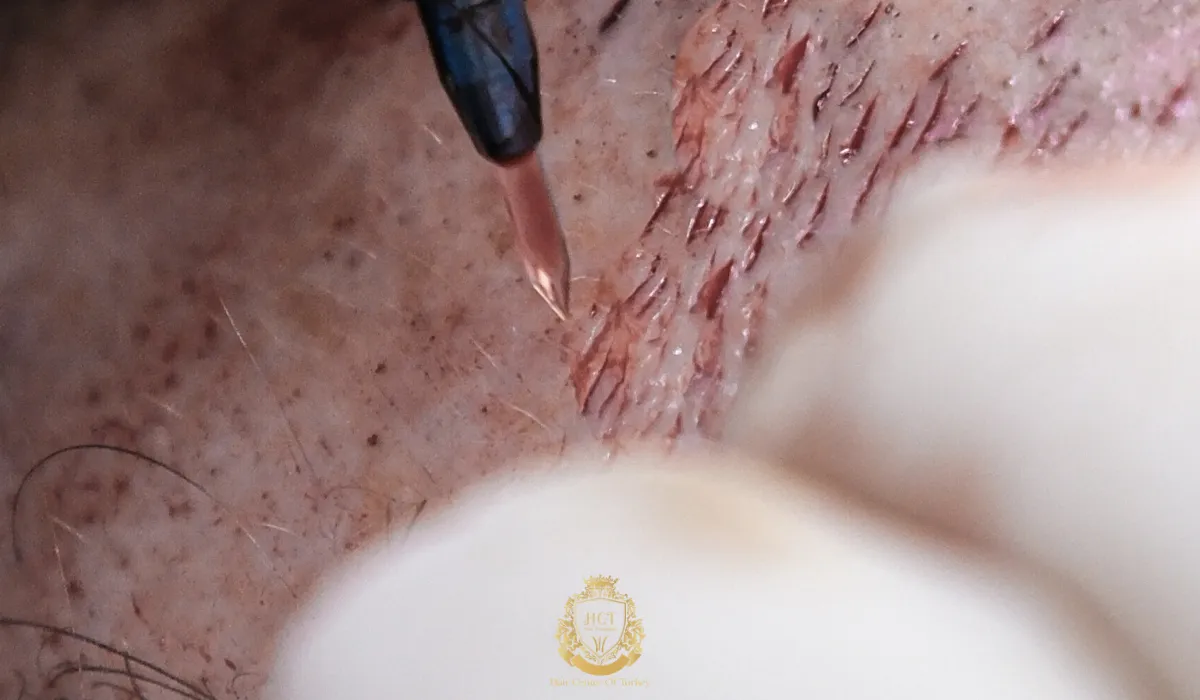
Direct Hair Implantation (DHI) is a variation of FUE where grafts are implanted using a pen‑like tool. Clinics often position DHI as a way to control angle and depth during placement, which can help on dense packing or hairline detailing. Not every patient needs DHI, so the decision should be based on your goals and the surgeon’s planning, not marketing.
FUT Hair Transplant In The UK
Follicular Unit Transplantation (FUT), also known as strip surgery, removes a thin strip of scalp from the donor area. The strip is dissected into grafts under magnification, and the donor site is closed with stitches, leaving a linear scar. FUT can be useful when you need a high graft yield and you are comfortable wearing your hair long enough to conceal the scar.
Choosing Between FUE, DHI And FUT
The best technique depends on donor characteristics, how much coverage you need, and your styling preferences. A good consultation explains trade‑offs clearly, including scarring, graft yield, cost and recovery.
A quick way to compare:
- FUE: minimal visible scarring for short haircuts, strong all‑round option for many patients.
- DHI: a placement method that can help in specific cases, often priced at a premium.
- FUT: linear scar but can offer efficient graft harvesting for larger plans or when donor needs conserving.

How To Choose A Hair Transplant Clinic In The UK
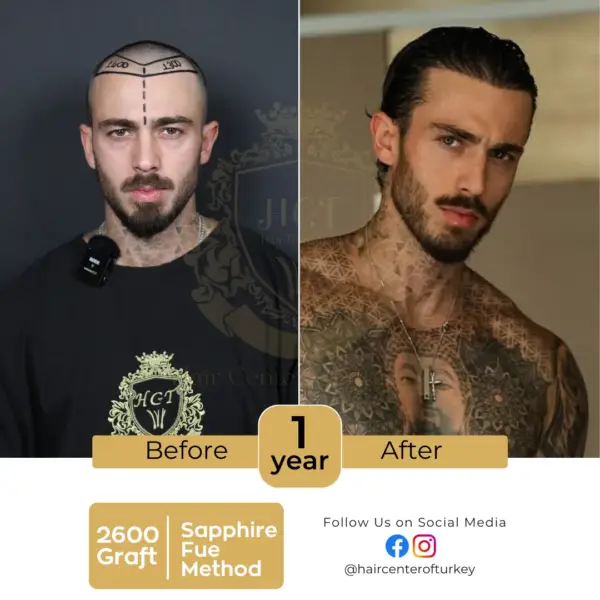
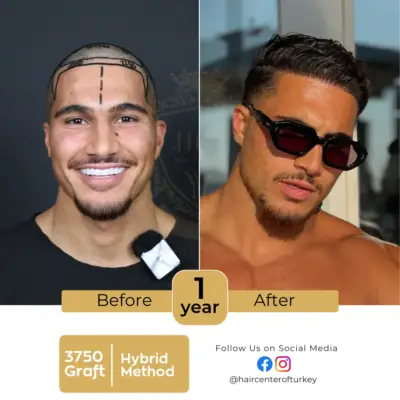
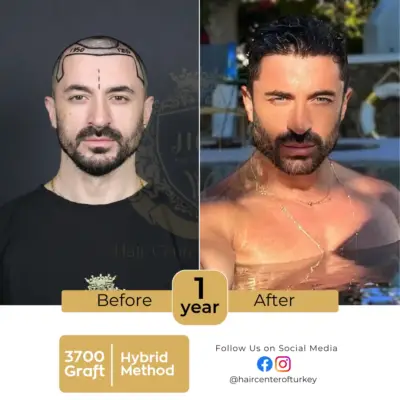
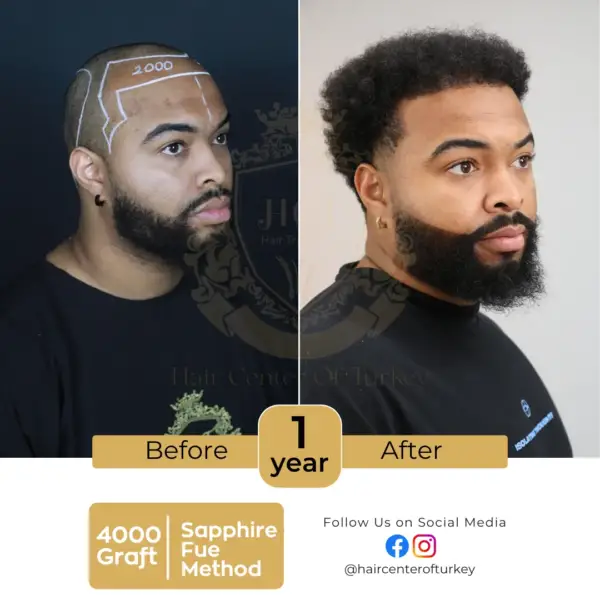
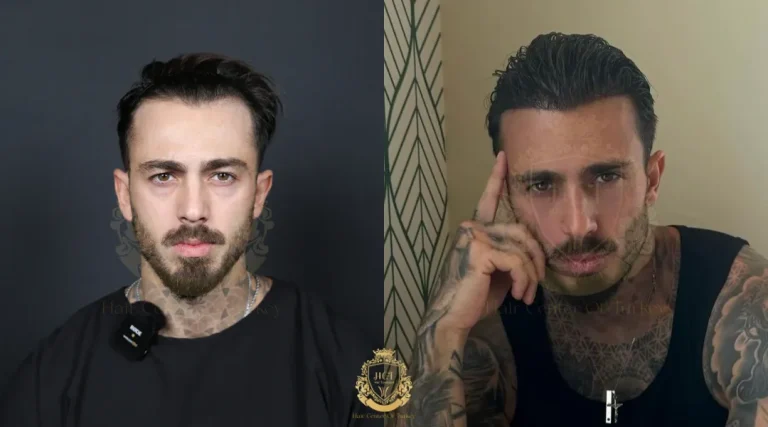
Results depend as much on planning and surgical execution as the technique itself. Use the consultation to assess medical standards, not just before‑and‑after photos.
Checklist to use before you pay a deposit:
- Ask who will perform extraction and implantation steps, and confirm the surgeon’s registration and role on the day.
- Look for transparent planning: graft estimate range, hairline design rationale, and a long‑term approach to future loss.
- Review consistent results with patients who have similar hair type, hair calibre and pattern of loss.
- Check aftercare: written washing instructions, pain management, and scheduled follow‑ups.
- Understand risk and downtime: swelling, shock loss, infection risk, and when you can return to exercise.
- Avoid pressure tactics or ‘today only’ discounts. Reputable clinics give you time to decide.
If you are comparing locations, London has many well‑known providers, but cities such as Manchester, Birmingham, Leeds, Glasgow and Bristol can offer excellent care too. Focus on who is treating you and the quality of follow‑up, not just the postcode.
Recovery And Results Timeline
Most people feel back to normal quickly, though your scalp needs gentle care for the first couple of weeks. Swelling is common in the first few days, and small scabs usually shed within 7–14 days with proper washing. Transplanted hairs often shed in the first month, then regrow over time.
A typical timeline looks like this:
- Days 1–7: redness and mild swelling; sleep with your head elevated and avoid rubbing the grafts.
- Weeks 2–4: scabs clear; ‘shedding phase’ may start and is expected.
- Months 3–6: early growth becomes visible; texture can look fine at first.
- Months 9–12: density and thickness improve; final results are usually assessed around the 12‑month mark.
Contact your clinic promptly if you develop increasing pain, spreading redness, fever, or significant discharge, as these can be signs you need medical review.
Travel Tips For Patients Visiting The UK For A Hair Transplant
If you are travelling to the UK for treatment, plan for at least a few low‑key days after surgery. Choose accommodation close to the clinic, avoid crowded public transport straight after the procedure if possible, and keep your schedule flexible for a follow‑up check. Flying is usually manageable, but confirm timing and aftercare with your clinician, especially if you are travelling long‑haul.
FAQs About Hair Transplants In The UK
How much does a full hair transplant cost in the UK?
£3,000–£10,000+ in the UK, depending on grafts and technique.
What is the best hair transplant clinic in the UK?
No single best; pick a CQC-registered clinic with a GMC surgeon and strong results.
How much is a hair transplant in the UK compared to turkey?
UK often £3,000–£10,000+; Turkey often £1,500–£4,000, excluding travel.
Are UK hair transplants better than Turkey?
Not inherently; surgeon skill, hygiene, regulation, and aftercare determine outcomes in both.
How to choose the best hair transplant clinic?
Choose a GMC surgeon, CQC clinic, proven photos, realistic plan, clear pricing, reliable aftercare.
Explore the complete guide: International Hair Transplant Locations