

Can You Dye Your Hair After a Hair Transplant?
Yes — but only after your scalp has healed and your surgeon gives you the go-ahead. For most people, that means waiting **at least 4–6 weeks** before using any hair colour, and often **closer to 2–3 months** for permanent dye. Dyeing too soon can irritate the scalp and may compromise healing.
Table of Contents
Can hair be dyed after a hair transplant?
Hair dye isn’t “forbidden” after a transplant. The issue is timing.
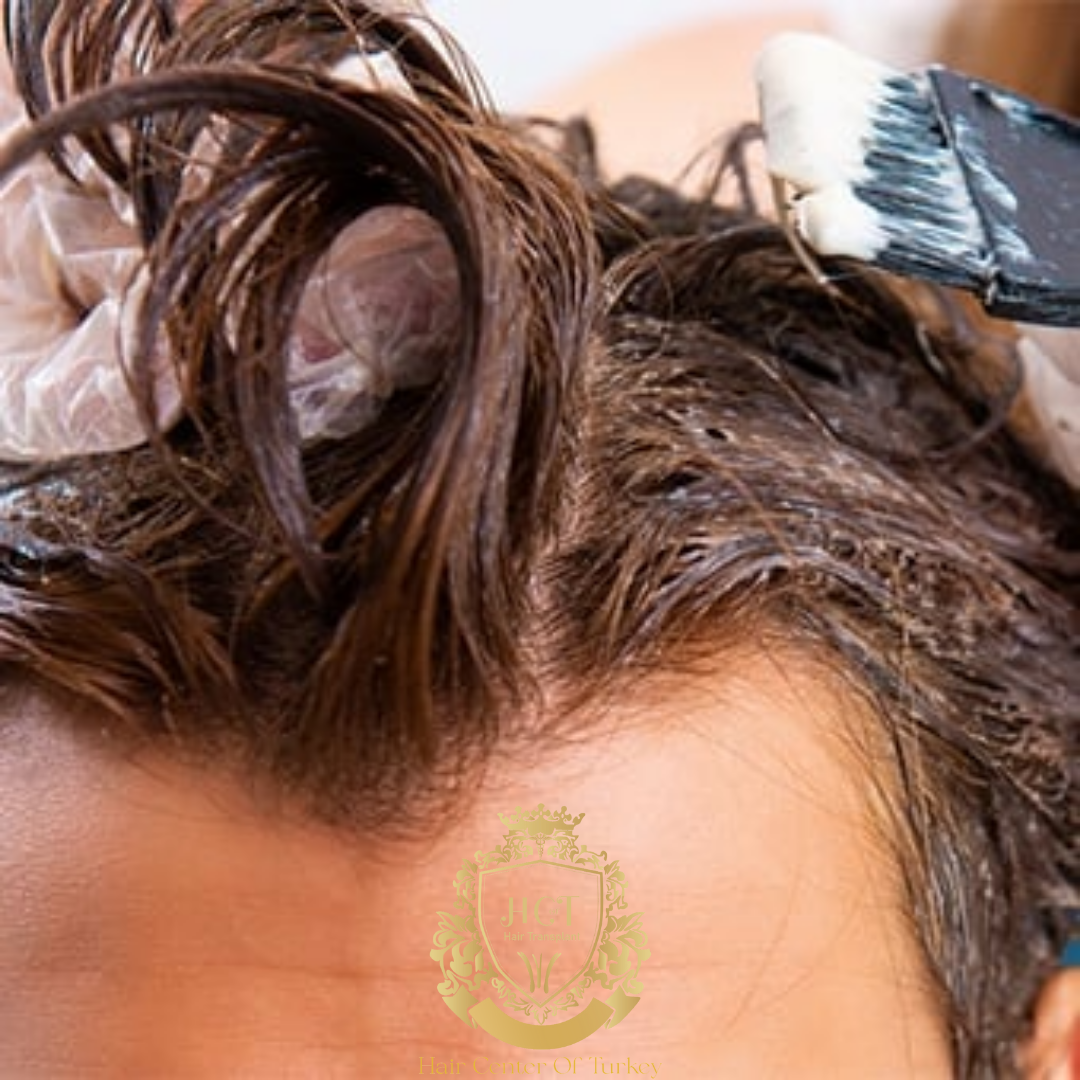
A hair transplant is a surgical procedure. In the first days and weeks, the donor and recipient areas can be tender, red, and sensitive. Chemical dyes (especially formulas with ammonia and peroxide) can sting, trigger irritation, and make recovery harder.
If you’re eager to cover grey hair, the safest approach is simple: wait until the scalp is calm (no scabs, redness, or soreness) and ask your clinic when it’s appropriate for your specific case.
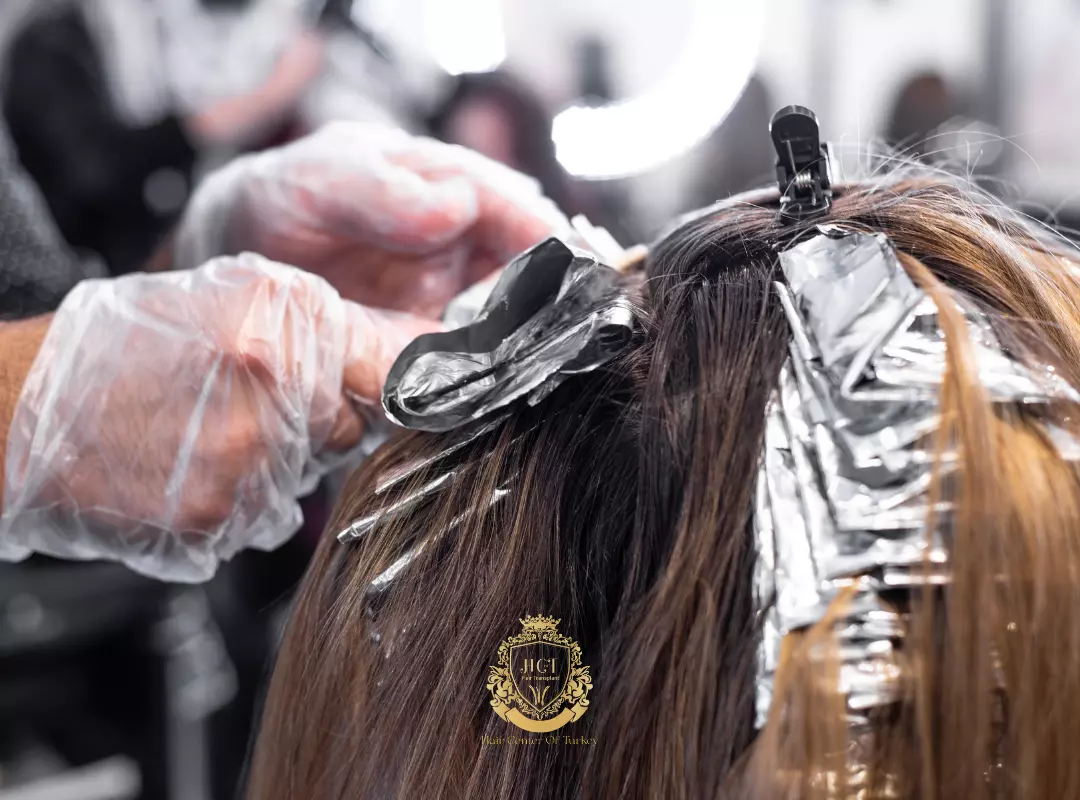
When can hair be dyed after a hair transplant?
Most clinics advise a minimum waiting period of **4–6 weeks** after surgery, provided healing is uncomplicated. Some surgeons recommend waiting **up to 3 months**, especially if your scalp stays sensitive or you’ve had any irritation, folliculitis, or delayed healing.
A practical way to think about it:
First month (weeks 0–4)
Avoid hair dye completely. Your scalp is still recovering, and harsh chemicals can irritate the skin.
Weeks 4–6
If your scalp is fully healed, some people can safely use very gentle colour products. Always check with your surgeon first.
After 3 months
This is a common “safer” point for most patients, particularly for permanent dyes. It also helps you avoid uneven colour while early growth changes and shedding settle.
Hair growth typically becomes more noticeable from around month 3–4, then continues to improve over the following months. Waiting gives you a better chance of an even, natural-looking result.
Why waiting matters
Dyeing too early can cause problems that are easy to avoid:
- **Scalp irritation and burning** while the skin is still sensitive
- **Slower healing** if inflammation increases
- **Higher infection risk** if the scalp barrier is disrupted
- **Uneven colour** while transplanted hair is still shedding and regrowing
Tips for dyeing your hair safely after a transplant
Get your surgeon’s approval first
Healing speed varies. Your surgeon can confirm whether your recipient area is truly ready for colour.
Choose a gentler formula
If you can, use ammonia-free or low-peroxide options. Quality matters, and harsh “strong lift” dyes are more likely to irritate a sensitive scalp.
Do a patch test every time
Even if you’ve used the product before, sensitivity can change after surgery. A patch test reduces the risk of a reaction.
Be careful with application
Avoid aggressive rubbing or scraping on the recipient area. If possible, have the first colouring done by an experienced professional who understands post-transplant care.
FAQ
How soon after a hair transplant can I dye my hair?
Wait at least 4 weeks, until all scabs and redness resolve.
Which hair dye is best after a hair transplant?
Ammonia-free, low-peroxide, fragrance-free dye is safest; patch-test first.
Does dying after hair affect hair transplants?
After healing, dyeing won’t affect graft survival; dyeing early can irritate.
Can natural or herbal dyes be used after a hair transplant?
Yes after healing; patch-test, because herbal dyes can still cause allergic dermatitis.
Is it safe to use chemical hair dyes after a hair transplant?
Yes after healing; avoid bleach or strong peroxide, and stop if burning.
Explore the complete guide: Recovery Process After Hair Transplant