


Did Ouzy See Get a Hair Transplant? Here’s What We Know
Yes—Ouzy See has appeared in clinic content discussing his hair transplant and the early stages of recovery. His recent photos show a fuller, more defined hairline that’s consistent with modern surgical hair restoration. While exact details like technique and graft count aren’t always shared publicly, the transformation fits what you’d expect from today’s FUE/DHI methods.
Hair loss isn’t a niche topic anymore, especially for people whose work keeps them on camera. That’s why a visible change in Ouzy See’s hairline quickly became a talking point. Below is a clear, evidence-based look at what changed, what Ouzy has said, and how contemporary hair transplants create natural-looking density.
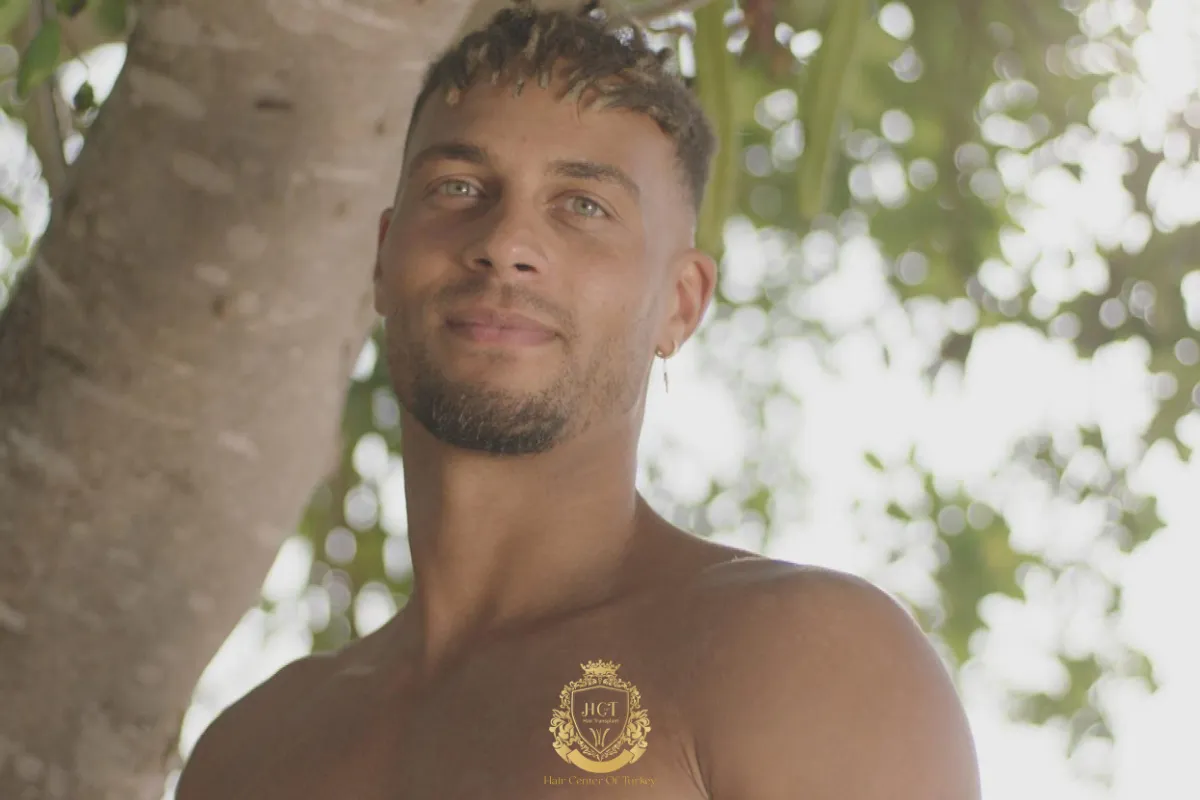
Table of Contents
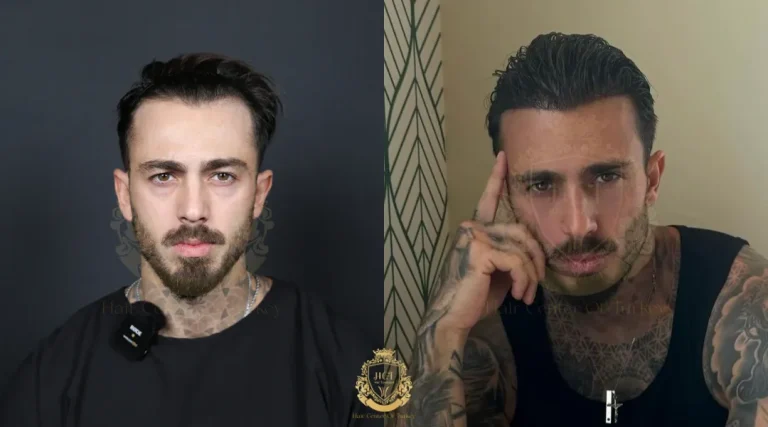
Ouzy See before and after: what looks different?
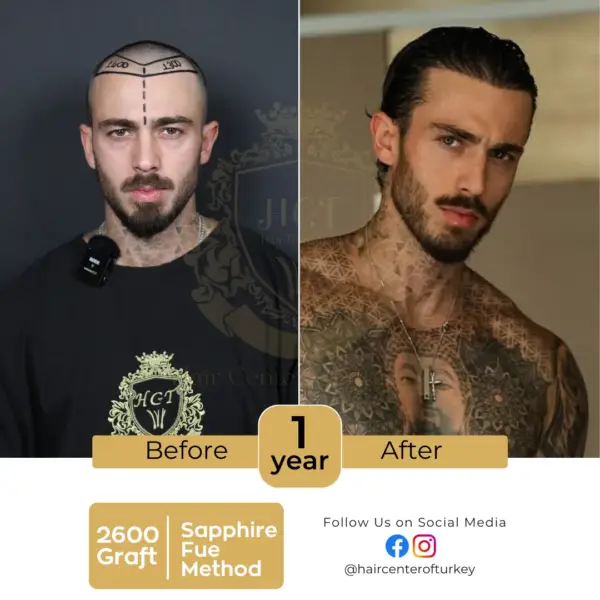
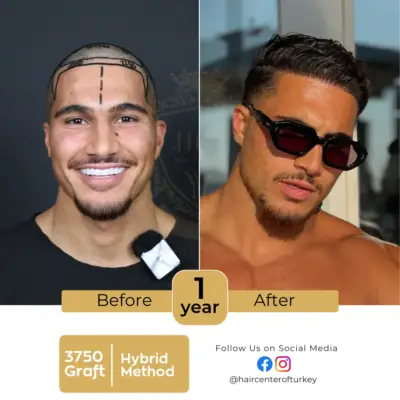
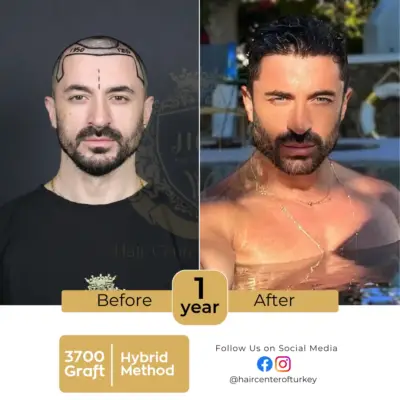
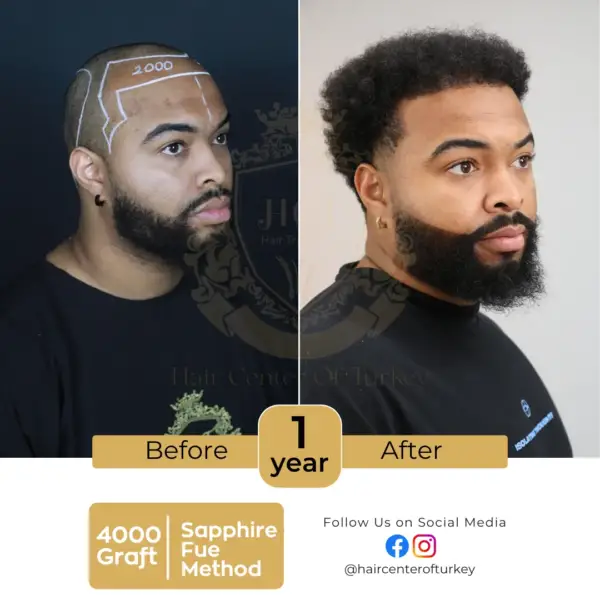
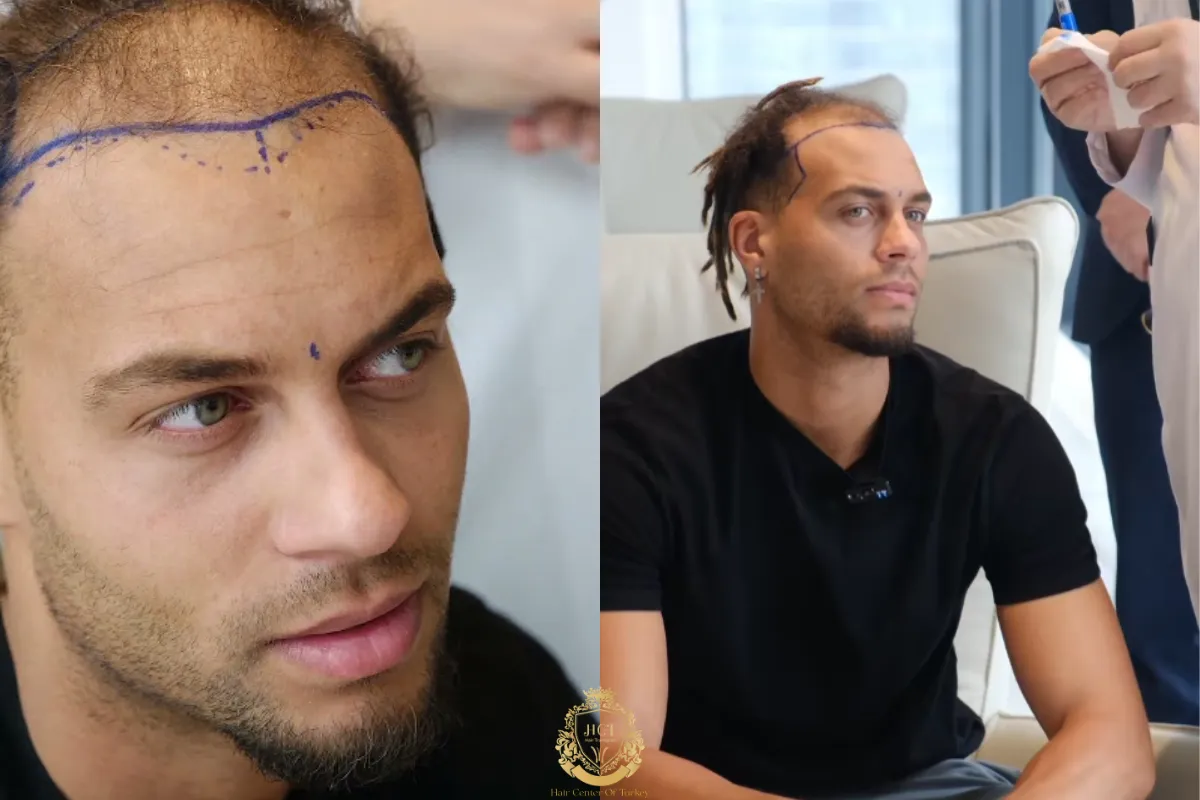
In older photos, Ouzy’s frontal hairline appears higher and less dense, particularly around the temples. In more recent images and videos, the hairline looks lower, sharper, and more even from left to right. That kind of change is hard to achieve with styling alone, especially when it stays consistent across multiple angles and lighting conditions.
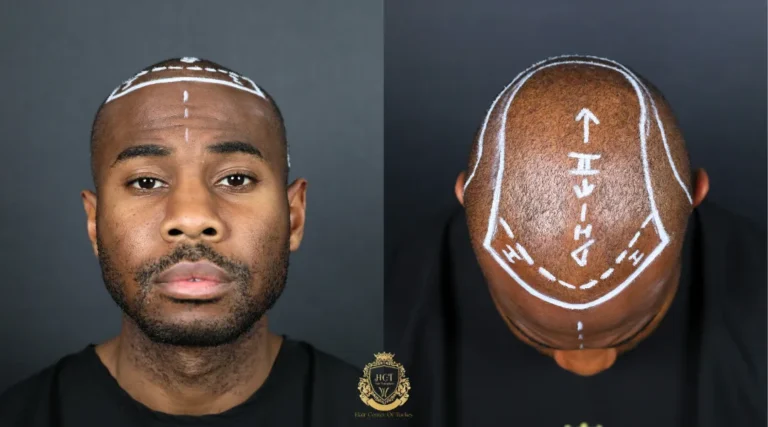
Another detail people notice is the uniformity of growth in the front. With a transplant, surgeons can rebuild the hairline using single-hair grafts at the very edge, then add thicker multi-hair grafts behind it to create a soft gradient. When done well, it reads as “naturally fuller” rather than “obviously done.”
Has Ouzy See confirmed it?
Yes. Ouzy has been featured in clinic content in which he talks about having a hair transplant and shows early post-procedure stages. That kind of openness is becoming more common among public figures, partly because results have improved so much over the past decade. It also helps normalise the conversation for anyone dealing with thinning, recession, or genetic hair loss.
Which method did Ouzy See likely choose?
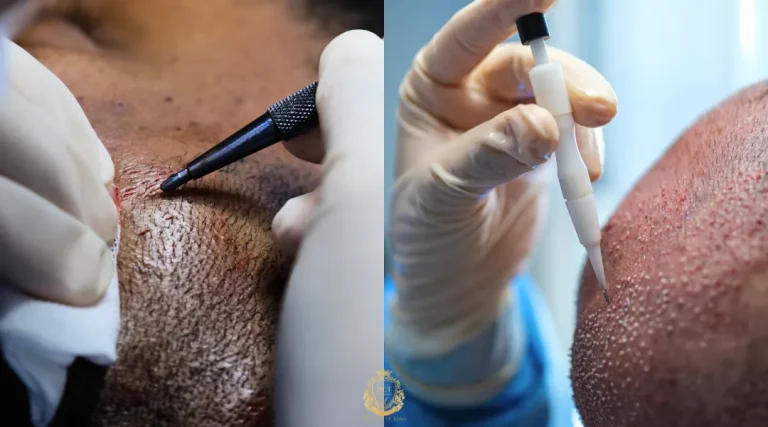
From the finished look alone, it’s not possible to confirm the exact technique. Most modern celebrity-style transformations use one of two approaches: FUE (Follicular Unit Extraction) or DHI (Direct Hair Implantation). Both are built around moving individual follicular units from the donor area (usually the back and sides) into thinning zones.
FUE is widely used because it avoids a linear scar and allows a relatively discreet recovery. DHI places grafts with a specialised pen-like implanter, which can support tight control of angle and direction in the hairline. Some clinics also use sapphire blades during the channel-opening stage of FUE to improve precision and healing, depending on the case.
Why celebrities choose hair transplants
High-resolution cameras, harsh studio lighting, and constant photos make hair loss feel more obvious than it does in day-to-day life. For many public figures, restoring the hairline is less about vanity and more about confidence and consistency on screen. A well-planned transplant can also be timed around filming breaks, tours, or quiet periods to keep the recovery private.
What a modern hair transplant can (and can’t) do
A hair transplant can rebuild a receding hairline, add density to thinning areas, and create a stronger frame for the face. It can’t create unlimited density, and it doesn’t stop ongoing hair loss in non-transplanted areas. That’s why reputable clinics focus on donor management, realistic design, and a long-term plan that fits your pattern of loss.
Results also take time. Early redness and shedding can happen in the first weeks, followed by gradual regrowth over several months. Most patients see meaningful cosmetic improvement around the mid-point of the first year, with maturation continuing afterward.
Why Turkey (and Istanbul) is a popular choice
Turkey—especially Istanbul—has become a major destination for hair restoration thanks to high procedure volume, specialised medical teams, and strong patient infrastructure. Many people travel for the combination of experienced surgeons, modern techniques, and pricing that can be more accessible than in parts of Western Europe or North America. Strong outcomes still come down to planning, medical standards, and who performs each step of the procedure.
Considering a hair transplant?
If you’re exploring hair restoration, focus on clinics that take a personalised approach. A boutique, VIP-style experience matters when you’re investing in something this visible—consultation quality, donor assessment, and aftercare support all affect the result. Hair Center of Turkey works with patients who want a calm, trust-first process from planning through recovery in Istanbul.
FAQs About Celebrity Hair Transplants
How much does a hair transplant cost in Turkey?
It usually costs €2,000–€6,000, depending on grafts, method, and clinic.
Is getting a hair transplant in Turkey safe?
It can be safe with licensed surgeons, strict hygiene, and clear aftercare.
How long is the recovery time after a hair transplant?
Initial healing takes 10–14 days; full growth matures over 12–18 months.
What age is too old to undergo a hair transplant surgery?
No strict age limit exists; overall health and donor hair matter most.
Is 1 graft equal to 1 hair?
No; one graft usually contains 1–4 hairs.
What happens 20 years after a hair transplant?
Transplanted hair usually remains, while native hair may thin with aging.
Explore the complete guide: Celebrity Hair Transplants – Film, TV and Music