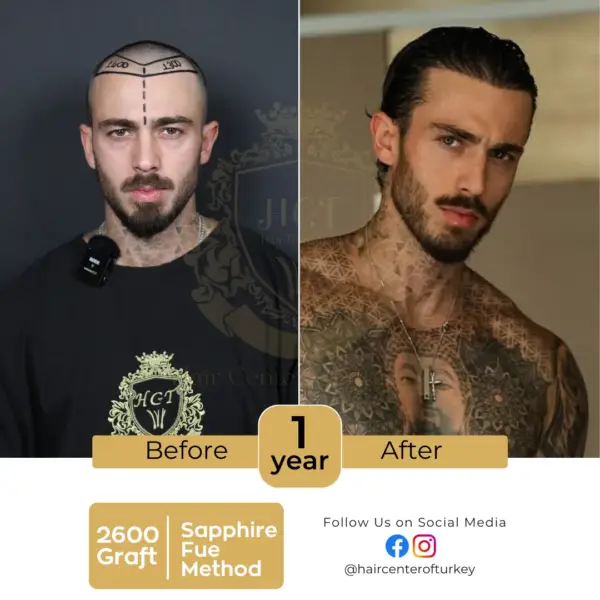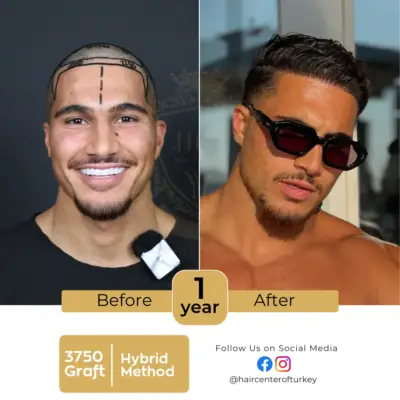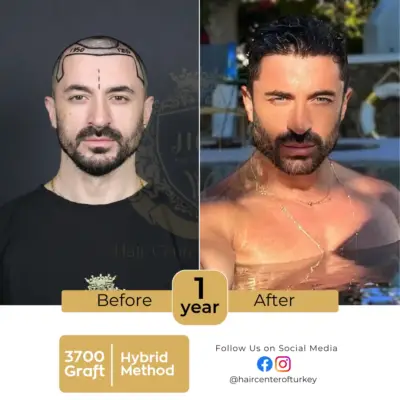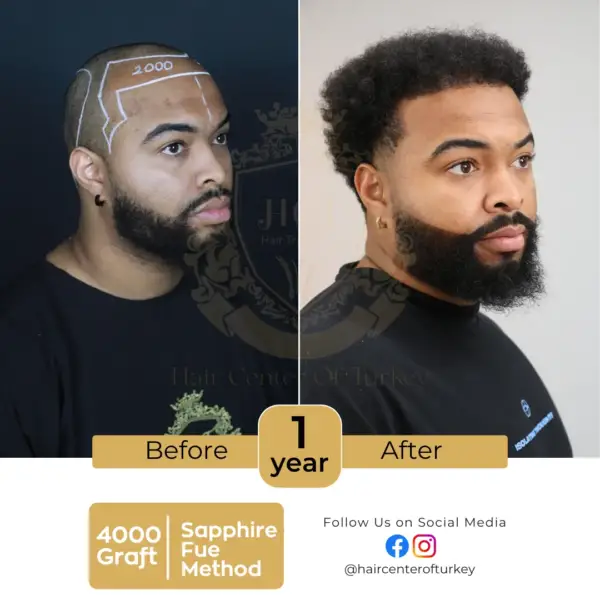


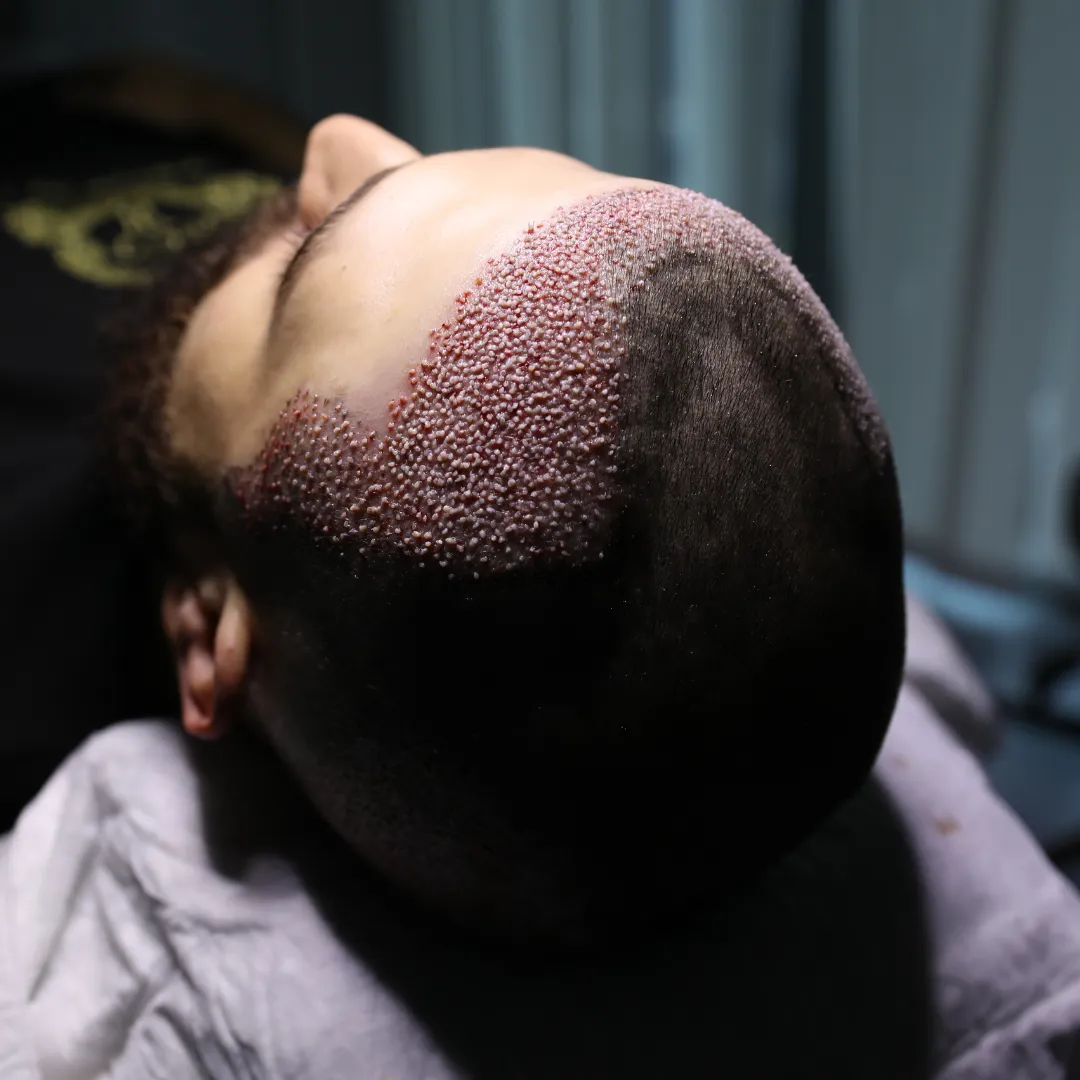
At Hair Center of Turkey, our medical team regularly advises patients weighing artificial hair fibers against real hair transplants. This guide breaks down synthetic hair fiber implantation versus real hair transplant techniques such as FUE and FUT, covering safety, long-term results, complications, and which option fits your situation.
Artificial Hair Transplant vs. Real Hair Transplant
Real hair transplants move your own follicles (usually via FUE or FUT) to thinning areas, so the hair grows naturally and can be long-lasting. Artificial hair procedures implant synthetic fibers for instant density, but they typically require ongoing maintenance and carry higher long-term complication concerns. Regulations and availability vary by country.
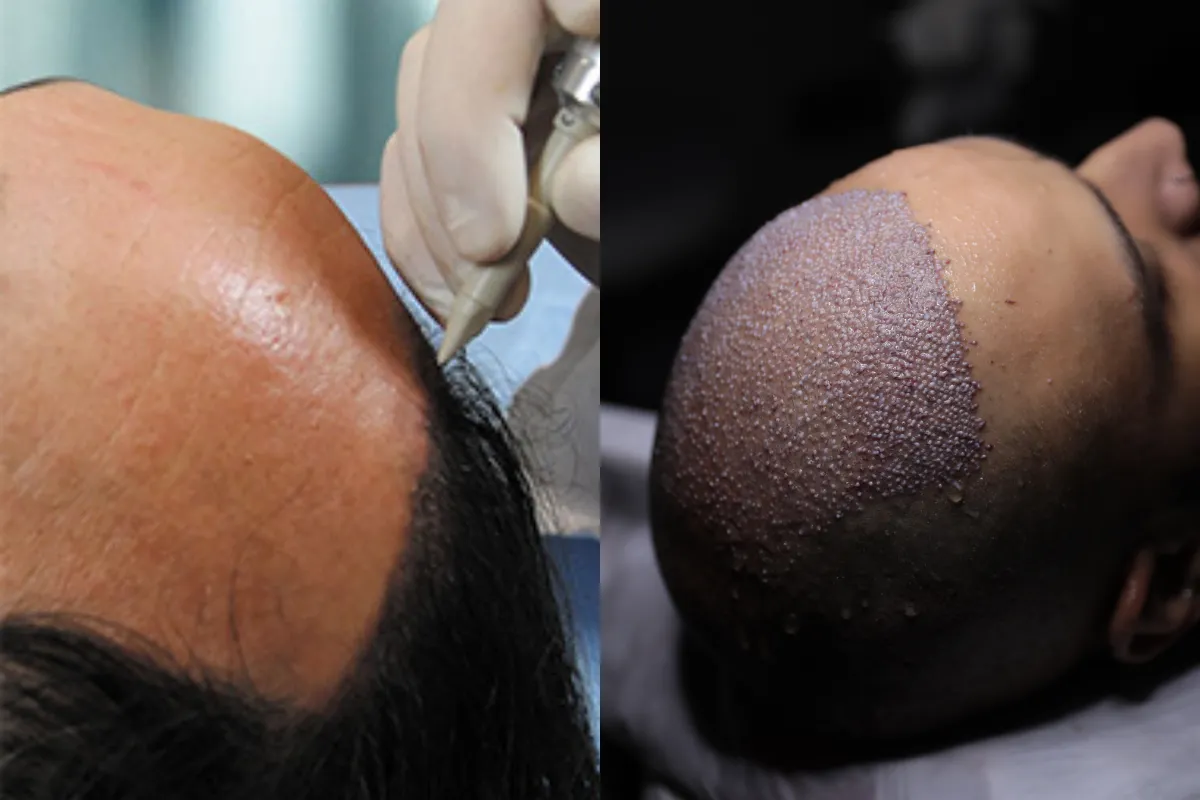
Table of Contents
What Is An Artificial Hair Transplant?
An artificial hair transplant (often called prosthetic or synthetic hair fiber implantation) is a cosmetic procedure where biocompatible synthetic fibers are inserted into the scalp to create the look of fuller hair.
People usually consider this option for immediate visible density or when they have limited donor hair. Fibers can be matched to your preferred color, length, and texture, so the look is customizable.
That said, synthetic fiber implantation has a more complicated safety and regulatory history. For example, the U.S. FDA banned prosthetic hair fibers decades ago, and acceptance varies across countries and medical authorities.
Key Characteristics Of Artificial Hair Transplants
- Instant cosmetic effect (density is visible right away)
- No donor area required
- Ongoing upkeep is commonly needed as fibers shed or are removed over time
Higher risk profile in the long term compared with standard surgical transplants, including infection and chronic inflammation in some cases
What Is A Real Hair Transplant?
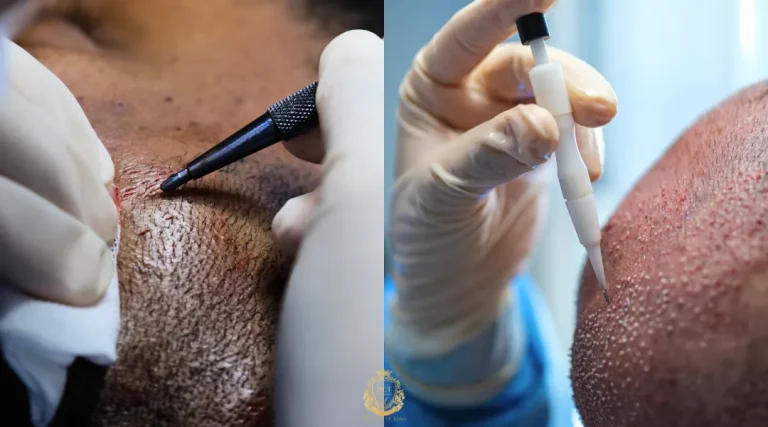
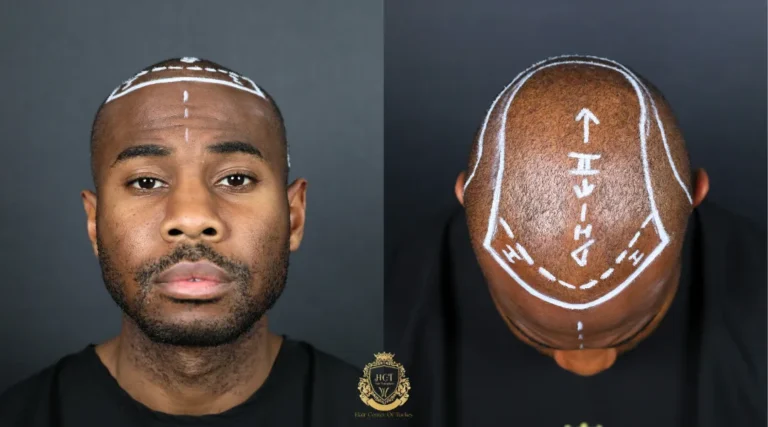
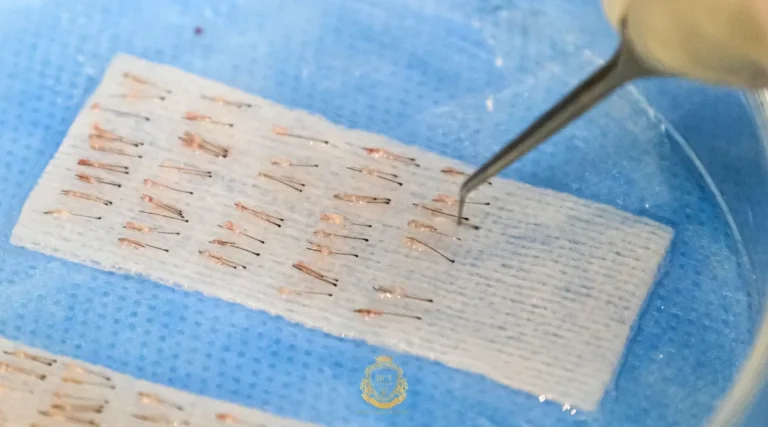
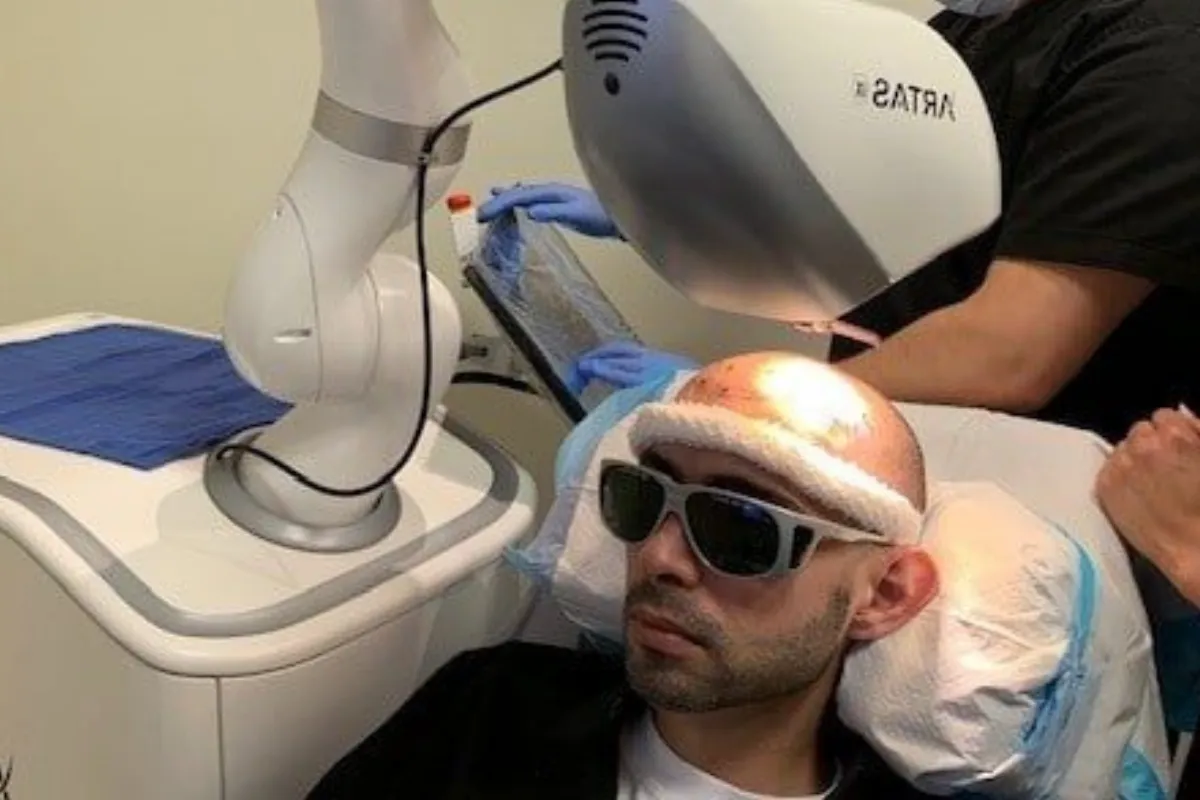
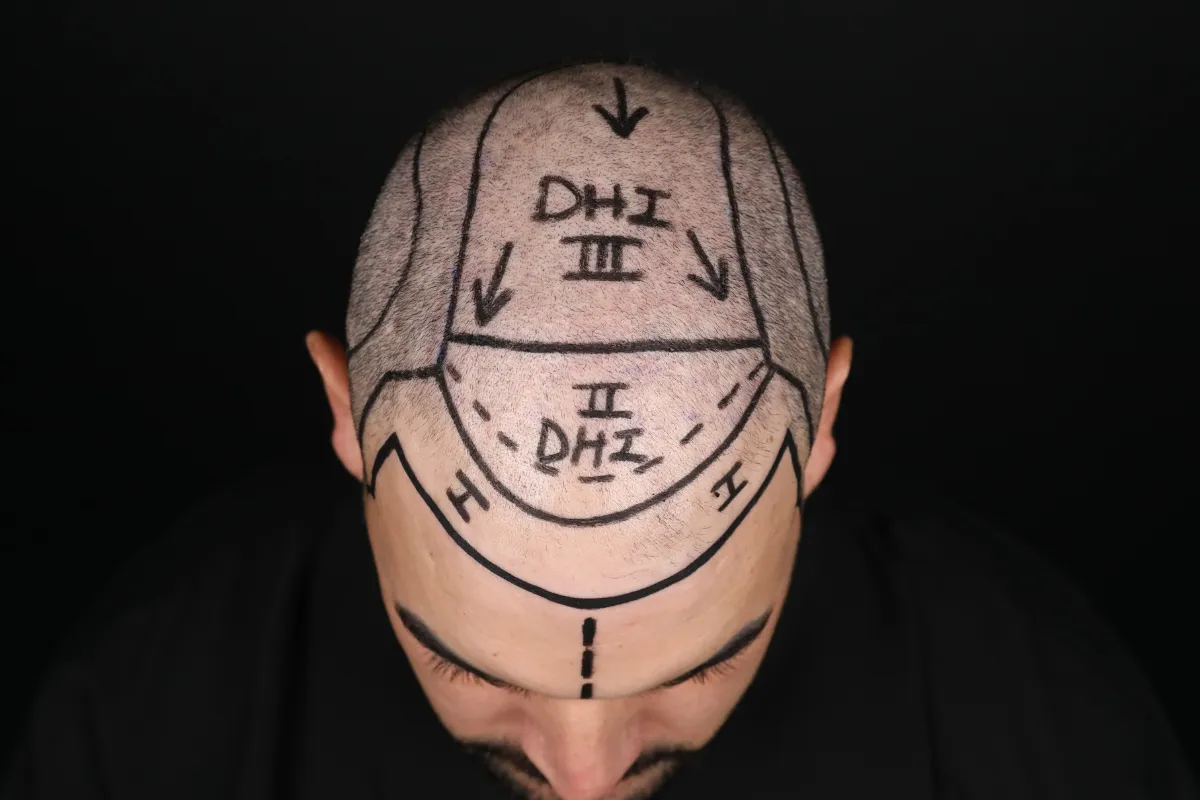
A real hair transplant relocates your own hair follicles from a donor area (typically the back or sides of the scalp) to thinning or balding areas.
Two common methods are:
- FUE (Follicular Unit Extraction): follicles are extracted individually
- FUT (Follicular Unit Transplantation): follicles are taken from a thin strip of scalp and then transplanted
Because the transplanted follicles are your own, the hair can grow, be cut, and be styled normally once it takes root.
Advantages Of Real Hair Transplants
- Natural look and feel because it’s your own hair
- Long-term results once grafts establish
- Lower daily maintenance than synthetic fibers
Real hair transplantation is widely seen as the most established medical option for hair restoration, but it depends on having an adequate donor area and requires patience—final results can take months to fully appear.
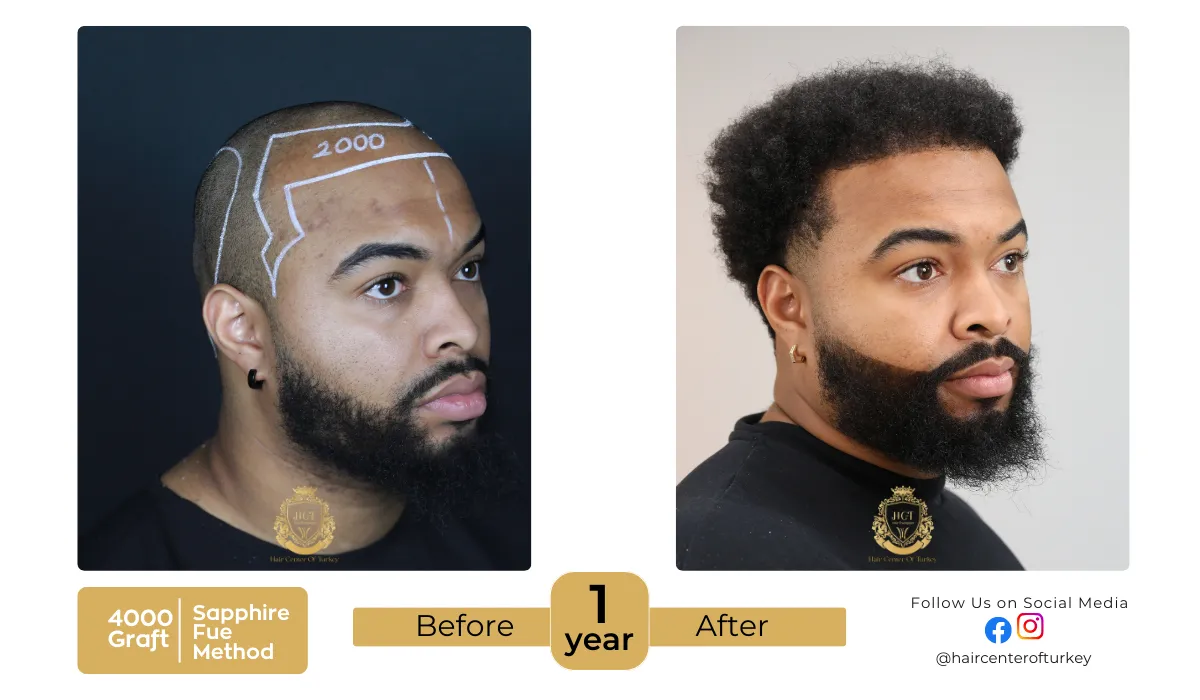
Artificial Vs. Real Hair Transplant: Side-By-Side Comparison
| Factor | Artificial Hair (Synthetic Fibers) | Real Hair Transplant (FUE/FUT) |
| What’s implanted | Synthetic fibers | Your own follicles |
| Results timeline | Immediate cosmetic density | Gradual growth over months |
| Longevity | Ongoing maintenance expected | Long-term once grafts take |
| Natural appearance | Can look good, but may be less natural up close | Typically the most natural-looking |
| Downtime | Often shorter initially | Healing time required |
| Common concerns | Infection/inflammation, fiber loss, long-term complications | Temporary swelling/redness, possible scarring depending on technique |
Which Option Is Right For You?
The right choice depends on your goals, medical suitability, and how you feel about maintenance.
Artificial Hair May Suit You If:
- You want immediate density for cosmetic reasons
- Your donor area is too limited for a standard transplant
- You understand that maintenance and follow-up are part of the commitment
It’s also worth checking what’s permitted where you live, since synthetic fiber implantation is restricted or banned in some countries.
Real Hair Transplant May Suit You If:
- You want natural growth and styling freedom
- You have a healthy donor area
- You’re comfortable waiting for the final look as the hair grows in
Safety Notes To Discuss With A Clinic
Whichever route you consider, discuss the following during a medical consultation:
- Scalp health (dermatitis, infections, inflammatory scalp conditions)
- Any autoimmune or chronic conditions that may raise risk
- Aftercare plan, follow-up schedule, and what “maintenance” realistically means
Medical literature continues to report complications associated with synthetic fiber implantation in some patients, reinforcing the need for careful candidate selection and close follow-up where it’s offered.
F.A.Q.
How long does the artificial hair transplant last?
Artificial hair transplants last months to several years.
Is synthetic hair transplant good?
Synthetic hair transplants carry higher infection and rejection risks.
What is a disadvantage of synthetic hair?
Synthetic hair can cause scalp inflammation and foreign body reactions.
Can synthetic hair be died?
Synthetic hair cannot be safely dyed.
How long will synthetic hair last?
Synthetic hair typically lasts several months with regular use.
Can you wear a wig permanently?
Wigs can be worn long-term with proper scalp care.
Explore the complete guide: Hair Transplant Patient Guides