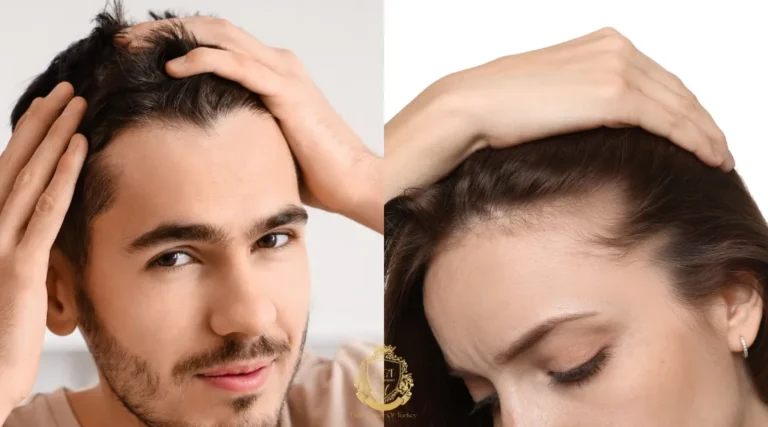
Promises of very high graft counts in Turkey can be realistic, but only for suitable candidates at experienced, ethical clinics. Many offers are simply marketing tactics that risk patient safety.
For US patients seeking maximum density, the key is distinguishing viable procedures from unsafe promises. A clinic like Hair Center of Turkey, founded in 2014, exemplifies a responsible approach.
With a team of 3 doctors performing over 3,000 procedures annually, the clinic specializes in complex, high-volume hair transplant high grafts cases. Donor health and realistic outcomes take priority over inflated numbers, ensuring a safe and effective procedure.
The allure of a full head of hair in a single session is powerful, especially when clinics in Turkey offer procedures at a fraction of the cost in the US. This cost-effectiveness has transformed the country into a global hub for hair restoration. However, advertisements promising a hair transplant high grafts count, sometimes as many as 6,000 or more in one day, have created widespread confusion and concern. To navigate these claims and protect your long-term results, you must first understand the science behind hair transplantation.
The central question is not whether a high number of grafts can be extracted, but whether it should be. The answer depends on a delicate balance between a patient’s goals and the physiological limits of their donor area. Here, we’ll explore the factors that determine a safe graft count, the risks of over-harvesting, and how to identify a reputable clinic that puts your health before marketing hype.
What Qualifies As A High Graft Count?
When discussing a hair transplant high grafts procedure, the numbers can often seem abstract. It is essential to understand what these figures represent and to differentiate between the number of grafts and the number of individual hairs, a common point of confusion used in marketing.
Table of Contents
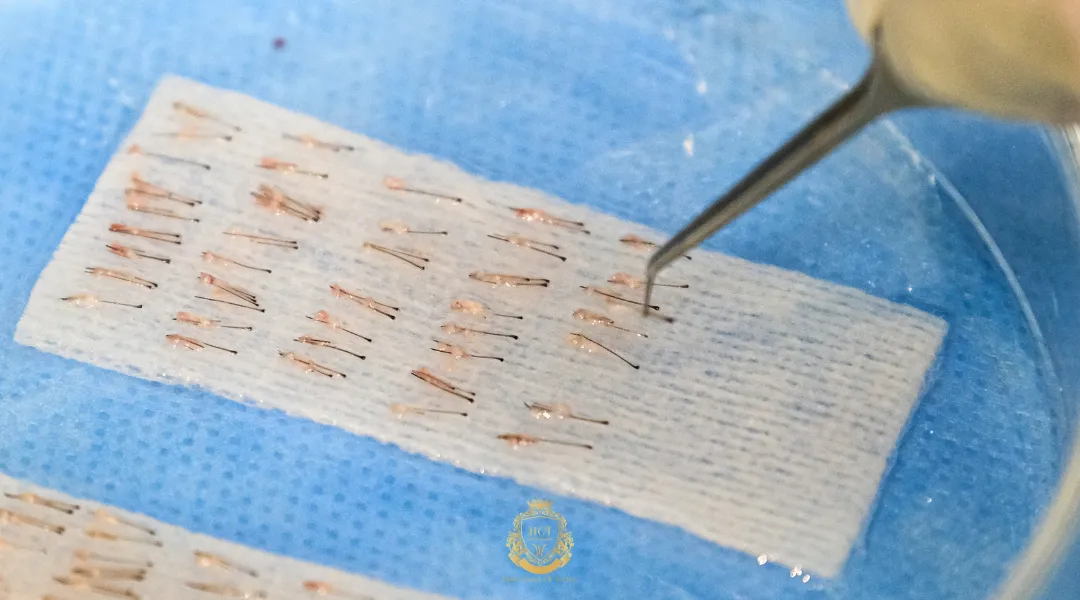
A “graft,” or follicular unit, is a naturally occurring group of one to four hair follicles. A 4000 graft hair transplant is generally considered the upper limit for a large, single-day FUE (Follicular Unit Extraction) session at most reputable clinics. Pushing beyond this number requires a highly skilled team, an ideal patient candidate, and meticulous planning to avoid exhausting both the patient and the medical staff. A 5000 graft hair transplant is possible for a select few with excellent donor density, but it stretches the limits of what can be safely achieved in one procedure.
A critical distinction is between grafts and hairs. The average follicular unit contains about 2.2 hairs. Some clinics may advertise a “10,000 hair” procedure to sound more impressive, but this often translates to roughly 4,500 grafts.
Always ask a clinic to clarify whether their quote is in grafts or individual hairs. A transparent and ethical clinic will always be clear about this, providing a precise breakdown of the follicular units they plan to transplant.
Promises of a 6000 graft hair transplant in a single session should be viewed with extreme caution. This volume is physiologically impossible for the vast majority of patients. Such claims often signal deceptive marketing or a dangerously aggressive approach.
Matching Graft Counts To The Norwood Scale
To put these numbers into context, it’s helpful to understand how they relate to the Norwood scale, the leading classification system for male pattern baldness. A surgeon uses this scale to assess the stage of hair loss and estimate the number of grafts needed for effective coverage.
For early stages like Norwood 3, around 1,500 to 2,500 grafts might be sufficient to restore the hairline and temples. For more advanced stages like Norwood 4 or 5, where hair loss extends to the crown, a patient might need 3,000 to 4,500 grafts for good density. A 4000 graft hair transplant would typically be reserved for individuals in these higher stages. Patients at Norwood 6 or 7, with extensive baldness, may require 5,000 grafts or more, often split into two separate procedures to ensure donor area safety and high graft survival.
Key Factors That Determine Your Maximum Safe Graft Count
Not everyone is a candidate for a procedure involving a hair transplant high grafts. The maximum number of grafts that can be safely harvested is not a one-size-fits-all figure; it is entirely dependent on your individual physiology. A thorough evaluation by an experienced surgeon is the only way to determine your true capacity.
The most critical factor is your donor area density. This refers to the number of follicular units per square centimeter (FU/cm²) on the back and sides of your scalp. An average person has a density of 60 to 100 FU/cm². An individual with high donor density has more available grafts to spare without the area looking thin or “moth-eaten” after the procedure.
The average person has a finite lifetime supply of approximately 5,000 to 7,000 grafts that can be harvested via FUE. Attempting to extract too many in a single session can permanently deplete this resource, leaving no options for future touch-ups if hair loss continues.
Beyond density, other physical traits also shape the outcome. Scalp laxity, or how loose the skin on your scalp is, affects how easily grafts can be extracted and how well the area heals. Hair characteristics, such as thickness (caliber), color, and texture, also influence the final aesthetic outcome.
For instance, coarse, wavy, dark hair can provide better visual coverage with fewer grafts than fine, straight, light-colored hair. This is because it covers more surface area and has less color contrast with the scalp. An ethical surgeon considers all these variables to create a personalized plan that maximizes your result while preserving the long-term health of your donor area.
The Risks Of Over-Harvesting: Why Pushing For Too Many Grafts Is Dangerous
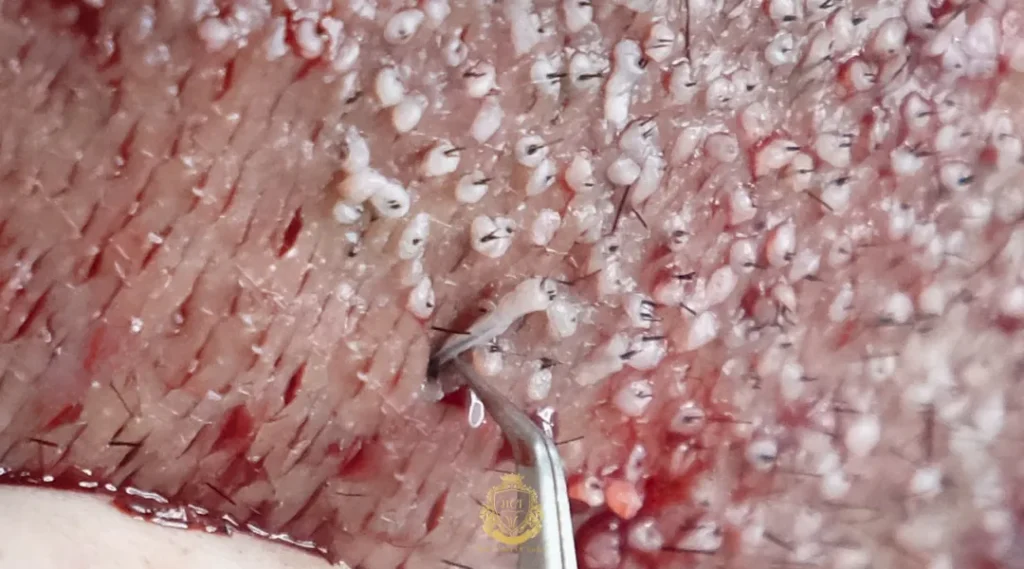
The pursuit of maximum density can sometimes lead patients to pressure clinics for an unrealistic number of grafts or, worse, fall prey to clinics that promise the impossible. Over-harvesting the excessive extraction of follicular units from the donor area is one of the most significant risks in hair restoration and can lead to irreversible damage.
When a surgeon attempts a hair transplant high grafts procedure, such as a 6000-graft session, on a candidate who cannot support it, the donor area is the first casualty. Excessive extraction can create patchy, thin areas on the back and sides of the head, a condition known as donor depletion. This not only looks unnatural but also eliminates the possibility of any future hair transplant procedures, as the donor supply has been permanently compromised. This is a devastating outcome for someone who may experience further hair loss as they age.
The length of the surgery itself introduces another risk: lower graft survival. Grafts are living tissue and can only survive outside the body for a limited time. A session that is too long increases the time grafts spend in a storage solution, reducing their viability.
Patient and surgeon fatigue also become serious factors, potentially leading to mistakes in extraction and implantation. A poorly executed 5000 graft hair transplant with a low survival rate can yield a worse result than a smaller one. A carefully planned 4000 graft procedure, where over 95% of the grafts survive and grow, will outperform it.
Long-Term Consequences Of Donor Depletion
The damage from over-harvesting is not always immediately apparent. In the months following the procedure, as the donor area heals, patients may notice a “moth-eaten” or see-through appearance. This can be particularly visible with short haircuts.
Another potential issue is “shock loss,” where native hairs surrounding the extraction points fall out due to trauma. While often temporary, severe over-harvesting can make this hair loss permanent.
The most significant long-term consequence is the complete exhaustion of the donor supply. If your hair loss continues to progress with age, you will have no reserve grafts left for a touch-up procedure. This can leave you with a dense, transplanted hairline but a balding crown, creating an unnatural and undesirable look. A responsible surgeon plans for the future, not just for a single impressive result today.
How Reputable Turkish Clinics Approach A High Graft Hair Transplant Safely
Despite the risks associated with unrealistic promises, it is possible to undergo a successful hair transplant high grafts procedure in Turkey. The key is to choose an ethical, surgeon-led clinic that adheres to strict medical protocols. These clinics stand in stark contrast to “hair mills” that prioritize volume over patient safety.
A reputable clinic begins with a comprehensive and honest consultation. The surgeon will assess your donor area, discuss your hair loss pattern, and set realistic expectations. They will never offer a standardized quote or guarantee a specific high number without first evaluating you.
Their primary goal is to create a long-term strategy that preserves your donor area for potential future needs. This may involve recommending a conservative number of grafts for the first session or suggesting two smaller sessions spaced a year apart instead of one risky “mega-session.”
The Role Of The Surgical Team
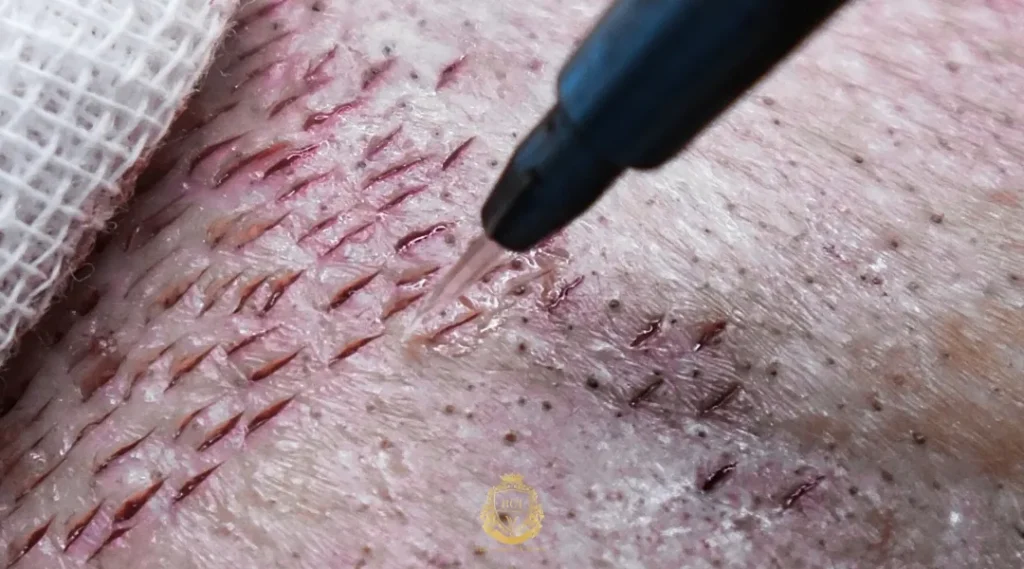
The economic advantages in Turkey allow specialized clinics to build large, experienced teams. This is crucial for high-graft procedures. While a single surgeon in the US might perform the entire procedure, top Turkish clinics often have a lead surgeon who designs the hairline and makes the incisions, supported by a team of skilled technicians who assist with extraction and implantation.
This team-based approach, when properly supervised, can make a 4000 graft hair transplant more efficient and safer. It reduces the time grafts spend outside the body and minimizes patient fatigue. However, the surgeon’s direct involvement and oversight remain paramount for quality control and artistic direction.
Red Flags To Watch For: Identifying Unrealistic Promises
Navigating the competitive market of hair transplantation in Turkey requires a discerning eye. Unethical clinics, often called “hair mills,” use aggressive marketing and deceptive promises to attract international patients. Knowing the red flags can help you avoid a decision that could lead to poor results and permanent donor damage.
The most obvious red flag is a clinic that promises an extremely high number of grafts, like 6,000 or more, to every patient without a personalized consultation. Your graft capacity is unique, and any clinic offering a one-size-fits-all solution is not prioritizing your individual health. Be wary of quotes provided instantly over a messaging app based on just a few photos. A proper assessment requires a detailed discussion about your medical history and hair loss progression.
Another major warning sign is a lack of transparency. If a clinic is vague about whether they are quoting grafts or hairs, or if they cannot clearly state who will be performing the surgery a doctor or a technician you should be concerned.
High-pressure sales tactics are also common. Reputable clinics provide you with information and allow you to make a decision in your own time. If you feel rushed or are offered a “special discount” that expires in a few hours, it is best to walk away.
The Importance Of A Personalized Surgeon Consultation
In the context of a hair transplant high grafts, a standardized quote is not just unhelpful it’s potentially dangerous. The single most important step in your hair restoration journey is a detailed, one-on-one consultation with the surgeon who will be responsible for your procedure. This is where a safe and effective treatment plan is born.
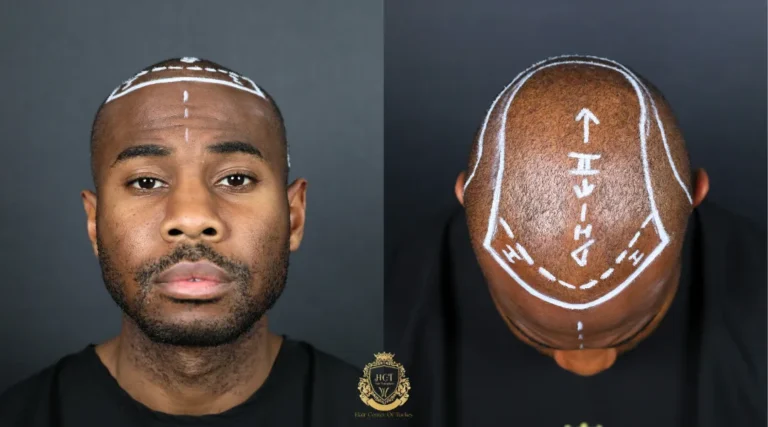
During a proper consultation, the surgeon does more than just count grafts. They analyze the pattern of your hair loss, evaluate the quality and density of your donor hair, and discuss your aesthetic goals. They will use this information to design a natural-looking hairline that is appropriate for your age and facial structure.
This is an art form that technicians without medical and aesthetic training cannot replicate. The surgeon also explains the limitations and sets realistic expectations for what can be achieved in a single session.
What To Ask During Your Consultation
To ensure you are making an informed decision, prepare a list of questions for your consultation. This empowers you to assess the clinic’s transparency and professionalism. Key questions include:
Who will be performing the critical parts of the surgery (incisions, hairline design)?
Based on my evaluation, what is my estimated donor capacity and density?
What is the clinic’s average graft survival rate?
Can I see before-and-after photos of patients with a similar hair loss pattern and hair type to mine?
What is the plan for preserving my donor area for the future?
This personalized approach ensures the final result is not only dense but also natural and sustainable. The surgeon will plan the extraction pattern to avoid depleting any single area, preserving the integrity of your donor zone. Opting for a clinic that prioritizes this crucial step is the best way to ensure your investment yields a result you will be happy with for decades to come.
Ultimately, achieving a successful high-graft result in Turkey is entirely possible. It requires patients to be educated and diligent in their research. By focusing on clinics that emphasize surgeon involvement, long-term planning, and transparent communication, you can take advantage of the value Turkey offers without compromising on safety or quality.
Frequently Asked Questions
Is Getting 6000 Grafts In One Day Safe?
For the vast majority of patients, attempting to get a 6000 graft hair transplant in a single day is not safe or realistic. This practice risks extreme donor depletion, poor graft survival rates due to the long surgery time, and an unnatural-looking result. Such a high number is often a red flag for a clinic using deceptive marketing.
Does A Higher Number Of Grafts Guarantee A Better Result?
No, a higher number does not guarantee a better outcome. The surgeon skill in designing a natural hairline, the artistic placement and angle of each graft, and the overall graft survival rate are far more critical. A well-executed 3,000-graft transplant will always look superior to a poorly performed 5000 graft hair transplant.
Why Do Turkish Clinics Offer Higher Graft Counts Than US Clinics?
This is due to a combination of factors, including significantly lower operational costs, specialized medical teams experienced in performing longer FUE sessions, and intense market competition. However, patients must carefully distinguish between clinics offering realistic hair transplant high graftsu and those making unsafe promises to attract clients.
How Can I Be Sure A Clinic Is Quoting Grafts And Not Hairs?
Always ask for direct clarification. A reputable, transparent clinic won hesitate to confirm that their quote refers to follicular units, or grafts, and will often break down the surgical plan into single, double, and triple-hair grafts.