


Hair Transplant Clinics In France: Costs, Techniques, And How To Choose
A hair transplant in France typically uses FUE, DHI, or FUT to move healthy follicles into thinning areas. Most patients choose France for strict medical standards, experienced surgeons, and predictable aftercare. Expect a consultation, a same‑day procedure under local anesthesia, and visible growth over 6–12 months. Costs vary by city, graft count, and technique.

Table of Contents
Why France Is Chosen For Hair Restoration
France attracts patients who want a regulated medical setting and surgeon-led care. Clinics in major cities often work with modern extraction and implantation tools, and follow-up is easier if you live in France or nearby. If you’re travelling, the main trade-off is price compared with lower-cost destinations.
What To Expect During Hair Transplant Surgery In France
Consultation And Planning
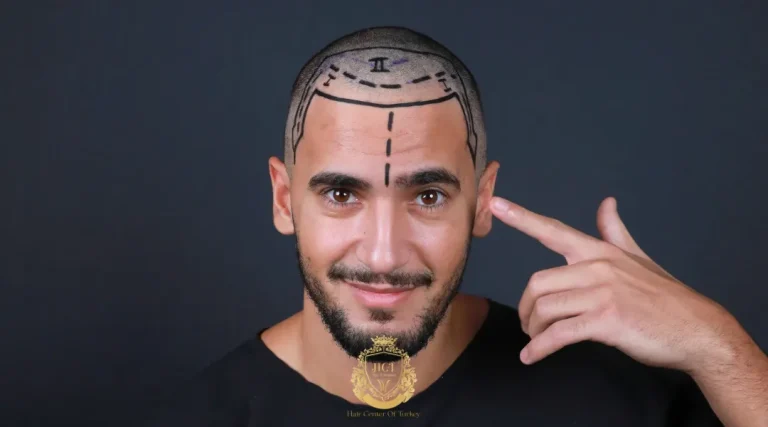
Most clinics start with a scalp and donor-area assessment, a discussion of your goals, and a realistic plan for density and hairline design. Your surgeon should explain how many grafts are needed, which technique fits your hair loss pattern, and what the recovery timeline looks like. Bring photos of hairstyles you like, and disclose any medications or scalp conditions.
The Procedure Day
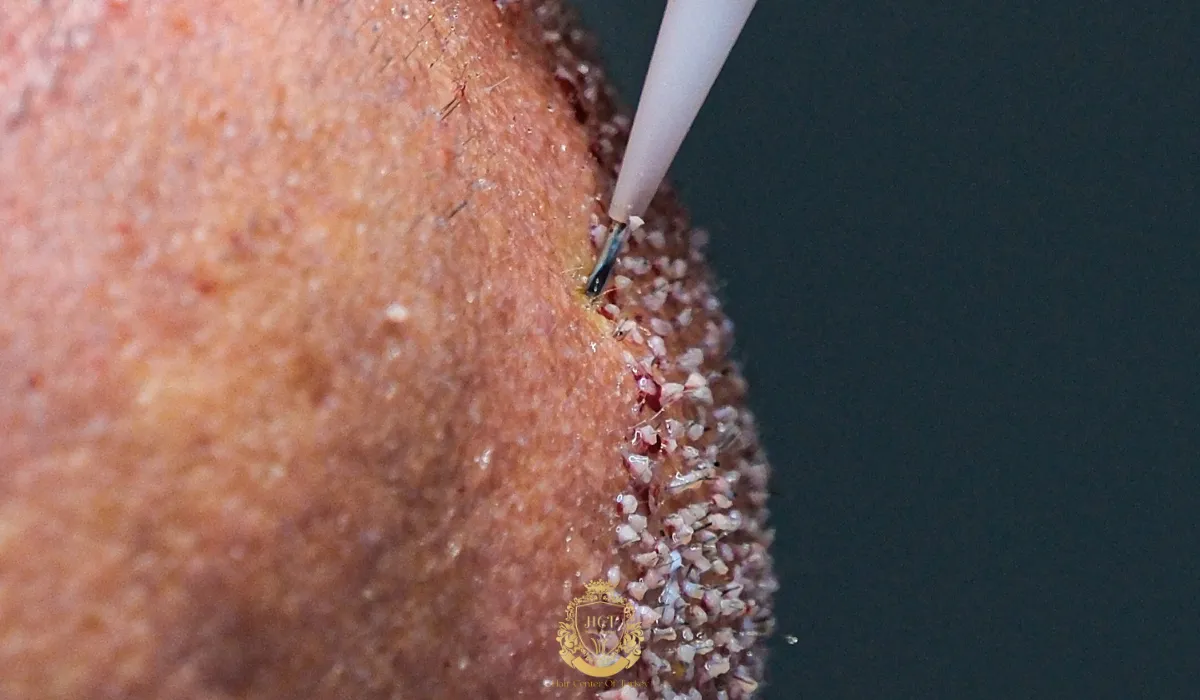
Hair transplant surgery is usually done under local anesthesia. Follicles are harvested from the donor area, prepared under magnification, and implanted into the recipient area following the planned direction and angle of growth. Plan to spend most of the day at the clinic, especially for larger sessions.
Aftercare And Follow-Up
You’ll receive washing instructions, medication guidance, and activity restrictions for the first 7–14 days. Temporary shedding of transplanted hairs is normal in the first weeks. Many clinics schedule follow-ups to check healing and track progress through the 6–12 month growth phase.

Hair Transplant Techniques Used In France
FUE (Follicular Unit Extraction)
FUE extracts individual follicular units, which helps avoid a linear scar. It’s widely used for hairline restoration and moderate-to-large sessions, with recovery that is usually quicker than strip surgery. Results depend heavily on graft handling and placement—ask who performs each step.
DHI (Direct Hair Implantation)
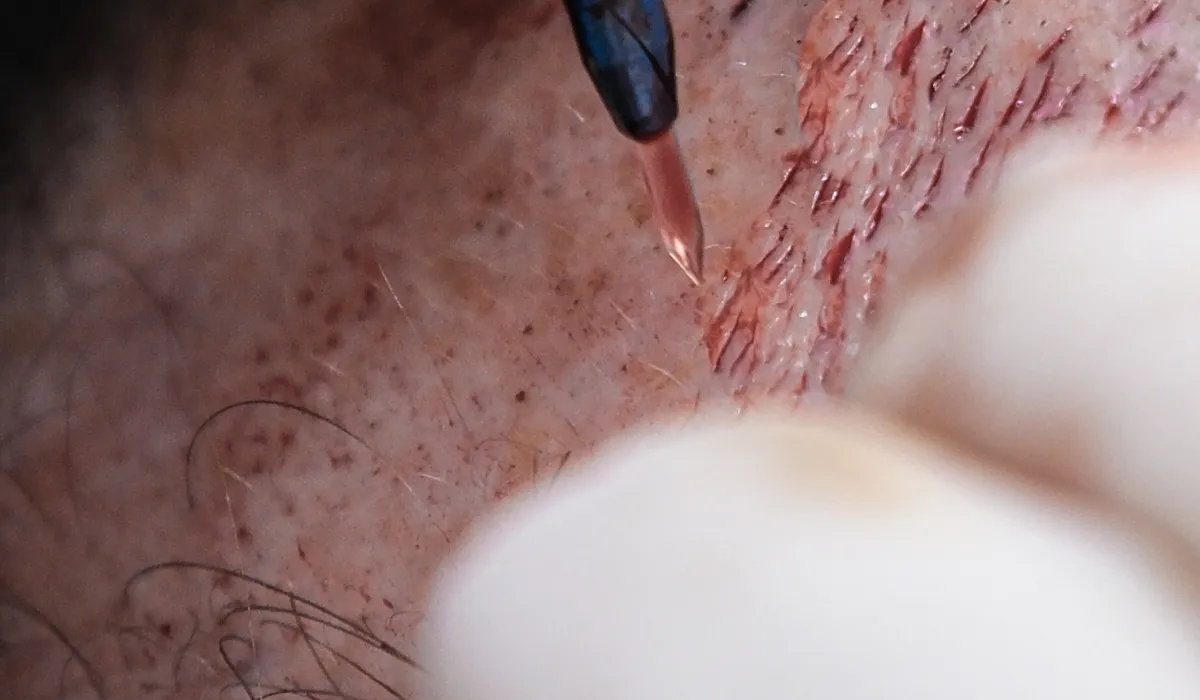
DHI is a variation of FUE where prepared follicles are implanted using a pen-like implanter. It can support dense packing in experienced hands and may reduce handling time for grafts. Because it is more technique-dependent, outcomes vary by clinic and team experience.
FUT (Strip Surgery)
FUT removes a thin strip from the donor area and dissects it into grafts. It may be suggested for extensive restoration or when maximizing graft yield is a priority. FUT leaves a linear scar, so it’s best suited to patients who keep their hair longer at the back and sides.
Hair Transplant Cost In France
Pricing in France is typically driven by graft count, technique (DHI often costs more than standard FUE), surgeon reputation, and city-level overheads. As a broad guide, many patients see quotes in the mid-to-high thousands of euros for standard cases. Request a written quote that clearly states what is included—consultation, medications, follow-ups, and any add-on treatments.
Example Price Ranges Mentioned In The Draft
The original draft included a sample range of €6,000–€10,000 for many procedures in France, and €2,500–€3,000 for certain clinics marketed to French patients. Treat these figures as indicative only; confirm pricing directly with clinics, as inclusions and graft counts differ.
| Clinic | Location | Price Range (Indicative) | Notes |
| Paris Hair Restoration Center | Paris | €6,000–€10,000 | City-based option; ask who performs extraction and implantation. |
| Lyon Advanced Hair Clinic | Lyon | €6,000–€10,000 | Often positioned for larger sessions; clarify technique availability. |
| Marseille Hair Transplant Institute | Marseille | €6,000–€10,000 | May suit budget-conscious patients within France; confirm what’s included. |
| Hair Center of Turkey | Istanbul (Turkey) | €2,500–€3,000 | Often marketed as medical tourism option; check travel, aftercare, and surgeon involvement. |
| Lygos Clinic | Istanbul (Turkey) | €2,500–€3,000 | Medical tourism option; confirm credentials, translators, and follow-up plan. |
Note: Clinic names and ranges above reflect the content in the original document. Always verify licensing, surgeon credentials, and current pricing.
How To Choose A Hair Transplant Clinic In France
- Confirm the surgeon’s name, qualifications, and whether they are present for key steps.
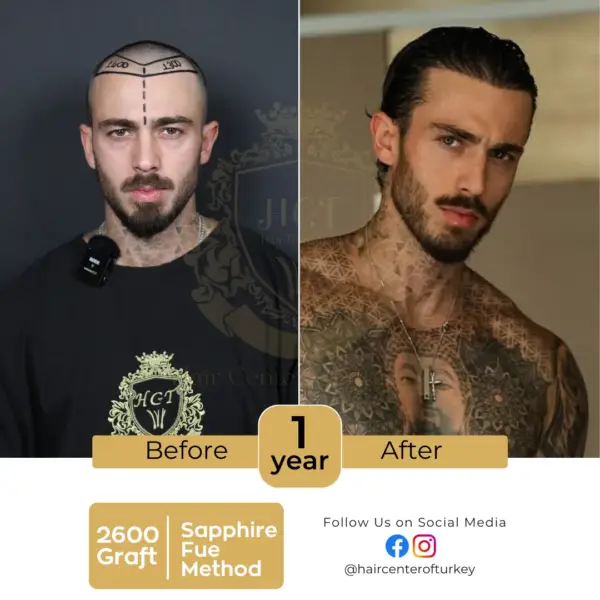
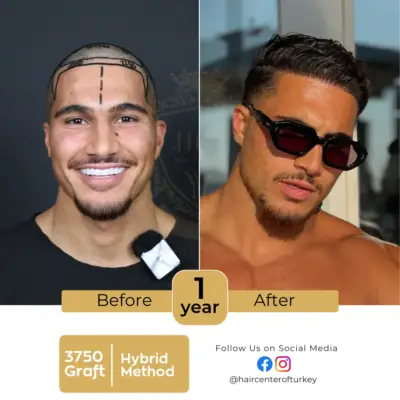
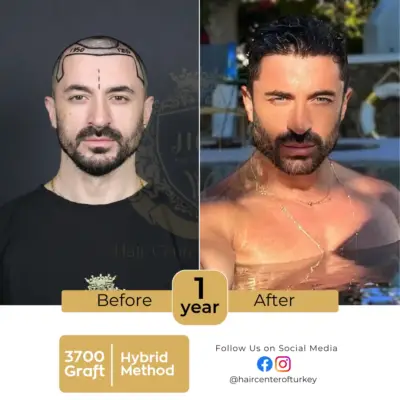
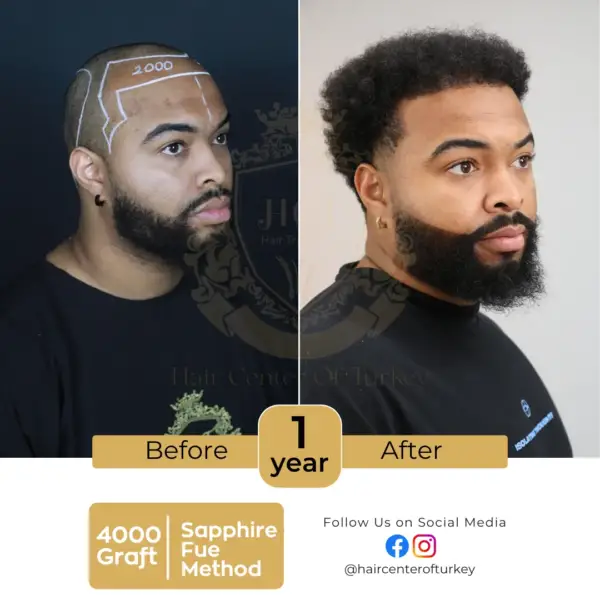
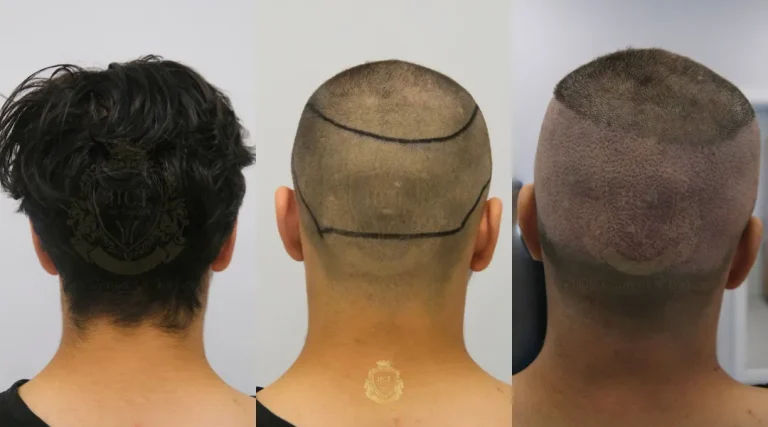
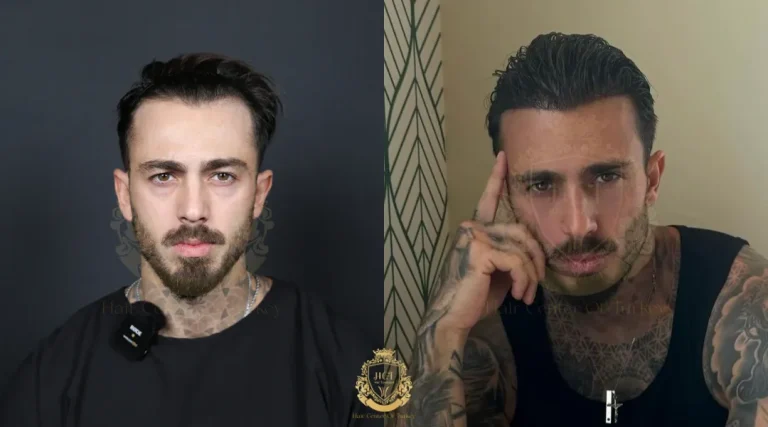
- Ask to see before/after cases similar to your hair type and level of hair loss.
- Get a graft estimate and a clear explanation of why that number is appropriate.
- Clarify what’s included in the quote (medications, follow-ups, PRP, hotel/transfers if relevant).
- Review infection control, anesthesia approach, and how complications are handled.
- Avoid high-pressure sales tactics; a reputable clinic will set realistic expectations.
Travel Tips For Hair Transplant Patients Visiting France
If you’re travelling, choose accommodation close to the clinic so you can rest and return for checks if needed. Plan gentle days after surgery—avoid heavy exercise, alcohol, and sun exposure during the early healing phase. Many clinics support international patients with multilingual staff, but you should still keep written aftercare instructions.

FAQs On Hair Transplants In France
How much does a hair transplant cost in France?
About €4,000–€9,000 on average; large sessions can exceed €15,000.
How to choose the best hair transplant clinic?
Choose a licensed clinic with board-certified surgeon, transparent outcomes, sterile protocols, long-term follow-up.
Which country is best and cheap for hair transplants?
Turkey is widely considered best-value and cheap for hair transplants; India is another low-cost option.
Is Turkey best for hair transplant?
Turkey is a top destination for value, but results depend on the surgeon and clinic.
What is the safest country to get a hair transplant?
Safest is any country with rigorous licensing and oversight; Germany is a strong example.
Explore the complete guide: International Hair Transplant Locations