


Hair Transplant Clinics In Canada: Surgeons, Costs, And Procedures Explained
Hair transplants in Canada are usually performed with FUE, DHI, or FUT to move healthy follicles into thinning areas. Clinics start with a medical consultation and scalp assessment, then plan graft numbers and hairline design. Expect a full-day procedure, a short recovery window, and results that mature over 9–12 months.

Table of Contents
Hair Transplant In Canada
Canada has many reputable hair restoration clinics, especially in larger centres such as Toronto, Vancouver, Montreal, Calgary, and Ottawa. Most procedures are performed in outpatient surgical settings, using local anaesthetic and modern microsurgical tools.
Quality varies by provider, so the goal is to find a clinic that prioritizes medical oversight, careful graft handling, and clear follow-up care. A good consultation should include a scalp exam, donor-area assessment, and an honest discussion of what density is realistic.
Who Is A Good Candidate For A Hair Transplant
Hair transplantation works best when you have enough healthy donor hair (usually from the sides and back of the scalp) and your hair loss pattern is reasonably stable. It can also be used to refine hairlines, fill crown thinning, and restore eyebrows or beards in selected cases.
Common signs you may be a good candidate include:
- Stable donor density and hair calibre
- A clear diagnosis for the cause of hair loss
- Realistic expectations about density and maintenance
- Willingness to follow aftercare instructions
- Non-smoking or able to pause smoking before and after surgery (as advised by your clinic)
If you have active scalp disease, uncontrolled medical conditions, or diffuse shedding without a clear diagnosis, a reputable clinic will usually recommend medical treatment or further evaluation before surgery.

What To Expect During Hair Transplant Surgery In Canada
Consultation And Planning
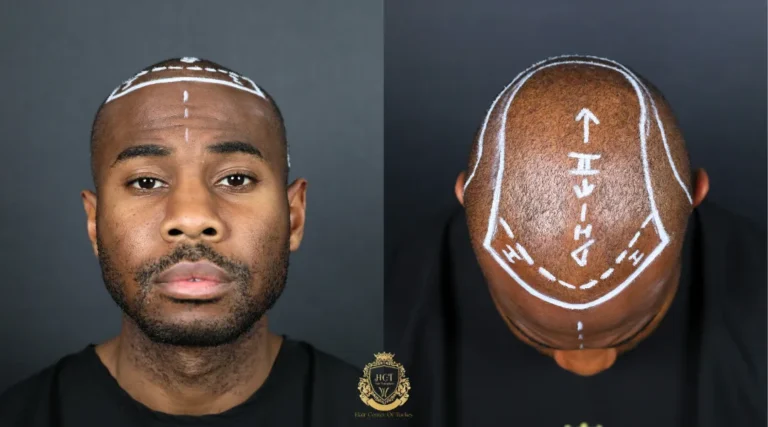
Your first visit typically covers medical history, photos, and a scalp examination. The clinic will estimate graft numbers, explain technique options (FUE, DHI, FUT), and map a hairline design that suits your facial structure.
Ask who performs each step, how grafts are counted, and what the aftercare plan looks like. Transparent answers here are a strong sign you are in the right place.
The Day Of The Procedure
Most surgeries take several hours and are done under local anaesthetic with optional oral sedation. Hair follicles are harvested from the donor area, prepared under magnification, then implanted to match natural direction and density.
You’ll leave with a bandaged donor area and detailed instructions for washing, sleeping position, and medications. Plan for a quiet evening and avoid strenuous activity.
Recovery And Results Timeline
Mild swelling, redness, and scabbing are common in the first week. Many people return to desk work within a few days, while heavy exercise is usually paused for longer based on clinic guidance.
Transplanted hairs often shed in the first month, which is normal. New growth typically becomes noticeable over the following months, with final density commonly judged around 9–12 months.
Hair Transplant Techniques Used In Canada
FUE Follicular Unit Extraction
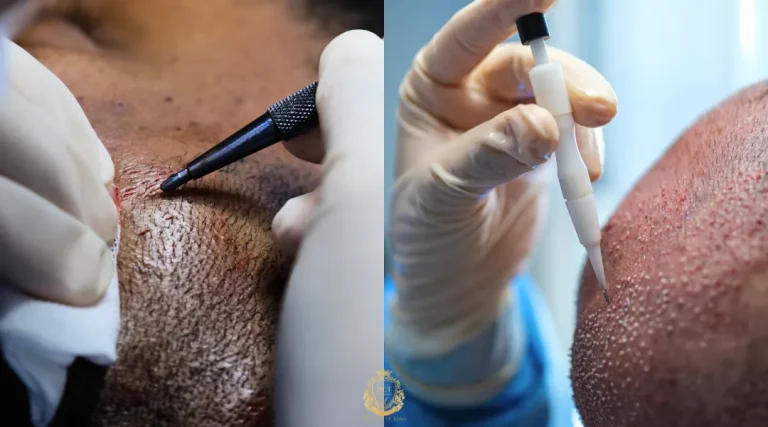
FUE removes follicular units one by one from the donor area, leaving tiny dot scars that are hard to see once healed. It’s widely used because it avoids a linear incision and usually allows faster comfort after surgery.
It can be a good match if you prefer shorter hairstyles, need a smaller to medium graft count, or want a less noticeable donor scar pattern.
DHI Direct Hair Implantation
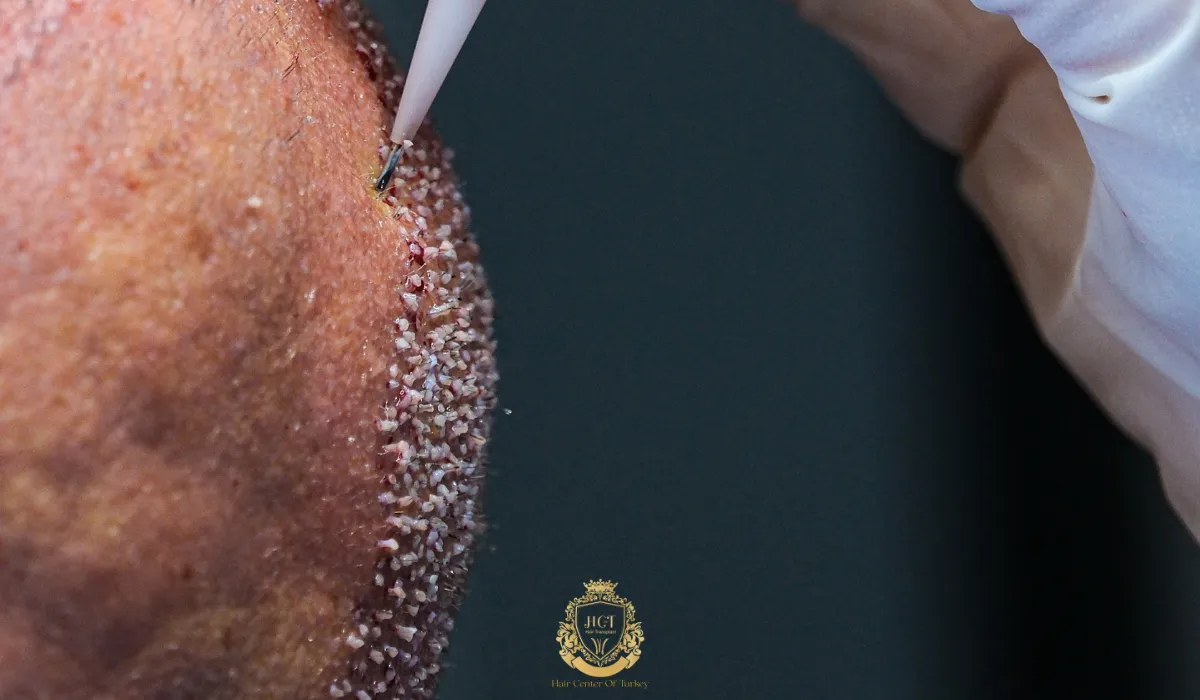
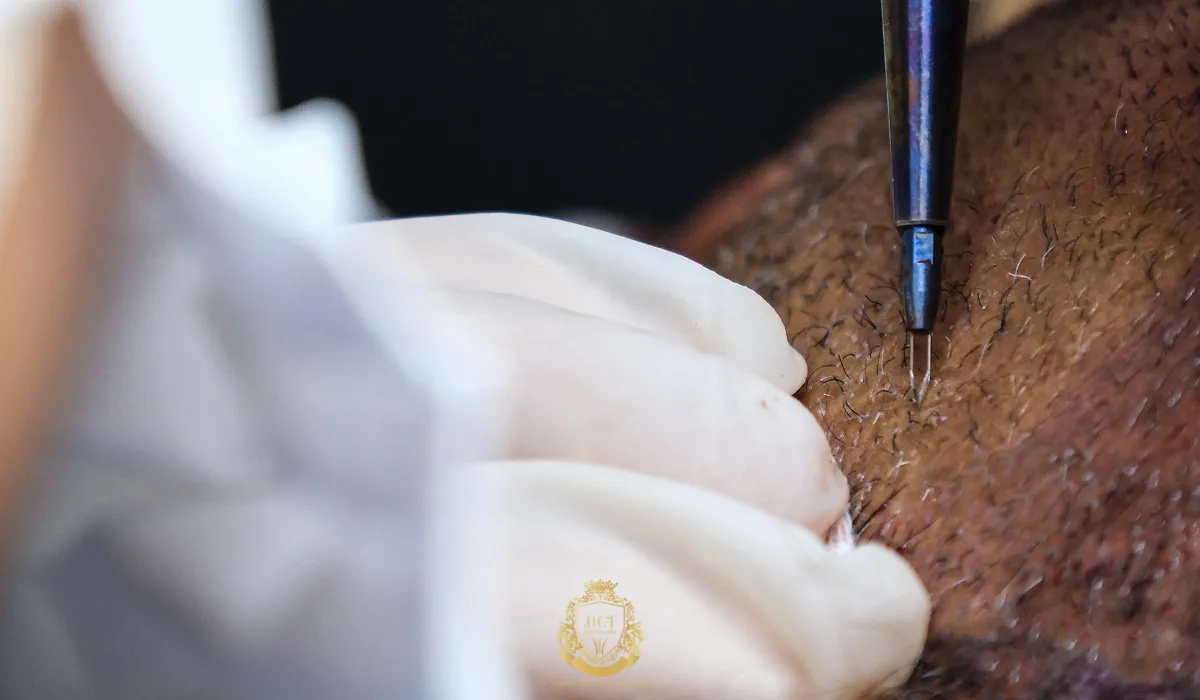
DHI is a variation of FUE where grafts are implanted using a pen-like implanter. It can offer precise placement and may reduce time grafts spend outside the body, depending on the clinic’s workflow.
DHI is often chosen for detailed hairline work, dense packing in smaller areas, or cases where the clinic prefers its implantation approach.
FUT Follicular Unit Transplantation
FUT (strip surgery) removes a narrow strip of scalp from the donor area, then divides it into grafts. It typically produces a linear scar, which can be concealed with longer hair.
FUT may be recommended when a larger graft number is needed, or when donor management is a priority. The best choice depends on your anatomy, goals, and the surgeon’s plan.
Hair Transplant Cost In Canada
Hair transplant pricing in Canada varies by province, graft count, technique, and the level of physician involvement. Many clinics quote per graft, while others quote per session. Taxes (HST/GST/PST/QST) may also apply, depending on where you are treated.
You may see quotes in the range of roughly $8,500–$14,000 CAD for a typical 2,500–3,000 graft session in Ontario and Quebec. In some higher-cost markets, or for larger sessions, quotes can be higher, sometimes reported around $18,000–$21,000 CAD, plus applicable provincial taxes.
Real-world examples show the spread in pricing. Sure Hair Transplants Toronto notes a typical quote of around $8,500 CAD for approximately 3,000 grafts, with final pricing varying by individual factors. Some clinics in major markets can be higher, especially for larger sessions or premium surgeon-led care.
Cost is usually influenced by:
- Number of grafts required
- Technique (FUE vs DHI vs FUT)
- Clinic location and operating costs
- Surgeon involvement and team experience
- Aftercare, follow-up visits, and included medications
Quick Comparison: Canada Vs Turkey (Medical Tourism)
Some Canadians compare local treatment with medical tourism options in countries such as Turkey. Packages abroad can be less expensive, but you should budget for flights, time off work, and follow-up care once you return home.
Before booking, confirm who performs the surgery, what happens if complications occur after you travel back, and whether your aftercare plan is documented.
How To Choose A Reputable Hair Transplant Clinic
Clinic websites can look similar, so focus on proof and process. A strong provider will explain the plan in plain language and will not pressure you into a graft number that doesn’t match your donor capacity.
Use this checklist when comparing clinics:
- A physician-led consultation with clear credentials
- Before-and-after photos with consistent lighting and angles
- A written plan (graft estimate, hairline design, technique)
- A clear aftercare protocol and follow-up schedule
- Transparent pricing that explains what is included
- Realistic discussion of medical therapy for ongoing hair loss
Best Hair Transplant Clinics Serving Canadian Patients
Canada-Based Options
Hasson & Wong (Vancouver, BC) — Known internationally and based in Vancouver.
Sure Hair International (Toronto/Vaughan, ON) — A long-standing Canadian provider with published pricing guidance on its site.
HairClub Canada (multiple locations) — Offers surgical and non-surgical hair restoration services in several provinces.
International Options Popular With Canadians
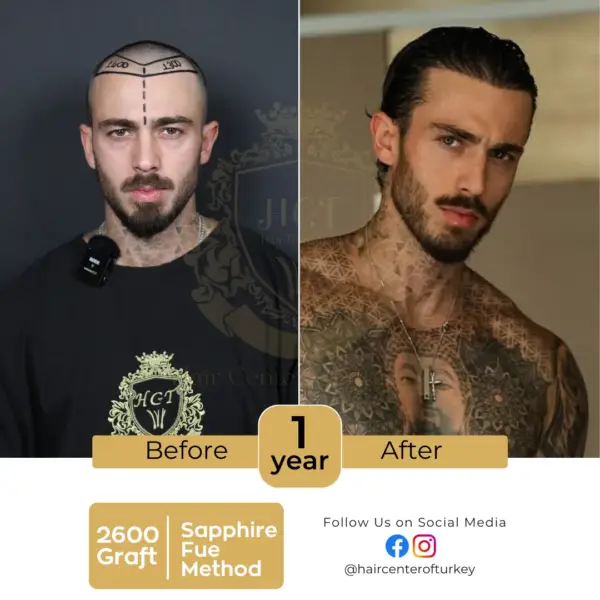
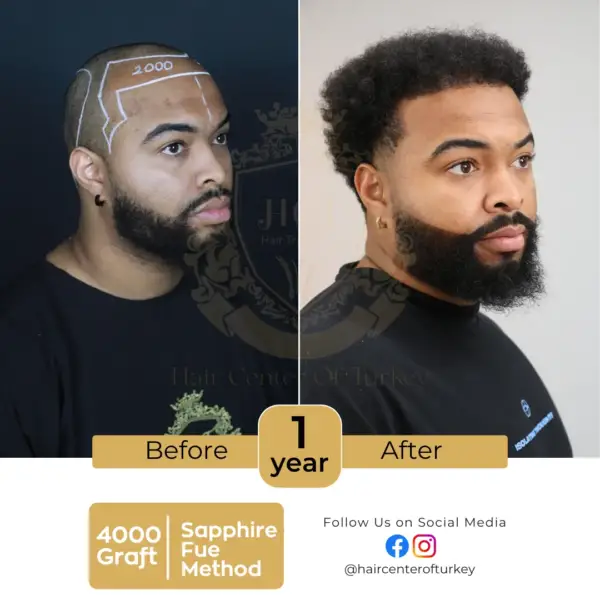
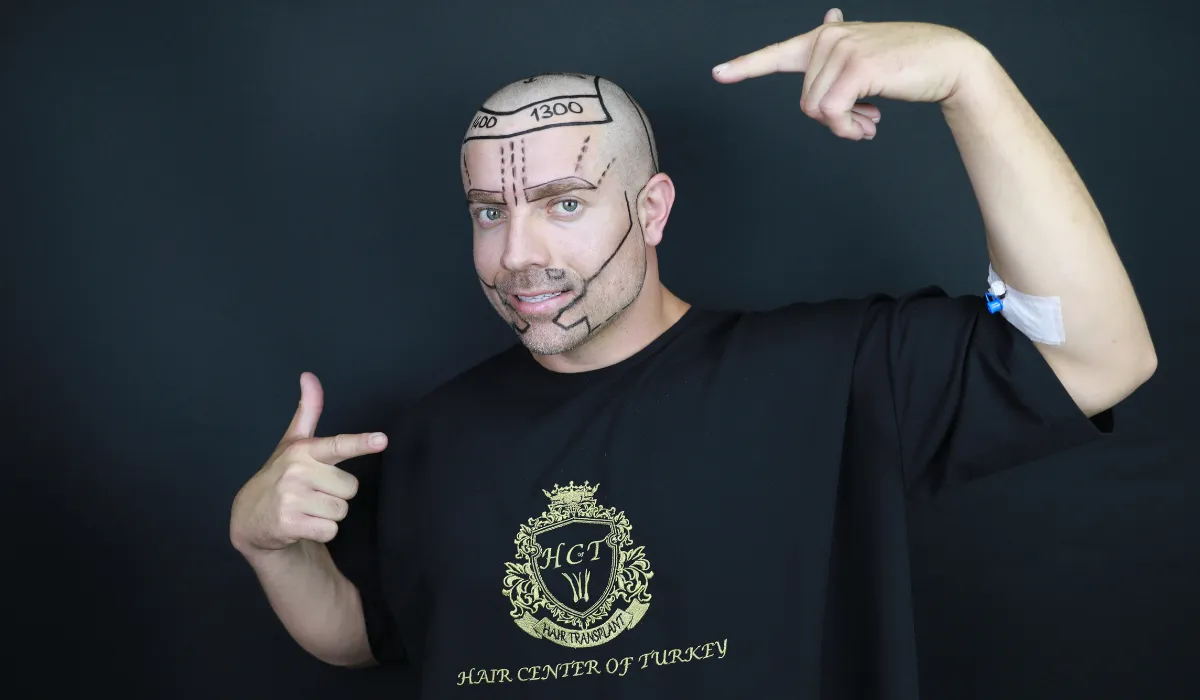
Hair Center of Turkey (Istanbul, Turkey) — Often marketed to international patients seeking package pricing.
Lygos Clinic (Istanbul, Turkey) — A Turkey-based clinic offering hair transplantation among other aesthetic services.
Travel Tips For Hair Transplant Patients Visiting Canada
If you are travelling to Canada for surgery, plan to arrive at least a day early and keep your schedule flexible. Choose accommodation close to the clinic so you can avoid long commutes immediately after the procedure.
Bring a button-up or zip-up top to avoid pulling clothing over your scalp. After surgery, follow the clinic’s washing and sleeping instructions closely and skip sightseeing that involves heavy sun exposure, sweating, or strenuous activity until your provider clears you.
FAQs On Hair Transplants In Canada
How much does hair transplant surgery cost in Canada?
CAD $7,000–$25,000 per session, or about $3–$10 per graft .
How much does hair transplant cost in Turkey in CAD?
CAD $1,800–$9,700 all-inclusive, based on €1,100–€6,000 and today’s rate .
How much does 3000 grafts hair transplant cost Toronto?
CAD $10,000–$20,000+ for ~3,000 grafts in Toronto.
What is the best hair transplant clinic in Canada?
No single best; choose an ISHRS-member surgeon with verifiable results and follow-up care .
What is the largest transplant center in Canada?
No verified national “largest”; Calgary’s Hair Transplant Centre claims largest in Western Canada
Explore the complete guide: International Hair Transplant Locations