


Hair Transplant Clinics In Spain
Spain offers modern hair restoration options like FUE and DHI, with clinics in cities such as Madrid, Barcelona, Valencia, and Marbella. Most patients choose Spain for EU medical standards, straightforward travel, and structured follow-up care. Costs vary by graft count and technique, so the safest way to compare clinics is to focus on the surgeon, aftercare, and transparent pricing.

Table of Contents
Hair Transplant Techniques Available In Spain
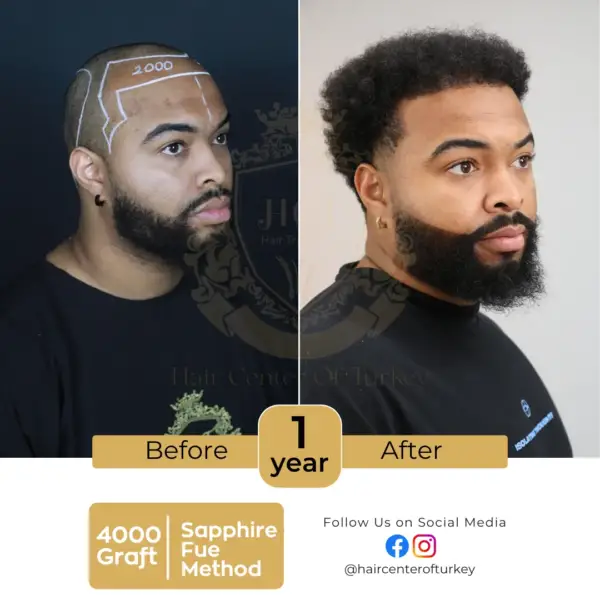
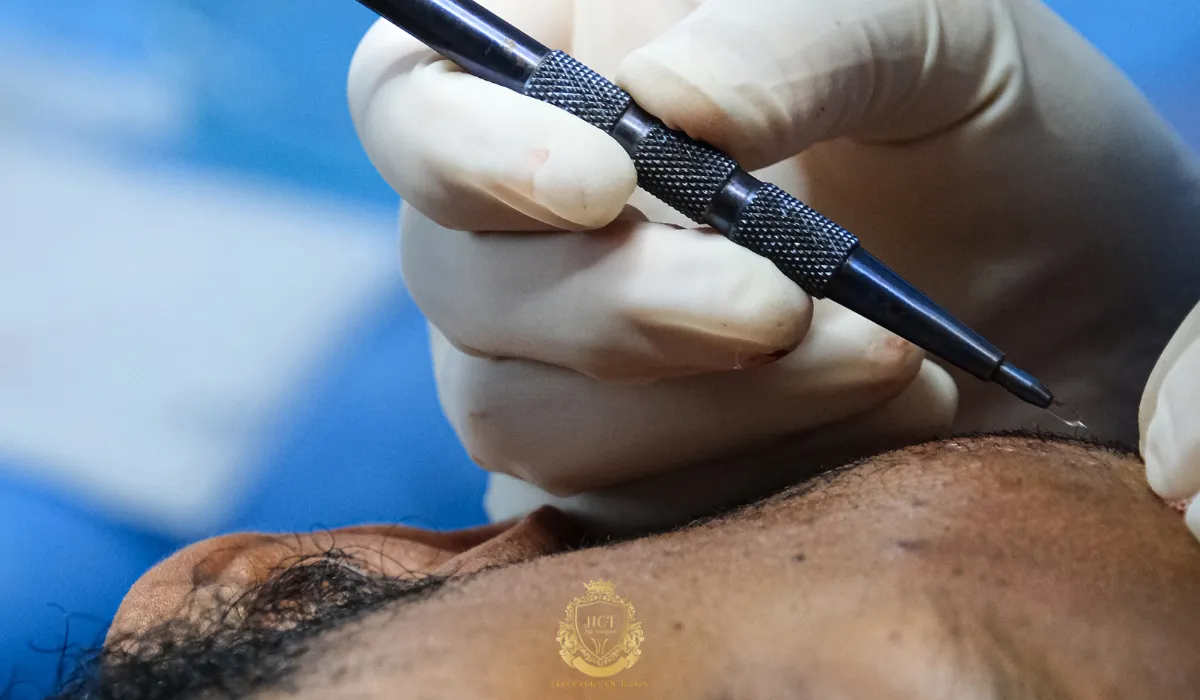
Most reputable Spanish clinics work with FUE (Follicular Unit Extraction), where follicular units are removed one by one from the donor area and implanted into thinning areas. Many centers also offer variants like Sapphire FUE, which uses sapphire blades for channel creation and can help with precision.
DHI (Direct Hair Implantation) is also common. It places grafts using an implanter pen, which can be helpful for targeted density and tighter control over angle and direction in experienced hands.
FUT (strip surgery) is less frequently promoted today, but it may still be available in select practices for specific cases. A good clinic will explain why a technique fits your pattern of hair loss instead of selling a one-size approach.

Why Choose Spain For A Hair Transplant?
Spain is a convenient option for patients who want treatment within the European Union, with easier travel and the ability to attend follow-up visits if needed. Major cities have well-established private healthcare networks and dedicated hair restoration centers.
The main advantage is not just the technique. The biggest difference comes from medical leadership, careful graft handling, and a structured aftercare plan that matches your scalp type and long-term hair loss pattern.
How To Choose A Clinic In Spain
Start by confirming who performs the key steps of the surgery. In high-quality clinics, the surgical plan and critical parts of the procedure are led by a licensed doctor with proven experience in hair restoration, not only technicians.
Ask for a clear graft estimate, the planned hairline design, and what happens if your native hair continues to thin. A responsible team will discuss realistic density, donor limitations, and whether medical therapy is recommended alongside surgery.
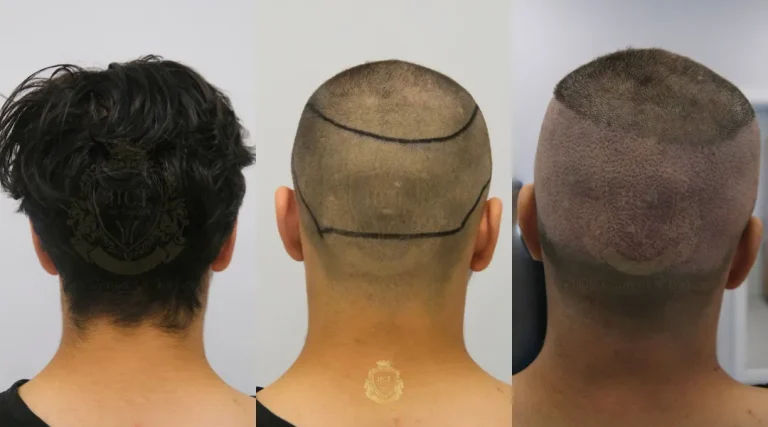
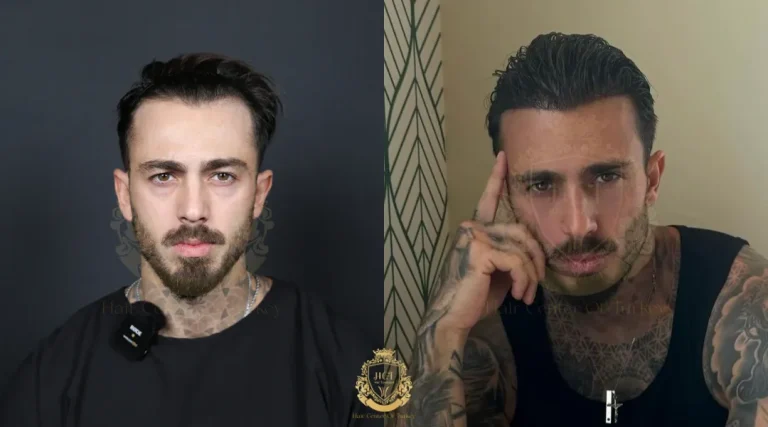
Look for transparent before-and-after cases from real patients, hygiene standards in the operating room, and a follow-up schedule that extends beyond the first wash. Written pricing, post-op support, and easy access to the clinic during recovery matter as much as the operation itself.
Cost Of Hair Transplants In Spain
Hair transplant pricing in Spain usually depends on the number of grafts, the technique used, and the clinic’s medical team and location. As a broad reference, many patients see quotes in the €3,000–€8,000 range, with DHI and large sessions often priced higher than standard FUE.
Some clinics price by packages, while others quote per graft. Make sure your quote states what’s included, such as pre-op tests, anesthesia, post-op washes, medications, and follow-up visits.

Top Hair Transplant Clinics In Spain
These clinics are commonly mentioned by patients researching hair restoration in Spain. Always confirm the surgeon, the exact technique offered at your chosen location, and what the package includes before booking.
Hair Center of Turkey (Istanbul, Turkey)
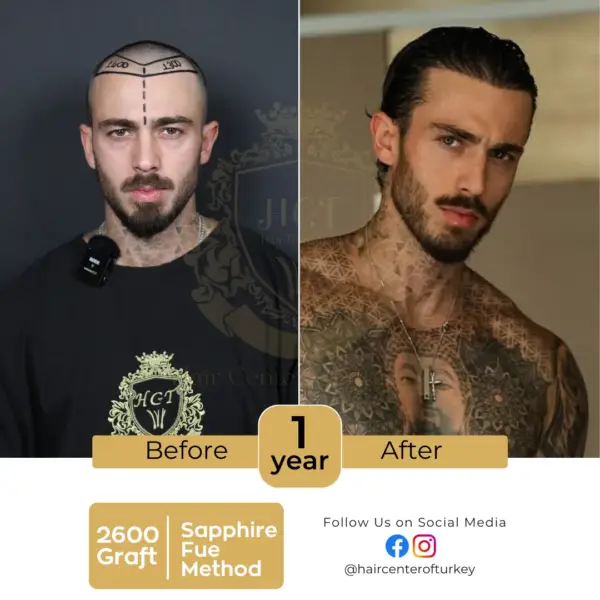
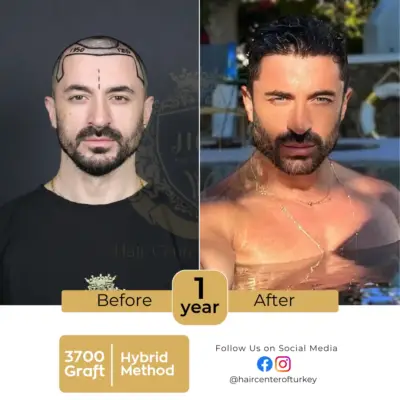
Hair Center of Turkey is frequently compared by Spanish and international patients due to its experience with FUE and DHI techniques, surgeon-led planning, and comprehensive medical travel packages that include accommodation and aftercare.
Lygos Clinic (Istanbul, Turkey)
Lygos Clinic attracts patients seeking personalized hairline design and medically supervised procedures. It is often considered by those comparing treatment quality, surgeon involvement, and long-term follow-up outside Spain.
Insparya (Madrid, Marbella, Valencia)
Insparya operates multiple clinics in Spain and focuses on FUE-based hair transplantation alongside broader hair health programs. It is a well-known option for patients comparing multi-location providers and structured follow-up.
Capilclinic (Madrid, Barcelona)
Capilclinic positions itself as a specialist provider in Spain with clinics in Madrid and Barcelona. It promotes Sapphire FUE-style approaches and emphasizes medical follow-up during the regrowth phase.
Hospital Capilar (Madrid)
Hospital Capilar is a dedicated hair-focused center in Madrid. Patients often consider it when they prefer a single-location clinic with facilities centered on hair restoration and related scalp treatments.
Clínica Ceta (Leganés, Madrid Area)
Clínica Ceta combines dermatology and trichology services with surgical hair restoration. This can be helpful for patients who want medical evaluation of scalp and hair loss causes alongside transplant planning.
Dr. Pelo Clinics (Multiple Cities)
Dr. Pelo Clinics operates across several Spanish cities and offers consultations and hair restoration procedures through its network. Availability can vary by location, so confirm where the surgery is performed and who will be in the operating room.
Hair Transplant Recovery Timeline In Spain
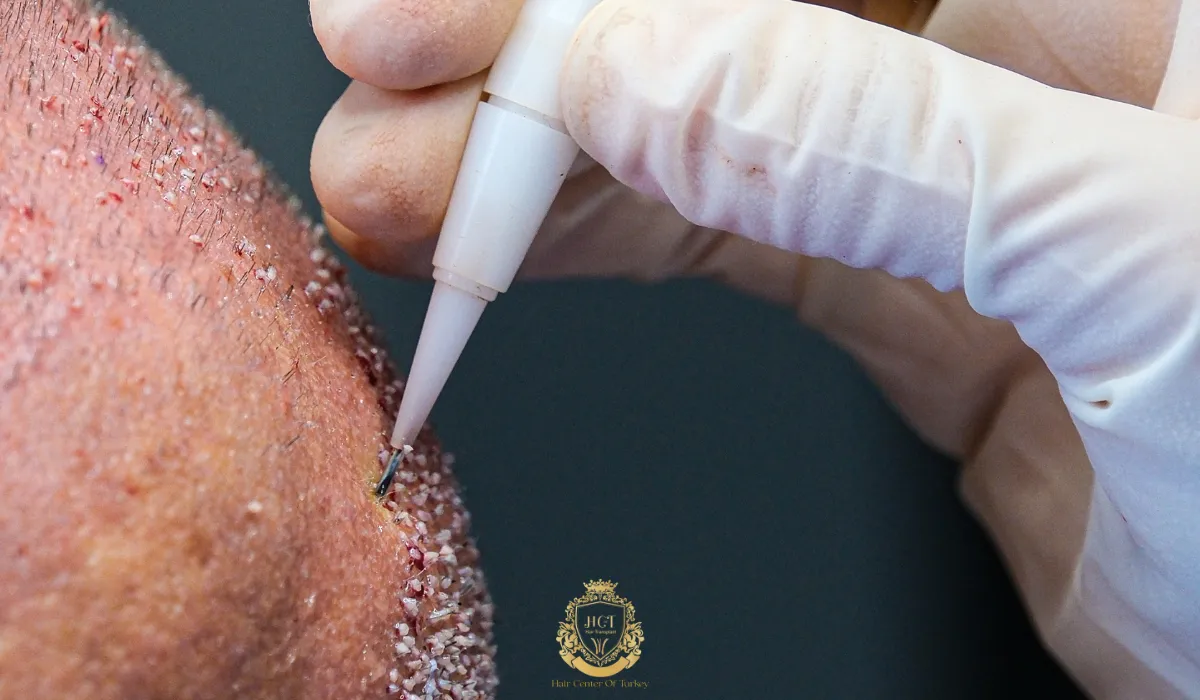
Most people return to desk work within about a week, although swelling and redness are common in the first few days. Small scabs typically form around implanted grafts and gradually shed as the scalp heals.
Temporary shedding of transplanted hairs is expected in the first weeks. New growth usually becomes noticeable from month three or four, with the final result commonly assessed around months nine to twelve.
Expected Results And What A “Success Rate” Really Means
Clinics often describe hair transplants as having high graft survival when the procedure is done properly and aftercare is followed. Real outcomes still vary based on donor quality, degree of hair loss, smoking status, scalp conditions, and the way grafts are handled outside the body.
A trustworthy clinic will focus on measurable planning: realistic density, natural hairline design, and a long-term strategy for native hair. If a clinic guarantees a perfect result without evaluating your donor area and progression risk, treat that as a red flag.
FAQs about Hair Transplants in Spain
How much does it cost to get a hair transplant in Spain?
Most clinics charge about €2,500–€7,000, depending on graft count and technique.
What is the safest country to get a hair transplant?
No single country; safest is an accredited clinic with a licensed surgeon.
How much is hair transplant surgery in Spain?
Most clinics charge about €2,500–€7,000, depending on graft count and technique.
Which country is the cheapest for hair transplants?
Turkey is typically the cheapest reputable option, often €1,800–€3,500 for FUE packages.
Is hair transplant better in the UK or abroad?
UK offers tighter oversight and follow-up; abroad can be cheaper with comparable surgeons.
Explore the complete guide: International Hair Transplant Locations