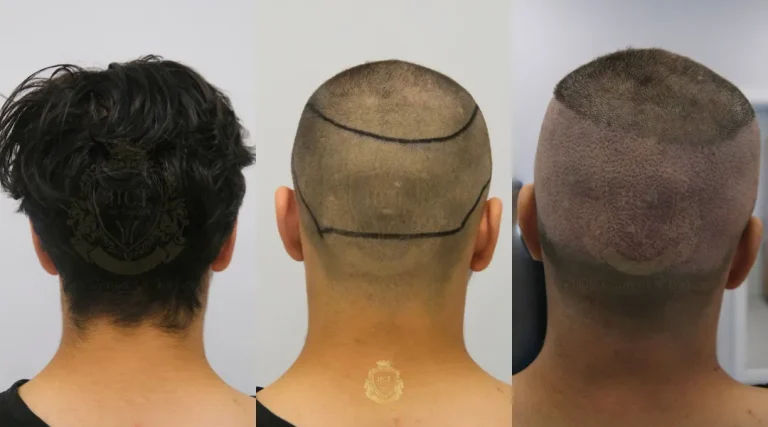



Hair Transplant Destinations Around The World
Hair transplants can be performed safely in many countries, but results depend more on clinic standards than location. Look for surgeon-led planning, transparent graft counts, modern FUE/DHI techniques, strong hygiene protocols, and structured aftercare. Pricing varies widely, so compare what’s included (tests, medications, hotel, transfers) before choosing.
Table of Contents
Why Hair Loss Feels Like A Bigger Deal Than “Just Hair”
Seeing extra hair on your pillow or in the shower drain can be unsettling. For many people—especially men—thinning starts gradually and then suddenly feels impossible to ignore. The emotional side is real: hair loss can change how you see yourself in photos, at work, and in social settings.
Before jumping to surgery, it’s worth checking the basics. Stress, nutrition, thyroid issues, iron deficiency, postpartum changes, and certain medications can all affect shedding. If hair fall is new, patchy, or aggressive, a medical evaluation can save time and prevent unnecessary procedures.

When A Hair Transplant Makes Sense
A hair transplant can be a strong option when hair loss is stable and the donor area is healthy. Most surgical plans work best for pattern hair loss (androgenetic alopecia) where follicles at the back and sides remain strong. The goal is not perfection—it’s natural-looking density that fits your face, hair type, and long-term hair loss pattern.
Good clinics will be honest about limits. If the donor area is weak, or if hair loss is still progressing rapidly, you may need medical treatment first or a more conservative design.
What Actually Determines “Quality” In Hair Transplant Results
Country matters less than the clinic’s process. When you compare destinations, focus on factors that directly affect outcomes:
Surgeon Involvement And Planning
A strong clinic starts with a proper assessment (hairline design, donor capacity, graft estimate, and realistic expectations). Ask who designs the hairline, who extracts grafts, and who implants them.
Technique Fit, Not Trend
FUE, Sapphire FUE, and DHI can all deliver natural results when used correctly. Sapphire blades are commonly used to create fine recipient sites, while DHI uses an implanter pen approach for placement. What matters is technique selection based on your hair characteristics—not whatever is being marketed most aggressively.
Graft Handling And Team Consistency
Graft survival depends on careful extraction, minimal time outside the body, and proper storage. A clinic that runs a high-volume “production line” can struggle with consistency, so ask how many patients are treated per day and how the medical team is assigned.
Aftercare And Follow-Up
The transplant day is only the beginning. Clear wash instructions, swelling management, medication guidance, and a structured follow-up plan are major quality signals—especially if you’re traveling.
Typical Hair Transplant Pricing By Country
Hair transplant pricing is often quoted in one of two ways: per graft or package pricing (which may include hotel, transfers, and medications). Costs vary by technique, graft number, clinic reputation, and surgeon involvement.
Below are common ranges you’ll see quoted publicly—always confirm what’s included and whether the quote is per graft or an all-in package.
| Country | Typical Pricing Style | Common Range (Public Quotes) |
| Turkey | Often package-based | Many clinics quote a few thousand USD per procedure; per-graft quotes also exist |
| USA | Often per graft | Often several euros/dollars per graft; totals can reach five figures |
| UK | Often per graft or package | Typically high compared to medical tourism destinations (often five figures for larger sessions) |
| Poland / Hungary | Package or per graft | Often positioned as mid-range within Europe (varies by clinic) |
| Thailand | Package-based for many clinics | Often lower than Western markets; varies by surgeon and location |
| Germany | Clinic-based pricing | Often higher within Europe; varies widely by city and provider |
| Mexico | Often package-based | Frequently chosen by North American travelers; pricing varies by region |
| India / Malaysia | Package-based in many clinics | Often priced below Western markets, with wide variance by provider |
If you’re comparing offers, don’t compare price alone. Compare who performs each step, how many grafts are planned, what medications are included, and what happens if you need support after you return home.
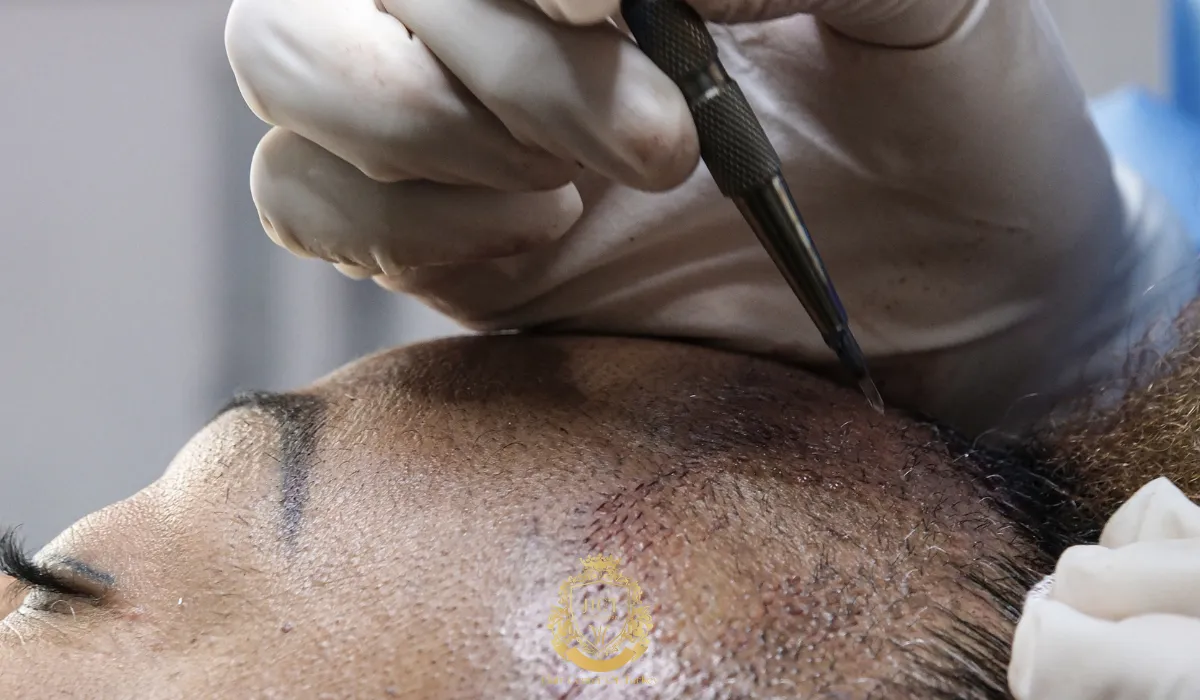
Why Istanbul And Turkey Stay On The Shortlist For Many Patients
Turkey remains one of the most searched destinations for hair restoration, especially Istanbul. Patients often cite the combination of experienced teams, established medical tourism infrastructure, and packaged logistics (hotel and transfers) as reasons it feels manageable.
That said, popularity creates mixed quality. The same city can include excellent boutique clinics and high-volume operations where patient time is limited. Your outcome depends on choosing carefully.
Choosing A Clinic When You’re Traveling
Use this checklist when you shortlist clinics:
- Clear medical accountability: Who is the responsible doctor for your case?
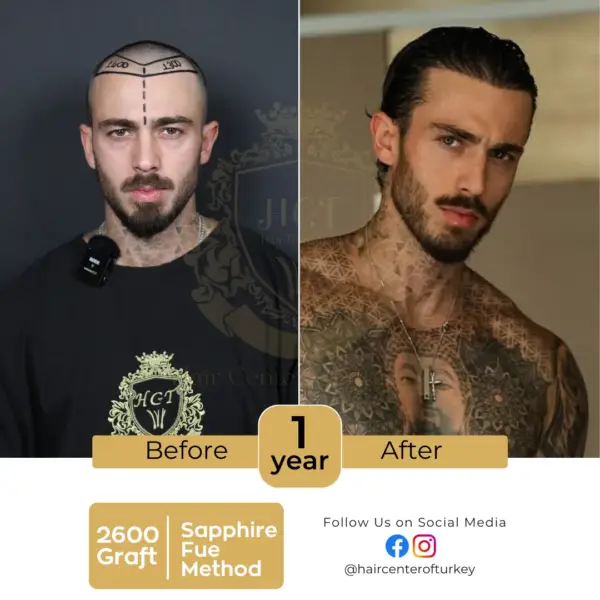
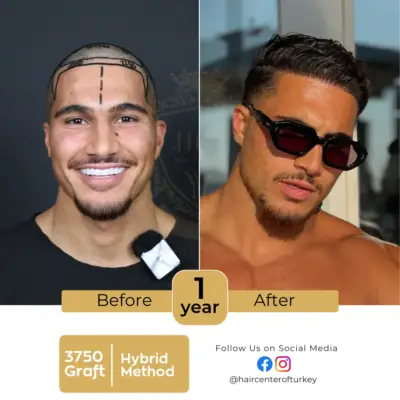
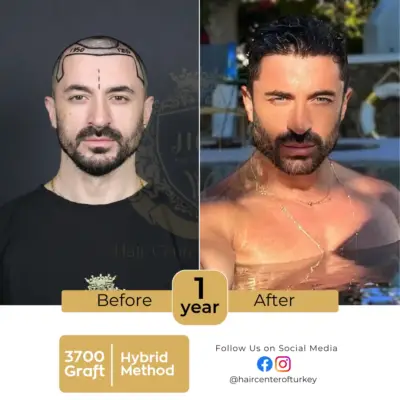
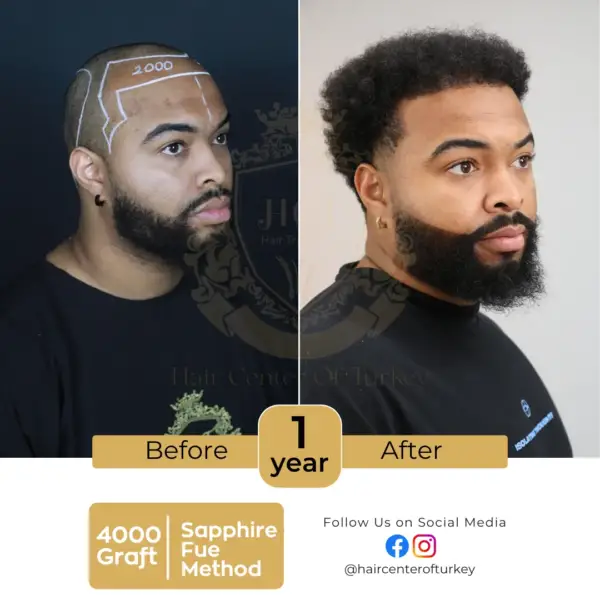
- Before/after photos with similar hair type: Look for consistent angles and lighting.
- One-plan approach: Hairline design and graft count should be explained in plain language.
- Hygiene and licensing: Clinic environment should look clinical, not cosmetic-only.
- Aftercare protocol: Written instructions, scheduled follow-ups, and accessible support.
- No extreme promises: Avoid clinics using “guarantees” or unrealistic density claims.
A trustworthy clinic will welcome questions and give direct answers. If communication feels rushed or scripted, take that as data.
FAQs
What is the most effective hair transplant?
Skilled-surgeon FUE or FUT is most effective for lasting results.
Where is the best place to do hair transplant in the world?
Accredited clinic with experienced hair-restoration surgeon is best, regardless of country.
Is there a single “number one” country for hair transplant?
No, outcomes depend on clinic and surgeon, not the country.
Is Turkey still one of the most budget-friendly options in 2026?
Yes, Turkey stays budget-friendly in 2026 versus US/UK, but varies widely.
What makes a “VIP” or boutique clinic experience different?
VIP/boutique clinics mean low volume, surgeon-led care, privacy, premium aftercare.
Explore the complete guide: Clinic Selection and Reviews