





Why Am I Losing So Much Hair?
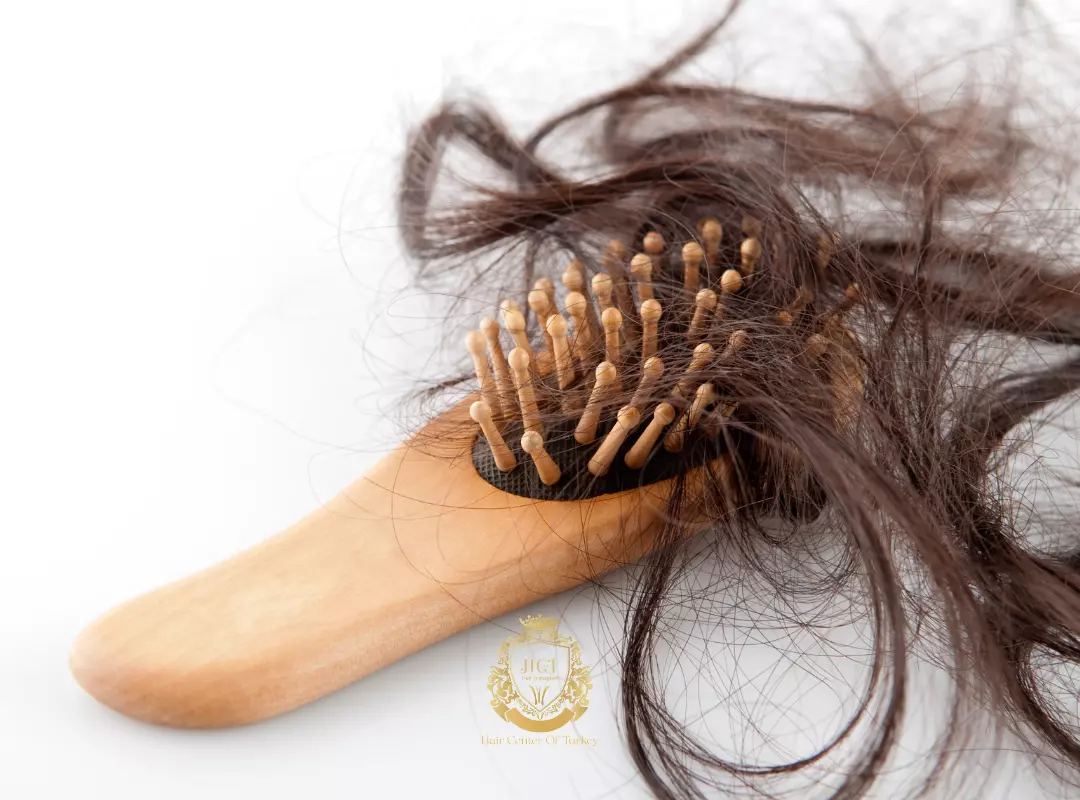
Losing up to 100 hairs per day is normal, but excessive or prolonged shedding often signals an underlying cause.
Hair loss can result from genetics, hormonal changes, nutritional deficiencies, stress, or medical conditions. Identifying the reason early helps guide the right treatment and prevent further thinning.
Table of Contents
Is Hair Loss Always a Problem?
Hair naturally goes through growth and shedding cycles. Daily hair fall is part of this process and does not usually indicate disease.
Concern arises when shedding becomes noticeably heavier, lasts for several months, or is accompanied by visible thinning, bald patches, or changes in hair texture. In these cases, professional evaluation is recommended.
Common Causes of Excessive Hair Loss
Hair loss can affect both men and women, though causes and patterns often differ.
Genetic Hair Loss
Androgenetic alopecia is the most common cause of hair loss. In men, it typically starts with temple recession or crown thinning. In women, it presents as diffuse thinning rather than bald patches.
Hormonal Changes
Hormonal shifts after childbirth, during menopause, or due to thyroid disorders can disrupt the hair cycle. Once hormone levels stabilize, regrowth often occurs.
Nutritional Deficiencies
Lack of iron, zinc, biotin, vitamin B12, or vitamin D can weaken hair growth. Deficiencies should be confirmed with blood tests before supplementation.
Stress And Illness
Physical or emotional stress may trigger telogen effluvium, a condition where large numbers of hairs enter the resting phase simultaneously. Shedding usually begins weeks after the trigger and is often temporary.
Medications And Medical Conditions
Certain medications and chronic conditions can contribute to hair loss. A medical review helps determine whether treatment adjustments are needed.
Hair And Scalp Care Habits
Frequent heat styling, harsh products, inadequate rinsing, or aggressive brushing can worsen breakage and shedding, especially in already fragile hair.
Hair Loss In Children
Hair loss in children is not normal and should always be evaluated. One common cause is alopecia areata, an autoimmune condition that leads to coin-shaped bald patches.
It is not contagious. Early diagnosis improves management and reduces the risk of progression.
Different Types of Hair Loss
Several forms of hair loss exist, each with different causes and treatments:
Male and female pattern hair loss
Alopecia areata
Hair loss related to thyroid disease
Vitamin deficiency–related hair loss
Stress-induced telogen effluvium
Accurate diagnosis is essential, as treatment varies depending on the type.
What Can Help Reduce Hair Loss?
Treatment starts with identifying the cause. A dermatologist can assess scalp health, order tests if needed, and recommend appropriate options.
Supportive care may include:
Correcting nutritional deficiencies
Managing stress and underlying medical conditions
Using gentle, hair-type-appropriate products
Reducing heat and mechanical damage
Hair care products may support hair quality, but they do not replace medical treatment when an underlying cause exists.
When To See A Specialist
If hair loss lasts longer than two to three months, worsens rapidly, or causes visible thinning, professional evaluation is important. Early intervention improves outcomes and may prevent permanent loss.
Frequently Asked Questions
How to know if hair loss is serious?
It’s serious if shedding is sudden, patchy, or paired with scalp symptoms or illness.
How can I stop my falling hair?
Stop hair fall by addressing the cause: nutrition, stress control, gentle care, and treatment.
Is losing 700 hairs a day normal?
No, 700 hairs daily is excessive; see a clinician if it lasts weeks.
Which food stops hair fall?
No single food stops shedding; prioritize protein, iron, zinc, omega-3s, and vitamin D.
What does stress hair loss look like?
Stress hair loss often causes diffuse thinning and heavy shedding two to three months later.
How often should you wash your hair?
Wash as needed: oily scalps daily or every other day; dry/curly hair weekly.