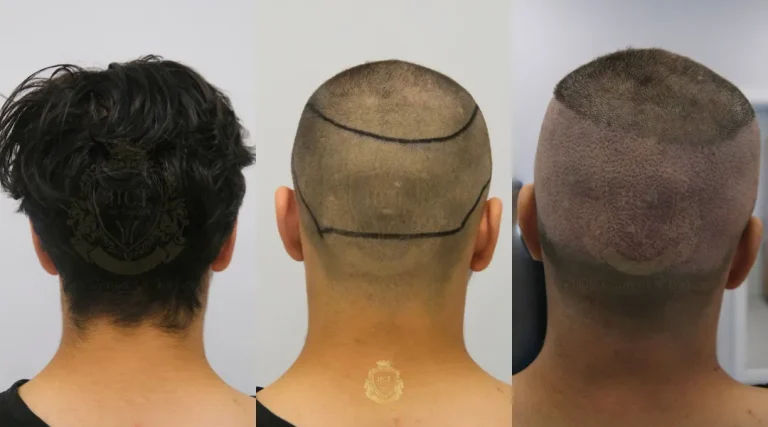


At Hair Center of Turkey, an Istanbul hair transplant clinic, our specialists have been helping international patients restore their hair since 2014 through advanced hair transplant procedures and comprehensive hair health treatments. With more than 3,000 hair transplant operations performed each year, our medical team—including Dermatologist Dr. Rasime Erkan—frequently advises patients on the role of nutrition and supplements such as omega-3 fatty acids in supporting healthy hair growth.
The short answer is that omega-3 fatty acids may support healthier hair by reducing inflammation, maintaining scalp health, and helping create an environment for stronger hair growth. However, omega-3 supplements alone cannot reverse genetic hair loss or replace clinically proven treatments. In this guide, Hair Center of Turkey experts explain the benefits of omega-3 for hair growth, the recommended dosage, the best food sources, potential side effects, and when supplementation may be worth considering as part of a complete hair restoration plan.
- Omega-3s (EPA, DHA and plant-based ALA) support hair indirectly by calming scalp inflammation and helping the skin barrier hold moisture.
- They can reduce shedding when hair loss is tied to irritation, stress, or nutrient gaps — but they won’t reverse genetic hair loss like androgenetic alopecia.
- Best sources: oily fish (salmon, mackerel, sardines), plus flaxseed, chia, and walnuts; algae oil is a good non-fish option.
- Typical supplement use is 1,000–2,000 mg/day — check the label for actual EPA and DHA amounts.
- Results are gradual: expect 3–6 months of consistent intake before visible changes.
Table of Contents
Omega-3 Benefits For Hair Growth
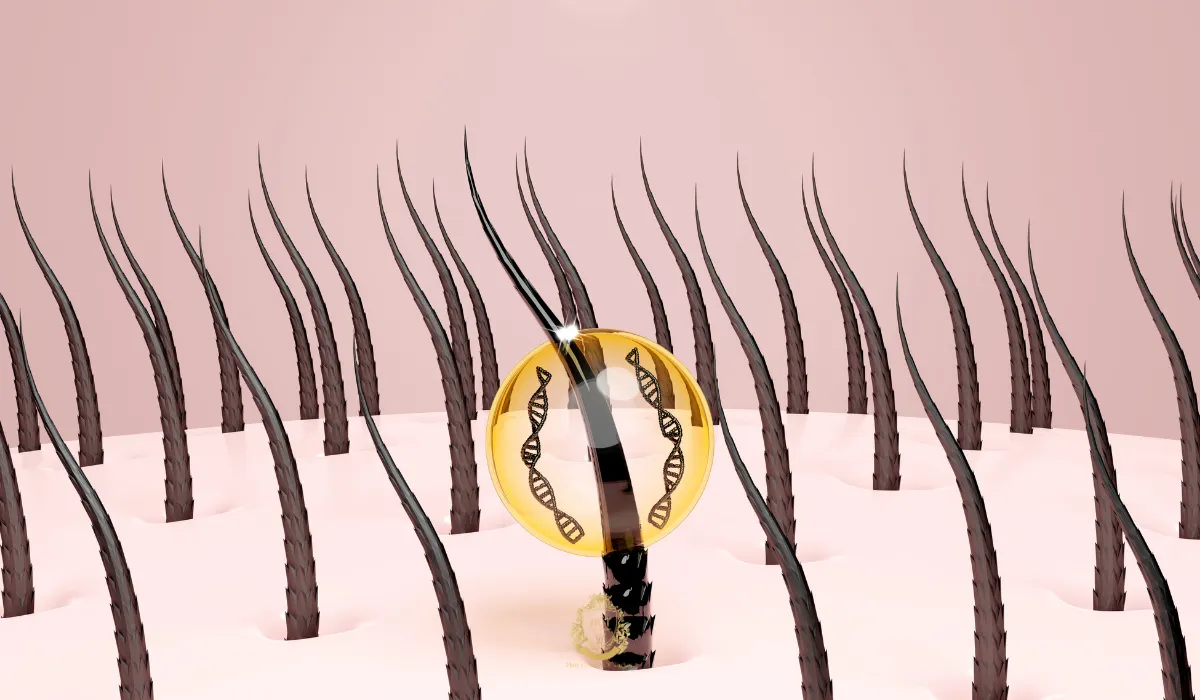
Omega-3 fatty acids support scalp and follicle health by helping manage inflammation and maintaining the skin’s natural barrier. They may improve hair softness and shine and can help reduce shedding when hair loss is linked to irritation, stress, or nutrient gaps. Results are gradual, so consistency with diet (or supplements when needed) matters.
Why Omega-3 Matters For Hair And Scalp Health
Omega-3 fatty acids are essential fats your body can’t make on its own. They play a key role in skin barrier function, inflammation control, and overall cell health—factors that directly affect the scalp environment where hair grows.
Most research focuses on EPA and DHA (commonly found in oily fish) and ALA (found in plant foods). ALA can convert to EPA and DHA, but the conversion is limited for many people, so food choices (or algae-based options) can matter if you avoid fish.
How Omega-3 Can Support Hair Growth
1) Strengthens Hair Follicles
Omega-3s support healthy circulation and help deliver nutrients to the scalp. When follicles are well-nourished, hair can look stronger, shinier, and less prone to breakage.
2) Helps Calm Scalp Inflammation
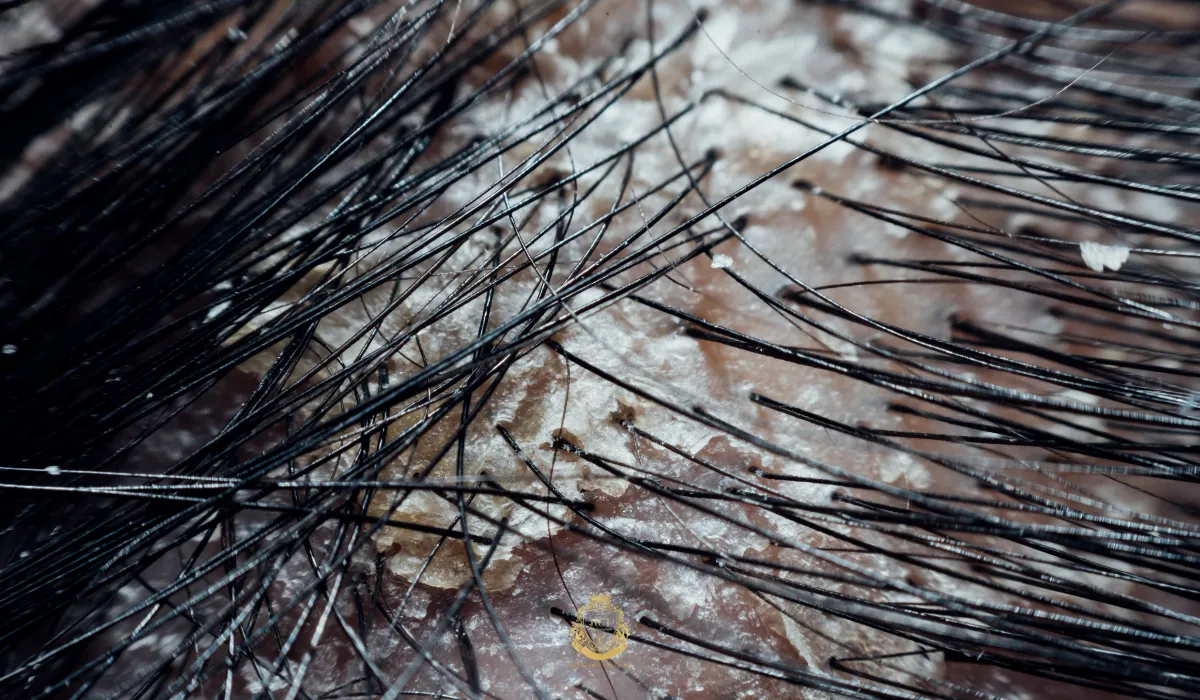
Scalp irritation and inflammation are linked to flaking, itchiness, and sometimes increased shedding. Omega-3s have anti-inflammatory properties that may help soothe the scalp and support conditions such as dandruff or seborrheic dermatitis alongside proper treatment.
3) Supports Hydration And Reduces Dryness
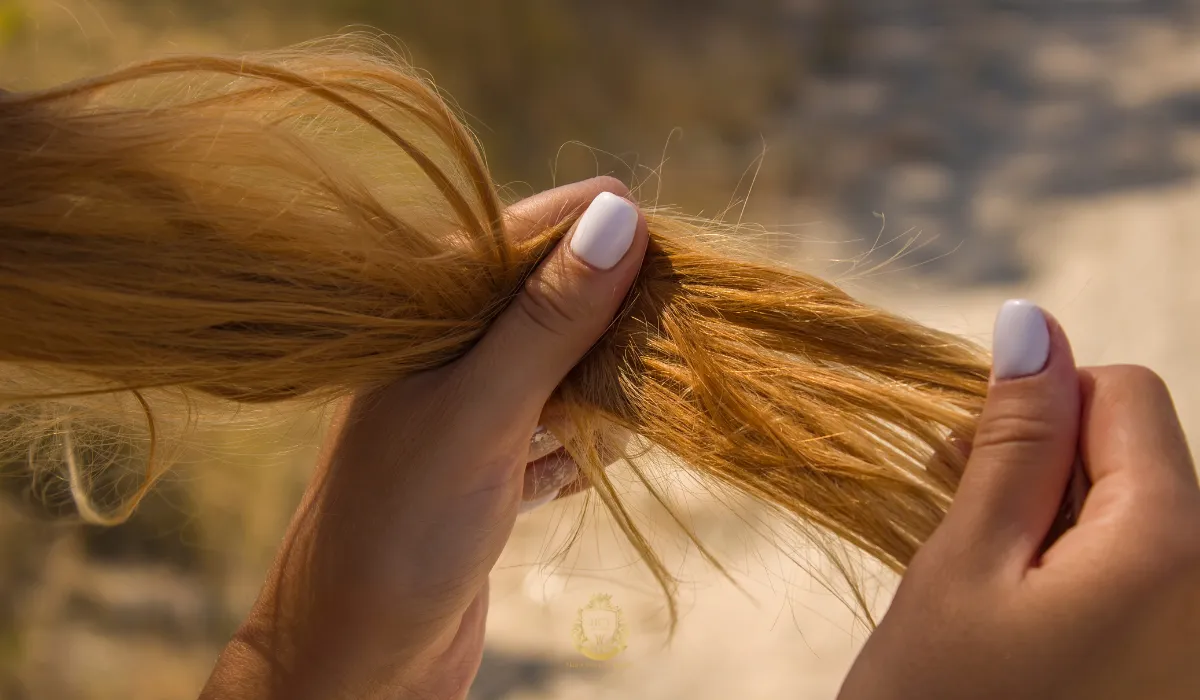
Dry, brittle strands are often a sign the scalp barrier isn’t holding moisture well. Omega-3s can support the scalp’s natural oil balance, which may improve softness, manageability, and frizz over time.
4) May Reduce Hair Shedding In Some Cases
Some people report less shedding after improving omega-3 intake, especially when hair loss is tied to stress, inflammation, or nutrient deficiencies (such as telogen effluvium). If shedding is sudden, severe, or patchy, it’s worth checking for common triggers like iron deficiency, thyroid issues, or hormonal changes.
Best Sources Of Omega-3 For Hair Growth
1) Fatty Fish
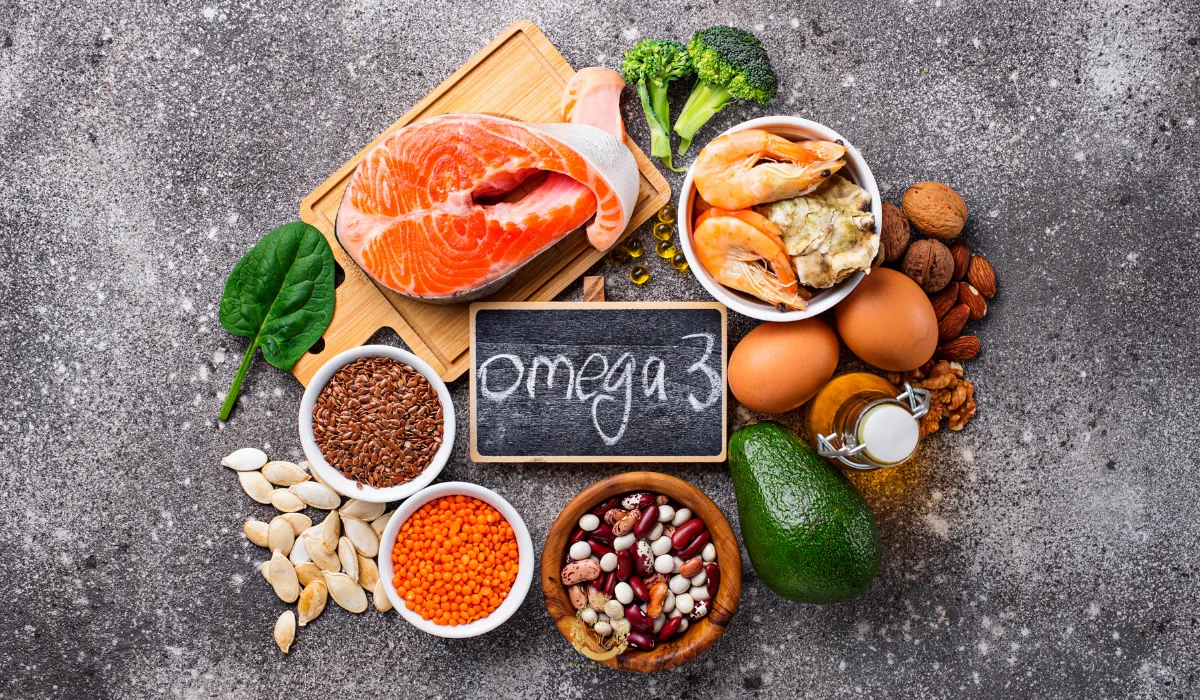
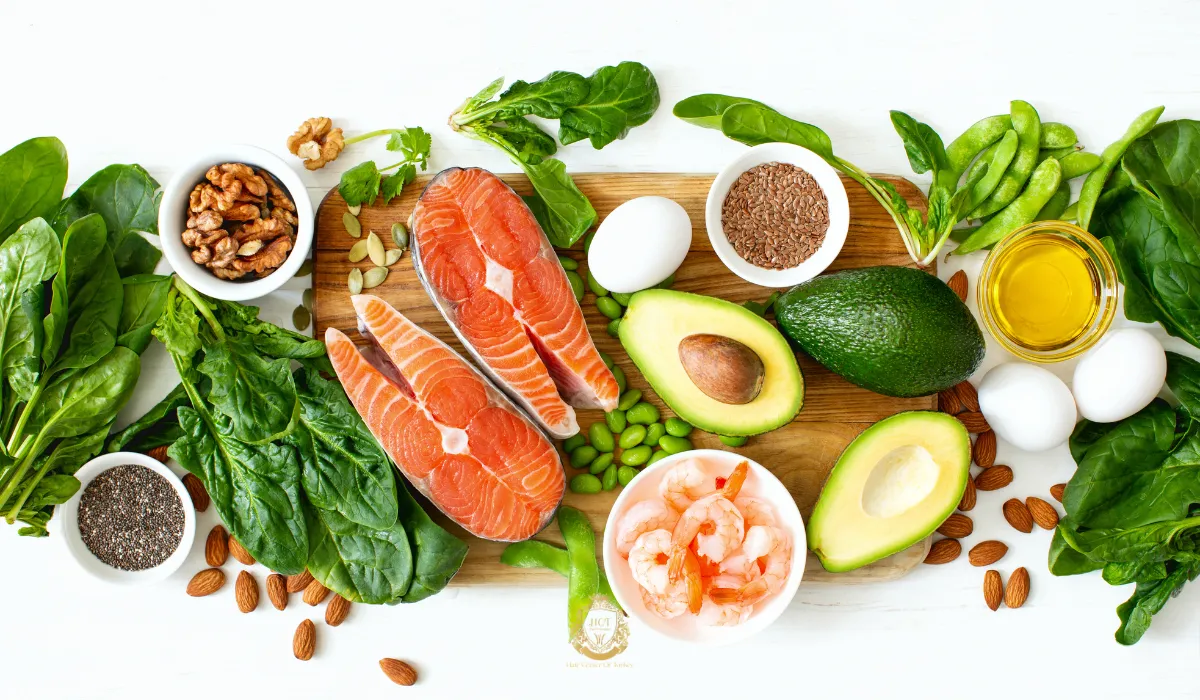
Salmon, mackerel, sardines, herring, and anchovies are rich in EPA and DHA. These forms are the most directly used by the body and are the ones most often studied for anti-inflammatory benefits.
2) Plant-Based Sources
Flaxseeds, chia seeds, walnuts, and hemp seeds provide ALA, a plant-based omega-3. Grinding flaxseed can improve absorption, and pairing these foods with an overall balanced diet helps support hair from the inside out.
3) Omega-3 Supplements
If you don’t eat omega-3-rich foods regularly, supplements can be a practical option. Fish oil typically provides EPA and DHA, while algae oil is a good alternative for vegetarians or anyone who prefers a non-fish source.
How To Use Omega-3 For Hair Growth
- Dietary intake: Aim to include omega-3-rich foods 2–3 times per week, especially oily fish if you eat it.
- Supplements: Many people use 1,000–2,000 mg of omega-3 per day, but needs vary. Check the label for EPA and DHA amounts and follow a clinician’s advice if you take medication or have a medical condition.
- Scalp massage: You can mix a few drops of omega-3 oil with coconut or olive oil and massage it into the scalp. Leave it on for up to an hour before washing, and discontinue if irritation occurs.
Potential Side Effects And Precautions
High omega-3 intake may cause digestive upset (such as nausea, reflux, or loose stools). Omega-3s can also affect blood clotting at higher doses, so speak with a healthcare professional if you take blood thinners, have a bleeding disorder, or have surgery planned.
If you have a seafood allergy, choose plant-based foods or algae oil and consult a clinician before supplementing. When in doubt, start with food sources first and build up gradually.
How Much Omega-3 Do You Need for Hair?
There’s no official omega-3 dose set just for hair, because the research on that specific link is still limited. What we do have are well-established intake targets for EPA and DHA — the two omega-3s your body actually puts to work — and most hair-focused routines build on top of those.
EPA and DHA: the ratio that matters
Fish oil delivers omega-3 mainly as EPA and DHA. Plant sources like flaxseed and chia give you ALA instead, which your body converts to EPA and DHA at a low rate — often under 10 percent. So if you rely on plants alone, you need a higher intake to reach the same levels. Most fish oil capsules sit around a 3:2 EPA-to-DHA ratio, which is fine for general use.
How much per day
For general health, major nutrition bodies suggest roughly 250–500 mg of combined EPA and DHA a day — about two servings of oily fish per week. People supplementing for inflammation or hair often go higher, commonly 1,000–2,000 mg of combined EPA and DHA daily. Pushing well past that on your own adds no extra benefit for hair and only raises the risk of side effects.
Food first, then supplements
- Oily fish — salmon, mackerel, sardines, anchovies — is the most absorbable source; two to three servings a week covers most people.
- Fish oil or algae capsules help if you don’t eat fish. Algae oil is a solid vegan source of EPA and DHA.
- Flaxseed, chia and walnuts provide ALA only, so use them as support rather than your main source.
Who should be careful
Omega-3 thins the blood a little. If you take blood thinners such as warfarin, are pregnant, have a fish or shellfish allergy, or have surgery coming up, check with your doctor before starting a supplement. And give it time — hair responds to nutrition slowly, so wait at least three to four months before judging any change.
Omega-3 and Different Types of Hair Loss
Hair loss isn’t a single condition, and omega-3 doesn’t behave the same way across all of them. Here’s where it can realistically help and where it can’t.
Androgenetic Alopecia (Pattern Hair Loss)
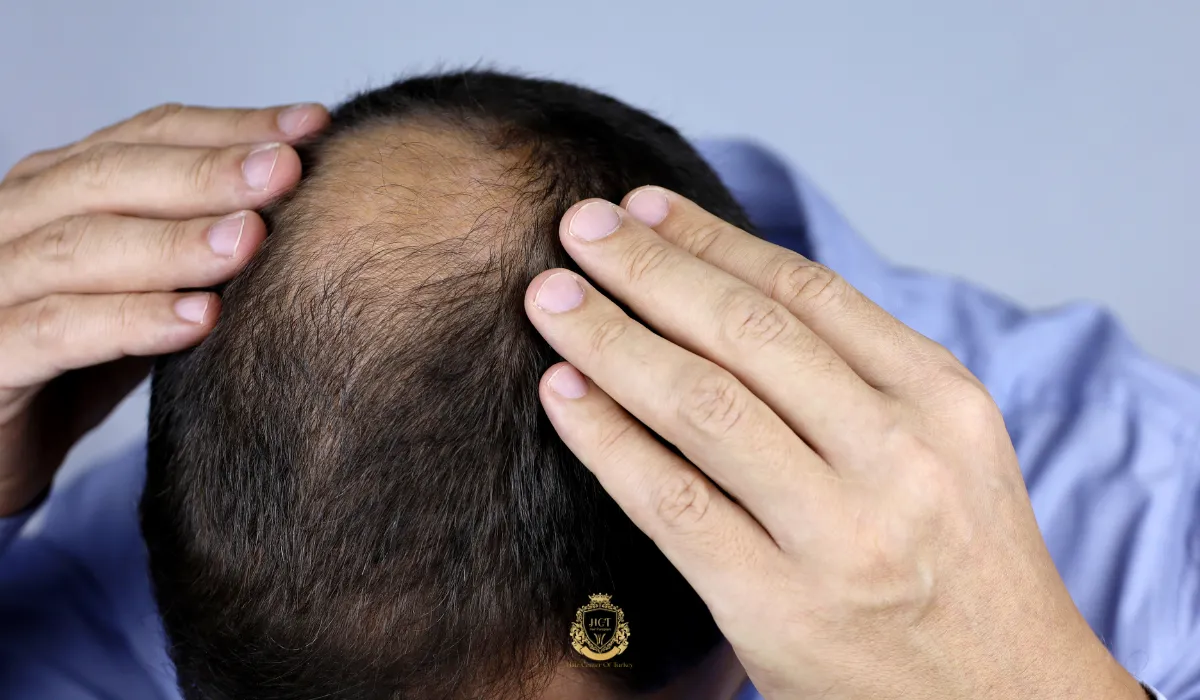
Pattern hair loss is driven by genetics and the hormone DHT, which slowly shrinks sensitive follicles over the years. Omega-3 is not a DHT blocker, so it won’t reverse this process on its own. What it can do is support scalp health and ease the low-grade inflammation that often comes with thinning. Treat it as a supporting role: the treatments with real evidence here are minoxidil, finasteride, or a hair transplant, not fish oil.
Telogen Effluvium (Stress- and Illness-Related Shedding)
Telogen effluvium is temporary shedding that happens when a shock such as high stress, illness, surgery, crash dieting, or a clear nutrient gap pushes a large share of follicles into the resting phase at once. It usually settles within a few months once the trigger is gone. Because omega-3 supports the nutritional and anti-inflammatory side of recovery, it can be a sensible part of getting back on track, but the priority is fixing the underlying cause.
Postpartum Hair Loss
Postpartum shedding is a specific form of telogen effluvium caused by the hormonal drop after childbirth. It typically peaks around three to four months after delivery and resolves on its own within six to twelve months. Omega-3 won’t stop the hormonal cycle, but it helps cover the higher nutritional demands of this period, especially while breastfeeding. If shedding is still heavy after a year, it’s worth ruling out other causes such as low iron or thyroid issues.
Omega-3 and Different Types of Hair Loss
Hair loss isn’t a single condition, and omega-3 doesn’t behave the same way across all of them. Here’s where it can realistically help and where it can’t.
Androgenetic Alopecia (Pattern Hair Loss)
Pattern hair loss is driven by genetics and the hormone DHT, which slowly shrinks sensitive follicles over the years. Omega-3 is not a DHT blocker, so it won’t reverse this process on its own. What it can do is support scalp health and ease the low-grade inflammation that often comes with thinning. Treat it as a supporting role: the treatments with real evidence here are minoxidil, finasteride, or a hair transplant, not fish oil.
Telogen Effluvium (Stress- and Illness-Related Shedding)
Telogen effluvium is temporary shedding that happens when a shock such as high stress, illness, surgery, crash dieting, or a clear nutrient gap pushes a large share of follicles into the resting phase at once. It usually settles within a few months once the trigger is gone. Because omega-3 supports the nutritional and anti-inflammatory side of recovery, it can be a sensible part of getting back on track, but the priority is fixing the underlying cause.
Postpartum Hair Loss
Postpartum shedding is a specific form of telogen effluvium caused by the hormonal drop after childbirth. It typically peaks around three to four months after delivery and resolves on its own within six to twelve months. Omega-3 won’t stop the hormonal cycle, but it helps cover the higher nutritional demands of this period, especially while breastfeeding. If shedding is still heavy after a year, it’s worth ruling out other causes such as low iron or thyroid issues.
FAQ
How long does it take to see results?
Visible changes often take 3–6 months because hair grows slowly. Consistent intake and addressing other factors (sleep, stress, iron, thyroid health, and styling damage) usually makes the biggest difference.
Can omega-3 stop hair loss?
Omega-3 may help when shedding is related to inflammation, irritation, or nutritional gaps. It won’t reverse genetic hair loss on its own, and conditions like androgenetic alopecia often need targeted treatments.
Is omega-3 better than biotin for hair?
They work differently. Biotin supports hair structure when you’re deficient, while omega-3s support scalp health and inflammation balance. If your diet is already strong, combining them may help, but more isn’t always better—focus on the root cause of shedding.
Explore the complete guide: Hair Care and Products