





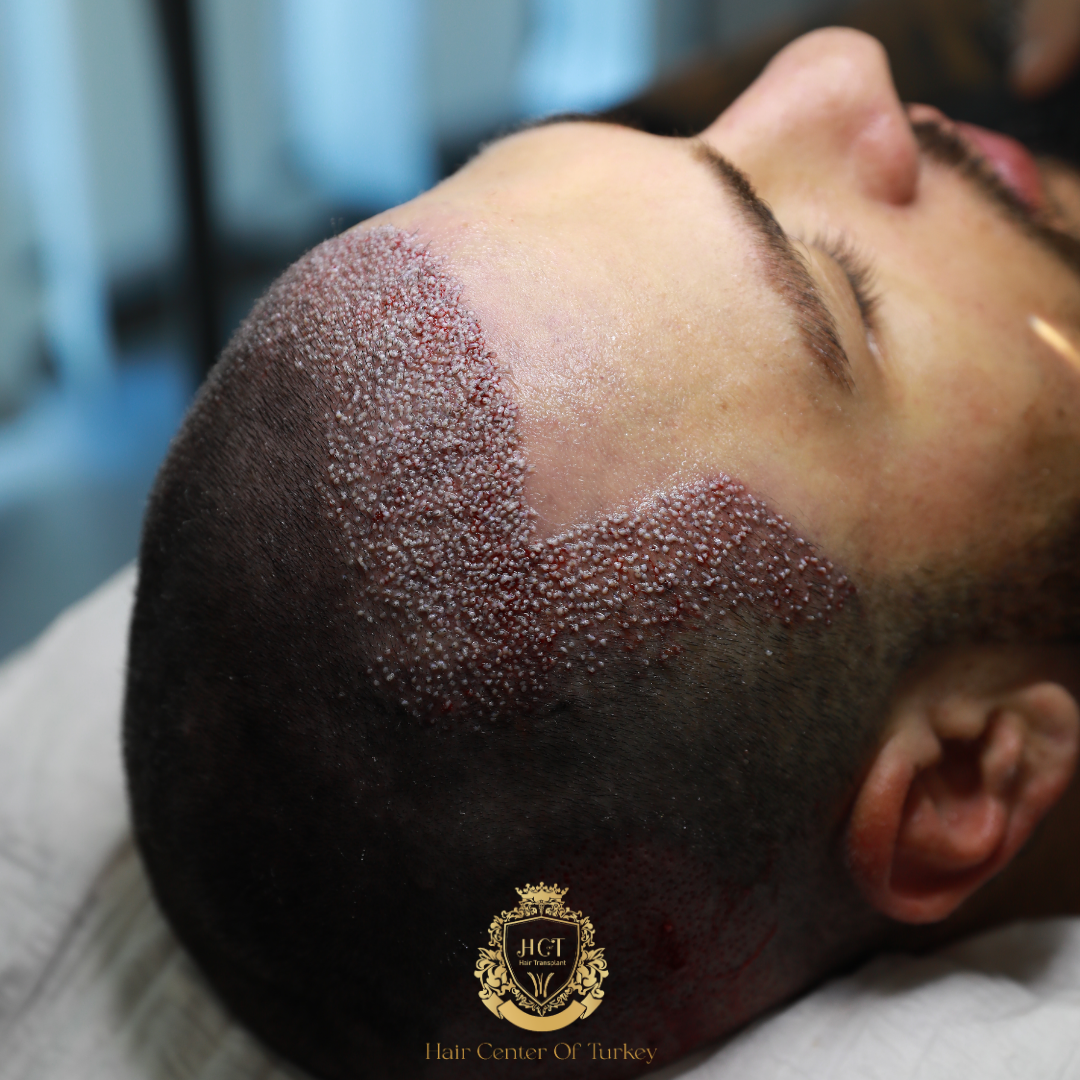
What Is Neo Hair Transplant?
Neo Hair Transplant is usually a clinic term for modern, minimally invasive hair restoration that combines micrograft transplantation (most often FUE-based) with supportive scalp or growth-factor treatments. The exact protocol varies by provider, so the best way to understand what you’re being offered is to ask which extraction method, implantation method, and add-on therapies are included.
Table of Contents
What “Neo Hair Transplant” usually means
Neo Hair Transplant is not a single, universally standardized medical procedure. In practice, clinics often use the name to describe a modern hair transplant plan built around micrograft harvesting and precise implantation, sometimes paired with regenerative-support treatments.
Because protocols differ, two clinics can both offer “Neo Hair Transplant” while using different tools, graft handling methods, or aftercare programs. When comparing clinics, focus on the underlying technique (FUE, DHI, or FUT), who performs each step, and the plan for long-term hair loss management.
What is a NeoGraft hair transplant?
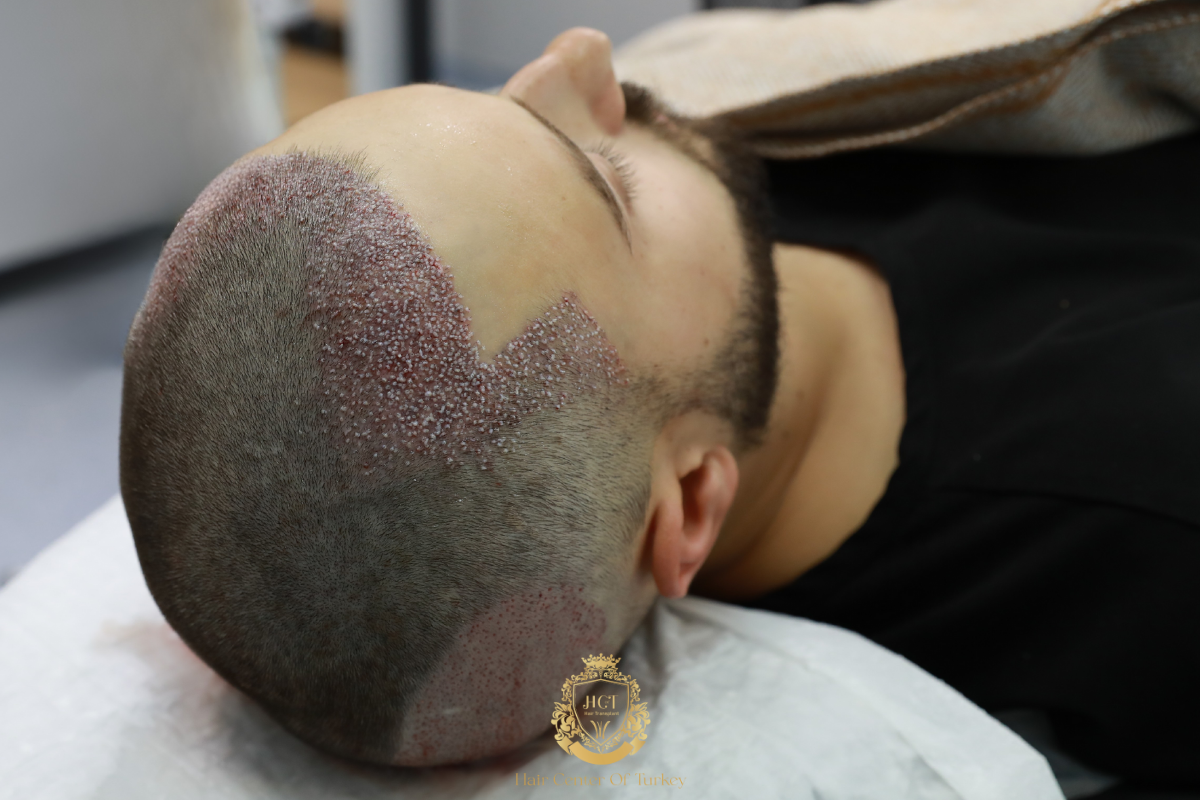
NeoGraft® is a device-assisted approach to FUE (Follicular Unit Excision/Extraction). Instead of removing a strip of scalp (FUT), FUE takes individual follicular units from the donor area and implants them into thinning or bald areas.
NeoGraft is commonly described as semi-automated or pneumatic-assisted FUE. It aims to streamline graft harvesting and implantation while keeping the procedure minimally invasive, with no linear scar.
What is a “Neo graft”?
In everyday clinic language, “neo graft” often refers to small, carefully selected grafts (single-hair and multi-hair follicular units) placed to build a natural hairline and improve density. It may also be used informally to describe grafts handled with extra care to protect follicle viability.
If you see “neo graft” in a treatment plan, ask for clarity on graft count, graft size distribution, and the implantation approach. Those details influence both the cosmetic result and how natural the hairline looks over time.
What is Neo follicle hair transplant?
Neo follicle hair transplant is another label some clinics use for micrograft-based transplantation that prioritizes small follicular units and precise placement. In many cases, it still relies on established transplant techniques such as FUE or DHI.
You may also see this term used alongside supportive treatments (for example, platelet-rich plasma or other growth-factor approaches). Evidence and protocols vary, so it’s reasonable to ask what’s included, what’s optional, and what outcomes are realistic for your pattern of hair loss.
How does Neo Hair Transplant work?
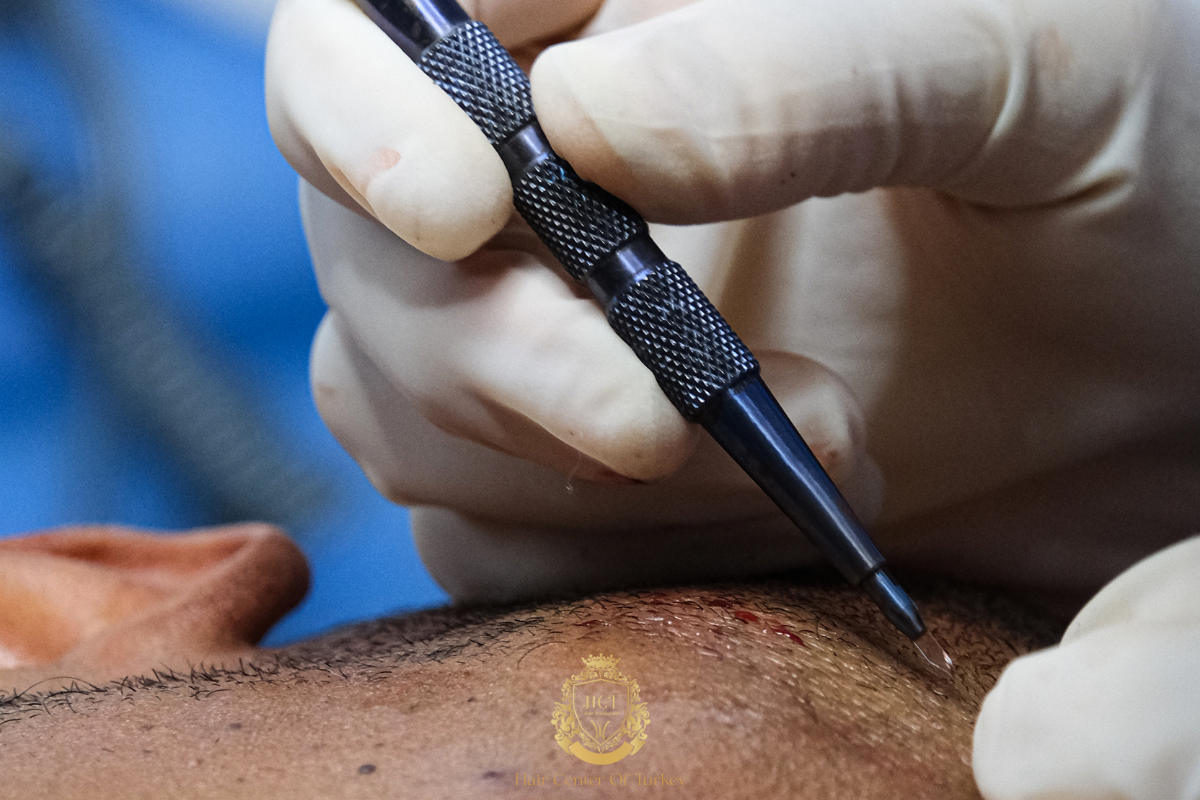
While clinics brand it differently, the core steps are usually familiar:
Consultation and planning: hairline design, donor assessment, and graft estimate.
Preparation: trimming or shaving as needed, then local anesthesia.
Graft harvesting: most commonly via FUE (manual or device-assisted).
Site creation and implantation: recipient sites are created and grafts are placed with attention to angle, direction, and density.
Aftercare: washing guidance, medication (if prescribed), and follow-up checks.
If Neo Hair Transplant includes add-on therapies, ask whether they are performed the same day and how they fit into the healing timeline.
Benefits people look for with Neo Hair Transplant
Common reasons patients choose a “neo” or modern protocol include:
No linear scar when FUE is used
Natural-looking hairline with careful single-graft placement at the front
Faster return to routine compared with strip surgery in many cases
Options beyond scalp hair, such as beard or eyebrow restoration (case-dependent)
Results still depend on donor quality, surgeon technique, and realistic density planning.
Neo Hair Transplant vs. traditional hair transplant methods
Most comparisons come down to the underlying technique:
FUE (manual or device-assisted, including NeoGraft)
FUE removes follicular units one by one. It avoids a strip scar and is widely used for hairline work and moderate-to-large sessions, depending on donor capacity.
DHI
DHI is often described as an implantation method that uses a pen-like implanter. Clinics may combine FUE harvesting with DHI implantation, especially when working around existing hair.
FUT (strip)
FUT removes a thin strip from the donor area, then dissects grafts under magnification. It can be appropriate in selected cases but leaves a linear scar and may involve a longer recovery for some patients.
Who is a good candidate?
You may be a good candidate if you have:
Early-to-moderate hair loss with a stable donor area
Realistic expectations about density and coverage
No untreated scalp conditions that could affect healing
A plan for ongoing hair loss (medical therapy may be recommended for some patients)
Severe diffuse thinning or advanced baldness can still be treatable, but it usually requires careful planning, and sometimes staged sessions.
Recovery process and results timeline
Most patients experience a short healing phase with small scabs and mild redness. Some swelling is common in the first days, and many people return to desk work quickly, depending on their clinic’s instructions.
A typical growth pattern looks like this:
Weeks 2–4: temporary shedding of transplanted hairs can happen
Months 3–4: early new growth may start to appear
Months 6–12: visible thickening and more complete results
Up to 12–18 months: refinement can continue for some patients
Following the aftercare plan matters, especially in the first 7–10 days.
Side effects and risks
Hair transplantation is generally safe when performed by qualified medical teams, but risks exist. Short-term side effects can include redness, swelling, itching, and temporary shock loss around the treated area.
Less common complications include infection, folliculitis, poor graft growth, or an unnatural hair direction if implantation angles are not planned well. Choosing an experienced clinic and following post-op instructions reduce these risks.
Before-and-after expectations
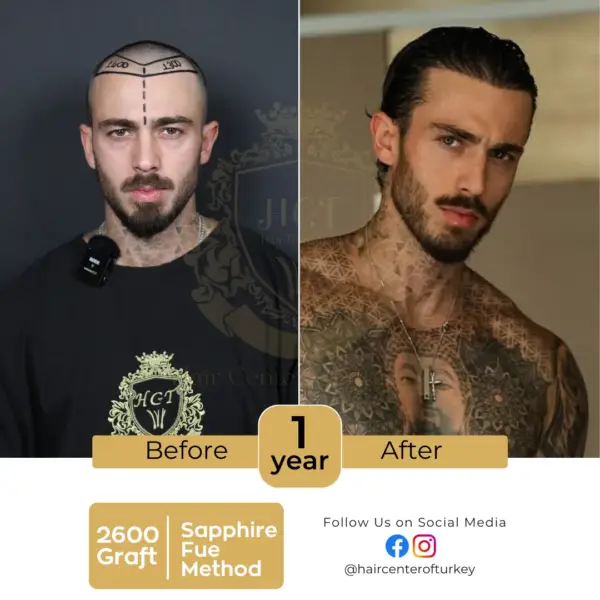
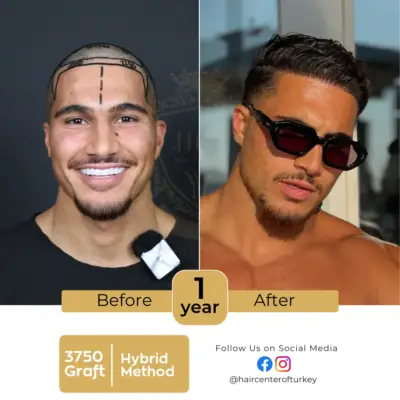
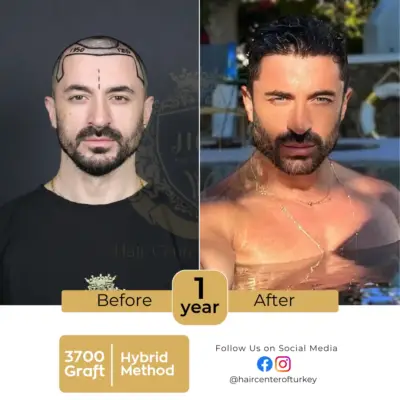
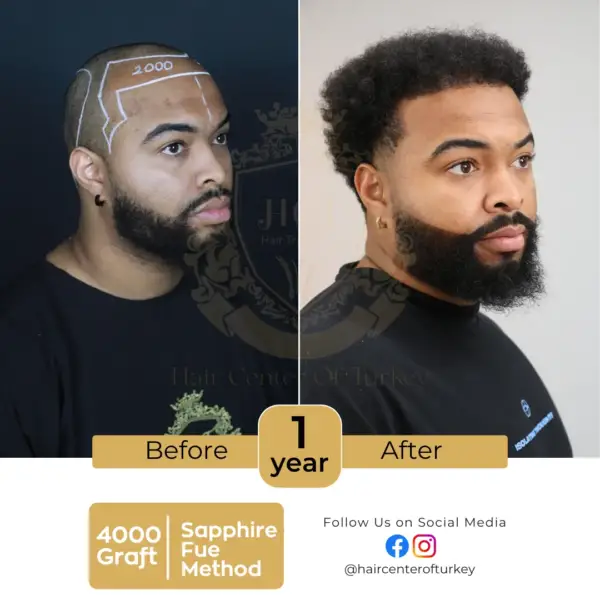
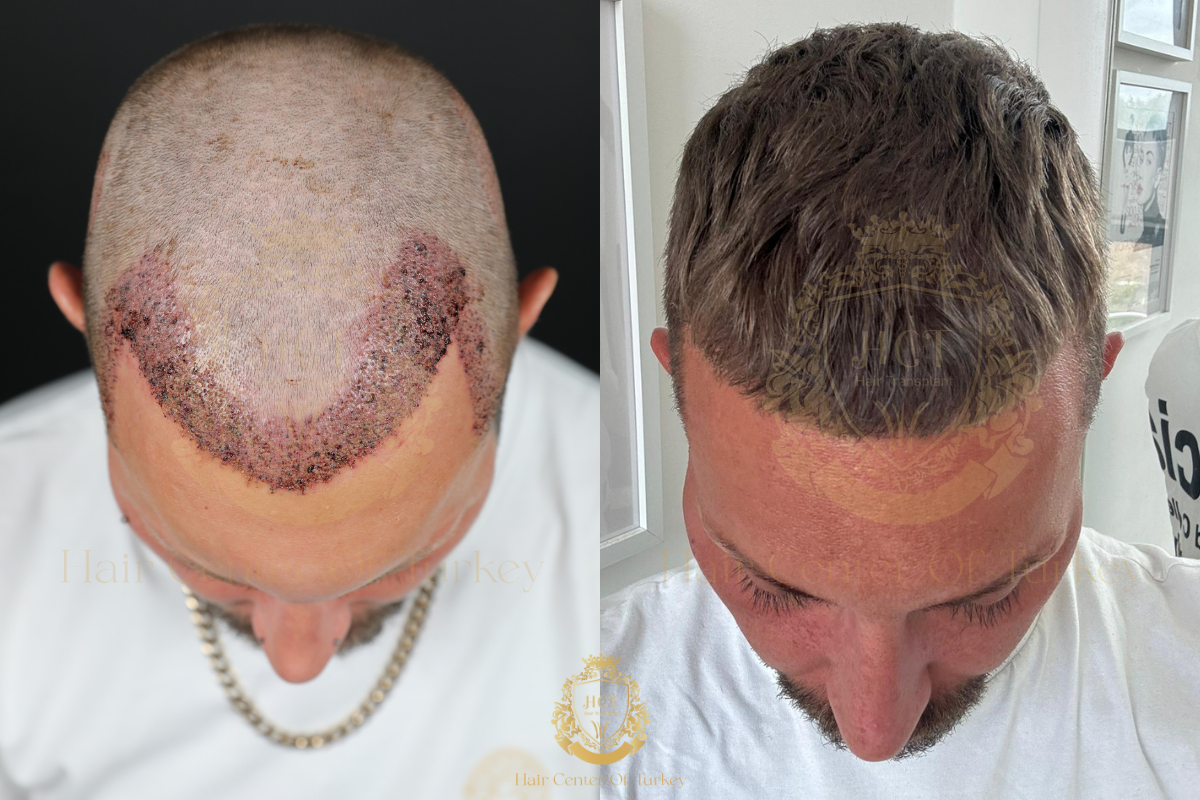
Before-and-after results depend on hair caliber, curl pattern, donor density, and how aggressively the hairline is designed. The most natural outcomes usually come from conservative hairline planning and realistic density targets.
Ask to see results for patients with a similar hair type and hair loss pattern to yours. Consistent lighting, angles, and timepoints make comparisons more meaningful.
How long do results last?
Transplanted hair taken from the permanent donor zone is typically long-lasting. That said, native hair around transplanted areas can continue to thin over time, which is why many clinics recommend a long-term plan.
A good treatment plan considers future hair loss so the result stays balanced as you age.
Where to get Neo Hair Transplant treatment
Look for clinics that are transparent about:
The exact technique used (FUE, DHI, FUT, device-assisted options)
Who performs harvesting and implantation
Realistic graft counts and expected coverage
Clear aftercare and follow-up support
Hair Center of Turkey is an Istanbul-based clinic that offers modern hair transplant techniques and patient-focused care in a boutique setting. As with any clinic, the right fit comes down to medical suitability, surgeon experience, and a plan that matches your goals.
Frequently asked questions
Is Neo FUE better than traditional FUE?
No; it’s a branded FUE approach, and surgeon skill drives outcomes.
How long does it take to recover after a Neo hair transplant?
Usually 7–10 days for scabs; most normal activities resume in 1–2 weeks.
What is the Neo FUE method?
A branded FUE protocol using scalp preparation and sometimes device-assisted extraction.
Can you wear a hat after NeoGraft?
Yes, after 2–3 days, with a clean, loose hat that avoids pressure.
Are Neo hair transplant results permanent?
Yes, transplanted grafts are long-lasting; ongoing native hair loss may continue.