Hair Transplant Clinics in Paris – Best Hair Transplant Surgeons, Costs & Procedures Explained
Hair Transplant Clinics In Paris: Surgeons, Costs & Procedures Explained
Paris offers reputable hair transplant care through medical and aesthetic clinics that perform FUE, DHI, and (less commonly) FUT. Most procedures are done under local anesthesia in a day, with visible healing in about 7–10 days and hair growth developing over several months. Pricing varies mainly by graft count, technique, and surgeon involvement.
Table of Contents
Hair Transplant In Paris
Paris has a broad mix of private medical practices and aesthetic clinics offering surgical hair restoration. The most common goal is a natural-looking hairline design and density that will still look good as hair loss progresses.
A good clinic will start with a medical assessment (including hair-loss pattern and donor area strength), then propose a realistic plan for graft numbers and long-term maintenance.
Who Is A Good Candidate?
You’re usually a good candidate when your hair loss is stable and you have enough donor hair at the back and sides of the scalp.
Certain conditions can delay or rule out surgery, such as uncontrolled scalp disease, active inflammatory conditions, or unrealistic expectations. If you’re unsure, a consultation with a physician who routinely treats hair loss (not just performs transplants) is worth prioritizing.
Techniques Used In Paris
FUE (Follicular Unit Extraction)
FUE removes follicular units one by one from the donor area and re-implants them in thinning zones. It’s popular because it avoids a long linear scar and typically allows a faster return to normal routines.
DHI (Direct Hair Implantation)
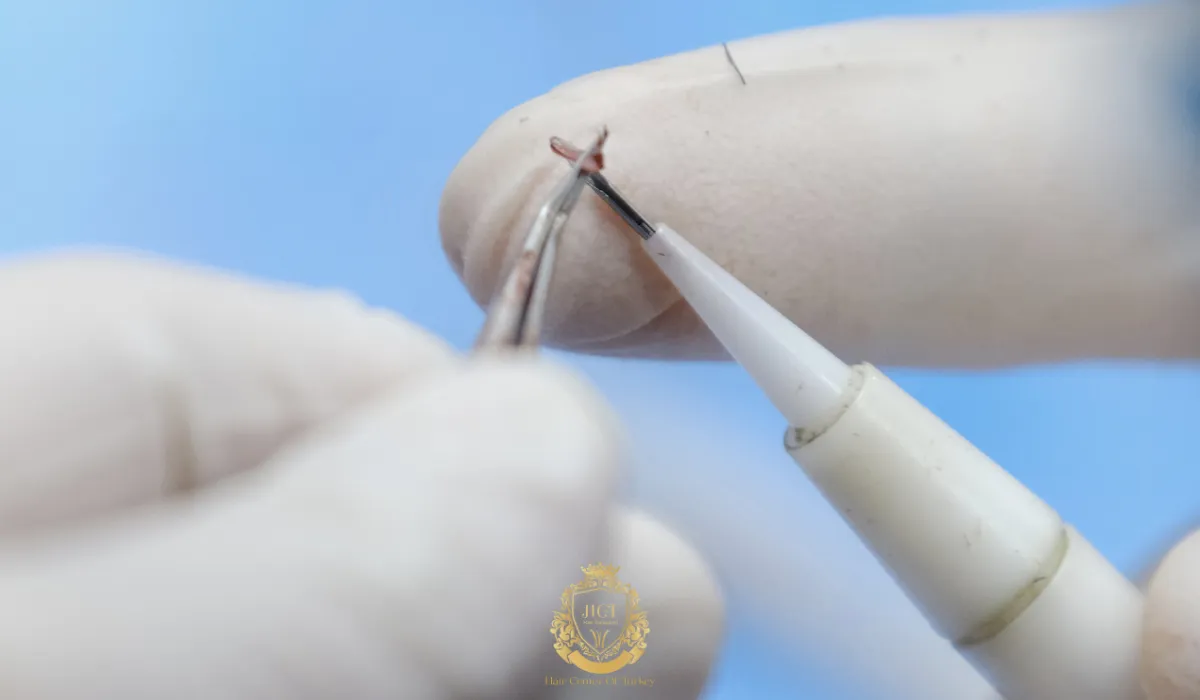
DHI is an implantation approach that places grafts using an implanter pen, which can improve placement control in certain cases. Many clinics describe it as a way to work with high precision in the hairline and dense packing, though the best choice still depends on your donor area, hair calibre, and the surgeon’s plan.
FUT (Strip Method)
FUT removes a thin strip of scalp from the donor area, then separates grafts under magnification. It can be useful when maximum graft yield is needed, but it leaves a linear scar and is used less often in cosmetic-focused Paris practices.
What To Expect During Hair Transplant Surgery In Paris
Most hair transplants are performed under local anesthesia, usually with light sedation offered by some clinics. The day typically includes hairline design, donor harvesting, graft preparation, and implantation.
Expect the procedure to take several hours depending on graft numbers. You’ll leave with aftercare instructions, a washing routine, and a short list of restrictions for the first 7–14 days.
Recovery And Results Timeline
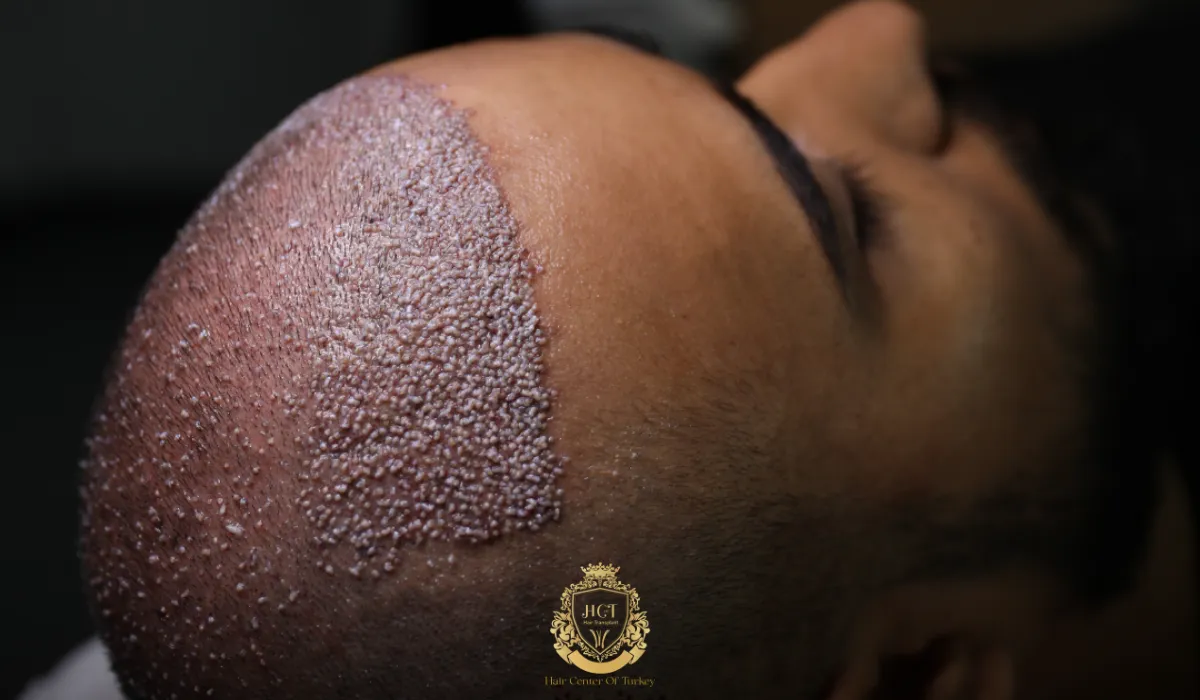
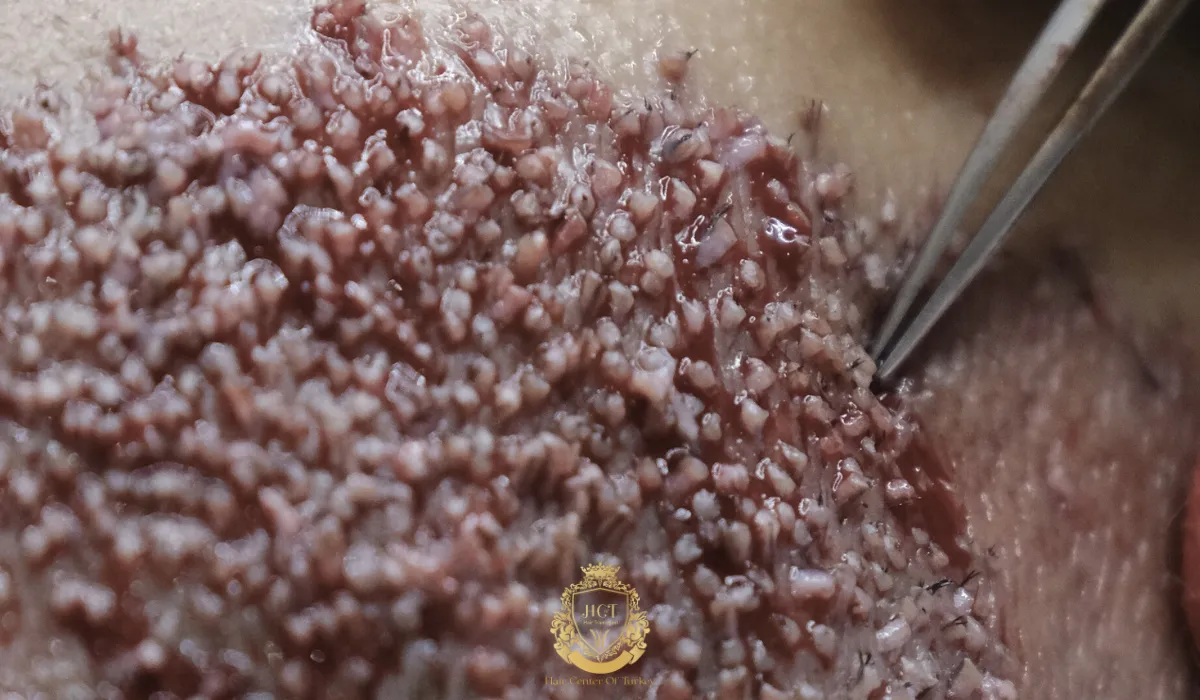
In the first week, mild swelling, redness, and small scabs are common. Many people see the scabs lift and the donor area settle around day 7–10, although healing speed varies.
Around weeks 2–6, “shock loss” can happen, where transplanted hairs shed before regrowth begins. New growth often becomes noticeable from months 3–4, with texture and density continuing to improve through months 9–12.
Hair Transplant Cost In Paris
Pricing in Paris is usually driven by the number of grafts, the technique (FUE vs DHI vs FUT), and how much of the procedure is performed directly by the physician. Some clinics quote per graft, while others offer package pricing.
Across France, published price ranges often fall around €4,000–€9,000 for many standard cases, while per‑graft quotes commonly sit in the €3–€8 range. In Paris, complex cases or surgeon-heavy workflows can push totals higher.
Always ask what is included: consultations, blood tests, medications, follow-up visits, and any additional sessions.
What A Quote Should Include
A clear quote should state:
Estimated graft count (and how it was calculated)
Technique and whether a combined approach is used
Who performs each step (design, extraction, implantation)
Aftercare schedule and follow-up plan
Policies for revisions, if needed
How To Choose The Right Clinic Or Surgeon In Paris
Start with credentials and transparency. In France, doctors must be registered to legally practice, and reputable clinics will identify the physicians responsible for your treatment.
Look for:
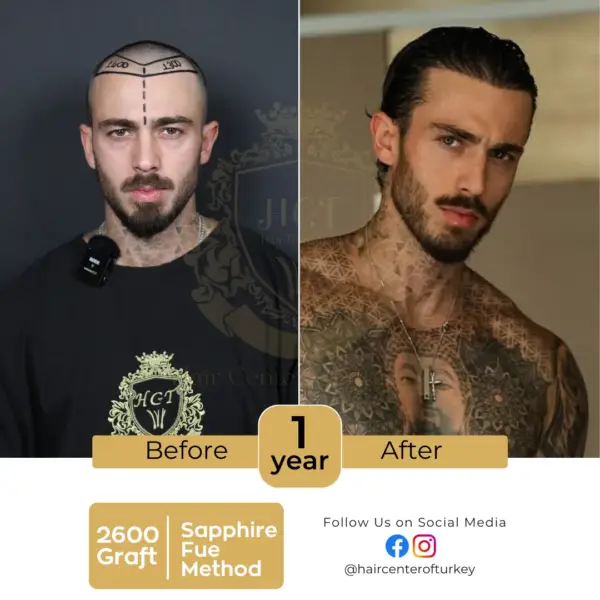
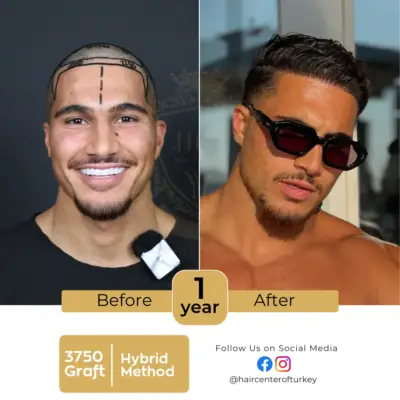
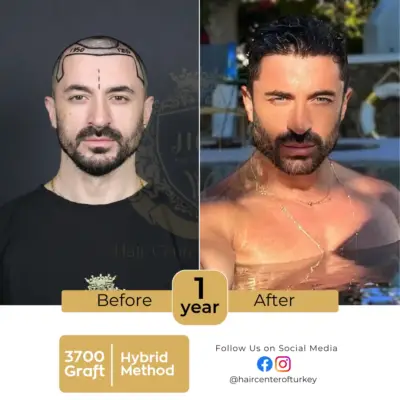
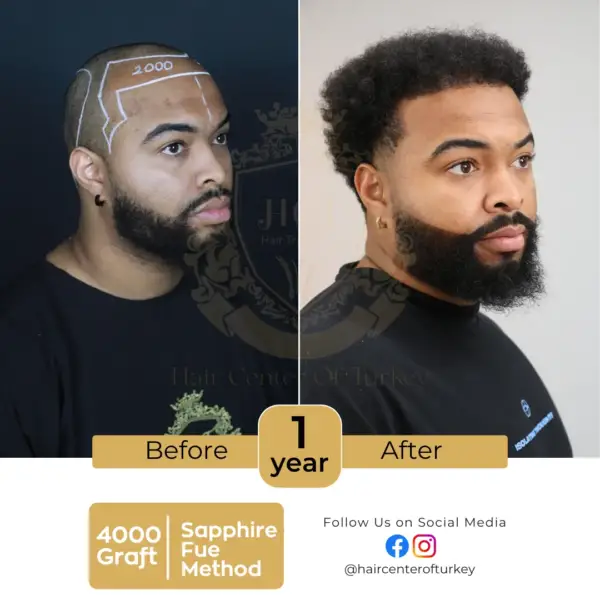
Before/after photos with consistent lighting and angles
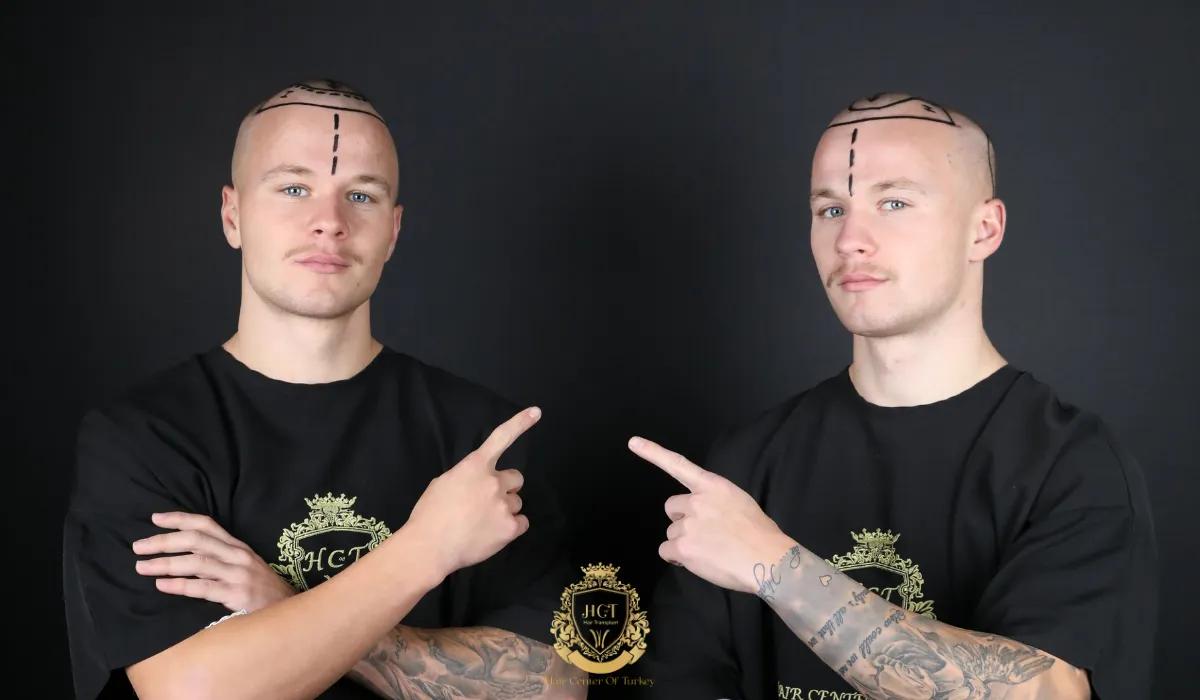
A conservative, age-appropriate hairline design approach
A written plan that considers future hair loss
A clinic that limits daily cases to protect graft handling time
Clear discussion of risks, scarring, and realistic density
If you’re comparing multiple clinics, ask each one to explain why their plan differs. Differences in graft counts and hairline design often reveal how carefully the clinic is planning your case.
Examples Of Hair Transplant Providers In Paris
The providers below are examples of Paris-based options patients often come across when researching FUE/DHI/FUT. This list is not exhaustive, and you should verify credentials, reviews, and suitability for your specific hair loss pattern.
Lygos Clinic (Turkey- Istanbul, International Option)
Clinique du Grand Paris (Paris 16)
Clinique de Restauration Capillaire (Paris) – associated with physicians including Dr Claude Aharoni and Dr Patrick Levy
Dr Christelle Santini (Paris) – offers FUE and FUT
Maison Lutétia (Paris 17) – offers DHI services
Clinique Paris Étoile (Paris) – offers hair and beard transplant options
Clinique Esthétique Paris-Spontini (Paris 16)
Travel Tips For Patients Visiting Paris
If you’re traveling to Paris for surgery, plan to stay long enough for the first wash and a review appointment if your clinic recommends it. Choose accommodation that makes it easy to sleep with your head elevated for the first nights.
Avoid heavy sightseeing that increases sun exposure, sweating, or helmet use during early healing. Keep your schedule flexible in case you need an extra check-up.
FAQs On Hair Transplants In Paris
How much does a hair transplant cost in Paris?
€3,000–€12,000 in Paris, mainly depending on graft count.
What country is best for hair transplants?
Turkey is most often cited as best-value for hair transplants.
What is the best hair transplant clinic in the world?
No clinic is universally best; prioritize accreditation, verified results, and physician-led surgery.
Which surgeon is best for hair transplant?
No surgeon is universally best; choose board-certified specialists with consistent before-after results.
How to pick the best hair transplant doctor?
Check credentials, who performs surgery, complication rates, aftercare, and many comparable photos.