

Folliculitis – Symptoms & Causes
Folliculitis is inflammation of the hair follicles. It usually looks like small red bumps or pimples, sometimes with a white, pus-filled head. Many cases are mild and clear with basic skin care, but deeper infections can be painful and may leave marks or cause hair loss if not treated properly.
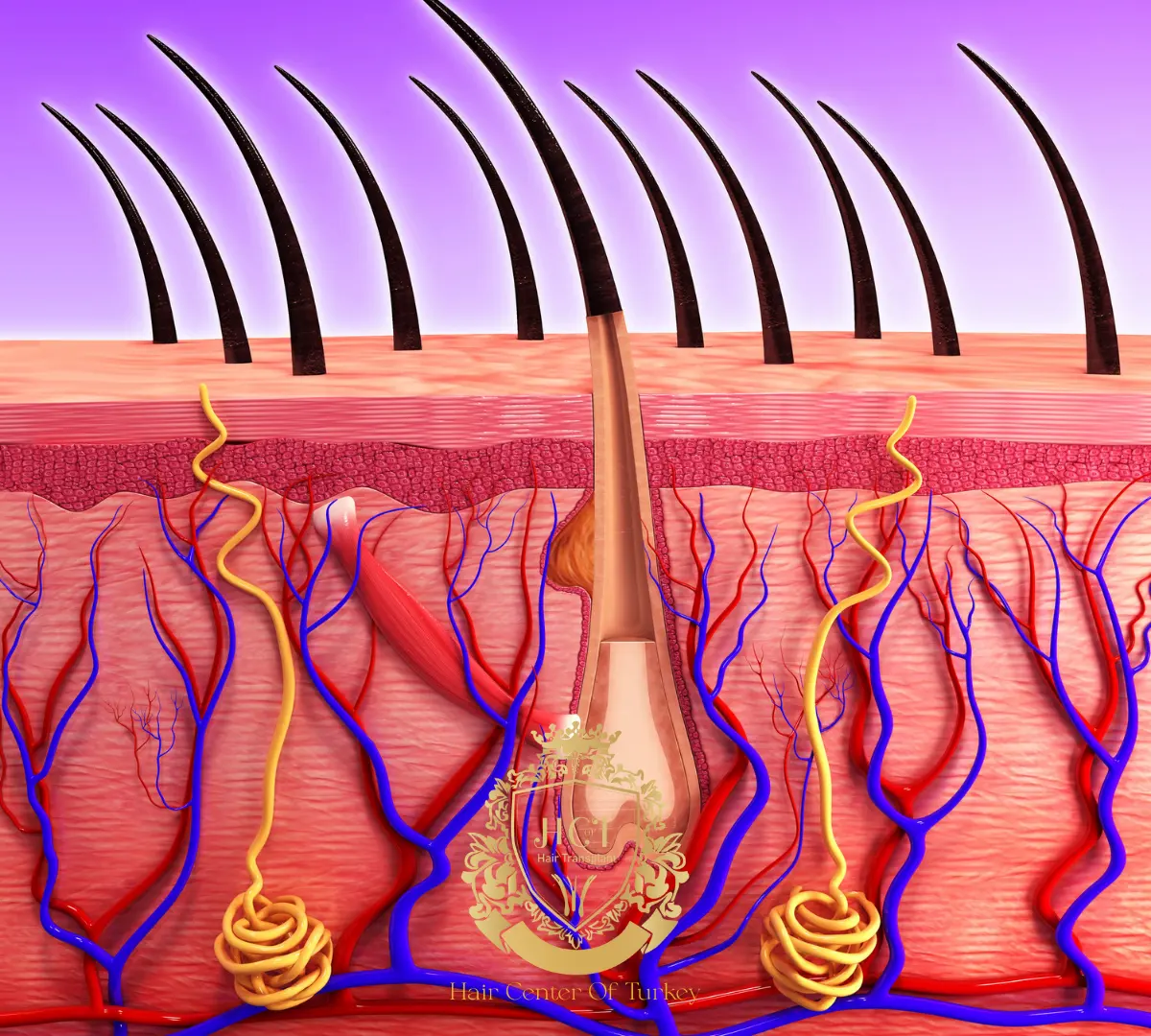
Table of Contents
What Is Folliculitis?
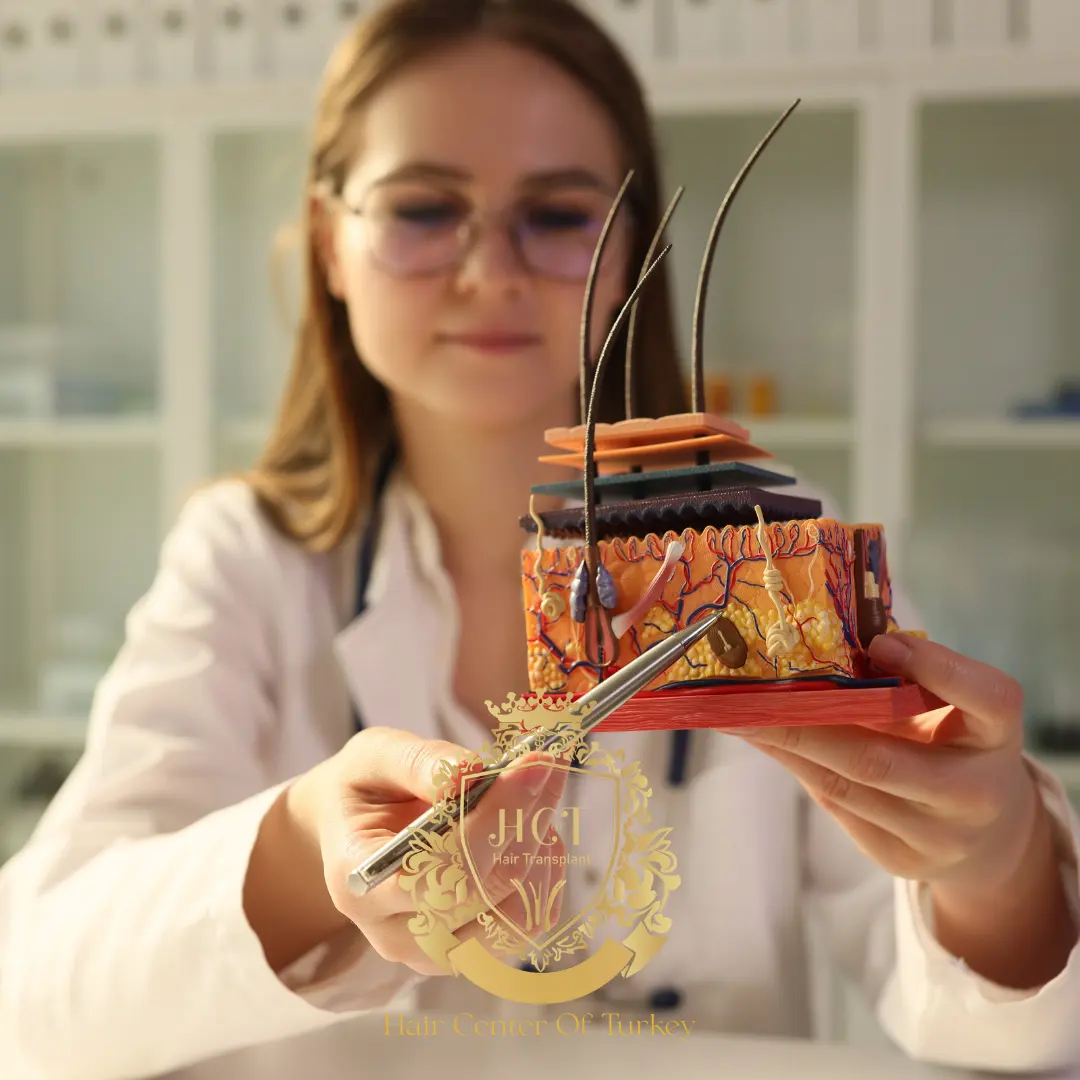
Folliculitis happens when a hair follicle becomes irritated, inflamed, or infected. It can affect any hair-bearing area, including the scalp, beard area, chest, back, buttocks, arms, and legs.
There are superficial forms that involve the upper part of the follicle and deeper forms that can behave more like boils. When multiple nearby follicles become deeply infected, the bumps can join into a larger, more painful lesion.
Common Causes And Triggers
Folliculitis has more than one cause. The most common trigger is bacteria, especially Staphylococcus aureus, which can enter through tiny cuts, friction, shaving, or blocked pores.
Some cases are linked to yeast or other fungi, while others are caused by irritation rather than infection. Hot tubs or pools with poor chlorine or pH control can lead to a type called “hot tub folliculitis,” usually caused by Pseudomonas.
Risk increases with frequent shaving, tight clothing, heavy sweating, greasy skin products, and conditions that weaken the immune system or damage the skin barrier.
Symptoms Of Folliculitis
Symptoms can vary from mild to severe. Common signs include:
- Itching, tenderness, or sensitivity in one area of skin.
- Small red bumps or pimples centered around hair follicles.
- Pus-filled spots (pustules) that may break open, ooze, and crust.
- Pain, burning, or a warm sensation in the affected skin.
- Deeper, larger, painful lumps that may resemble boils.
If the area is spreading quickly, very painful, associated with fever, or keeps coming back, it’s worth getting medical advice to confirm the cause and rule out deeper infection.
Treatment For Folliculitis
Treatment depends on the cause, the affected area, and how deep the inflammation is. Mild cases often improve by keeping the area clean, avoiding friction and shaving, and using warm compresses to soothe discomfort.
If bacteria are suspected, a clinician may recommend an antiseptic wash and, when needed, a topical antibiotic. Oral antibiotics are usually reserved for more severe, widespread, or recurrent infections.
When yeast or fungal folliculitis is the problem, antifungal washes or medications are typically used. Steroid creams should only be used when prescribed, as they can sometimes worsen infections if used incorrectly.
Boils (furuncles) or carbuncles may need to be drained by a healthcare professional. Even after successful treatment, folliculitis can recur, so prevention habits matter.
FAQ (Frequently Asked Questions)
What is the main cause of folliculitis?
Bacterial infection—usually Staphylococcus aureus—most commonly causes folliculitis.
How to treat folliculitis while pregnant?
Use warm compresses and pregnancy-safe topicals (benzoyl peroxide or mupirocin) per clinician.
How to treat folliculitis in a child?
Use warm compresses, gentle cleansing, and pediatrician-approved topical antibiotic; avoid squeezing.
What is the fastest way to cure folliculitis?
Stop the trigger, apply warm compresses, and start appropriate topical antimicrobial promptly.
What foods cause folliculitis?
No specific foods are proven to cause folliculitis.
Can poor hygiene cause folliculitis?
Poor hygiene can contribute by increasing bacteria and irritation, but it isn’t the only cause.
Is folliculitis a serious disease?
Usually mild, but seek care if spreading, recurrent, painful, or with fever.
Explore the complete guide: Scalp Conditions and Hair Health