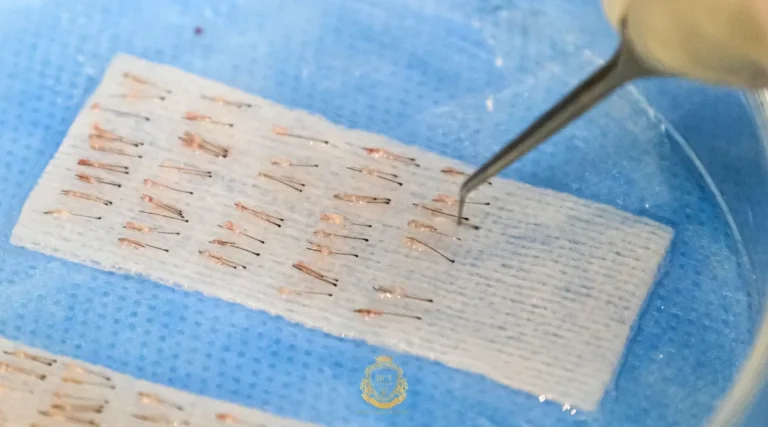


Can Epilepsy Patients Have Hair Transplant?
Hair transplant can be considered for many people with epilepsy when seizures are well controlled and the patient is medically cleared. The safest approach is coordinated planning between your neurologist, surgeon, and anesthesiologist, including continuing anti-seizure medication and choosing an anesthesia plan that minimizes triggers like missed doses, stress, and sleep deprivation.
Epilepsy is a medical condition, so this topic always starts with one rule: your neurologist should be involved before you book a procedure.

Table of Contents
What Is Epilepsy?
Epilepsy is a brain condition that causes recurring seizures. It can affect people of any age, and in some cases the cause is identified, while in others it remains unknown. Many people live normal daily lives when seizures are controlled with treatment.
Worldwide, epilepsy affects around 50 million people, which is why clear safety planning matters for elective procedures such as hair transplantation.
Why Seizures Happen
A seizure happens when there is a sudden burst of abnormal electrical activity in the brain. Triggers vary from person to person and can include missed medication, sleep deprivation, stress, or illness. Your own trigger pattern is the most important detail to share with your medical team.
Common Causes Of Epilepsy
In some patients, the cause cannot be pinpointed. When a cause is identified, it may relate to factors such as head trauma, stroke and other vascular issues, infections affecting the brain, genetic influences, or complications around birth. Some neurodegenerative conditions and brain tumors may also be associated.
Symptoms That May Warn A Seizure Is Coming
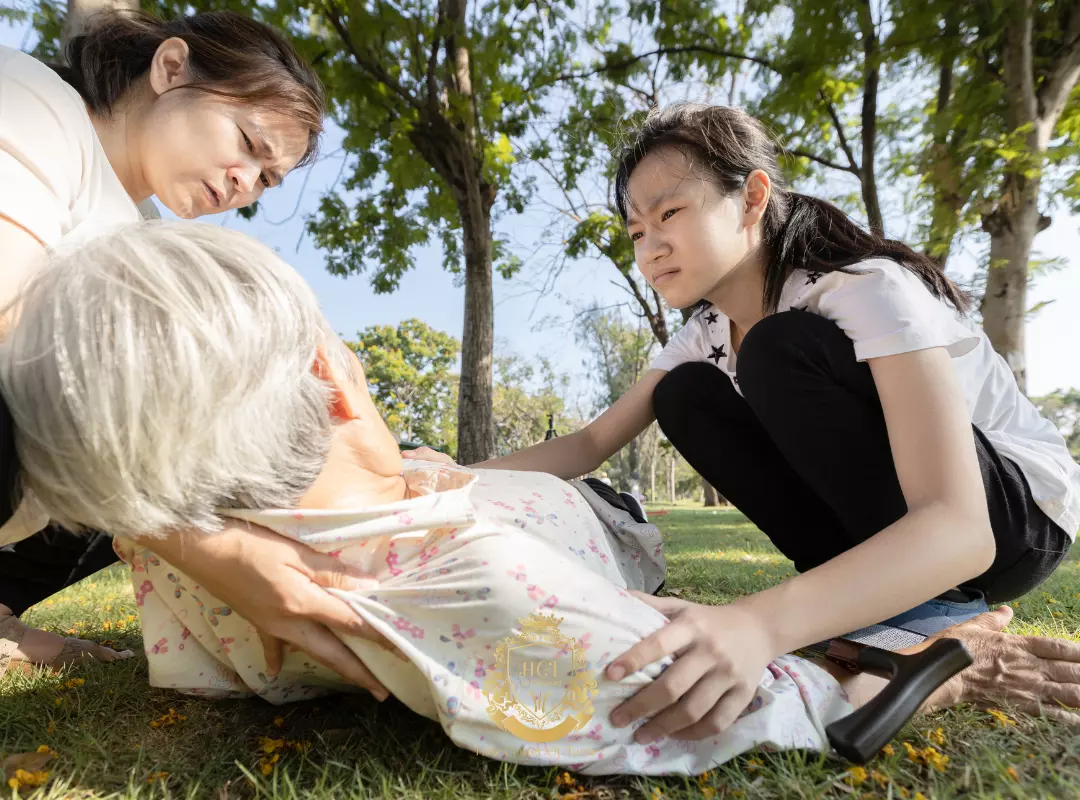
Some people notice early warning signs (often called an aura), while others do not. Warning symptoms can include sudden fear, unusual sensations, staring or reduced responsiveness, dizziness, and changes in awareness. Seizure patterns differ by seizure type and by individual.
Many seizures end on their own, but a seizure lasting 5 minutes or longer is a medical emergency and needs urgent care.
Can Hair Transplant Be Performed For Epilepsy Patients?
In many cases, yes—if epilepsy is controlled and you’re medically cleared. Hair transplant is typically performed under local anesthesia, and some clinics may use sedation to support comfort and reduce stress during a long procedure.
The key point is not a “special technique” for epilepsy. The key is risk planning: maintaining medication schedules, choosing an appropriate anesthesia approach, and having a team prepared to respond if a seizure occurs.
Pre-Procedure Checklist For Safer Planning
1) Get Neurologist Clearance
Ask your neurologist to confirm whether your seizures are stable and whether your medication plan needs adjustments for the day of surgery. Many perioperative recommendations emphasize restarting anti-seizure medication as early as safely possible if it’s interrupted.
2) Keep Anti-Seizure Medication On Schedule
Missed or delayed doses can raise seizure risk. Your clinic should plan timing for meals, medication, and procedure breaks so you can keep your routine as closely as possible.
3) Discuss Sedation And Anesthesia With An Anesthesiologist
Some anesthetic and pre-anesthetic agents can influence seizure threshold, so anesthesiology planning matters—especially for patients with a seizure history. This is why experienced anesthesia supervision is a strong safety advantage.
4) Reduce Common Triggers Before The Procedure
Aim for good sleep, hydration, and stress control in the days before surgery. If you know specific triggers (flashing lights, certain medications, fasting), tell the team in advance.
What Happens During The Operation?
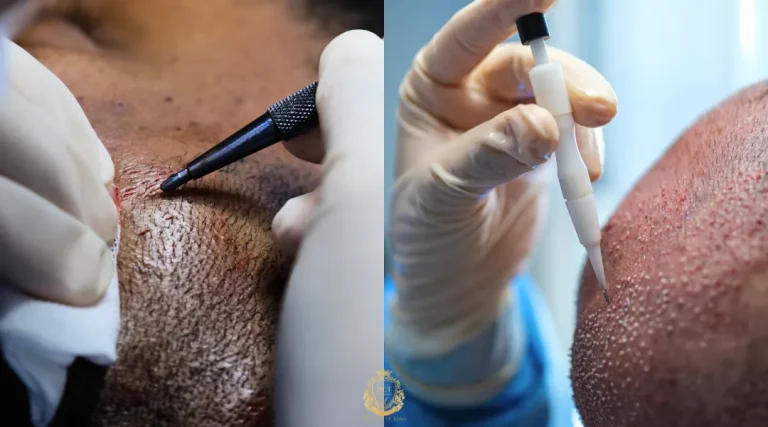
A hair transplant is usually done with local anesthetic, often with sedation options depending on the clinic and patient needs. You remain monitored throughout, and the goal is a calm environment with stable vitals and minimal stress.
If sedation is used for comfort, it should be planned and delivered by qualified professionals with appropriate monitoring—especially for anyone with a history of seizures.
When A Hair Transplant Should Be Postponed
A clinic may recommend delaying surgery if:
- Seizures are not well controlled or have recently changed in pattern
- Medication adherence has been inconsistent
- You’ve had a recent illness, fever, or severe sleep deprivation
- Your neurologist advises waiting based on your medical history
Aftercare Tips For Epilepsy Patients
The first 1–2 weeks after a hair transplant are important because grafts are still settling, and you’ll be adapting to new care routines. Follow your clinic’s washing and protection instructions closely, avoid heavy exercise at first, and keep medication timing consistent.
Frequently Asked Questions
Can people with epilepsy get a hair transplant?
Yes, if seizures are controlled and neurologist and surgeon provide clearance.
What disqualifies you from a hair transplant?
Uncontrolled medical conditions, active scalp disease/infection, bleeding disorders, or inadequate donor hair disqualify.
What should you avoid if you have epilepsy?
Avoid missed medication doses, sleep deprivation, excessive alcohol, illicit drugs, and known triggers.
Is epilepsy a disability or medical condition?
Epilepsy is a neurological medical condition and may be a disability if limiting activities.
What is forbidden with epilepsy?
Driving is restricted until seizure-free per local law; avoid unsupervised swimming and heights.
Can epilepsy cause hair loss?
Yes, antiseizure medicines like valproate can cause reversible hair loss.
Explore the complete guide: Medical Safety and Eligibility