

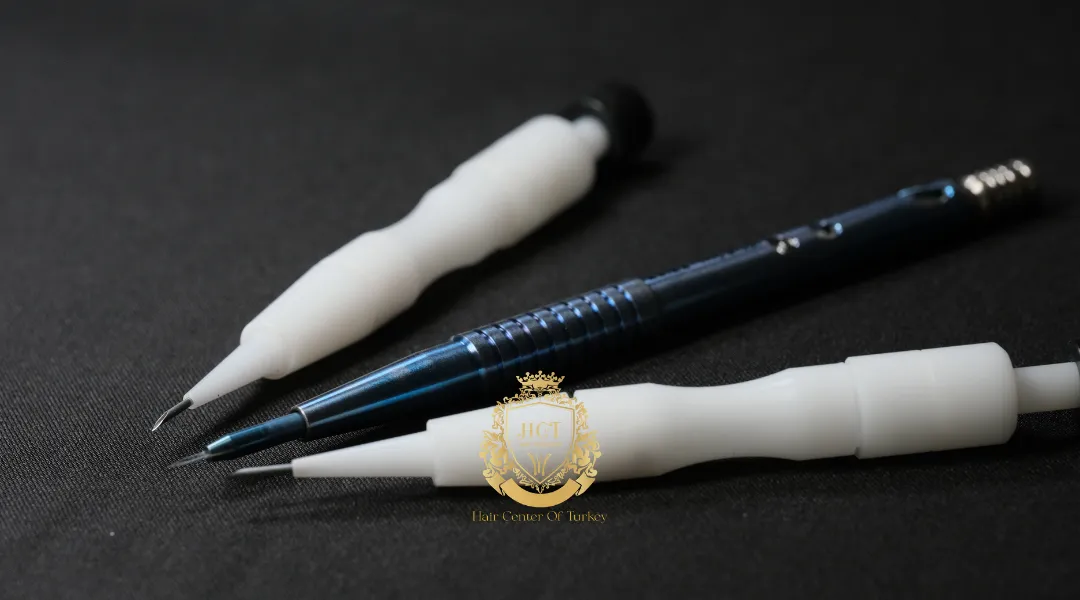
How To Choose The Right Hair Transplant Method
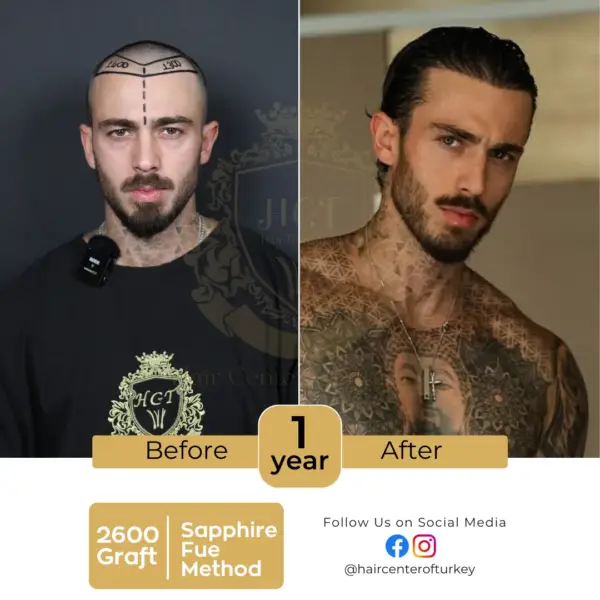
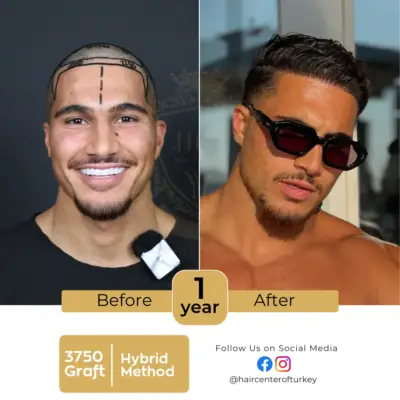
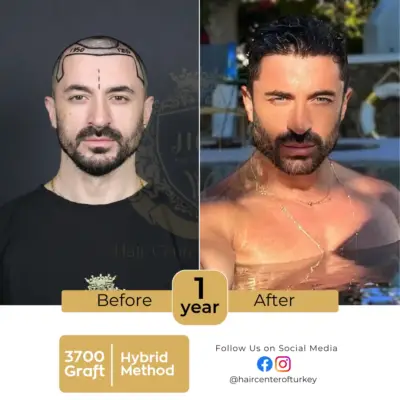
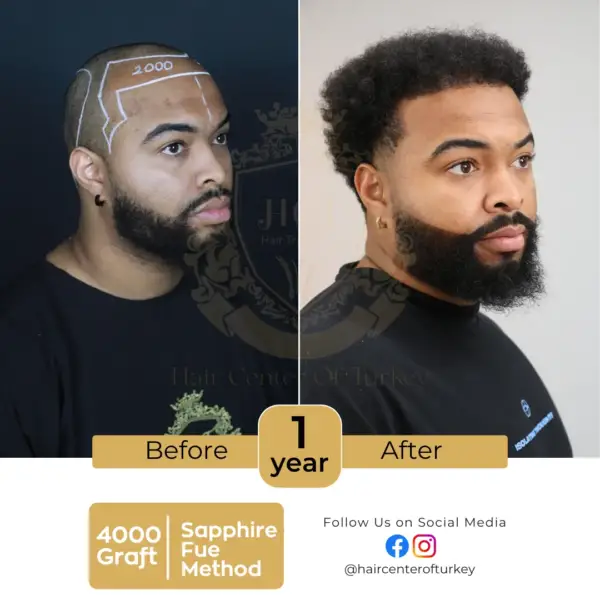
Choosing the right hair transplant method depends on your hair-loss pattern, donor area quality, desired density, and whether you want to shave. FUE and DHI both move follicles from a donor area to thinning zones, but they differ in implantation approach. A consultation helps match technique, graft plan, and aftercare to your goals.
Table of Contents
Hair Transplant Methods At A Glance
Hair transplantation is a surgical procedure that relocates healthy hair follicles (grafts) from a donor area—usually the back and sides of the scalp—to areas affected by thinning or hair loss. Both men and women may be candidates, and some techniques can also be used for beard and eyebrow restoration.
Older approaches such as FUT (Follicular Unit Transplantation) can still be suitable in certain cases, but it involves removing a strip of tissue from the donor area, which may leave a linear scar.
At Hair Center of Turkey, the most commonly requested modern techniques are:
- FUE (Follicular Unit Extraction)
- DHI (Direct Hair Implantation)
FUE Vs DHI: What’s The Difference?
Both FUE and DHI typically use follicles taken from the scalp donor area. In selected cases, grafts may also be harvested from the beard, depending on hair characteristics and the treatment plan.
FUE (Follicular Unit Extraction)
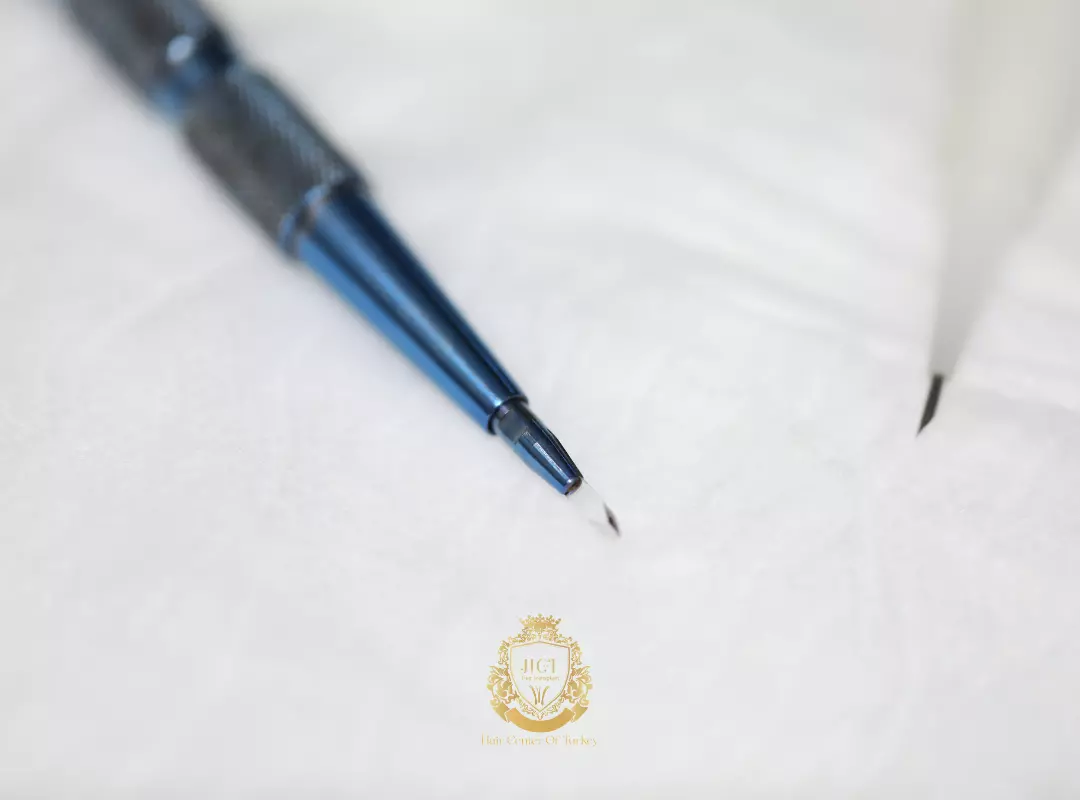
With FUE, follicles are extracted one by one using micro-punch tools. The recipient area is then prepared with tiny incisions (channels), and the grafts are placed into those channels.
FUE is often considered when:
- A larger area needs coverage (for example, a receding hairline plus crown thinning).
- The plan requires flexibility in graft placement across broad zones.
- You want a technique that avoids a linear strip scar.
DHI (Direct Hair Implantation)
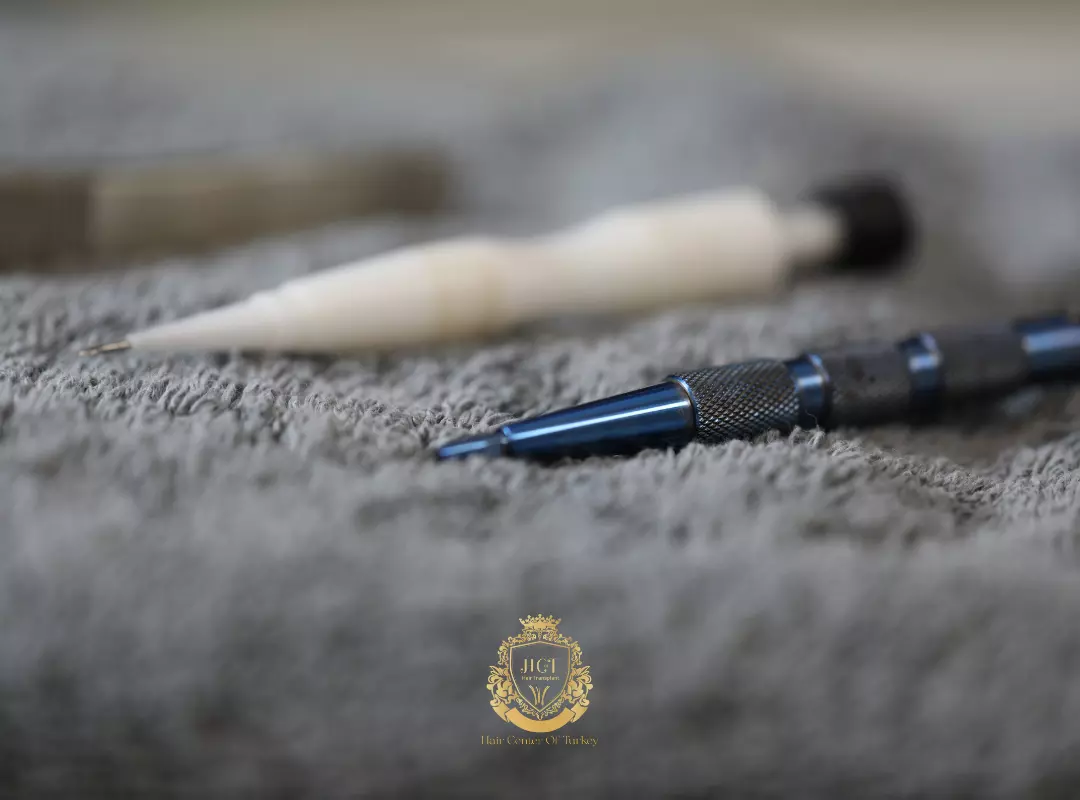
With DHI, extracted follicles are implanted using a specialized implanter pen (commonly referred to as a Choi pen). This can allow the surgeon to place grafts with control over angle, depth, and direction in a single step.
DHI is often considered when:
- The goal is higher density in a smaller target zone.
- You want precise placement around existing hair (for example, within a thinning area).
- You’re aiming for minimal disruption to surrounding native hair.
Which Method Is More Suitable?
There isn’t one single method that fits everyone. The most suitable technique depends on factors such as donor area density, scalp characteristics, target density, and whether shaving should be minimized.
A medical assessment is important because the graft plan (how many follicles, where they should go, and how they should be distributed) often matters as much as the technique itself.
Typical Benefits Patients Look For With Each Technique
Results and recovery vary by individual, surgeon technique, and aftercare. The points below reflect common reasons patients choose each method.
Common Reasons Patients Choose FUE
- No linear strip scar in the donor area
- Suitable for covering wider areas of thinning
- Can be planned for hair, beard, and eyebrow transplantation
- Often allows a straightforward healing timeline for the donor area
Common Reasons Patients Choose DHI
- Focused, controlled placement for density work
- May be useful when working between existing hairs
- Can support detailed hairline work in selected cases
- Often planned with a similar healing timeline to FUE
Recovery Timeline: What To Expect
Most patients can return to light daily activities within a few days, but the scalp usually needs more time to fully settle.
As a general guide, the first 10–15 days are focused on scab shedding and careful washing (your clinic’s instructions matter here). Visible growth typically starts after the initial shedding phase, and maturity can take several months.
Hair Transplant Pricing In Turkey: What Affects Cost?
Turkey is a popular destination for hair transplantation because many clinics offer experienced medical teams and comprehensive packages. Pricing can vary widely, usually based on the number of grafts, technique used, what’s included in the package (such as accommodation and transfers), and overall case complexity.
The most accurate way to receive a quote is an assessment with photos (or an in-person evaluation), because graft planning should be tailored to your hair-loss pattern and donor capacity.
FAQ
What is the most reputable hair transplant in Turkey?
Choose an ISHRS-member surgeon in a licensed, high-volume clinic with transparent outcomes.
Which is better, FUE or fut?
FUE is better for most; FUT suits large sessions but leaves a linear scar.
Is Turkey actually good for hair transplant?
Turkey can be excellent with experienced surgeons, strict hygiene, and proper aftercare.
Is FUE or dhi better?
FUE is best value; DHI helps precise placement but costs more.
Are Turkish hair transplants better than the USA?
Neither is inherently better; outcomes depend on surgeon skill, not country.
Explore the complete guide: Hair Transplant Techniques