

Male Pattern Baldness: Insights from the Norwood Scale
Male pattern baldness is the leading cause of hair loss in men, and the Norwood scale is the most widely used tool to assess its severity. This article explores key aspects of male pattern baldness, including stages, diagnosis, treatment options, causes, prevention strategies, and an overall takeaway for understanding and managing this common condition.
Table of Contents
1. Stages of Male Pattern Baldness Using the Norwood Scale
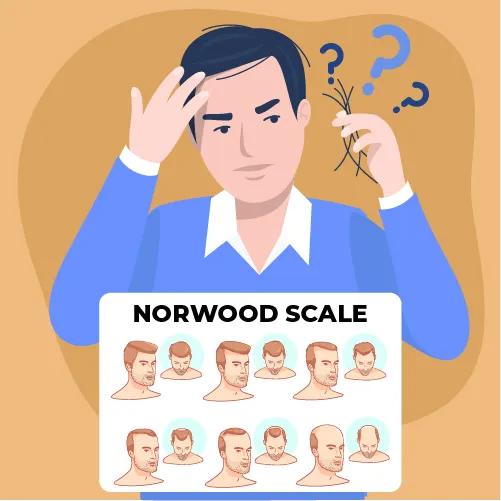
The Norwood scale classifies male pattern baldness into seven stages (I-VII), each representing progressive hairline recession and vertex thinning. The scale helps healthcare professionals track the severity of hair loss, enabling better treatment decisions.
Norwood I:
No significant hair loss. The hairline remains youthful and intact.
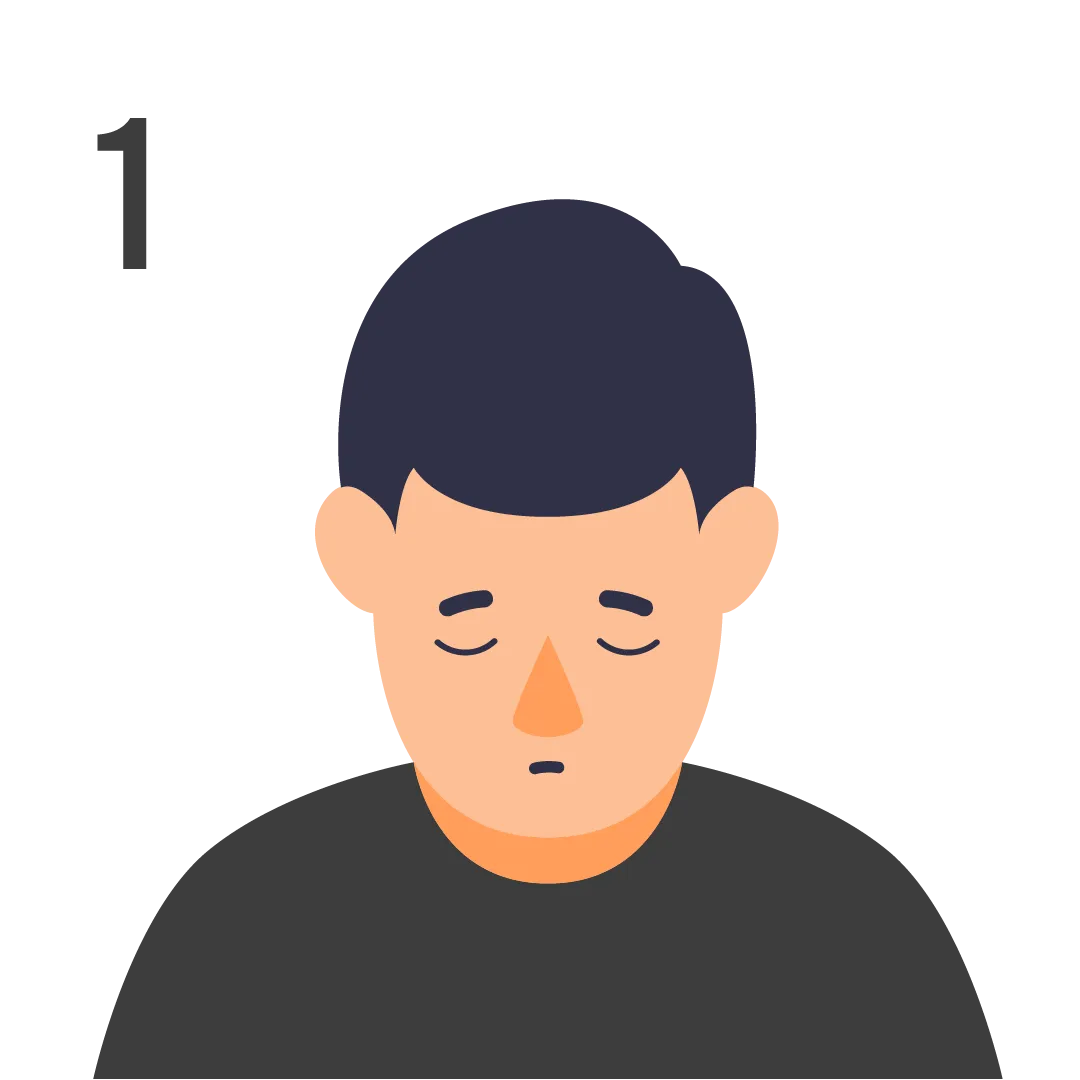
Norwood II:
Minor recession at the temples. Early signs of male pattern baldness appear.
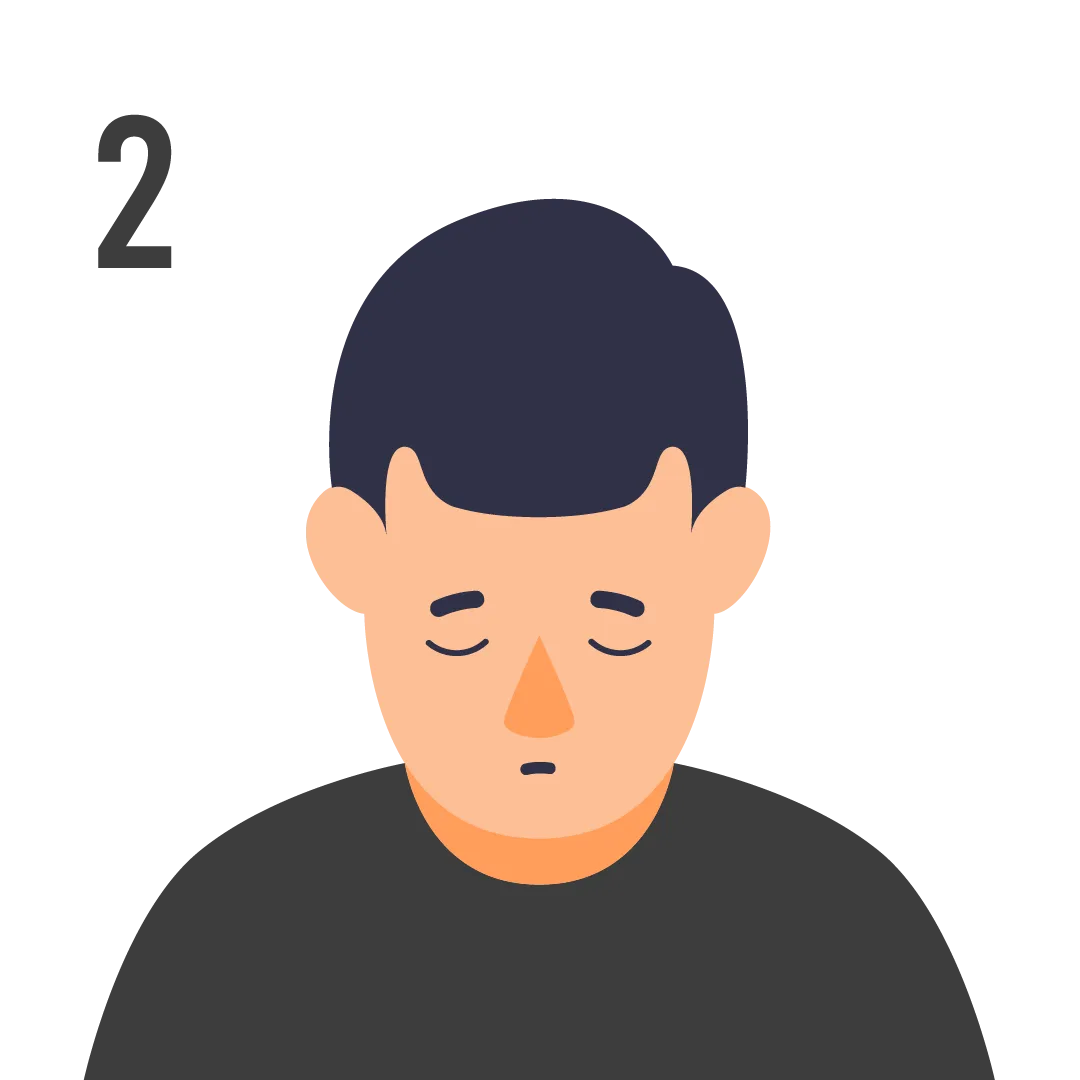
Norwood III:
Deep recession at the temples or vertex. This is the first clinically significant stage.
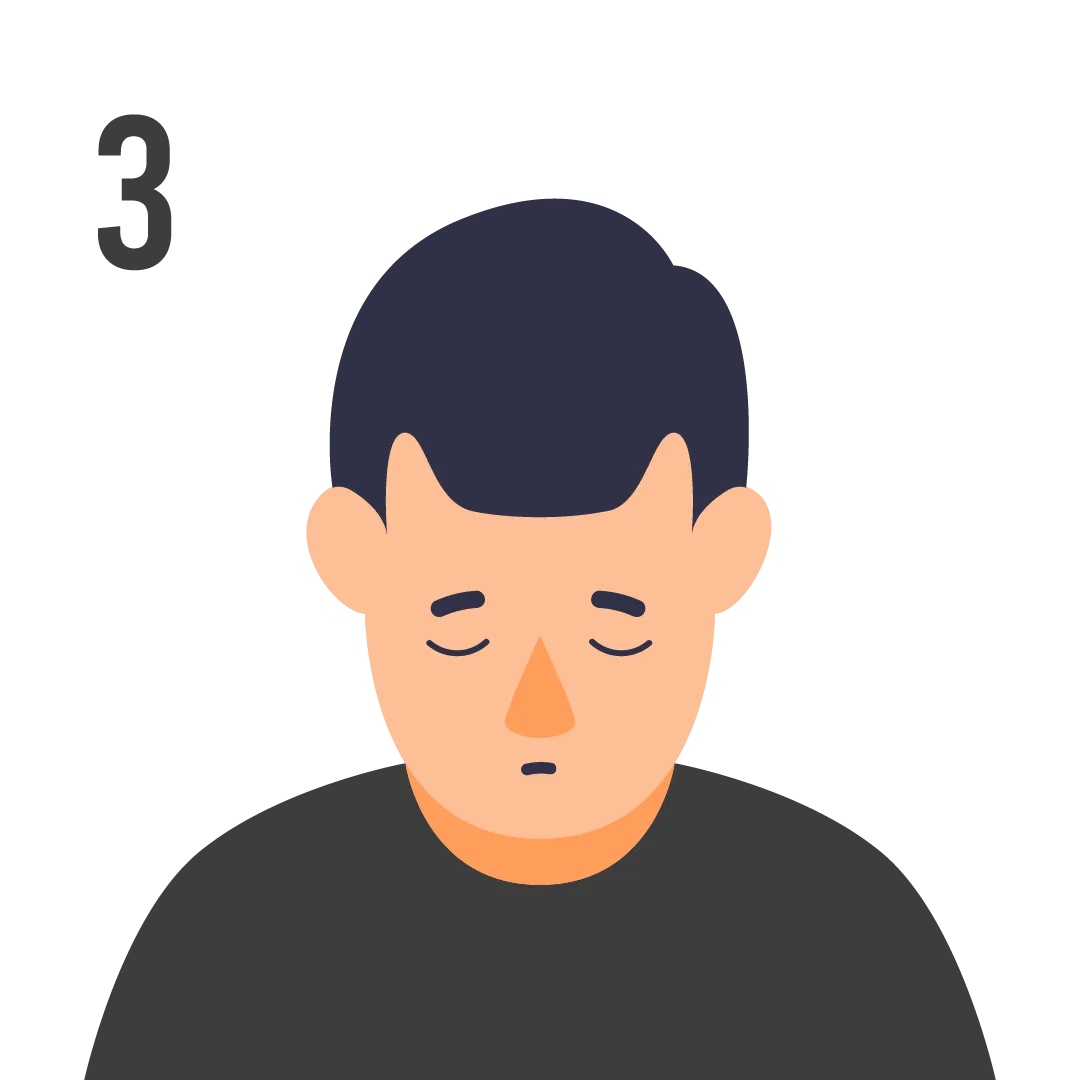
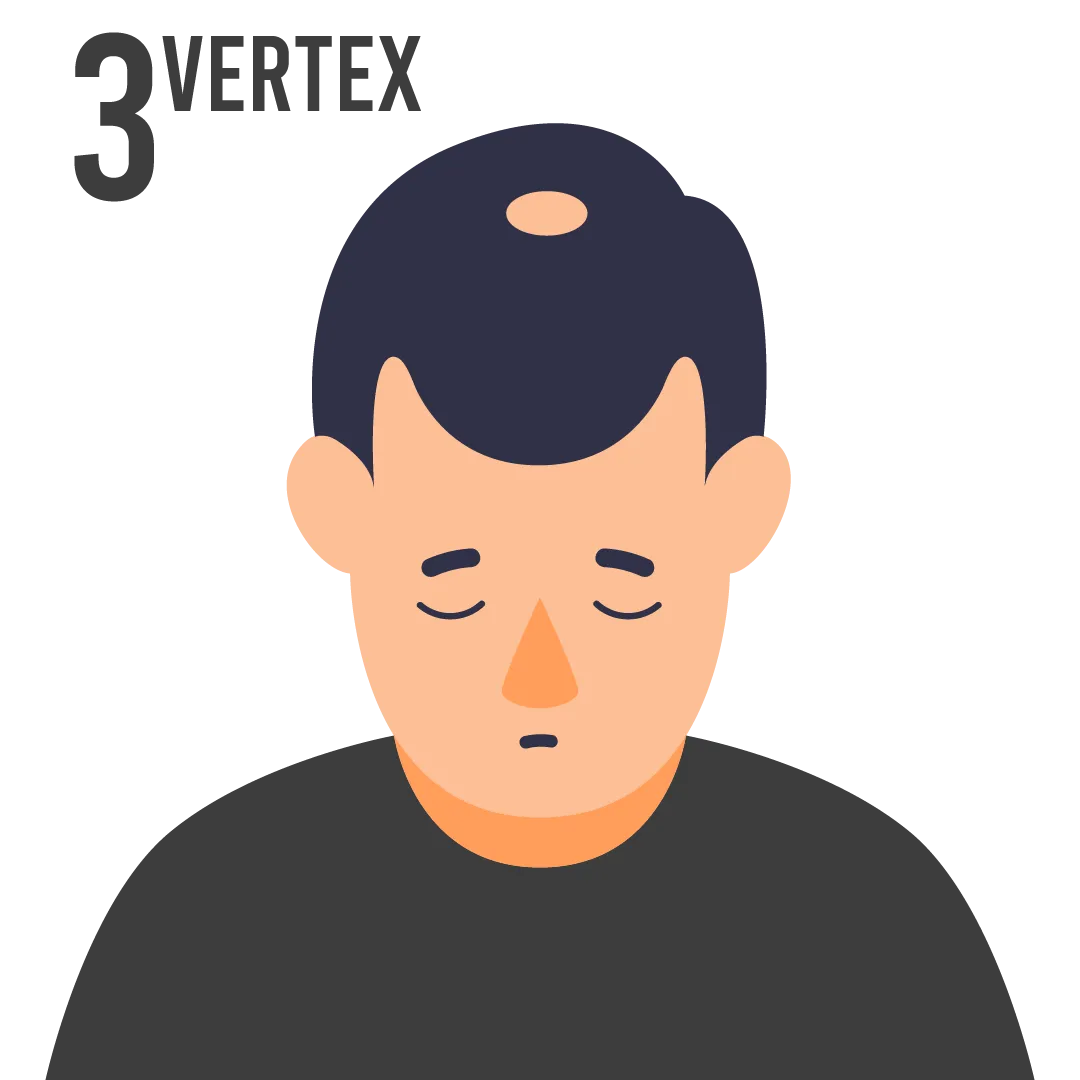
Norwood III Vertex:
Thinning begins at the crown, but the hairline is still intact. Considered early male pattern baldness.
Norwood IV:
Continued hairline recession and thinning at the crown. A strip of hair remains between the frontal and vertex areas.
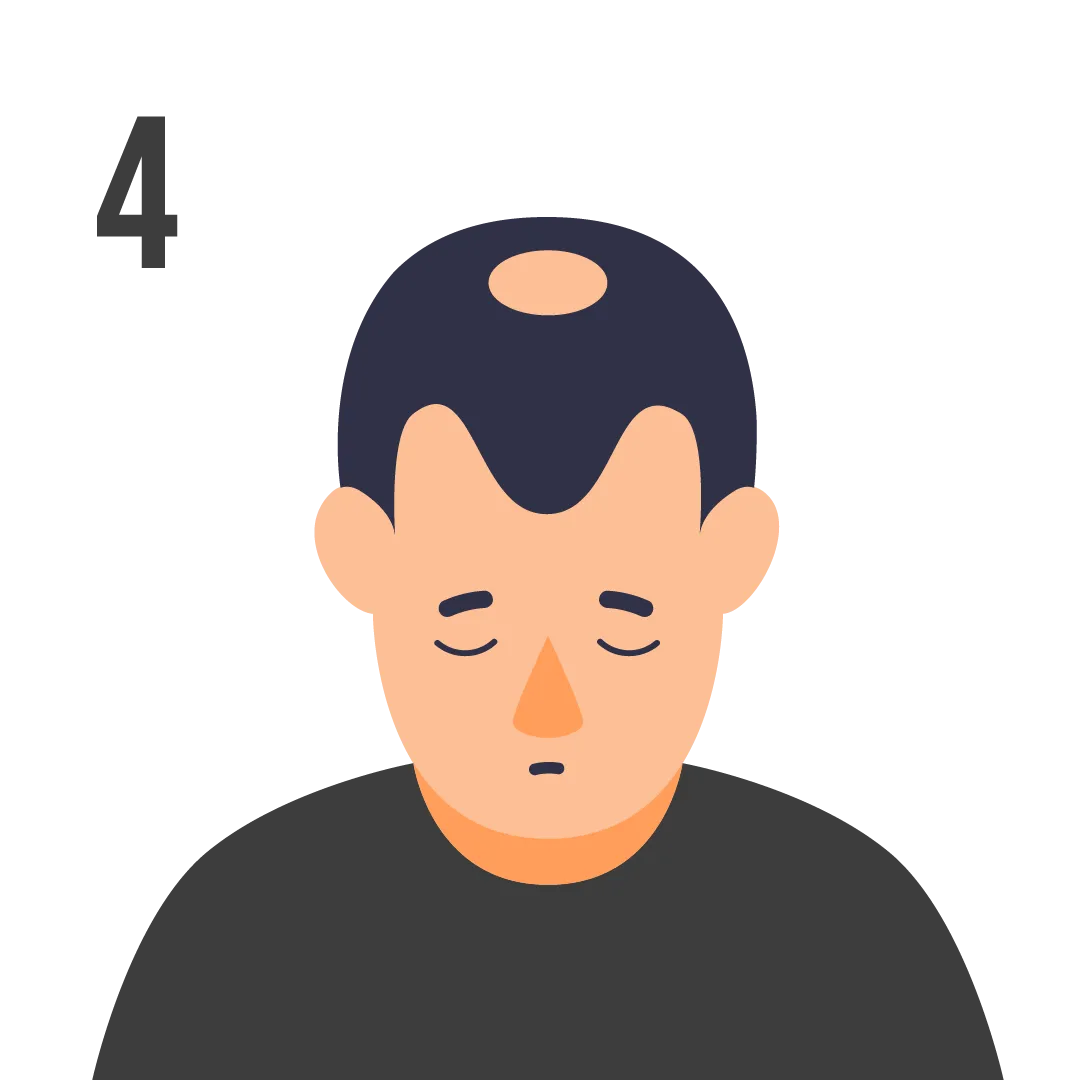
Norwood V:
The connecting hair strip between the front and crown thins further.
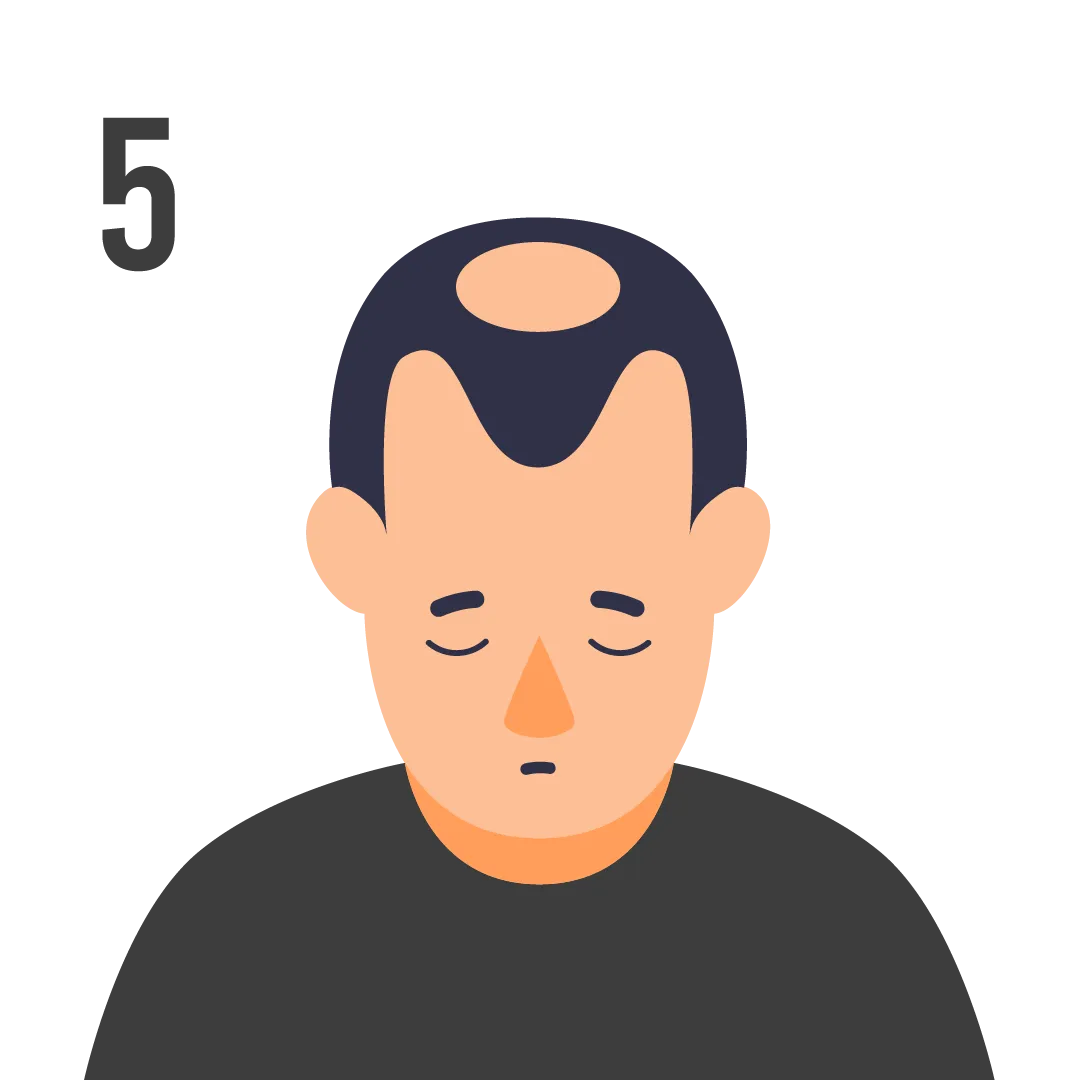
Norwood VI:
The hair loss at the front and crown merges, leaving only a thin rim of hair around the sides and back.
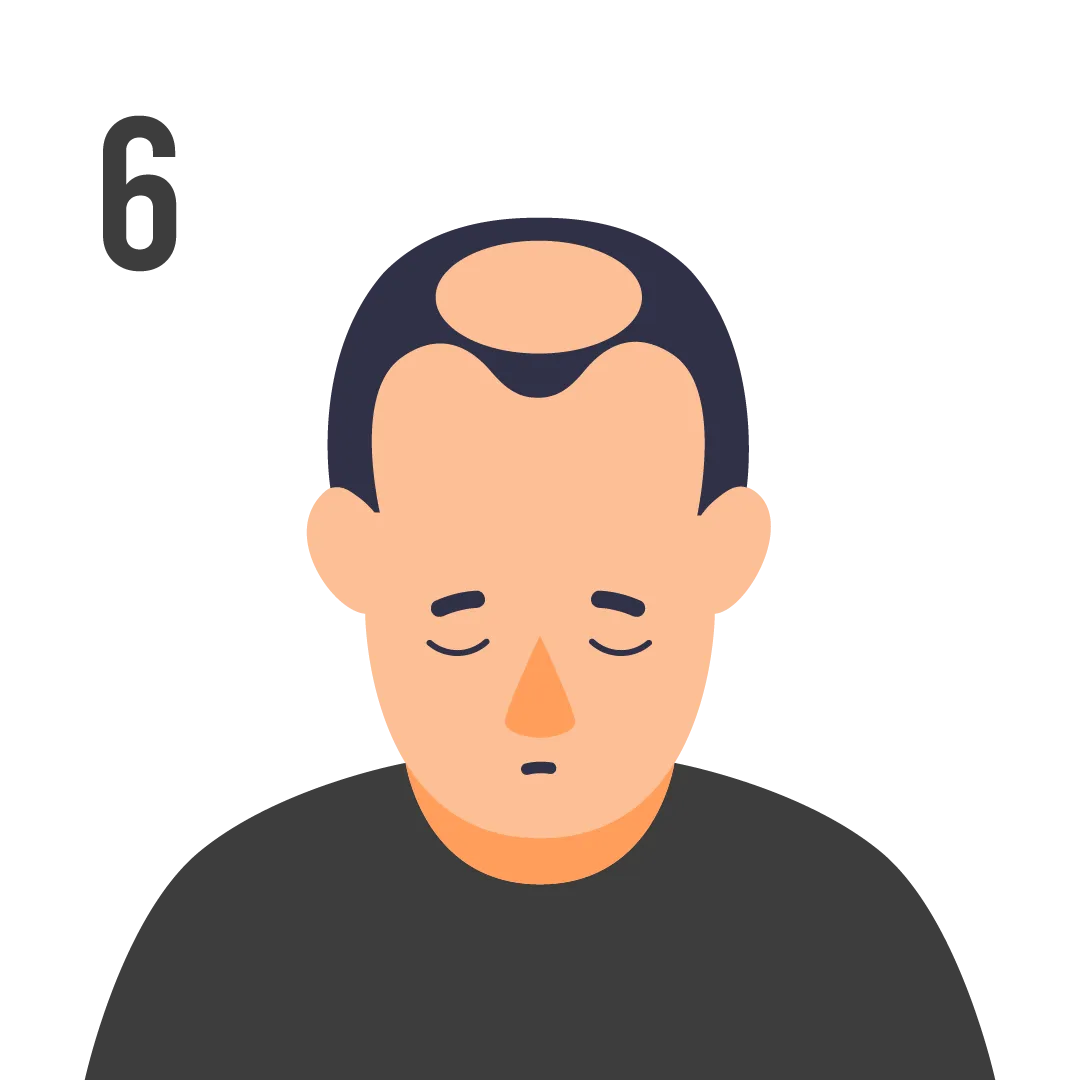
Norwood VII:
The most advanced stage of male pattern baldness, with only a small strip of hair left at the sides and back of the scalp.
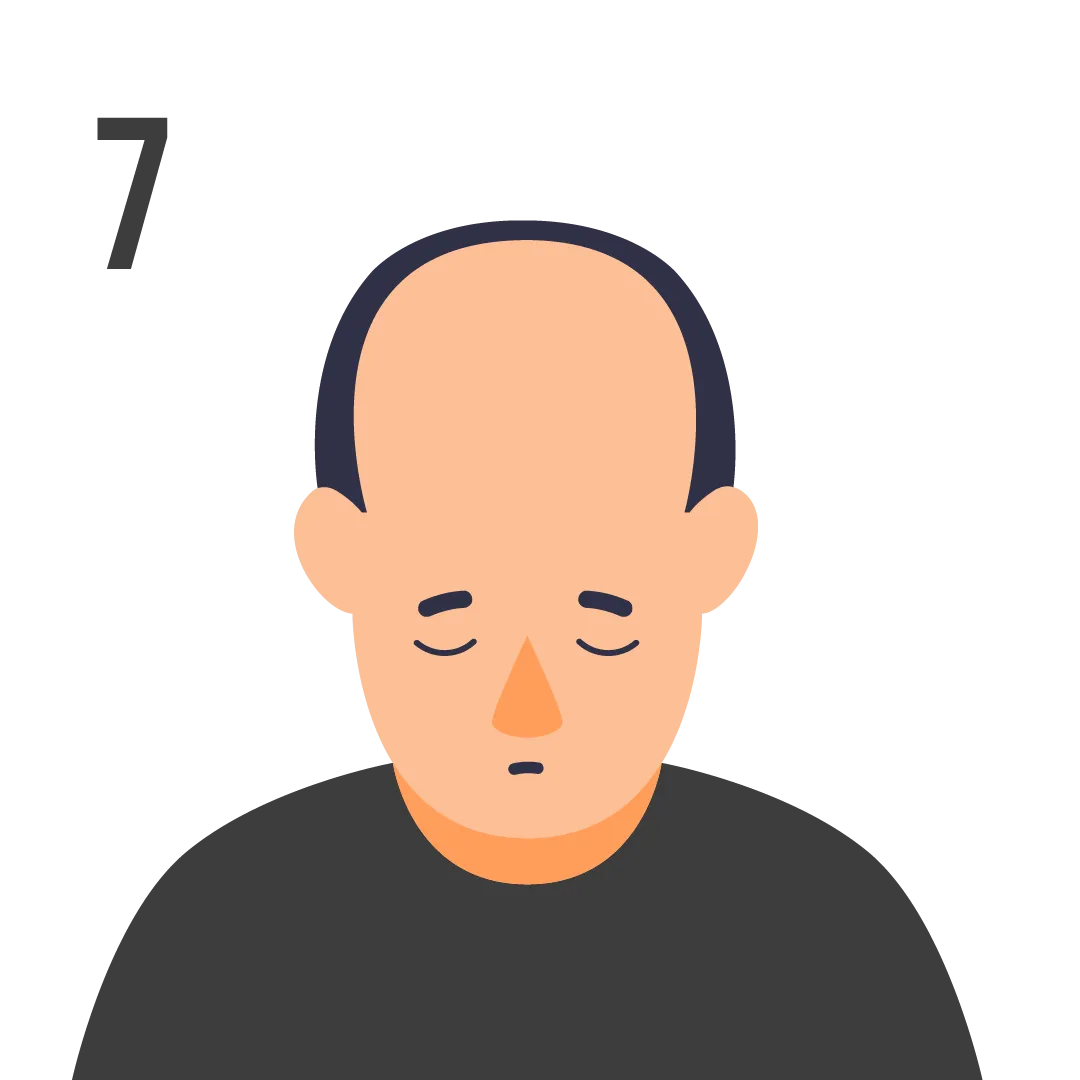
2. Diagnosis of Male Pattern Baldness via the Norwood Scale
To diagnose male pattern baldness, healthcare providers typically perform the following:
Medical History: Helps differentiate male pattern baldness from other hair loss conditions like alopecia areata.
Clinical Inspection: Hairline recession and vertex thinning are compared to the Norwood scale to determine the stage.
Photographic Documentation: Photos from multiple angles provide a clear reference for tracking progression over time.
Trichoscopy: Scalp dermoscopy allows for assessment of hair shaft miniaturization, confirming male pattern baldness.
Scalp Biopsy: Rarely needed, but may be used to rule out other scalp conditions if the diagnosis is unclear.
By correlating findings with the Norwood scale, clinicians can make an accurate diagnosis and develop a treatment plan.
3. Treatment Options for Male Pattern Baldness
Treatment strategies for male pattern baldness vary depending on the stage and severity of the condition.
1. Topical Minoxidil
FDA-approved for male pattern baldness, minoxidil helps improve blood circulation to hair follicles, slowing hair loss and promoting regrowth, especially in the early stages (Norwood II–IV).
2. Oral Finasteride (1 mg/day)
Finasteride inhibits the enzyme 5α-reductase, reducing dihydrotestosterone (DHT), which causes follicular miniaturization. Clinical studies show stabilization and regrowth in about 80% of patients up to Norwood V.
3. Low-Level Laser Therapy (LLLT)
This non-invasive treatment uses lasers to stimulate hair follicles and promote regrowth, effective for Norwood II–IV.
4. Microneedling + PRP (Platelet-Rich Plasma)
Microneedling combined with PRP, which uses autologous growth factors, has shown promising results in improving scalp health and density for mild to moderate hair loss.
5. Hair Transplantation
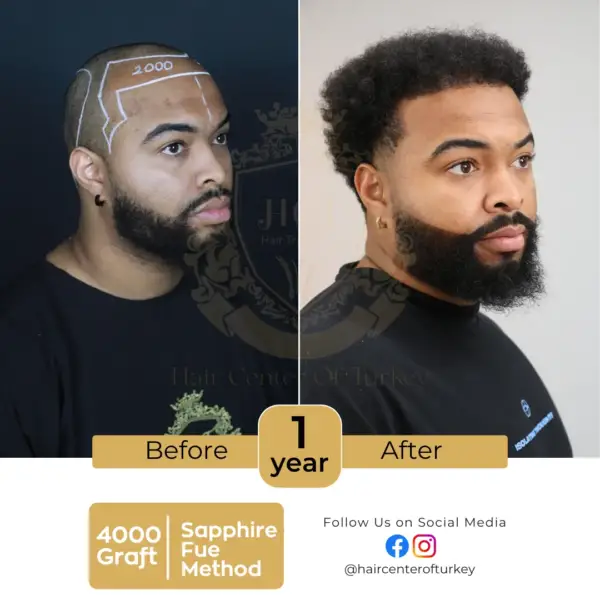
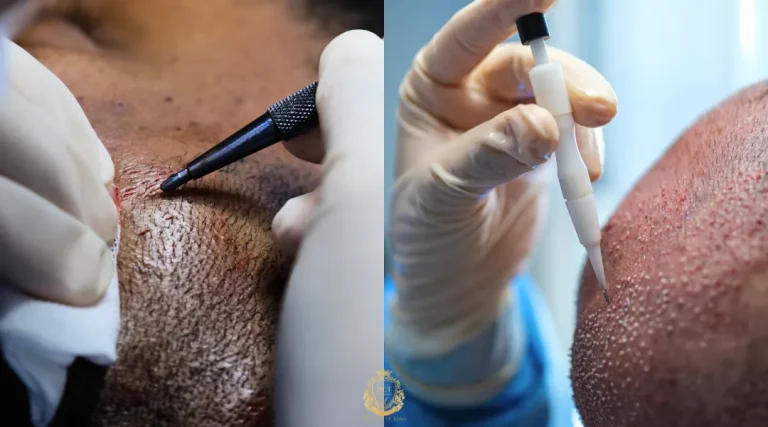
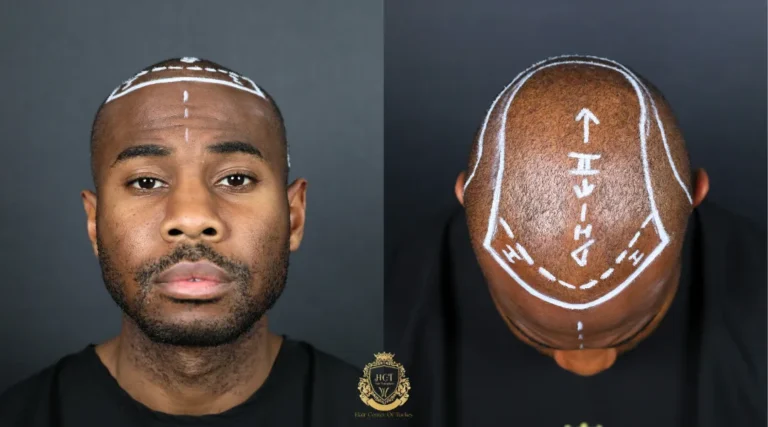
For more advanced stages (Norwood III–VII), hair transplant procedures like FUE (Follicular Unit Extraction) and FUT (Follicular Unit Transplantation) relocate healthy hair follicles from the back of the head to balding areas.
6. Adjunctive Treatments
Shampoos with ketoconazole, topical caffeine, and herbal supplements may provide mild benefits, particularly in early stages.
4. Causes of Male Pattern Baldness
Male pattern baldness is primarily influenced by genetic and hormonal factors:
Genetics: A polygenic inheritance pattern affects androgen metabolism, making men more sensitive to DHT.
DHT Sensitivity: Men with male pattern baldness have hair follicles that are more sensitive to DHT, causing follicular miniaturization.
Age: The likelihood of male pattern baldness increases with age, with more than half of men showing Norwood stage III or higher by the time they reach 50.
Hormonal Factors: The conversion of testosterone to DHT by 5α-reductase is a key driver of male pattern baldness.
Environmental Influences: Smoking, obesity, and poor scalp hygiene can worsen hair loss progression.
Oxidative Stress & Inflammation: These factors contribute to follicular miniaturization and accelerate male pattern baldness.
5. Prevention Strategies for Male Pattern Baldness
Although genetics play a significant role, several strategies can slow the progression of male pattern baldness:
Early Intervention: Begin using treatments like minoxidil or finasteride during Norwood II–III to slow progression.
Lifestyle Optimization: Regular exercise, a balanced diet (with zinc and biotin), and stress management can improve scalp health.
Scalp Care: Use mild cleansers, avoid aggressive chemical treatments, and minimize heat styling to protect the hairline.
Routine Monitoring: Regular scalp exams and photographic documentation every 6–12 months can help detect progression and adjust treatment plans.
Supplemental Therapies: LLLT and microneedling may delay progression, though they are more effective in earlier stages.
6. Takeaway: Male Pattern Baldness & the Norwood Scale
Male pattern baldness is a genetically driven condition that can be managed with the right treatment at the right time. The Norwood scale helps classify the stages of hair loss and serves as a guide for treatment decisions.
From topical treatments in early stages to hair transplantation for more advanced loss, the Norwood scale enables effective management of male pattern baldness. Early diagnosis and personalized treatment are crucial for maintaining scalp health and preventing irreversible hair loss.
Frequently Asked Questions
Can male pattern baldness grow back?
Partially; finasteride or minoxidil can regrow some hair, but complete reversal is rare.
What triggers male pattern baldness?
Genetics and androgen sensitivity to DHT trigger follicle miniaturization.
At what age does male pattern baldness start?
Often begins in late teens to early 20s, but can start later.
Does MPB happen suddenly?
No; it usually progresses gradually over years, though shedding can fluctuate.
Is losing 700 hairs a day normal?
No; typical shedding is about 50–100 hairs daily; 700 suggests excessive loss.
Explore the complete guide: Hair Loss Types and Causes