

What Is Minoxidil And What Does It Do?
Minoxidil is a topical medication used to slow and sometimes reverse pattern hair loss (androgenetic alopecia). It works by shifting follicles into a longer growth phase and gradually increasing hair thickness in responsive areas. Most people need steady use for 3–6 months to see changes, and results are usually maintained only while you keep using it.
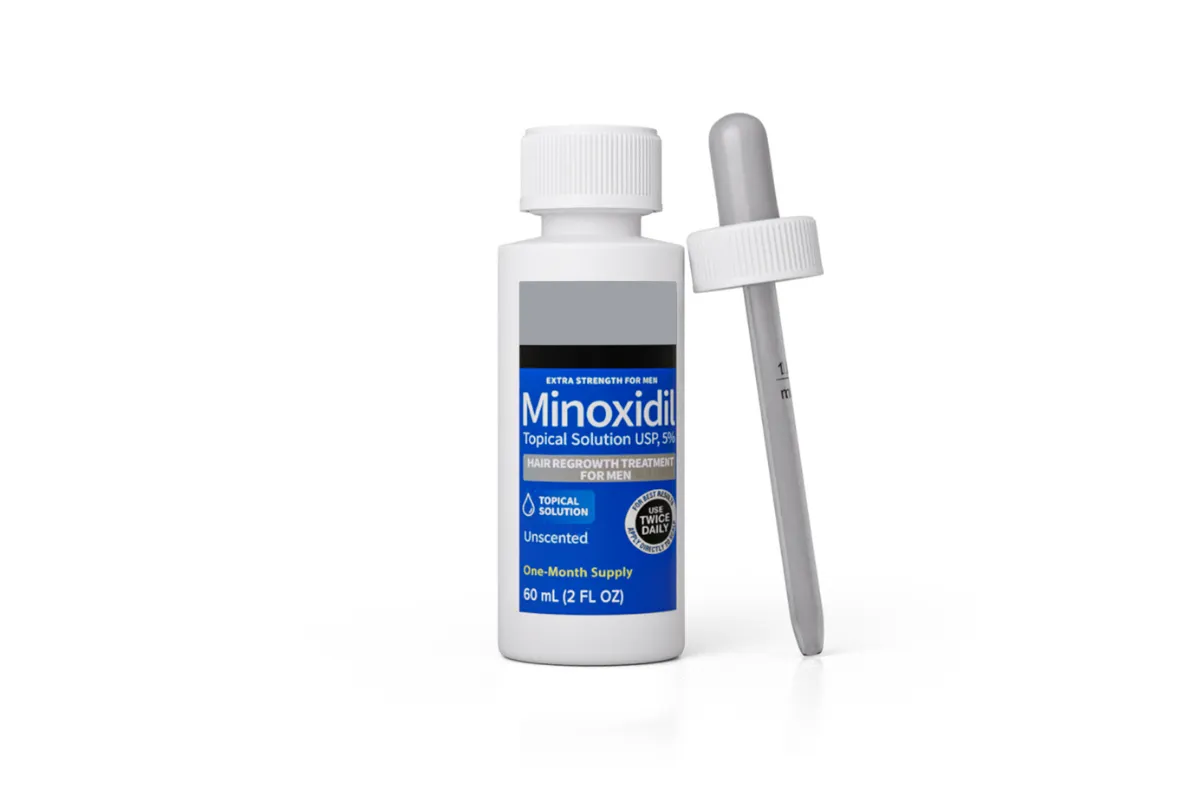
Table of Contents
What Is Minoxidil?
Minoxidil is a medicine that was first used as an oral treatment for high blood pressure. During clinical use, doctors noticed increased hair growth as a side effect. Today, minoxidil is most commonly used as a topical solution or foam applied to the scalp for pattern hair loss.
In many countries, topical minoxidil is available over the counter in different strengths. Products and recommended schedules can vary, so it’s best to follow the label instructions for the exact formulation you’re using.
How Does Minoxidil Work For Hair Growth?
Minoxidil’s hair-growth effect is complex and still not fully mapped out. Research suggests it helps follicles move out of the resting phase and spend longer in the growth phase. Over time, this can increase the diameter of individual hairs and improve the look of density in thinning areas.
Minoxidil is also known as a potassium-channel opener and vasodilator. Those actions may influence the follicle environment and dermal papilla signaling, which are involved in hair cycling.
What Minoxidil Can And Cannot Do
Minoxidil tends to work best for androgenetic alopecia (male and female pattern hair loss), especially when thinning is still in the early to moderate range. Many users see reduced shedding first, then gradual thickening and regrowth in responsive follicles.
It does not create brand-new follicles. If an area is completely bald for many years, scarred, or affected by an inflammatory/scarring alopecia, topical minoxidil is less likely to deliver meaningful improvement.
Who Is Minoxidil For?
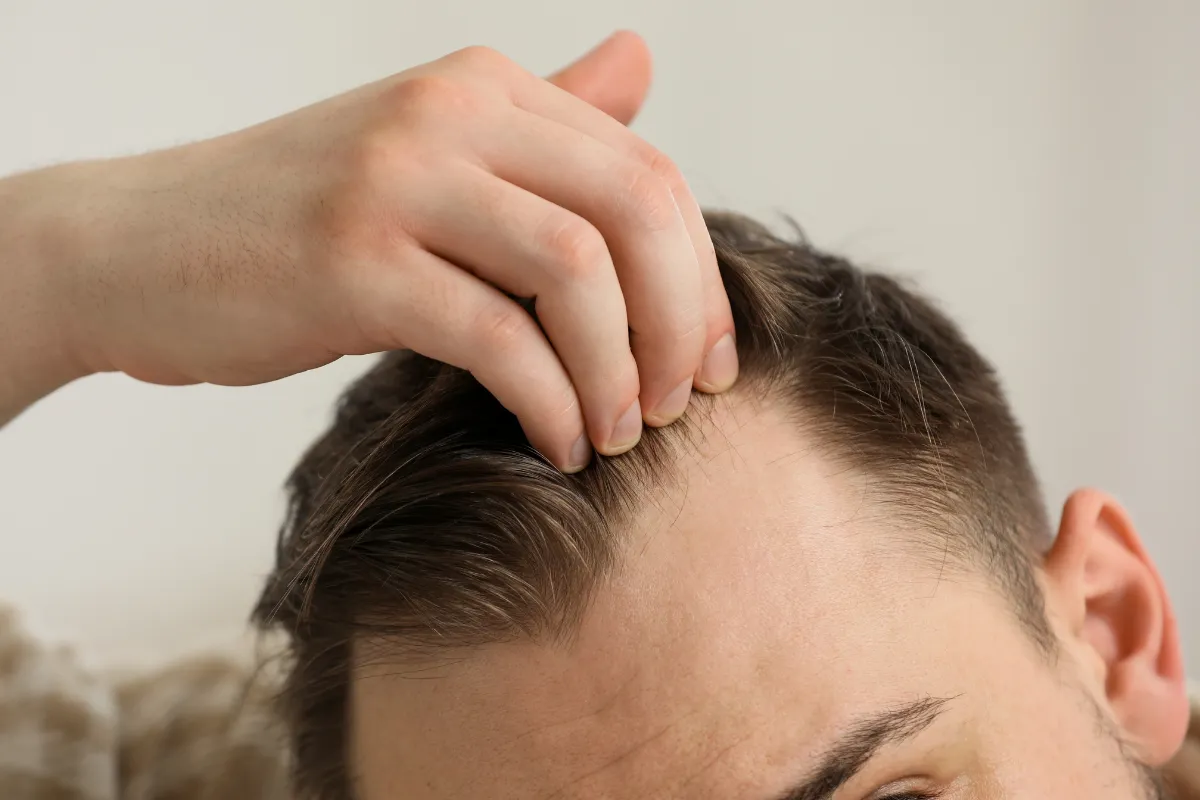
Minoxidil is commonly used by adults with pattern hair loss. It can be a first-line option for both men and women, or a supportive treatment alongside other therapies.
Speak with a clinician before starting if you are pregnant or breastfeeding, have a history of heart disease, experience unexplained fainting or dizziness, or have an active scalp condition (for example, severe dermatitis, infection, or sunburn). Minoxidil should be kept away from children and pets.
How To Use Minoxidil Correctly
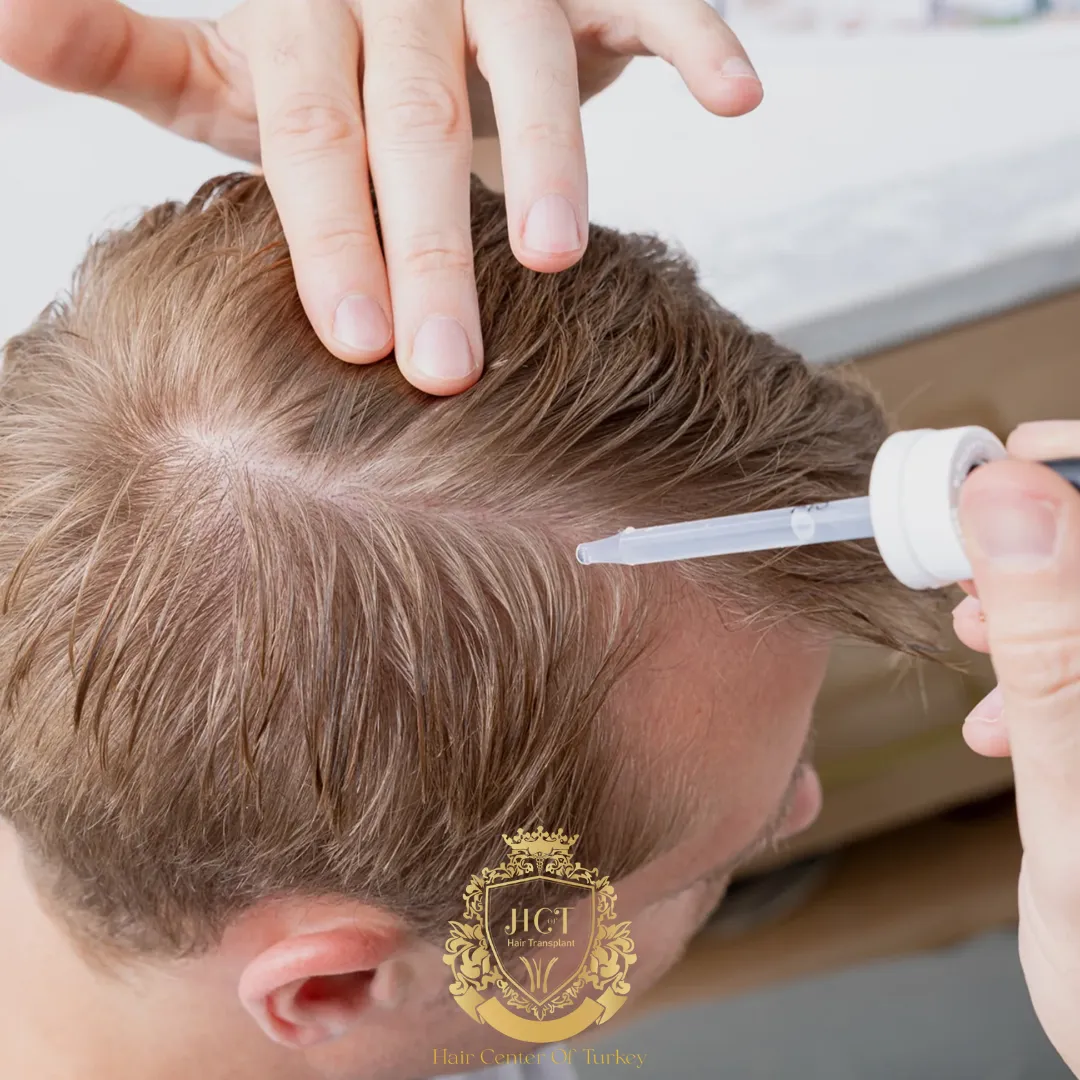
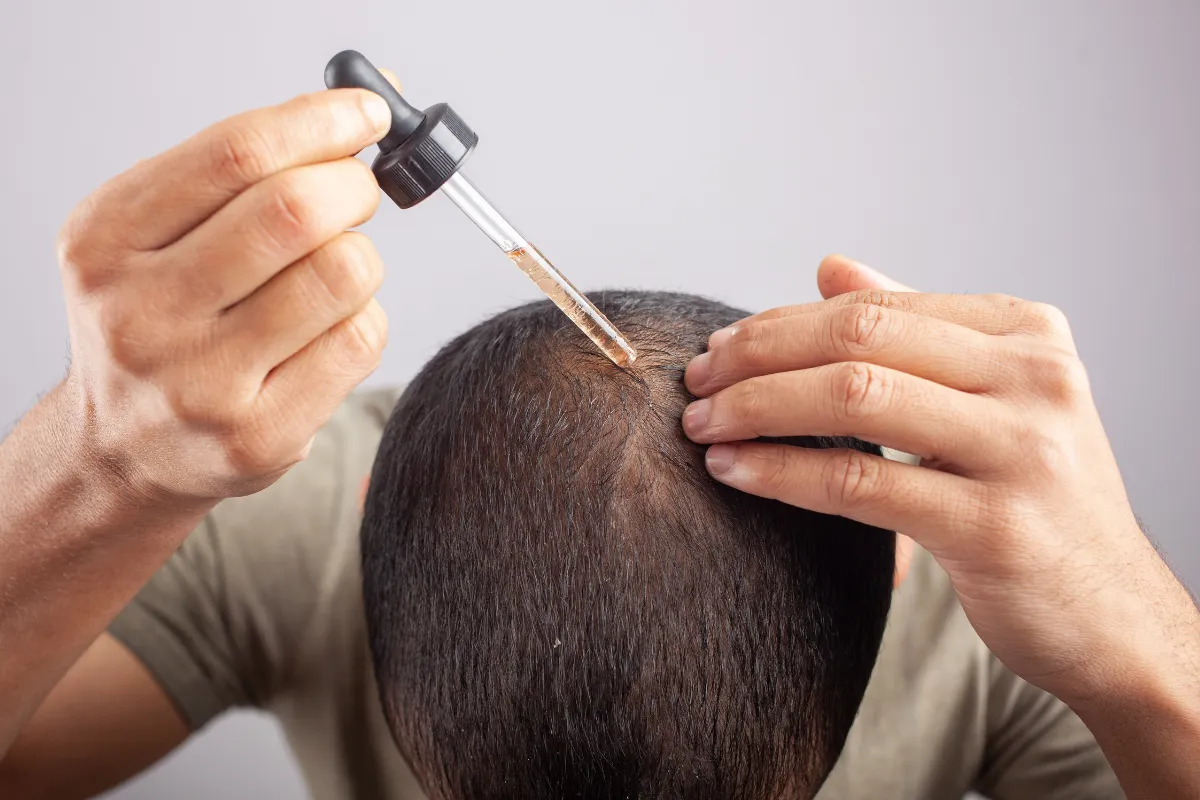
Correct technique matters because minoxidil needs consistent contact with the scalp, not just the hair shafts. Apply it to dry scalp skin, let it fully dry, and wash your hands after use.
Topical Solution
- Part the hair to expose the thinning area and apply the recommended dose directly to the scalp.
- Many 2% and 5% solutions are dosed as 1 mL per application (often twice daily for adults). Follow your product’s label.
- Do not use more than directed. Applying extra will not speed up results and can increase irritation or side effects.
Topical Foam
- Foam is often better tolerated by people who get dryness or flaking from the solution.
- Typical adult dosing is a measured amount (for example, half a capful) applied to the scalp; frequency depends on the product label.
- Let the product dry before lying down, wearing a hat, or using hair products.
Tips To Reduce Irritation
- Start slowly if your scalp is sensitive, then build up to the recommended schedule.
- Use a gentle shampoo and avoid harsh scrubs; friction can worsen itch and flaking.
- If irritation persists, switching from solution to foam may help.
- Stop and seek medical advice if you develop swelling of the face/hands, chest pain, rapid heartbeat, or shortness of breath.
How Long Does Minoxidil Take To Work?
Most people need at least 3 months of consistent use to judge early change, with clearer results often appearing around 6 months. Some shedding in the first weeks can happen as hairs shift into a new cycle, which can look alarming but is often temporary.
Minoxidil is a “use it to keep it” treatment. If you stop after you respond well, the gained or maintained hair typically sheds over the following months and returns toward its prior pattern.
Side Effects And Safety
The most common side effects are local: itching, dryness, scaling, and redness. Unwanted hair growth can also happen if the product spreads to the face or is transferred on hands or pillows.
Less commonly, people can experience systemic effects such as dizziness, a fast heartbeat, or swelling. Stop using the product and seek urgent medical care if you develop chest pain, fainting, or trouble breathing.
Can Minoxidil Be Used With Other Hair Loss Treatments?
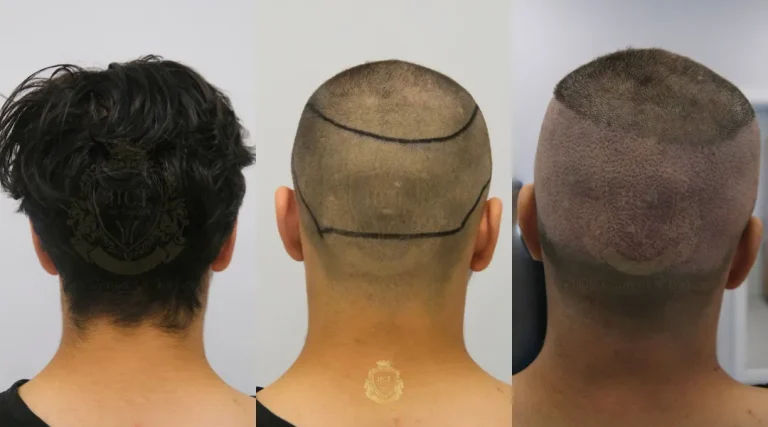
Yes, it is often combined with other approaches. For men with androgenetic alopecia, clinicians may pair minoxidil with finasteride when appropriate. Minoxidil is also frequently used before and after a hair transplant to support existing hair and reduce ongoing thinning.
FAQs
What is the downside of minoxidil?
Downsides include scalp irritation, initial shedding, unwanted hair growth, and rare heart symptoms.
Is minoxidil safe for migraines?
Minoxidil can cause headaches; if migraines worsen, stop and consult your clinician.
Does minoxidil really regrow hair?
Minoxidil can regrow hair in many users, especially early androgenetic alopecia.
How to use minoxidil on eyebrows?
Off-label: use a tiny amount once daily with a swab, avoiding eyes; stop if irritation.
Why do people avoid minoxidil?
People avoid it due to irritation, early shedding, daily commitment, slow results, and side-effect worries.
Explore the complete guide: Hair Loss Treatments