


What Is Ketoconazole Shampoo?
Ketoconazole shampoo is a medicated antifungal shampoo used to reduce yeast on the scalp and treat conditions such as dandruff and seborrheic dermatitis. At Hair Center of Turkey, an Istanbul hair transplant and scalp health clinic established in 2014, our team of three specialist doctors performs more than 3,000 hair transplant procedures each year and regularly evaluates scalp conditions that may affect hair growth and recovery. Ketoconazole shampoo is commonly recommended as part of a comprehensive scalp care plan for suitable patients with dandruff, seborrheic dermatitis, or excessive scalp inflammation.
Most people use ketoconazole shampoo two or three times a week for several weeks before switching to a maintenance routine, depending on the product strength and medical advice. While it is best known as an antifungal treatment, maintaining a healthy scalp environment may also support overall hair health in some patients. In this guide, the specialists at Hair Center of Turkey explain how ketoconazole shampoo works, its benefits, possible side effects, and when it may be appropriate as part of a broader hair loss treatment plan.
Table of Contents
What Ketoconazole Shampoo Is
Ketoconazole shampoo contains ketoconazole, an antifungal ingredient that targets Malassezia yeast. This yeast naturally lives on skin, but it can overgrow and trigger flaking, itching, redness, and greasy scale on the scalp or body.
You may see ketoconazole shampoo sold in different strengths. In many countries, 1% formulas are available without a prescription, while 2% formulas are prescription-only or pharmacy-supplied depending on local regulations.
What Ketoconazole Shampoo Is Used For
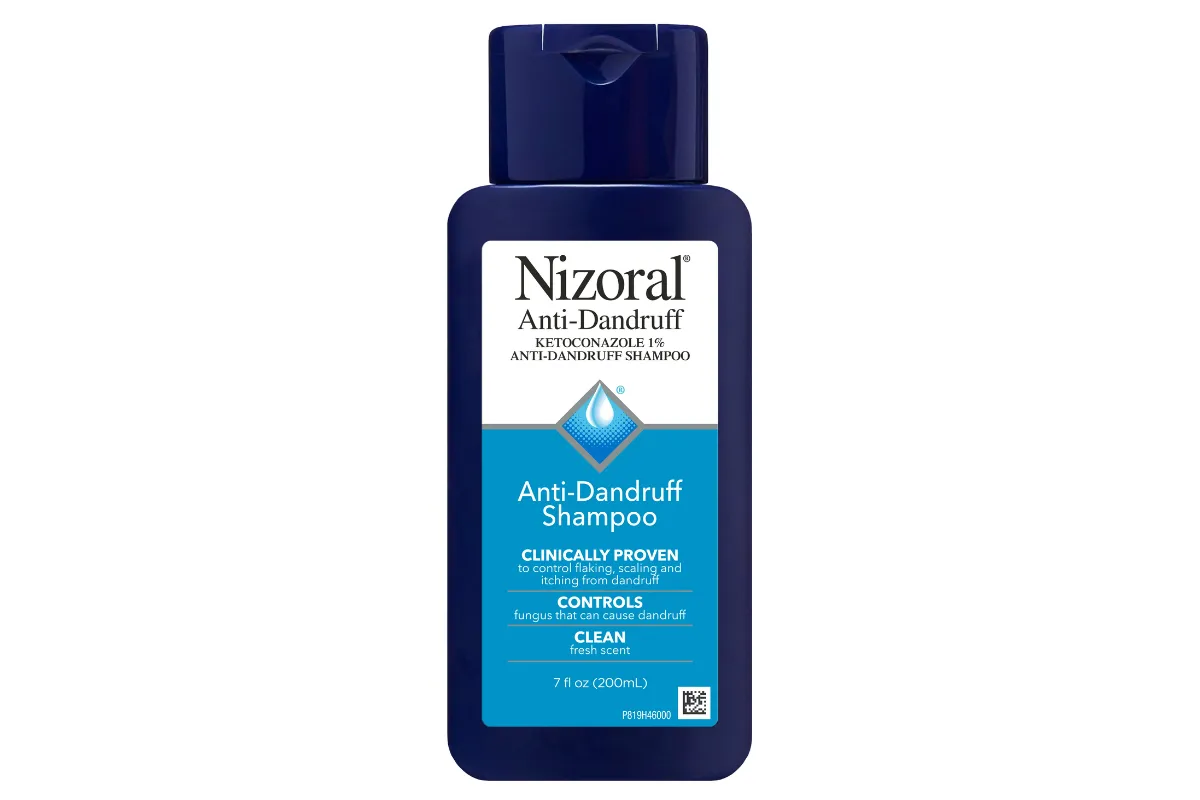
Ketoconazole shampoo is most often used for scalp conditions linked to yeast overgrowth. It may also be used on the body for certain fungal skin problems, depending on the specific product and medical guidance.
Common Uses
- Dandruff (flaking, scaling, and itch).
- Seborrheic dermatitis (more persistent redness, greasy scale, and irritation).
- Tinea (pityriasis) versicolor on the body (patchy light or dark areas linked to yeast).
How Ketoconazole Shampoo Works
Ketoconazole slows the growth of yeast on the skin. When the yeast level drops, related symptoms—like flaking, itch, and inflammation—usually improve.
It can also help break the cycle of irritation and scratching that keeps the scalp inflamed, which is why many people notice relief as the scalp barrier calms down.
How To Use Ketoconazole Shampoo
Exact directions depend on the strength and the condition you’re treating. Always follow the label instructions or your clinician’s plan.
For The Scalp
- Wet hair and scalp thoroughly.
- Apply a small amount and massage into the scalp (not just the hair).
- Leave on for 3–5 minutes so it can work.
- Rinse well. If the label says to repeat, apply a second time and rinse again.
A common schedule for dandruff or seborrheic dermatitis is twice weekly for 2–4 weeks, then once every 1–2 weeks as maintenance if symptoms return.
For The Body (If Directed)
Some 2% ketoconazole shampoos are used for tinea versicolor. Application schedules vary by product and region, so follow the instructions provided. Typically, you apply it to damp skin, lather, leave it on for a few minutes, then rinse.
Tips For Better Results
- Avoid getting shampoo in your eyes; rinse with plenty of water if this happens.
- If your scalp feels dry, alternate with a gentle, non-medicated shampoo and use a light conditioner on hair lengths (not the scalp).
- If you’ve been using a topical steroid on your scalp for a long time, ask a clinician how to taper it—stopping suddenly can cause rebound irritation.
Side Effects And Safety
Most people tolerate ketoconazole shampoo well, but side effects can happen—especially if you use it more often than recommended.
Common Side Effects
- Mild scalp or skin irritation, itching, or redness.
- Dryness or changes in hair feel.
- Temporary oiliness or residue if it’s not rinsed thoroughly.
Less Common But Important
- Rash, swelling, or signs of an allergic reaction—stop use and seek medical advice.
- Hair discoloration or texture changes, particularly in chemically treated or color-treated hair.
Do not use on broken or inflamed skin unless your clinician specifically advises it. If you’re pregnant or breastfeeding, or if you’re considering use for a child, it’s safer to check with a healthcare professional first.
Who Might Benefit Most

Ketoconazole shampoo is a practical option when symptoms suggest yeast involvement. It tends to be most useful for people with recurring dandruff, seborrheic dermatitis, or a diagnosed yeast-related skin condition.
When To Get Checked
If your symptoms don’t improve after 2–4 weeks of correct use, or if you have thick plaques, bleeding, or widespread redness, a clinician can confirm the diagnosis. Conditions like psoriasis, eczema, and contact dermatitis can look similar but need different treatment.
Can It Help With Hair Loss?
Ketoconazole shampoo is not approved as a hair-loss treatment. Still, some clinicians use it as a supportive step for scalp health—especially when dandruff or inflammation is present—because a calmer scalp may reduce shedding triggered by irritation. If your goal is hair-loss treatment, it’s worth discussing evidence-based options with a dermatologist.
Using Ketoconazole Shampoo With Other Treatments
Ketoconazole shampoo can usually be combined with other dandruff or scalp-care treatments, but it helps to keep the routine simple to avoid irritation.
- Alternate days: use ketoconazole on its schedule and a gentle shampoo on other days.
- If you use leave-on treatments (like lotions or scalp serums), apply them after the scalp is fully dry.
- If you’re mixing multiple medicated products (for example, steroid solutions, salicylic acid, selenium sulfide, or zinc shampoos), ask a clinician or pharmacist for a safe schedule.
FAQ
How often should I use ketoconazole shampoo for dandruff?
Many people use it twice a week for 2–4 weeks, then once every 1–2 weeks for maintenance. Follow your product label or clinician instructions.
How long should I leave it on?
Most labels recommend leaving it on the scalp for about 3–5 minutes before rinsing.
Can I use it every day?
Daily use can be too drying for many people. If you feel you need daily treatment, get advice to confirm the diagnosis and choose the safest plan.
Can I use conditioner after ketoconazole shampoo?
Yes. Apply conditioner mainly to the mid-lengths and ends, and rinse well to avoid buildup on the scalp.
When should I stop and get medical advice?
Stop and seek advice if you develop a rash, swelling, severe burning, or if symptoms worsen or don’t improve after a few weeks.
Explore the complete guide: Hair Loss Treatments