

What Happens When A Hair Transplant Fails?
A “failed” hair transplant usually means grafts didn’t survive, growth is far below expected, or the result looks patchy or unnatural after the normal 9–12 month timeline. Common reasons include aftercare mistakes, infection, poor planning, or technical issues during placement. The next step is a structured review with your clinic and, when needed, a second opinion.

Table of Contents
What Counts As Hair Transplant Failure?
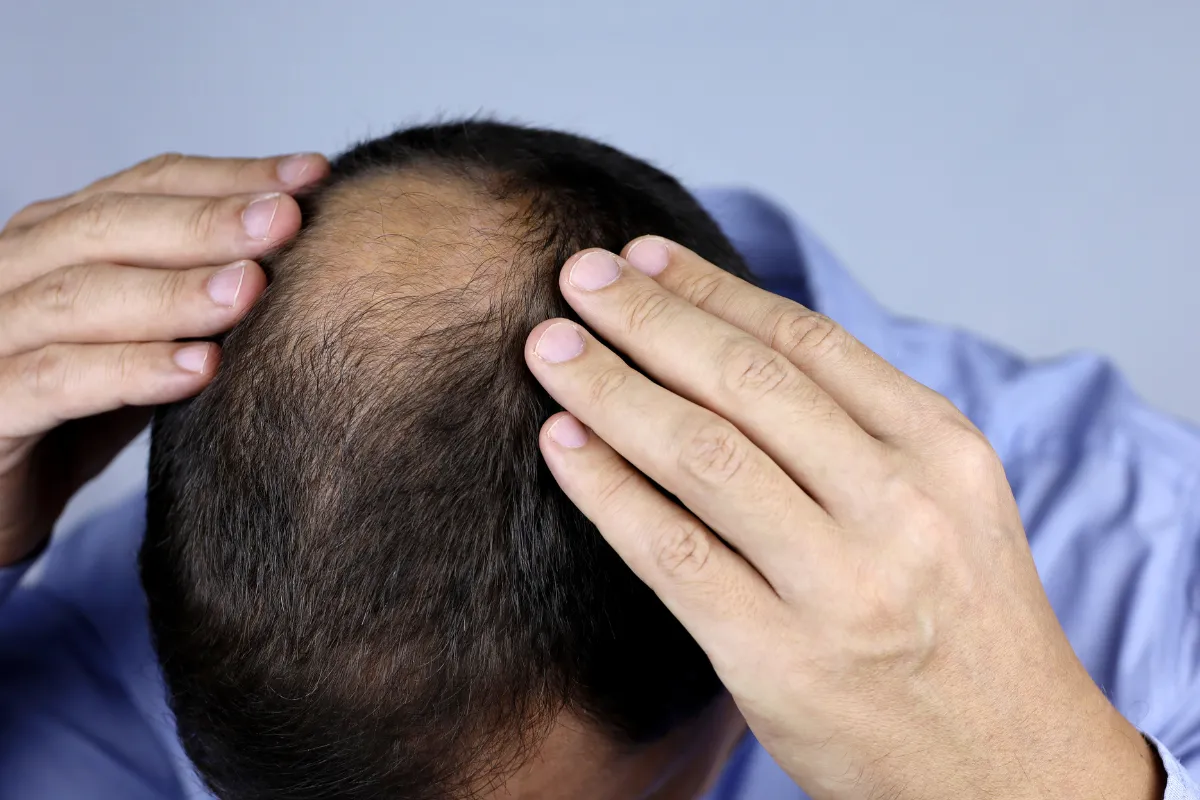
Not every slow result is a failure. Hair transplants follow a predictable cycle, and the first months can look worse before they look better. Clinicians usually consider “failure” when the growth is clearly below a reasonable expectation after the standard timeline, or when complications permanently damage grafts or the scalp.
A result may be described as a failure when one or more of the following is present:
- Minimal visible growth after the expected maturation period
- Persistent patchiness or poor density in the transplanted zones
- Unnatural hairline design or incorrect graft direction that looks “pluggy” or irregular
- Significant scarring or skin damage that limits styling options
- Complications such as ongoing inflammation or infection that disrupt healing
Normal Healing Timeline vs True Failure
Understanding timing helps you avoid panic and avoid “fixing” things too early.
Weeks 1–6
Redness, mild swelling, scabbing, and temporary shedding are common. Many patients experience shock loss around the transplanted area or in existing hairs nearby.
Months 2–4
The scalp usually looks calmer, but visible growth can still be limited. This is a quiet phase for many patients.
Months 4–8
New hairs typically start to show and slowly thicken. Density can look uneven at first because follicles “wake up” at different times.
Months 9–12
This is when most people can judge the outcome. Some cases continue improving beyond 12 months, but major gaps or absent growth by this stage deserve a formal evaluation.
Why A Hair Transplant Might Not Work
Hair transplant outcomes depend on planning, surgical technique, and healing conditions. These are common contributors to poor growth:
Aftercare problems: Excessive rubbing, early sweating, sun exposure, or not following washing instructions can dislodge grafts and irritate the scalp.
Infection or prolonged inflammation: Bacterial infection, folliculitis, or untreated skin conditions can interfere with graft survival.
Technical issues during extraction or placement: Over-handling grafts, poor hydration, too much trauma, or incorrect depth can reduce survival.
Poor candidate selection or unrealistic density targets: Severe ongoing hair loss, limited donor supply, or a plan that ignores future thinning can lead to a thin or uneven look.
Smoking and general health factors: Smoking, uncontrolled diabetes, poor nutrition, and sleep apnea can affect circulation and wound healing.
Underlying scalp disease: Seborrheic dermatitis, psoriasis, or scarring alopecias may need control before surgery to protect grafts.
Signs Your Hair Transplant May Have Failed
Consider an assessment if you notice these patterns, especially after month 9:
- Little to no new growth in the transplanted area
- A clearly patchy result that does not improve month to month
- Persistent redness, tenderness, pustules, or crusting that keeps returning
- Widening scars or a donor area that looks over-harvested
- Hairline shape or direction that looks unnatural in normal lighting
What To Do If You Think It Failed
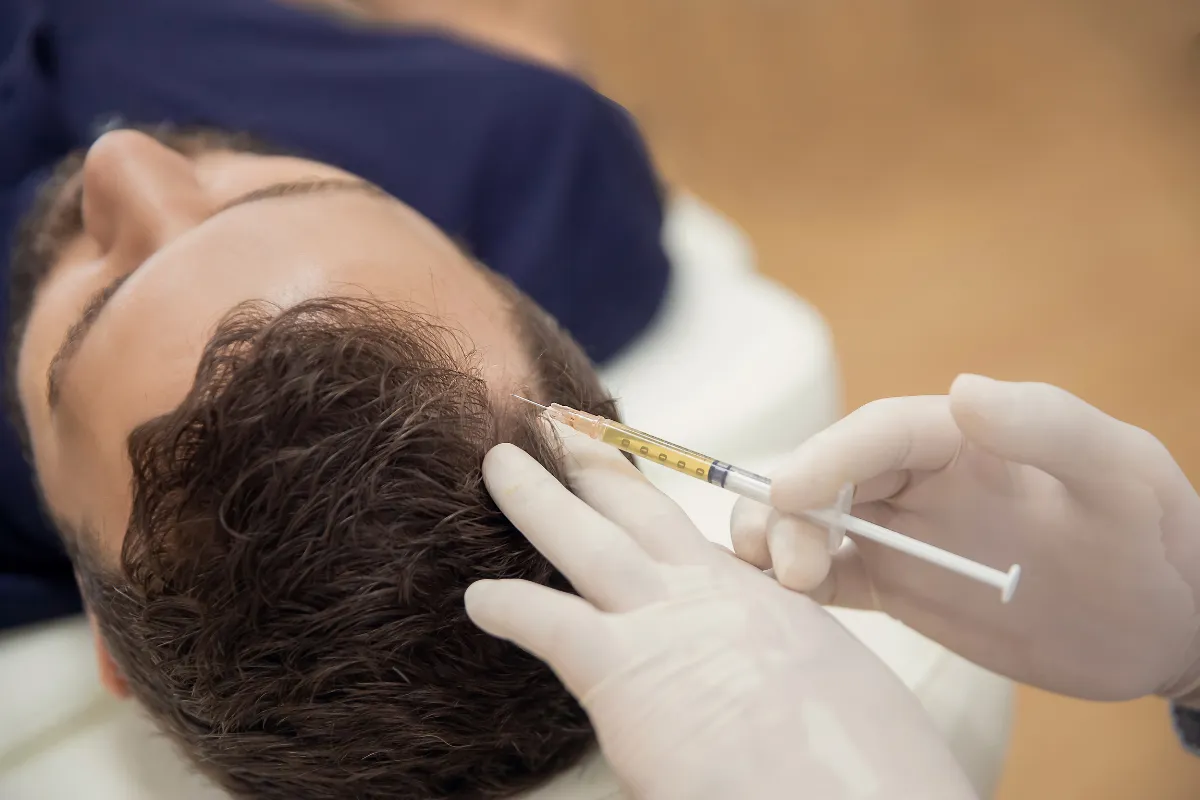
Act in steps. The goal is to protect the scalp, confirm the cause, and choose the least invasive fix that can deliver a stable result.
1) Document Progress
Take photos every 2–4 weeks in the same lighting, angle, and distance. Bring these to your follow-up so the discussion stays objective.
2) Request A Proper Clinical Review
Ask your clinic to review your case in person. A useful review looks at donor quality, recipient healing, graft placement pattern, and any medical factors that may have affected survival.
3) Get A Second Opinion If Needed
If answers feel vague, consult an independent hair restoration surgeon or a dermatologist with hair-loss experience. A fresh evaluation can clarify whether the issue is growth, design, scarring, or ongoing hair loss.
4) Avoid “DIY Fixes”
Avoid aggressive scalp treatments, heavy oils, harsh scrubs, or unapproved medication changes. These can worsen irritation and make revision work harder.
Can A Failed Hair Transplant Be Corrected?
Often, yes. The best option depends on donor availability, scalp condition, and the reason the first result underperformed.
Revision Hair Transplant
A second procedure can add density, correct gaps, or redesign an unnatural hairline. Revision planning usually focuses on conservative density, correct angles, and protecting the donor area.
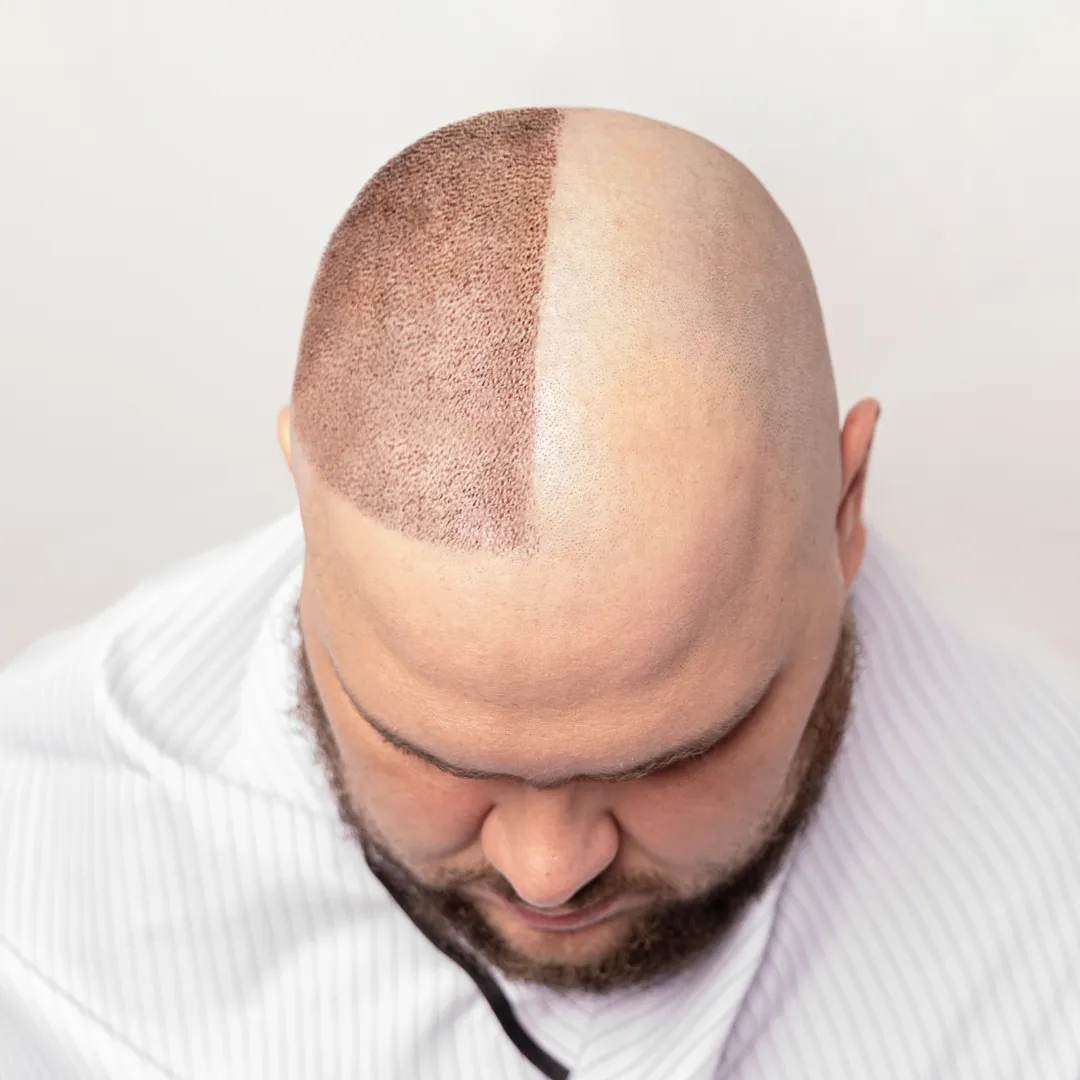
Scalp Micropigmentation (SMP)
SMP creates the appearance of density by adding pigment to the scalp. It can work well for mild thinning, visible scarring, or limited donor supply.
Medical Support
Depending on your diagnosis, a clinician may recommend treatments that support existing hair and reduce ongoing loss. This can include prescription therapies, topical options, or in-clinic supportive treatments such as PRP. These do not replace surgery when graft survival is poor, but they can strengthen the overall plan.
Camouflage And Styling Strategies
In some cases, a haircut change, fibers, or targeted concealers can make the appearance acceptable while you wait for the 9–12 month mark or plan a revision.
How To Reduce The Risk Of Failure
A strong plan starts before surgery.
- Choose a clinic that shows consistent, real patient results and explains the plan clearly
- Confirm who performs each step of the procedure and what technique is being used
- Discuss donor limits and a long-term strategy for future hair loss
- Stop smoking before and after the procedure if possible
- Follow washing, sleeping, and activity instructions exactly during the first two weeks
- Treat active scalp conditions before surgery and keep follow-ups on schedule
FAQs
Can a failed hair transplant be fixed?
Yes; revision transplant, camouflage, or scalp micropigmentation can correct most problems.
How common are failed hair transplants?
Uncommon; true graft failure is rare, but poor results occur.
Can a hair transplant be done twice?
Yes, if enough donor hair remains and the scalp is healthy.
What is the most common cause of transplant failure?
Poor surgical technique, especially graft dehydration or trauma during harvesting and placement.
What are the signs of a failed hair transplant?
What are the signs of a failed hair transplant?
Explore the complete guide: Hair Transplant Results