

Scalp Tumors
Scalp tumors are growths on the scalp that can be benign (such as cysts or lipomas) or malignant (skin cancers like basal cell carcinoma, squamous cell carcinoma, or melanoma). Because the scalp is often hard to examine, new or changing lumps, sores, or moles should be assessed by a dermatologist for an accurate diagnosis and timely treatment.
Scalp lumps are common and many turn out to be harmless. Still, the scalp can also develop skin cancers, and early evaluation makes treatment simpler and outcomes better. If you notice a growth that is new, growing, bleeding, painful, or not healing, arrange a medical review.
Table of Contents
What Are Scalp Tumors?
Scalp tumors are abnormal growths that develop on the scalp from skin cells, hair follicles, oil glands, blood vessels, or deeper tissues. They range from slow-growing, non-cancerous lesions to aggressive cancers. A visual exam can suggest the cause, but testing is sometimes needed to confirm it.
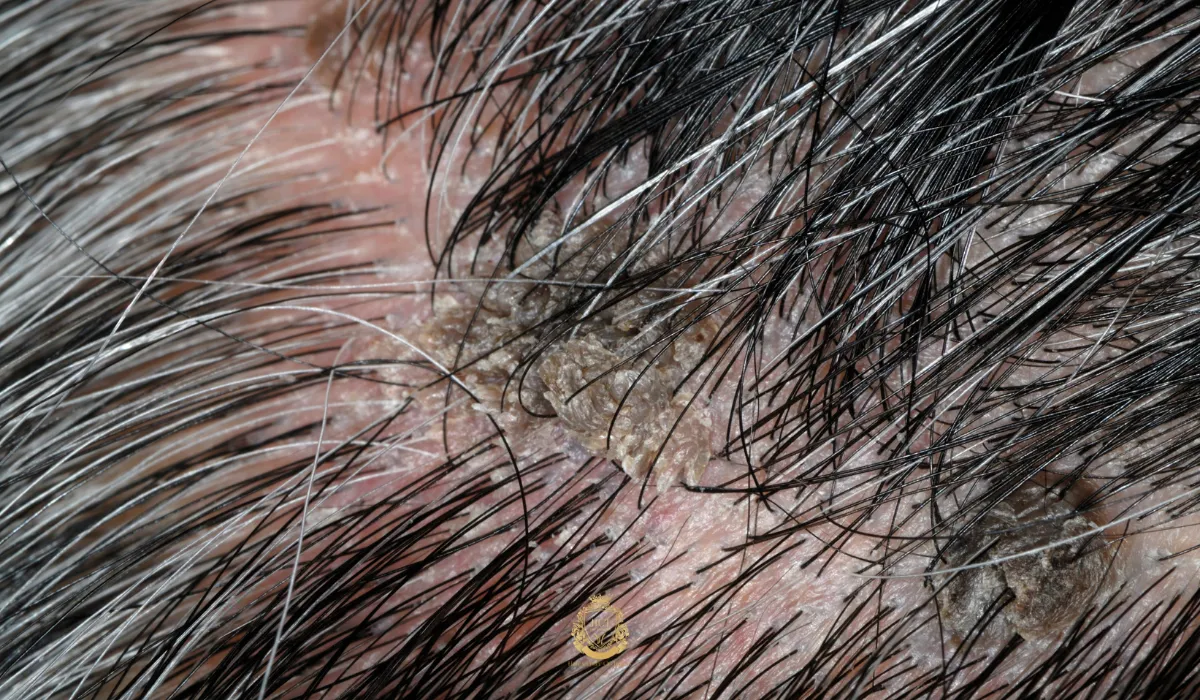
Benign Scalp Tumors
Benign tumors do not spread to other parts of the body, but they can become irritated or infected, especially in areas that are brushed, shaved, or exposed to sun. Common examples include pilar (trichilemmal) cysts, epidermoid cysts, lipomas, and seborrheic keratoses. Treatment is often optional unless the lesion is symptomatic or changing.
Malignant Scalp Tumors
Malignant scalp tumors are cancers that can invade nearby tissue and, in some cases, spread to lymph nodes or other organs. The most common are basal cell carcinoma and squamous cell carcinoma, while melanoma is less common but more dangerous. Persistent non-healing sores, a rapidly enlarging lump, or a changing mole deserve urgent assessment.
Common Causes Of Scalp Tumors
Scalp tumors can form for many reasons, and the cause is not always clear. Factors that can increase risk include:
- Excessive sun exposure: ultraviolet (UV) radiation damages skin cells and raises the risk of skin cancer on exposed or thinning hair areas.
- Genetic predisposition: a family history of certain skin conditions or cancers can increase susceptibility.
- Skin disorders: some chronic scalp conditions are associated with abnormal cell growth or long-term irritation.
- Chronic inflammation or infection: repeated irritation, inflammation, or infection may contribute to the development of some lesions.

How To Prevent Scalp Tumors
Not every scalp tumor can be prevented, but sun protection and regular checks reduce the risk of missed skin cancers. These habits can help:
- Use broad-spectrum sunscreen on exposed scalp areas, or wear a hat when outdoors.
- Check your scalp monthly, especially along part lines and at the hairline; ask someone to help if needed.
- Seek care for new moles, lumps, or sores that persist, bleed, or change.
- Avoid harsh chemicals and treat chronic scalp inflammation promptly.
- Schedule periodic skin exams with a dermatologist if you have significant sun exposure, a history of skin cancer, or many moles.
Frequently Asked Questions
What does a tumor on the scalp look like?
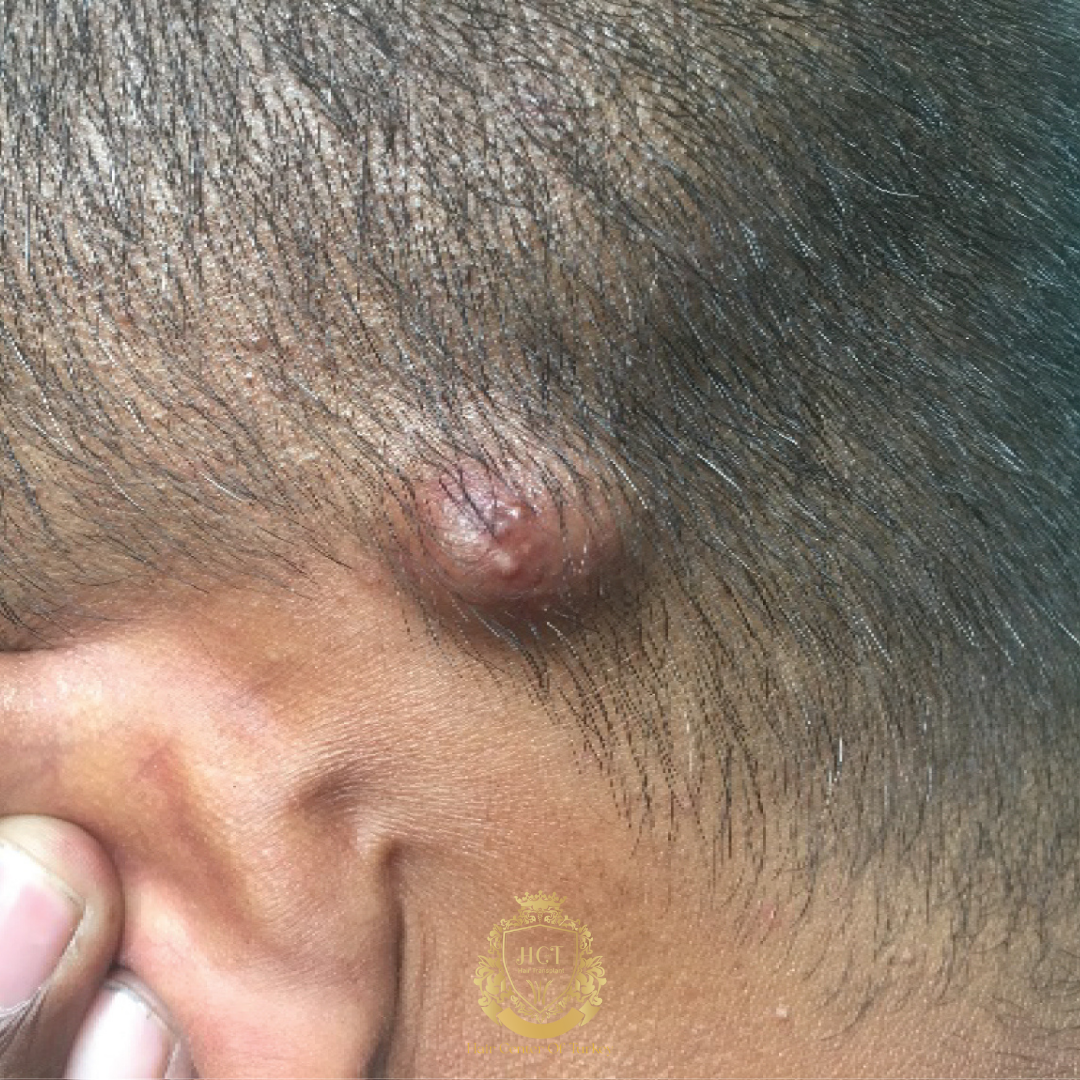
Scalp tumors can look like a firm lump, wartlike growth, or nonhealing sore.
What is the most common scalp tumor?
The most common scalp tumor is a benign pilar (trichilemmal) cyst.
What are the first signs of scalp cancer?
Early scalp cancer signs include a new or changing spot, scaly patch, or bleeding sore.
How do I tell if a lump on my head is a tumor?
You can’t tell for sure; rapid growth, hardness, fixation, ulceration, or bleeding needs evaluation.
What are the first signs of a tumor in the head?
First head-tumor signs include persistent headache, seizures, vision changes, vomiting, weakness, or confusion.
Explore the complete guide: Scalp Conditions and Hair Health