

Robert Downey Jr. Hair Transplant
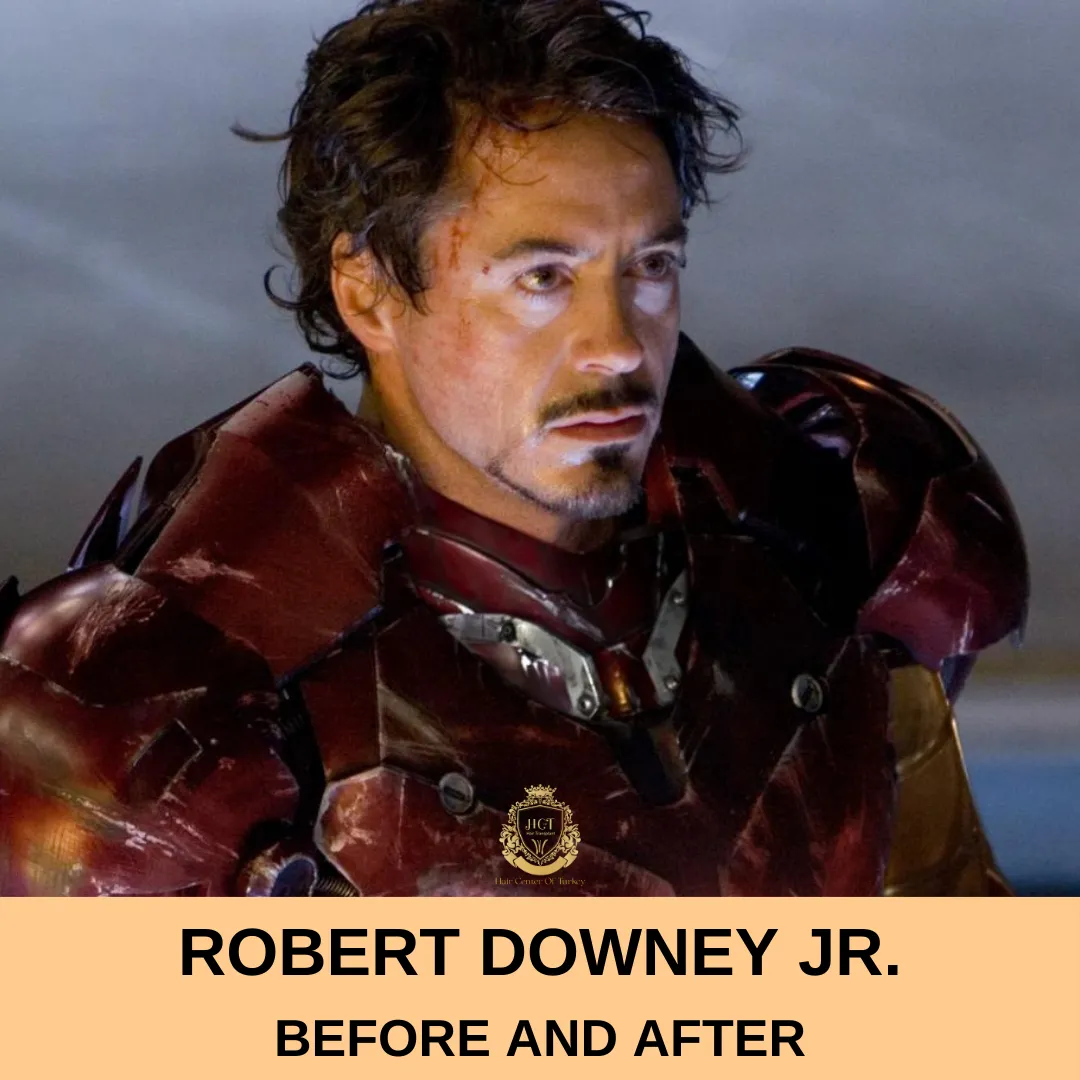
There’s no public, confirmed statement that Robert Downey Jr. has had a hair transplant. His hairline has looked fairly consistent over time, and some “before/after” talk online is often driven by styling, lighting, or role-specific looks. If you’re researching hair restoration, focus on your own diagnosis and a plan designed for your pattern of loss.
Table of Contents
Who Is Robert Downey Jr.?
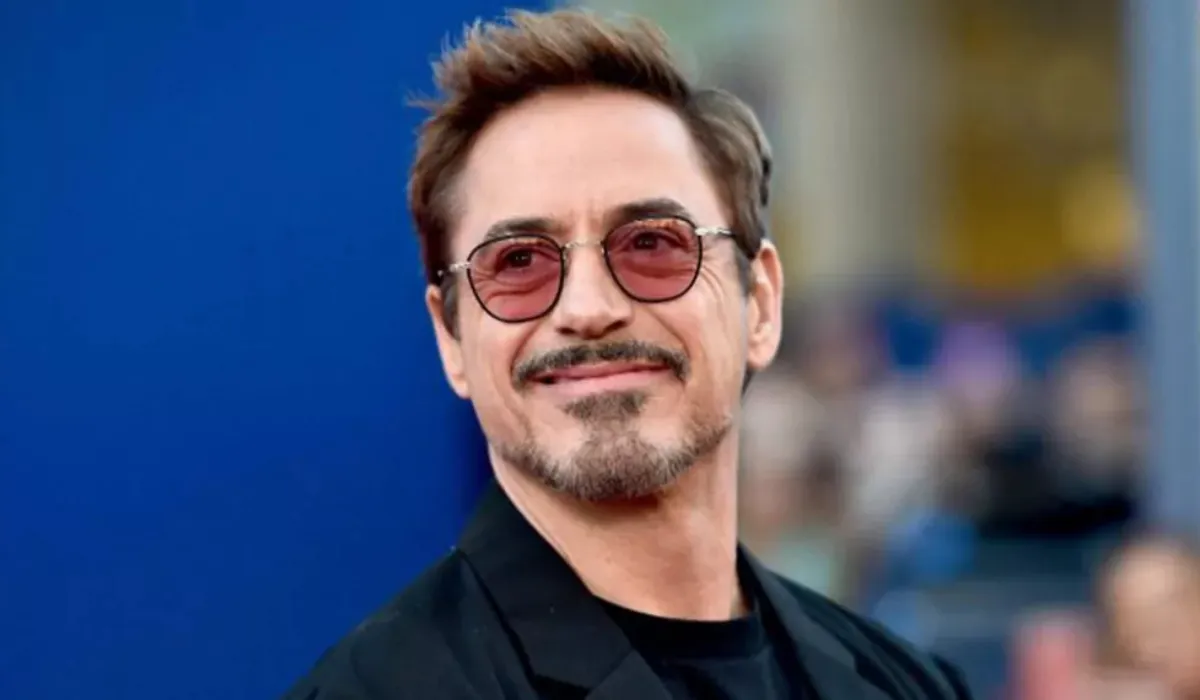
Robert Downey Jr. is an American actor and producer known for roles that range from Charlie Chaplin to Sherlock Holmes, and for leading the Marvel Cinematic Universe as Tony Stark/Iron Man. His career is also widely recognized for a high-profile comeback that turned him into one of Hollywood’s most bankable names.
Career Highlights People Remember
- An Oscar-nominated performance as Charlie Chaplin in Chaplin (1992).
- A career-defining return as Tony Stark in Iron Man (2008).
- A Golden Globe win for Sherlock Holmes in Guy Ritchie’s adaptation.
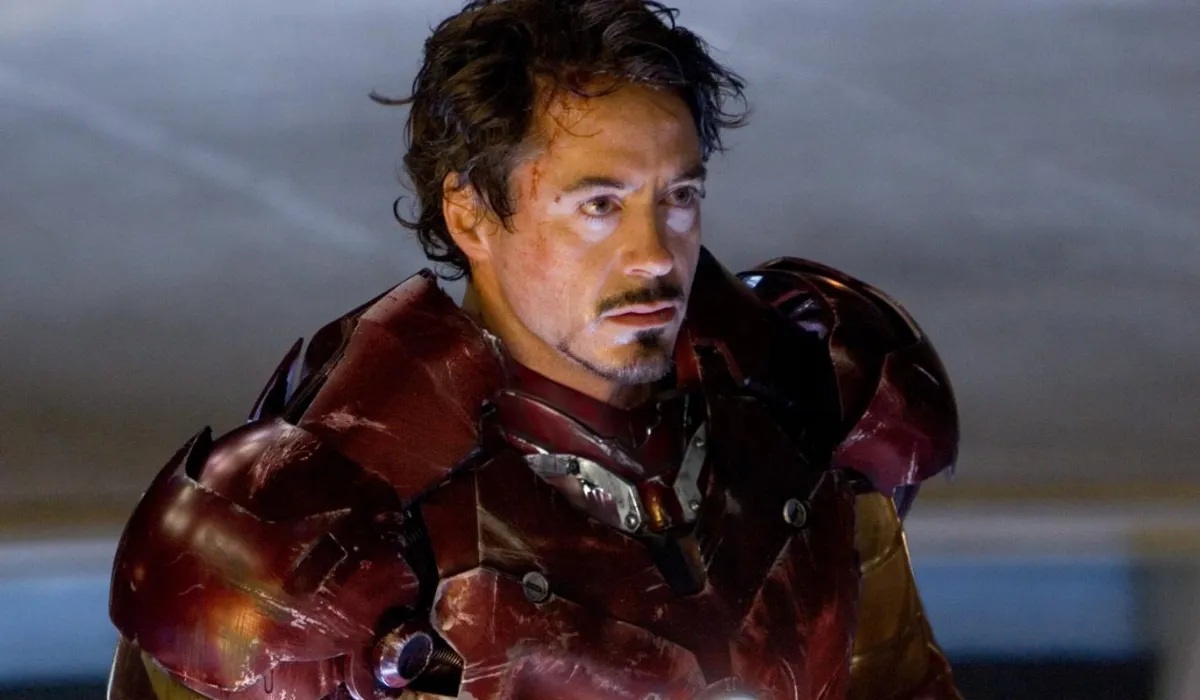
Why People Search “Robert Downey Jr. Hair Transplant”
Search interest usually spikes when a celebrity’s hair looks different on a red carpet, in a press tour, or in a new role. With Robert Downey Jr., shifts in hairstyle, hair length, and on-screen styling have led to recurring questions online. It’s also common for photos taken under different lighting or angles to create the illusion of sudden density changes.
Did Robert Downey Jr. Get A Hair Transplant?
There’s no reliable public confirmation that Robert Downey Jr. has undergone a hair transplant. A few clinic blogs and commentary sites make confident claims in both directions, but those aren’t proof on their own. From publicly available images, his hairline reads as a typical “mature” hairline rather than an obvious transplant case, though only the person and their medical team would know for sure.
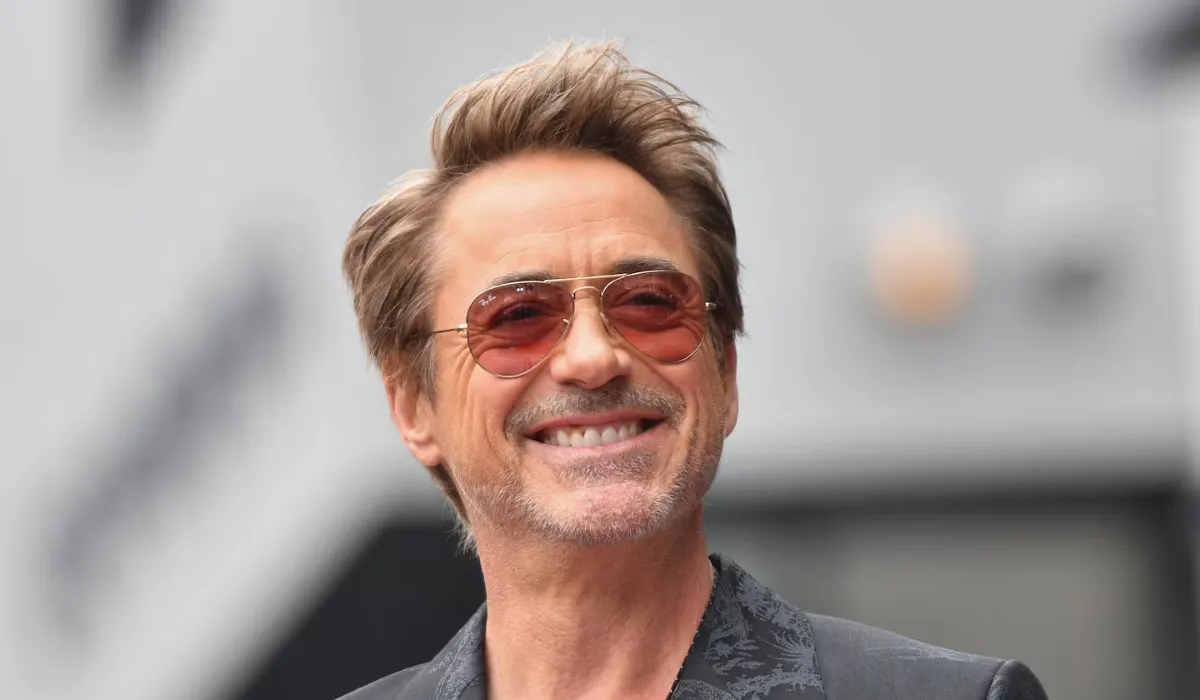
Role-Related Looks Can Be Misleading
In late 2022, Downey shared that his children shaved his head for his role in HBO’s The Sympathizer, and outlets later covered the head-shaving story. A shaved head, prosthetics, wigs, and styling choices for a role can make “hair loss” or “hair regrowth” narratives look more dramatic than they really are.
What Usually Signals A Hair Transplant
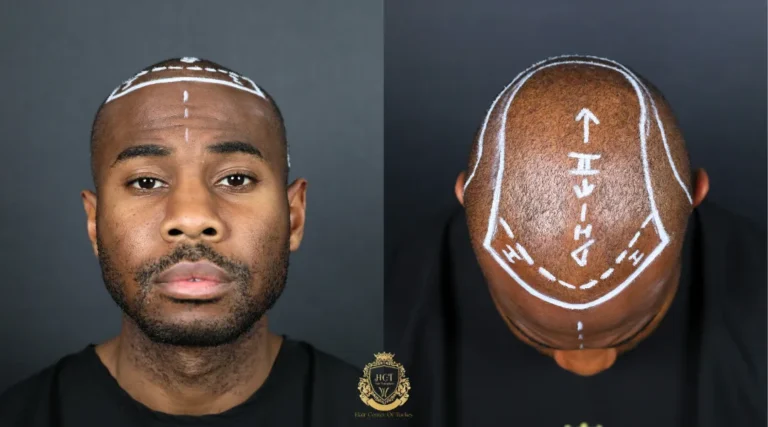
Hair transplants typically leave patterns that trained eyes look for: a redesigned frontal hairline, consistent density in previously thin areas, and a natural-looking transition at the temples. With modern techniques, results can be subtle—so the absence of obvious signs doesn’t prove anything. The key point is that online photo comparisons rarely capture donor management, scalp condition, or what’s happening between hair cycles.
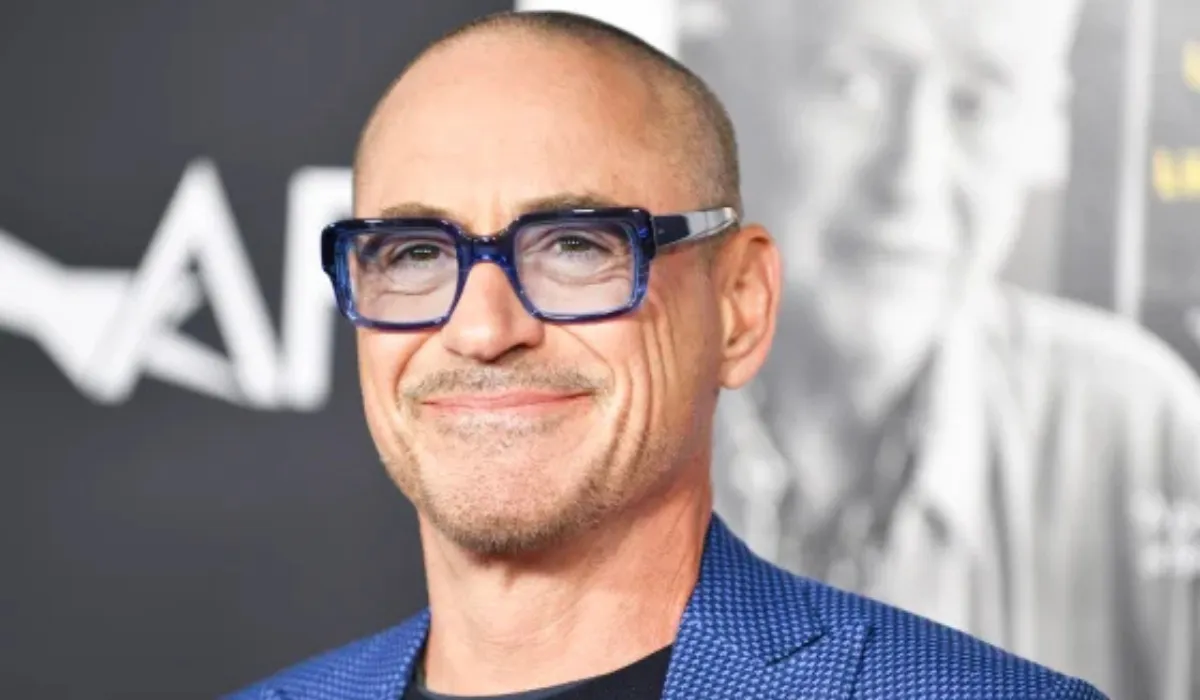
Why Hair Can Look Thicker Without Surgery
Styling and grooming
Hair direction, blow-drying, textured cuts, and strategic parting can change how dense hair appears from camera to camera.
Hair fibers and cosmetic products
Volumizing powders, fibers, and sprays can reduce scalp show-through in photos, especially under flash.
Hair systems and pieces
Some people use partial pieces for events or filming. These can look very natural and don’t require surgery.
Medical treatment plans
For suitable candidates, a clinician may discuss options such as minoxidil or finasteride. These are medical products with pros and cons, so a doctor’s guidance matters.
If You Want A Similar Look, Focus On The Fundamentals
Celebrity hair is a moving target because styling, lighting, and roles change. A better approach is to start with your hair-loss pattern, donor capacity, and realistic density goals. A good plan should explain the technique, estimated graft range, expected timeline, and aftercare—without using “guaranteed” language.
What A Natural-Looking Hair Transplant In 2026 Usually Involves
Most natural outcomes come from careful hairline design and conservative graft placement, not just chasing maximum density. Clinics commonly use methods such as FUE and DHI, with an emphasis on protecting the donor area and matching hair direction at the temples. A reputable clinic will also discuss whether medical therapy, PRP, or non-surgical options make sense before recommending surgery.
Hair Center of Turkey Approach
Hair Center of Turkey positions itself as a boutique clinic focused on personalized planning and VIP-style patient support. The goal is a natural result that suits face shape, age, and donor limitations—rather than a one-size-fits-all template. If you’re exploring treatment, a consultation should review your scalp, medical history, and expectations before any decision is made.
FAQs
What is the cost of Robert Downey Jr.’s hair transplant?
He hasn’t confirmed a transplant, so no cost is known; typical U.S. costs are $3,000–$15,000+ (often $6,000–$12,000).
What happened to Robert Downey Jr.’s hair?
His hair has varied by styling and roles; for The Sympathizer he shaved his head and used hair/makeup transformations.
How many times has Robert Downey Jr. had a hair transplant?
He hasn’t publicly confirmed having any hair transplants.
Who are the celebrities who have had the best hair transplants?
Commonly praised for natural-looking results include Wayne Rooney, Jimmy Carr, James Nesbitt, Joel McHale, Joe Swash, and Calum Best.
How many grafts did Robert Downey Jr. have transplanted?
No graft number has been publicly disclosed for him.
Explore the complete guide: Celebrity Hair Transplants – Film, TV and Music