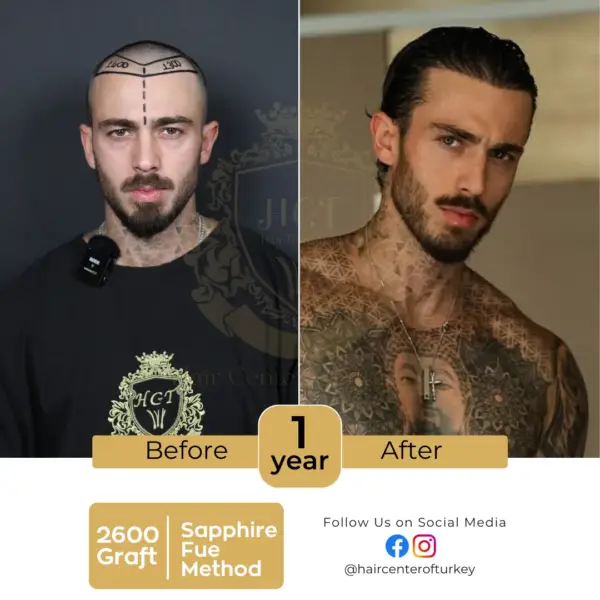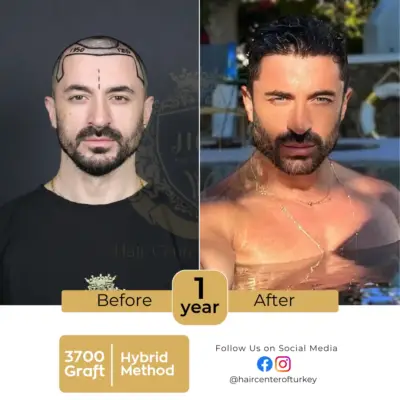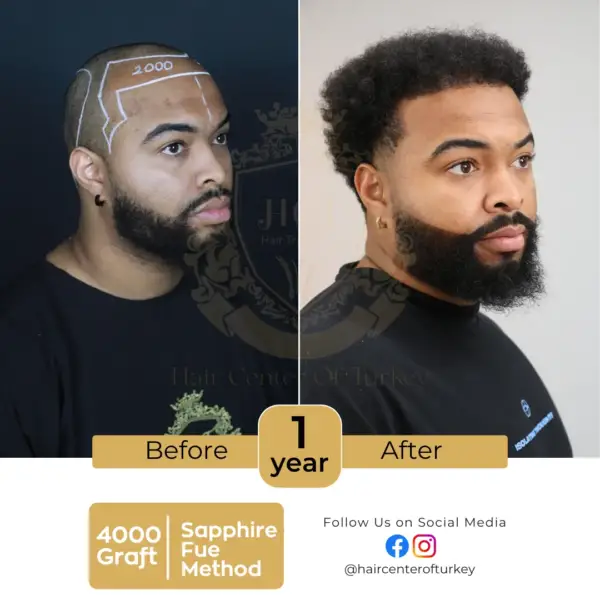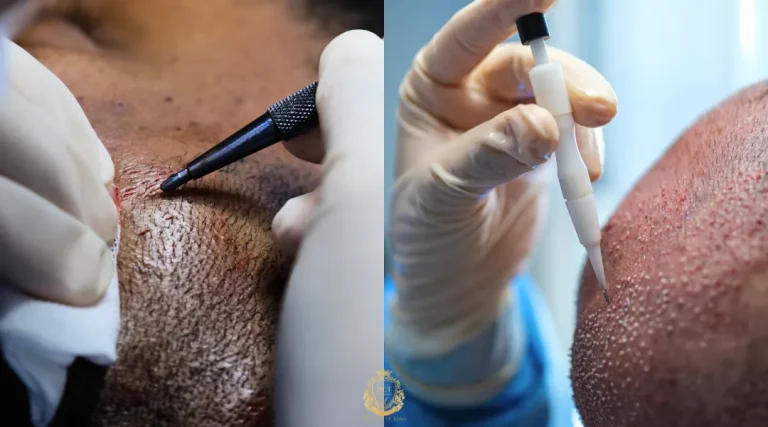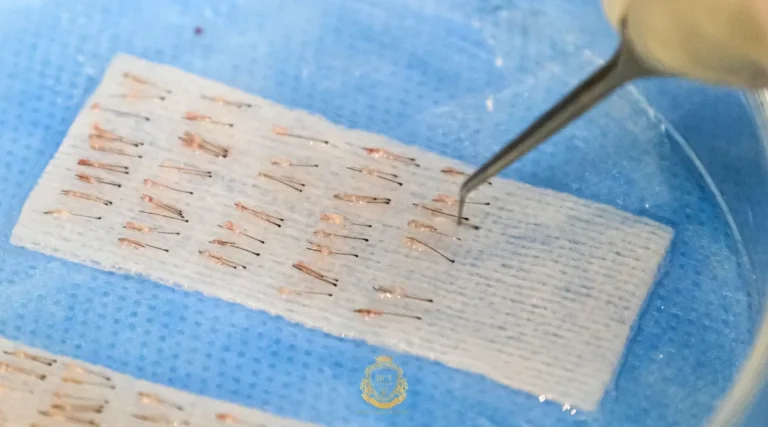


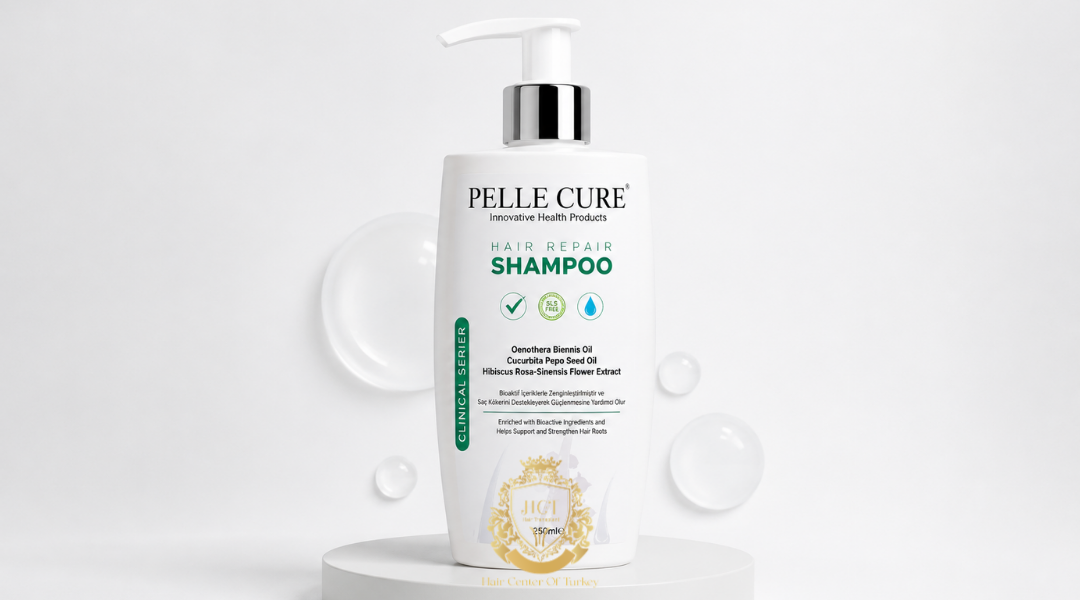
After a hair transplant, you should use a gentle, sulfate-free, and neutral pH shampoo. Most specialized clinics, including Hair Center of Turkey, provide a medical-grade shampoo and lotion in a post-operative care kit designed to protect sensitive follicles and support healing for the first 10-14 days.
A hair transplant is a significant investment in your appearance and confidence, and the success of the procedure extends far beyond the operating room. The post-operative care phase is a critical period where your actions directly influence the final outcome. One of the most common questions patients have revolves around a simple, everyday product: shampoo. The choice of shampoo is not a minor detail; it is a fundamental component of a successful recovery, directly impacting the health of your new grafts and the healing of your scalp. This guide provides a detailed breakdown of why specific shampoos are necessary and what to look for.
Table of Contents
Why Your Shampoo Choice Is So Critical Post-Transplant
The scalp is in an extremely delicate state following a hair transplant procedure. Thousands of micro-incisions have been made in the donor and recipient areas, making the skin highly sensitive and vulnerable to irritation and infection. The newly implanted hair follicles are not yet secure and can be easily dislodged. Using a standard, commercial shampoo during this initial phase can jeopardize the entire procedure.
The primary goal of post-operative washing is to keep the scalp clean without causing any harm. This helps remove scabs, blood clots, and dead skin, which is essential for preventing infections and allowing the new hair to grow unimpeded. Harsh chemicals found in many over-the-counter shampoos can cause severe irritation, inflammation, and dryness. This inflammation can restrict blood flow to the follicles, hindering their ability to take root and thrive. At Hair Center of Turkey, the post-operative care protocol is designed around this principle of gentle, supportive healing, starting with the very first wash.
The right shampoo will have a neutral pH (around 5.5) to match the skin’s natural balance, preventing disruption of the scalp’s protective barrier. It will also contain ingredients that soothe the skin and promote healing rather than stripping it of its natural oils. The first two weeks are the most crucial, as this is when the grafts anchor themselves into the scalp. Using a professionally recommended product ensures you are giving them the best possible environment to do so.
Key Ingredients to Look For in a Post-Transplant Shampoo
When selecting a shampoo for use after the initial medicated product runs out, or if you need to find an alternative, understanding the ingredient list is vital. Certain components actively support the healing process and promote healthy hair growth. Always consult with your surgeon before switching products, but these are generally considered beneficial.
- Gentle Surfactants: Instead of harsh sulfates, look for mild cleansing agents derived from natural sources like coconuts or sugar. Ingredients like Cocamidopropyl Betaine or Decyl Glucoside clean the scalp effectively without causing irritation.
- Panthenol (Pro-Vitamin B5): This is a powerful moisturizer that penetrates the skin and hair, providing long-lasting hydration. It helps to soothe an irritated scalp, reduce redness, and improve the elasticity of the skin, which is beneficial during the healing process.
- Aloe Vera: Known for its soothing and anti-inflammatory properties, aloe vera can help calm the scalp and reduce post-operative discomfort. It also contains enzymes that help to gently exfoliate dead skin cells and scabs.
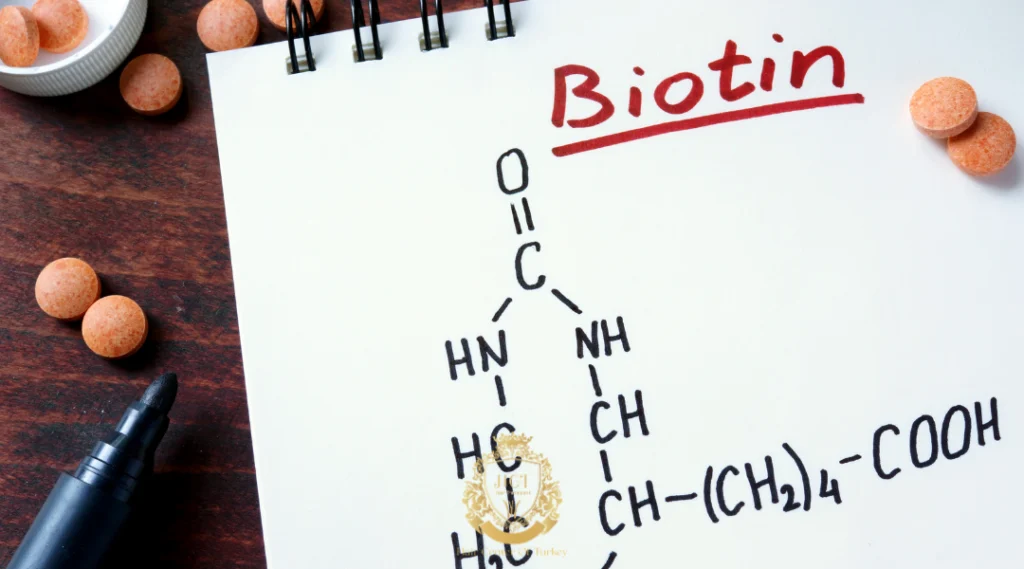
- Biotin: As a key B-vitamin, biotin is essential for hair health. While its topical application is debated, it is often included in specialized shampoos to help strengthen the hair shaft and support the keratin infrastructure of the follicles.
- Ketoconazole: In some cases, a surgeon might recommend a shampoo containing a low concentration of Ketoconazole (around 1-2%). This ingredient has anti-fungal and anti-inflammatory properties, which can be useful for preventing scalp infections and managing conditions like seborrheic dermatitis. This should only be used if specifically advised by your clinic.
Ingredients and Chemicals to Absolutely Avoid
Just as important as knowing what to look for is knowing what to avoid. Many common shampoo ingredients can be detrimental to a healing scalp and new hair grafts. Reading the label carefully is a non-negotiable step in your post-transplant care routine.
The most notorious culprits are sulfates, specifically Sodium Lauryl Sulfate (SLS) and Sodium Laureth Sulfate (SLES). These are aggressive detergents responsible for the rich lather many people associate with being clean. For a post-transplant scalp, they are far too harsh. They strip the skin of its natural protective oils, leading to dryness, itching, and significant irritation that can harm the fragile follicles.
Parabens are another group of chemicals to steer clear of. Used as preservatives, they have been linked to hormonal disruption and can cause allergic reactions on sensitive skin. Similarly, artificial fragrances and dyes add no therapeutic value and are leading causes of contact dermatitis and scalp irritation. Your shampoo should be as pure and simple as possible. Alcohol, particularly in high concentrations, can be extremely drying and should also be avoided.
Your First Wash: A Step-by-Step Guide
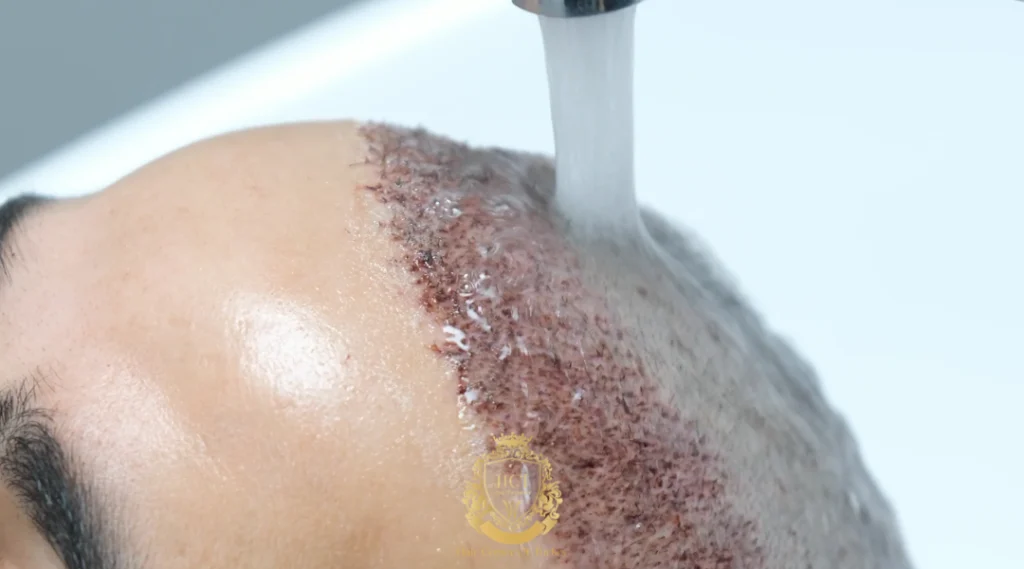
The first wash after a hair transplant is a milestone in the recovery process. It is typically performed at the clinic 24 to 72 hours after the procedure. The clinical team at Hair Center of Turkey demonstrates the correct technique to patients, ensuring they can continue the process safely at home for the next 10-14 days. The goal is to clean the area without applying any direct pressure or friction to the grafts.
Here is the standard procedure for washing your hair at home:
- Apply the Panthenol Mousse/Lotion: Your care kit will include a softening agent. Apply a generous amount to the transplanted area and let it sit for the recommended time, usually 30-45 minutes. This helps to soften scabs and dried blood.
- Rinse Gently: Use lukewarm water with very low pressure. A cup or bottle is better than a direct showerhead stream. Gently pour water over your head to rinse off the lotion completely.
- Lather the Shampoo: Pour the special medical shampoo into the palm of your hand and lather it between your hands. Do not apply it directly to your scalp.
- Apply with Care: Gently pat or dab the foam onto the recipient area. There should be no rubbing, scrubbing, or circular motions. For the donor area, you can be slightly firmer but still gentle.
- Rinse Again: Rinse the shampoo off using the same low-pressure, lukewarm water method until the scalp is clean.
- Drying: Do not use a regular towel to rub your head dry. Gently pat the area with a very soft towel or high-quality paper towels. It is often best to let it air dry.
This washing routine should be performed daily for the period recommended by your surgeon. It is the most effective way to ensure the scalp remains clean, scabs fall off naturally, and the grafts heal without complication.
Transitioning Back to a Regular Shampoo
After the initial critical period of 10-14 days, most of the scabs will have fallen off, and the grafts will be more secure. At this point, your surgeon will likely give you clearance to stop using the special medicated shampoo and transition to a different product. However, this does not mean you can immediately go back to any shampoo you find on the shelf.
Your scalp will still be sensitive for several weeks, and it is wise to continue using a gentle, sulfate-free shampoo for at least the first six months. This continued gentle care helps to maintain a healthy scalp environment, which is crucial for the new hair to grow strong. When you do switch, introduce the new product slowly and monitor your scalp for any signs of redness, itching, or irritation.
The long-term health of your hair, both transplanted and native, will benefit from using high-quality, gentle hair care products. Think of this as an extension of the investment you made in the transplant procedure itself. Protecting that investment with a proper maintenance routine will help ensure you enjoy the results for years to come.
Recommended Shampoo Features vs. Features to Avoid
To simplify the selection process, this table contrasts the key characteristics of a suitable post-transplant shampoo with those of a product you should avoid.
Recommended Shampoo Features | Features to Avoid in Shampoos |
|---|---|
Sulfate-Free (Gentle Cleansers) | Sulfates (SLS, SLES) |
pH-Balanced (around 5.5) | High Alcohol Content |
Fragrance-Free / Hypoallergenic | Artificial Perfumes & Dyes |
Contains Healing Agents (Panthenol) | Parabens & Silicones |
Medicated (if recommended) | Harsh Physical Exfoliants |
Following these guidelines will help you navigate the aisles with confidence, ensuring you choose a product that supports, rather than hinders, your hair transplant recovery. Always prioritize the specific recommendations provided by your clinical team.
Frequently Asked Questions
How often should I wash my hair after a hair transplant?
For the first 10 to 14 days, you should wash your hair once daily using the special technique and products provided by your clinic. This helps to remove scabs and keep the area clean. After this period, you can typically reduce the frequency to every two or three days, depending on your scalpu condition.
Can I use baby shampoo after a hair transplant?
While baby shampoo is milder than many adult shampoos, it is not specifically formulated for a post-surgical scalp. It is always best to use the medicated shampoo provided by your clinic. If you must find an alternative, a high-quality, sulfate-free, and pH-neutral shampoo is a better choice than a standard baby shampoo.
What happens if I use the wrong shampoo after my procedure?
Using a harsh shampoo with sulfates, alcohol, or fragrances can cause significant irritation, redness, and itching on the sensitive scalp. This inflammation can negatively impact blood flow to the new follicles, potentially damaging them or even causing them to fail. It can also dislodge insecure grafts if applied with too much force.
When can I start using my normal shampoo again?
You should wait at least one month before considering a return to your regular shampoo, and only if it is a gentle, high-quality product. Many surgeons recommend sticking with a sulfate-free shampoo for six months to a year to ensure the best possible growth environment for your new hair. For a full timeline of what to expect, see our hair-transplant-recovery hair transplant recovery guideu
Does Hair Center of Turkey provide the necessary shampoo?
Yes, Hair Center of Turkey provides a comprehensive post-operative care kit to every patient. This kit includes a specialized medical-grade shampoo and a softening foam or lotion, along with detailed instructions on how to use them for the crucial first two weeks of recovery.
Explore the complete guide: Recovery Process After Hair Transplant