Hair Transplant Clinics In Los Angeles: Surgeons, Costs & Procedures Explained
Los Angeles hair transplant clinics commonly offer FUE, DHI, and FUT. Most patients start with a consultation, then have a same‑day procedure under local anesthesia. Pricing depends mainly on graft count and the surgeon’s level of involvement, so quotes can vary widely. Compare clinics by surgeon credentials, consistent before‑and‑after results, and structured aftercare.
Table of Contents
Hair Transplant In Los Angeles
Los Angeles has a wide range of hair restoration practices—from boutique offices focused on hairline design to larger centers with multiple providers. What matters most is who plans and performs key steps of the procedure, how the clinic handles aftercare, and whether the team consistently produces natural density and hairline patterns.
What to Expect During Hair Transplant Surgery in Los Angeles
Consultation And Planning
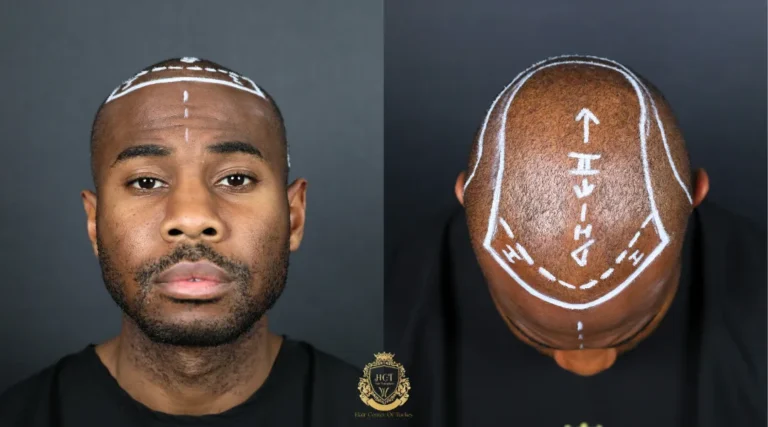
Your surgeon should review your pattern of hair loss, donor capacity, medical history, and styling goals. A careful plan includes a realistic hairline, graft estimates, and a long‑term strategy that accounts for future thinning.
Procedure Day
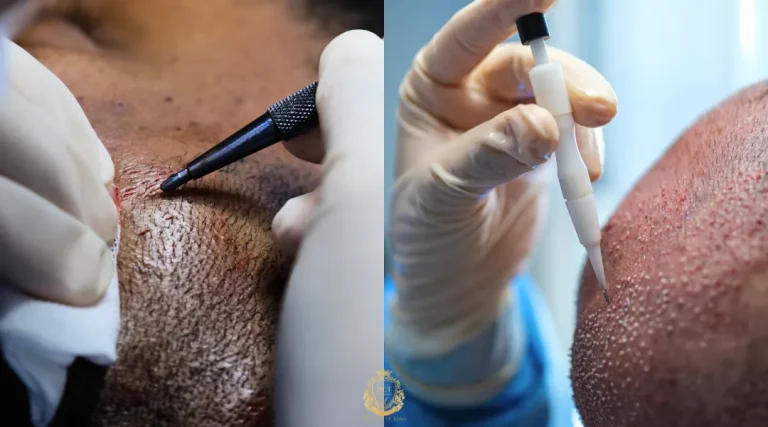
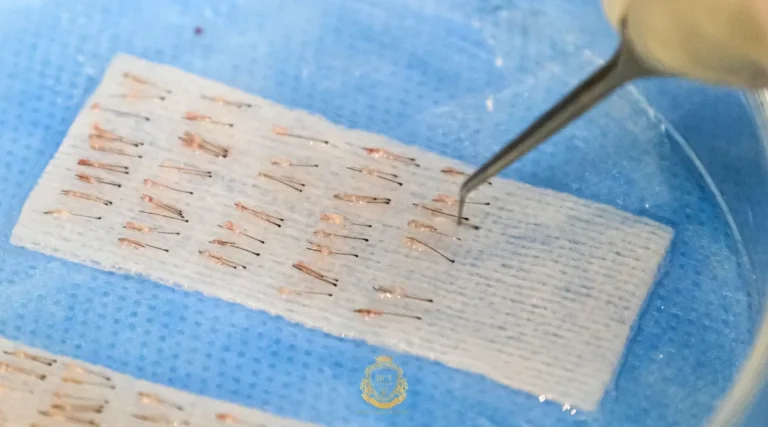
Hair transplant surgery is usually done under local anesthesia. Follicles are harvested from the donor area, prepared under magnification, then placed into tiny recipient sites designed to match your natural direction and angle. Expect several hours in the clinic, depending on graft count and technique.
Recovery And Growth Timeline
Most patients have redness, swelling, or scabbing during the first week. Transplanted hairs often shed in the first month, which is normal. Early growth is commonly seen around months 3–4, with clearer cosmetic change over months 6–9. Final maturation can take 12–18 months, especially in the crown.
FUE, DHI, And FUT: Choosing The Right Technique
Los Angeles clinics typically offer FUE, DHI, and FUT. The right choice depends on your hairstyle preferences, donor characteristics, how many grafts you need, and your tolerance for different scar patterns.
FUE
Follicular Unit Extraction (FUE) removes follicles individually, leaving tiny dot scars that are often hard to notice with short hair. It’s popular for patients who want flexible hairstyles and a quicker return to normal routines. FUE can be time‑intensive, and overharvesting can thin the donor area if planning is poor.
DHI
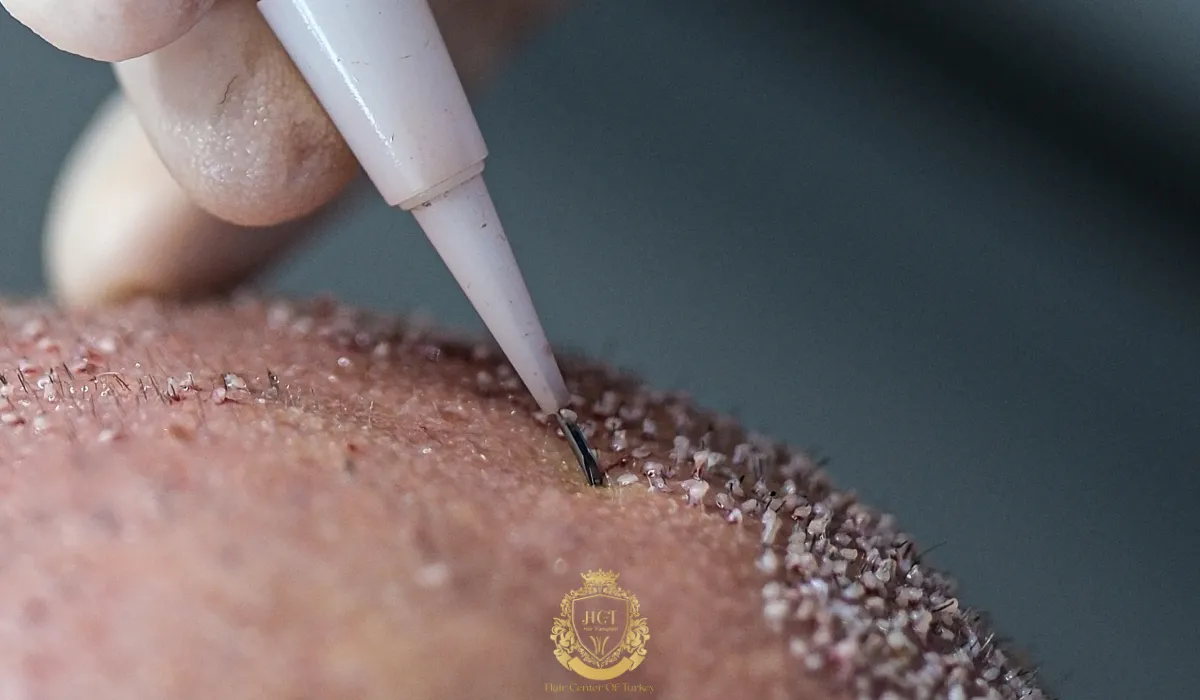
Direct Hair Implantation (DHI) is a variation of FUE where grafts are typically placed using an implanter pen. Some clinics prefer DHI for its control in hairline and density work, though outcomes still depend on the surgeon’s design and the team’s handling of grafts.
FUT
Follicular Unit Transplantation (FUT) removes a thin strip of scalp from the donor area, then divides it into grafts. FUT can be efficient for larger sessions and may preserve donor follicles for future needs. It leaves a linear scar, which can be a drawback for very short hairstyles.
Hair Transplant Cost In Los Angeles
Pricing in Los Angeles is usually driven by graft count, the technique used, the surgeon’s time, and the clinic’s staffing model. Many patients see quotes in the $8,000–$15,000 range for common session sizes, with higher totals possible for extensive work or premium surgeon involvement.
Ways To Keep Costs Predictable
Ask whether pricing is per graft, per session, or packaged. Request a written plan that lists estimated grafts by area (hairline, mid‑scalp, crown). Clarify what’s included—post‑op visits, medications, washing instructions, and follow‑up support.
Considering Treatment Outside Los Angeles
Some patients compare Los Angeles pricing with medical‑tourism options, including clinics in Turkey. Packages abroad can be lower, but the real comparison is about safety, surgeon oversight, and follow‑up care once you’re home.
If You Compare Clinics, Focus On These Criteria
Before choosing a surgeon or clinic, look for consistent, high‑quality results in patients with hair loss similar to yours. A strong practice is transparent about who performs extractions and placement, explains realistic density expectations, and provides clear aftercare instructions.
Questions To Ask During Your Consultation
• Who designs the hairline and creates recipient sites?• Who performs the extractions and who places grafts?• How many grafts do you recommend, and why?• What is the plan if hair loss progresses in the next 5–10 years?• What does aftercare and follow‑up look like after the first week?
Travel Tips For Patients Visiting Los Angeles
Choose accommodation close to your clinic so you can rest after surgery. Avoid tight hats, heavy workouts, and sun exposure during early healing. If you’re flying in, build in downtime so you’re not rushing while managing swelling and post‑op care.
FAQ
How much does hair transplant surgery cost in Los Angeles?
Costs run about $6,000–$20,000 in Los Angeles, roughly $6–$12 per graft.
Who is the best hair transplant surgeon in Los Angeles?
No single best; choose an ABHRS-certified, board-certified surgeon with consistent results.
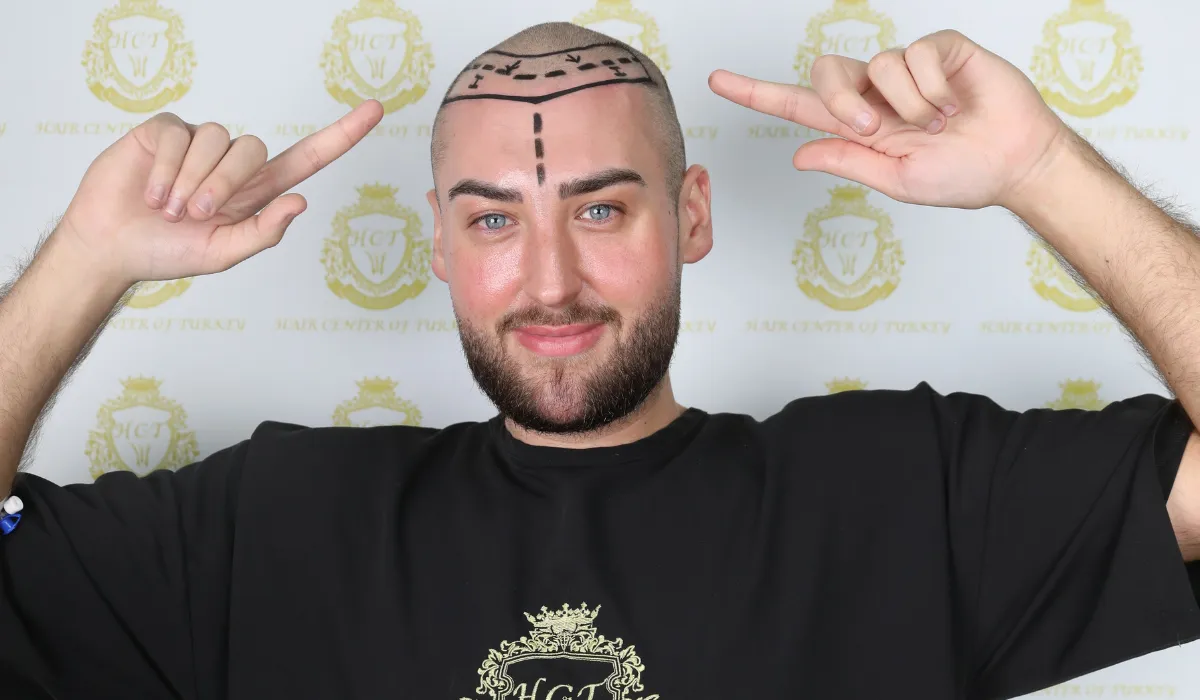
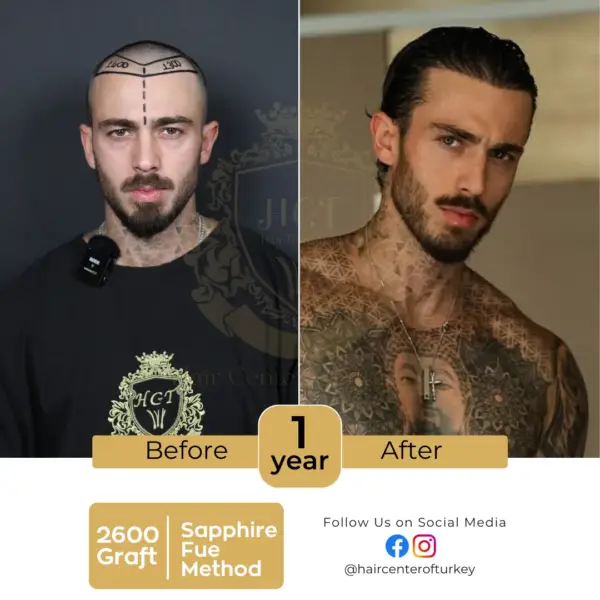
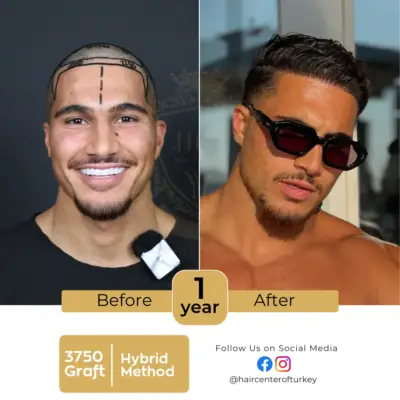
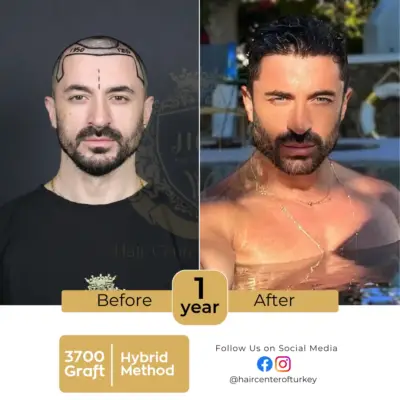
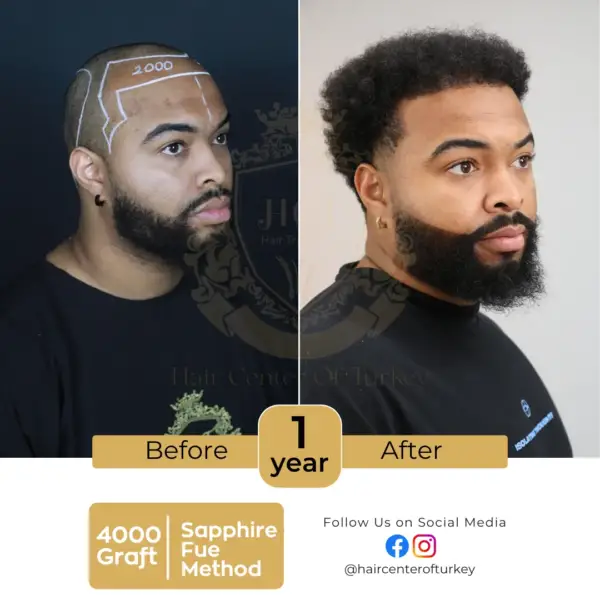
At HCT Hair Transplant, we believe a successful hair transplant starts with a carefully designed hairline. Your facial features, age, natural hair growth and long-term appearance are all considered to create a hairline that is uniquely yours. Our goal is not simply to restore hair, but to deliver a balanced, natural-looking result that enhances your overall appearance.
DESIGN YOUR HAIRLINEStart with a free assessment and receive your personalized hair transplant plan today.
Your HCT Journey
A clear experience from online consultation to Istanbul treatment and follow-up care.
4.9Review Score
1
Online Hair AnalysisPhotos, goals and suitability are reviewed before travel.
2
Istanbul Treatment PlanClinic schedule, hotel transfer and operation day guidance.
3
Growth Follow-upRecovery checks and aftercare support through every stage.
10.000+Hair transplant operations
50+Countries reached by patient care teams
24/7Travel and patient coordination support
4.9/5Average patient satisfaction signal
Our Patient Reviews
Real experiences from international patients who chose Hair Center of Turkey.