

Hair Transplant Clinics in Saudi Arabia: Best Surgeons, Costs & Procedures Explained
Hair transplants in Saudi Arabia are commonly performed with FUE or DHI techniques in clinics across Riyadh and Jeddah. Most patients start with a consultation, hairline design, and a same‑day outpatient procedure, then follow aftercare for 7–14 days. Costs often fall between about $3,000 and $10,000 depending on graft count, technique, and surgeon experience.
Table of Contents
Hair Transplant In Saudi Arabia
Hair restoration has become widely available across Saudi Arabia, with many dermatology and cosmetic surgery centers offering modern, outpatient hair transplant surgery. Patients often choose local clinics for convenience, Arabic-speaking support, and easier follow-up visits. Results depend most on the surgeon’s planning, the quality of the donor area, and realistic expectations about density.
Who Is A Good Candidate?
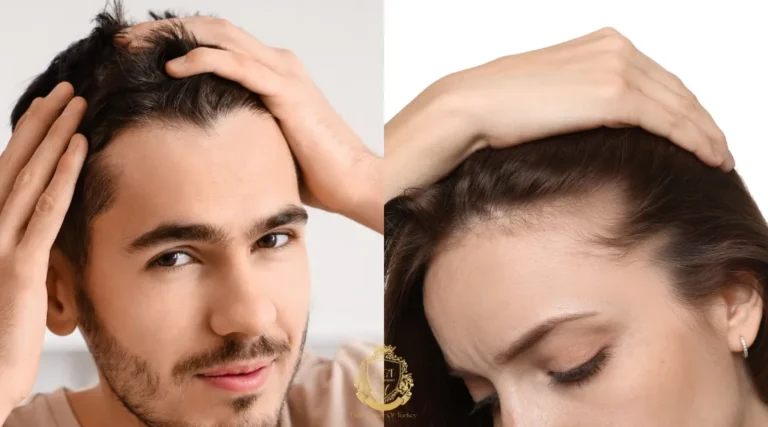
Good candidates usually have stable hair loss, adequate donor hair at the back or sides of the scalp, and no uncontrolled scalp conditions. If you are experiencing rapid shedding, your surgeon may recommend medical treatment first to stabilize loss. A consultation should include an assessment of hair caliber, donor density, and a long-term plan for future thinning.

What To Expect During Hair Transplant Surgery In Saudi Arabia
1) Consultation and Planning
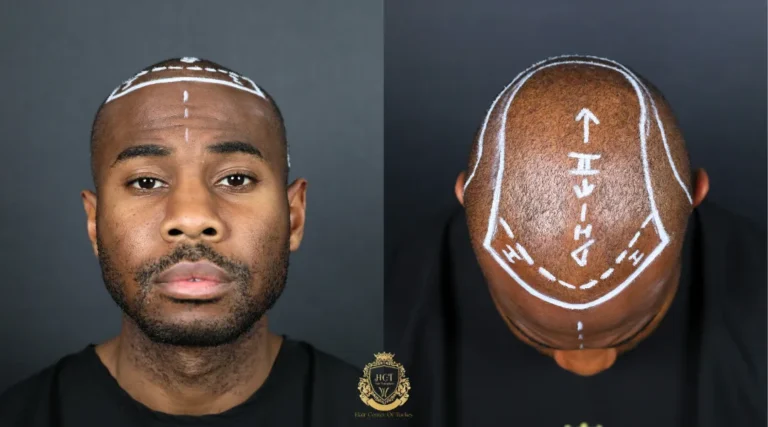
Your first appointment typically covers medical history, scalp examination, and a discussion of your goals. The surgeon designs a hairline that matches your facial proportions and anticipates future hair loss. You should receive a written estimate showing the planned graft range, technique, and what is included in the package.
2) The Procedure Day
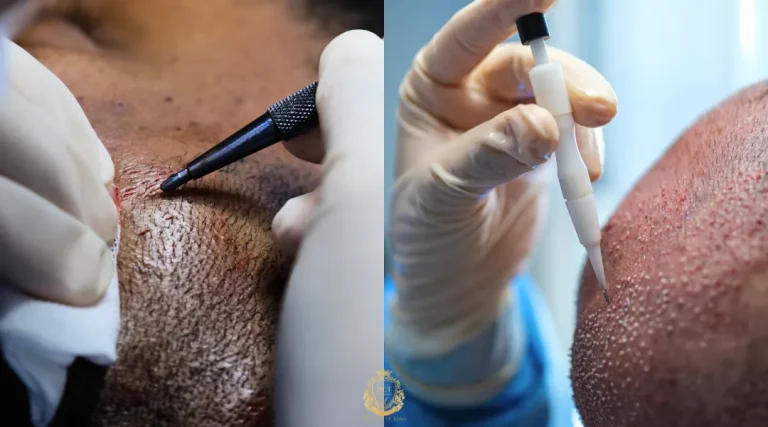
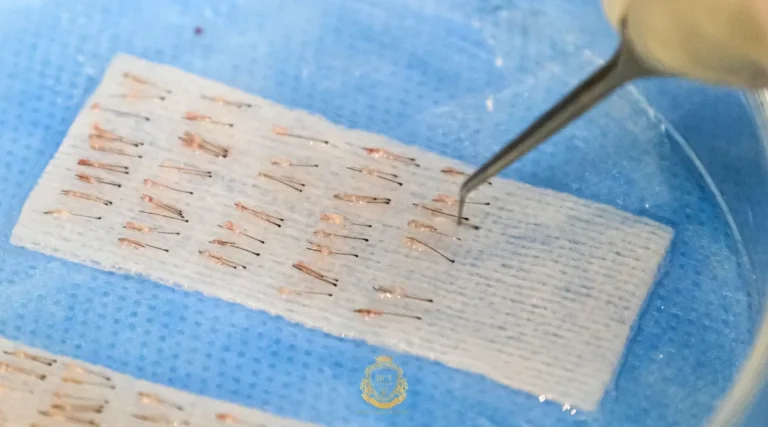
Most procedures are done under local anesthesia and you go home the same day. The team harvests grafts from the donor area, prepares them under magnification, and implants them into the recipient area. Sessions commonly last 4–8 hours, depending on the number of grafts and whether the clinic performs implantation with a pen (DHI) or forceps (FUE).
3) Recovery and Aftercare
Expect mild swelling, redness, and small scabs for the first week. Clinics usually provide washing instructions, a short course of medications, and guidance on sleeping position and activity limits. Shedding of transplanted hairs is normal in the first month, with visible regrowth often starting around months 3–4 and maturing over 9–12 months.
Affordable Hair Transplant Options In Saudi Arabia
Prices in Saudi Arabia can be higher than in some medical tourism destinations, yet you can still find value by comparing what is included. Look for packages that clearly cover surgeon involvement, anesthesia, medications, and follow-up visits. Be cautious of quotes that are far below the local market without a clear explanation of staffing, graft handling, and safety standards.
Hair Transplant Cost In Saudi Arabia
Many clinics quote a total package price rather than a per-graft rate. A common ballpark range is about $3,000–$10,000 (roughly SAR 11,000–38,000), though complex cases can cost more. Final pricing is driven by graft count, technique (FUE, DHI, or FUT), surgeon experience, and whether PRP sessions or premium aftercare are included.
Cost Factors That Change Your Quote
Higher graft numbers, repair work, and extensive crown coverage typically increase the total. DHI may be priced higher due to implantation tools and time. If a clinic offers “unlimited grafts,” ask how grafts are counted and how they protect donor area density.
Indicative Package Ranges Offered By Some International Clinics Serving Saudi Patients
Some patients compare Saudi-based options with international clinics (often in Turkey) that market all-in packages. The figures below are indicative and can change with season, inclusions, and exchange rates. Always confirm what the package covers in writing.
| Clinic / Provider | Indicative Range |
| Hair Center of Turkey | $2,500–$5,500 |
| Lygos Clinic | $2,500–$5,500 |
| Apex Medical Clinic | $3,000–$5,500 |
| Seha Clinic | $3,000–$5,500 |
| Este Medical Group | $3,000–$5,500 |
FUE Hair Transplant In Saudi Arabia
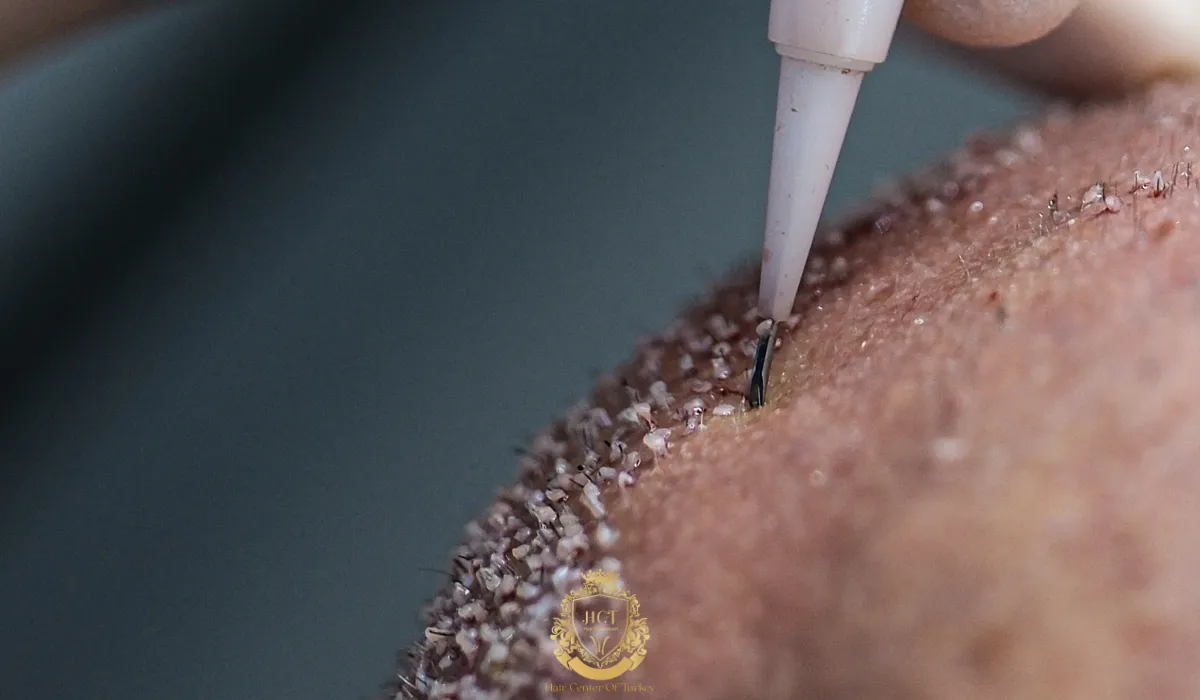
FUE (Follicular Unit Extraction) is widely used in Saudi Arabia because it avoids a linear scar and usually allows a quicker return to daily life. Grafts are harvested one by one from the donor area, then implanted into the thinning zones. Quality depends on careful extraction technique, proper graft hydration, and precise placement angles.
DHI Hair Transplant In Saudi Arabia
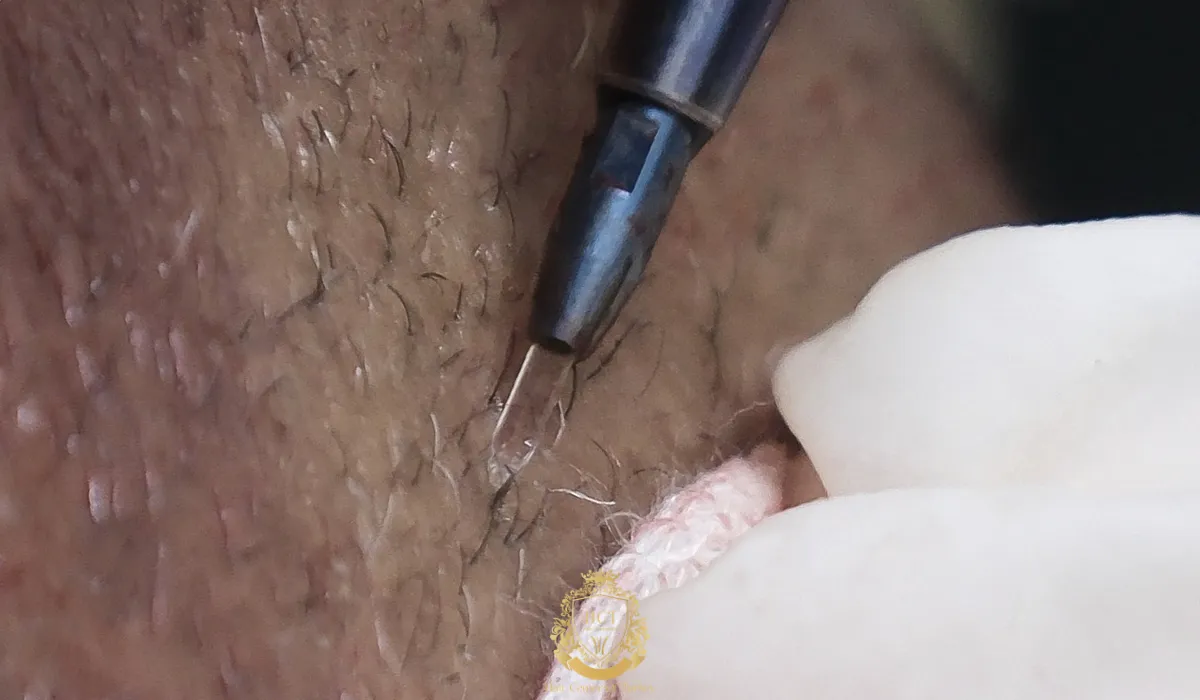
DHI (Direct Hair Implantation) is a variation of FUE where grafts are implanted using a pen-like implanter. It can support dense packing in selected cases and may reduce the time grafts stay outside the body. Outcomes still rely on surgeon skill, planning, and donor management rather than the tool alone.
FUT Hair Transplant In Saudi Arabia
FUT (Follicular Unit Transplantation), also called strip surgery, removes a narrow strip of scalp from the donor area and then dissects it into grafts. It can be useful for patients who need many grafts and are comfortable with a linear scar hidden by surrounding hair. Not every clinic offers FUT, so availability varies.
Choosing Between FUE, DHI, And FUT In Saudi Arabia
FUE is often preferred for short hairstyles and minimal scarring. DHI may suit patients targeting higher density in smaller areas, while FUT can be efficient for large sessions when donor laxity allows. A reputable surgeon explains the trade-offs and recommends the method that best protects your donor area over the long term.
How To Choose A Reputable Clinic And Surgeon
Check Credentials And Team Roles
Ask who performs the key steps: hairline design, extraction, and implantation. In many countries, outcomes vary when critical steps are delegated without close surgeon supervision. Choose a clinic that is transparent about responsibilities and staffing.
Review Real Case Results
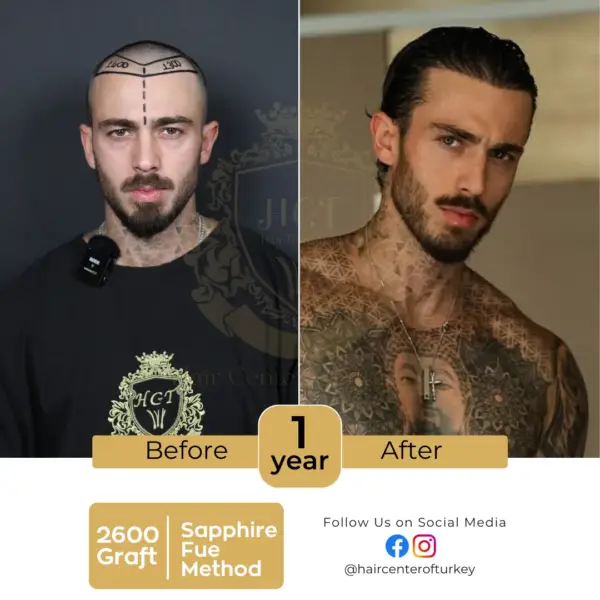
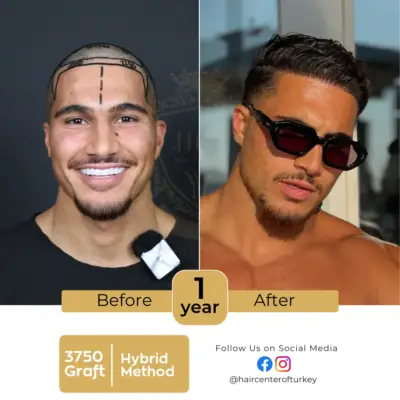
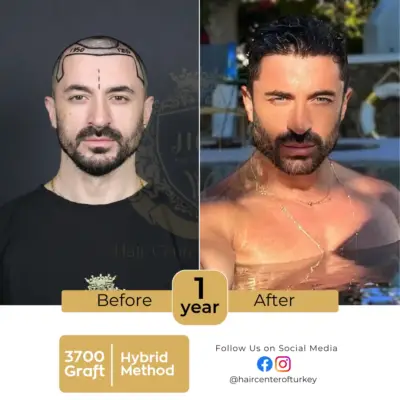
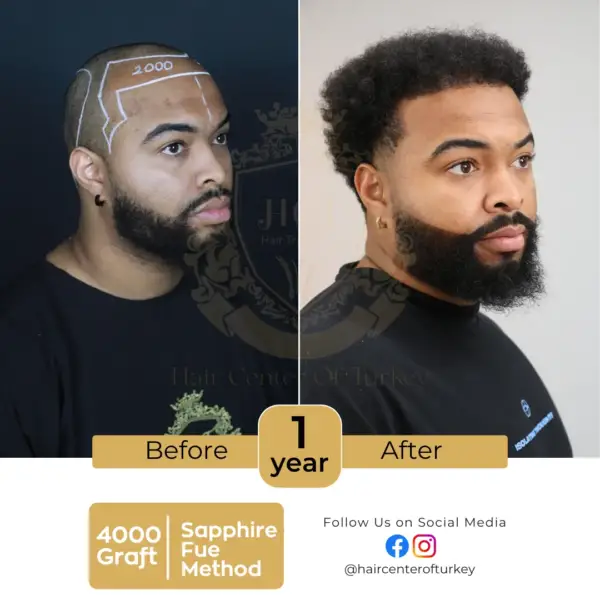
Look for consistent before-and-after sets taken in similar lighting and angles, including crown cases (which are harder to treat). If possible, ask to see results at 9–12 months rather than only early photos. A good clinic will explain what density is realistic for your hair type.
Prioritize Safety And Aftercare
Confirm hygiene standards, anesthesia protocols, and post-op support. Clear aftercare reduces infection risk and improves comfort during the first two weeks. If you live outside the clinic’s city, ask how follow-up is handled.
Best Hair Transplant Clinics In Saudi Arabia
Saudi Arabia has a wide range of providers, from hospital-based plastic surgery units to dedicated hair restoration centers. Rather than relying on “best clinic” lists, shortlist options by surgeon experience, transparent graft planning, and consistent long-term results. If a clinic markets international partners, confirm where the procedure is performed and who will be responsible for follow-up in Saudi Arabia.
Travel Tips For Hair Transplant Patients Visiting Saudi Arabia
Plan to stay at least 2–3 days after surgery for the first wash and a post-op check. Book accommodation close to your clinic to reduce travel time during the swelling phase. Avoid heavy exercise, saunas, and swimming until your surgeon clears you, especially in the first two weeks.
FAQs On Hair Transplants In Saudi Arabia
How much does a hair transplant cost in Saudi Arabia?
SAR 7,000–30,000, depending on grafts, technique, surgeon experience, and included services.
Which surgeon is best for hair transplant?
No single best; prioritize board certification, hair-restoration focus, and consistent natural results.
Which country has the best hair transplant surgeons?
Turkey, South Korea, USA, and Spain host many top surgeons; vet clinics individually.
How to choose the best hair transplant clinic?
Choose licensed, surgeon-led clinics with transparent graft planning, sterile ORs, and audited outcomes.
How to find the best hair transplant surgeon?
Verify credentials, review before/after cases, confirm surgeon does key steps, consult twice.
Explore the complete guide: International Hair Transplant Locations