

Do Wigs Cause Hair Loss?
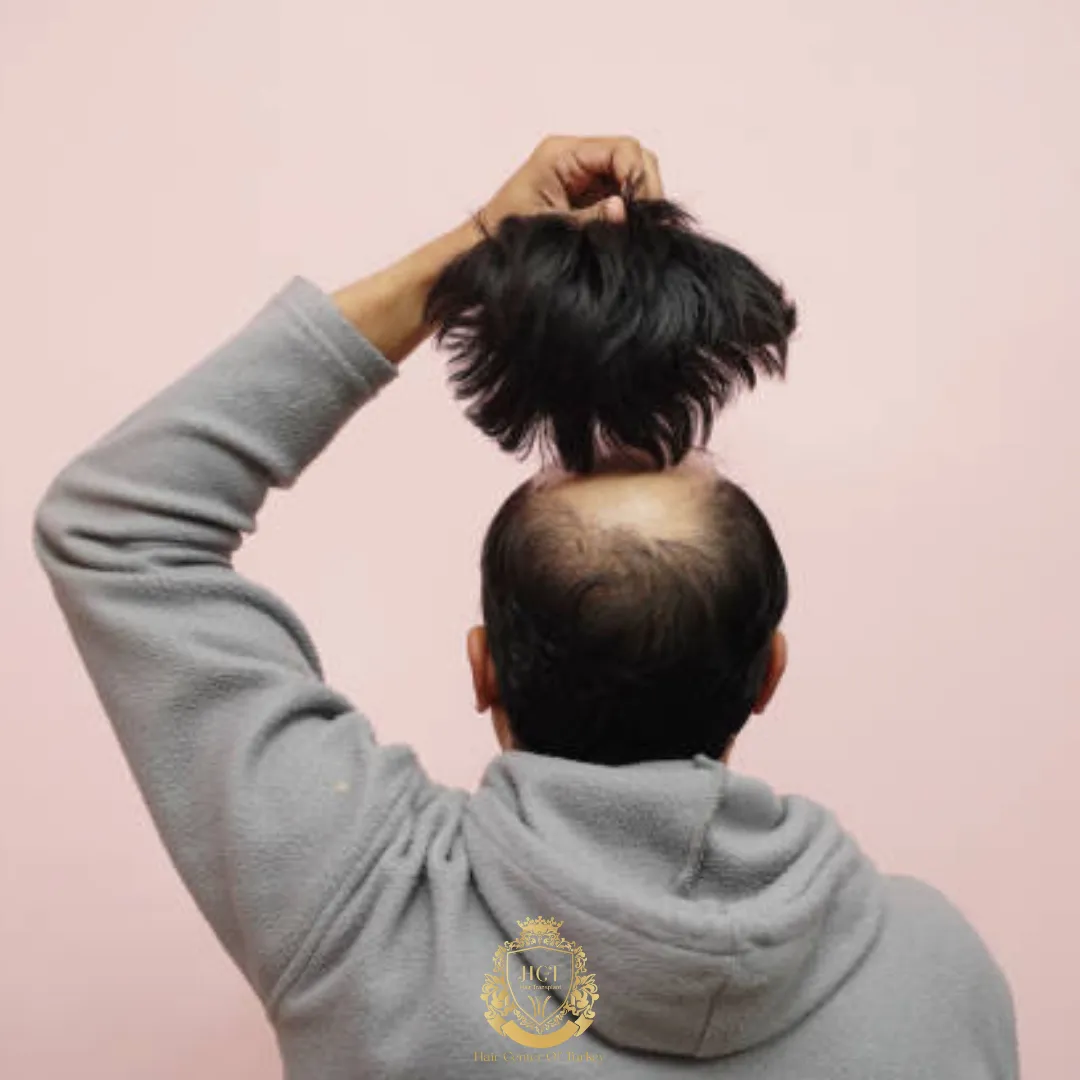
Wigs don’t directly cause hair loss, but the way they’re worn can. A wig that’s too tight, constant friction, or strong adhesives and clips may stress follicles and break hair, sometimes leading to traction alopecia around the hairline. A comfortable fit, gentle attachment, and regular scalp breaks greatly reduce the risk.
Why Wig Wear Can Lead To Shedding Or Thinning
Most wig-related hair issues come down to repeated tension, rubbing, or irritation. These triggers can cause hair to snap (breakage) or pull from the root (traction). The risk is higher if the same pressure points are stressed day after day.
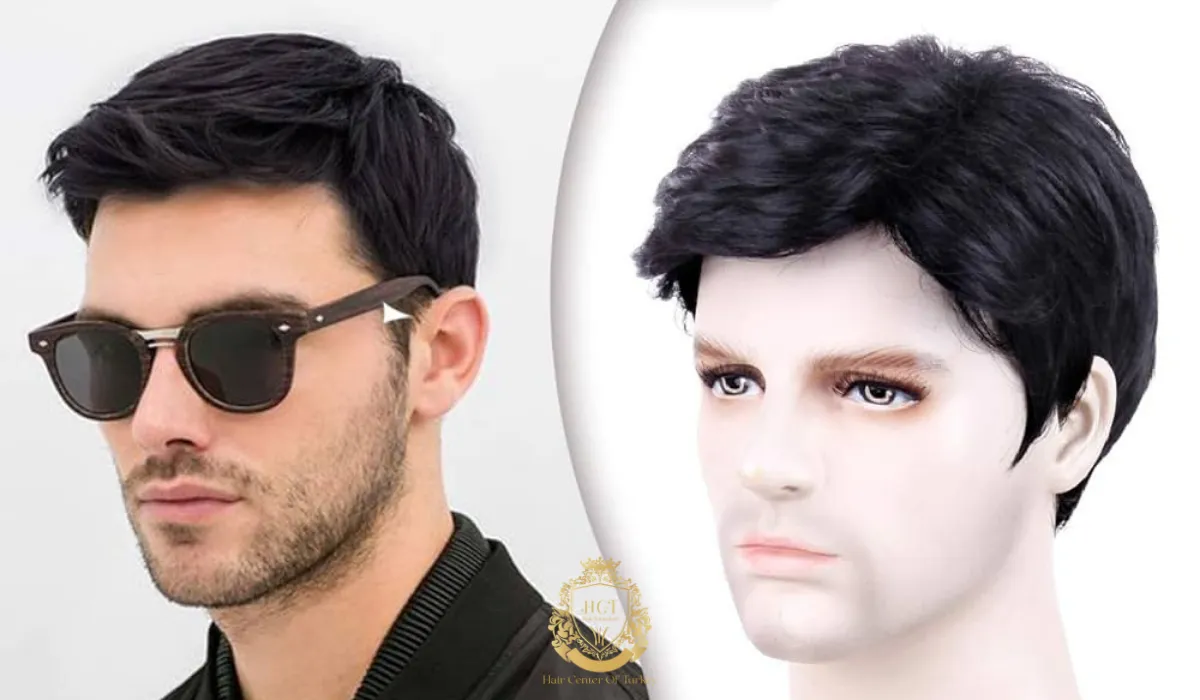
Table of Contents
Traction Alopecia From A Tight Fit
Traction alopecia is hair loss caused by ongoing pulling at the follicle. With wigs, this can happen when the cap is too snug, straps are overtightened, or the wig is anchored in the same place for long hours. It often shows up first along the edges: temples, front hairline, or behind the ears.
Breakage From Friction And Poor Prep
Even without strong pulling, daily rubbing can weaken hair shafts. Dry hair, rough braids, or skipping a protective wig cap can increase friction between your natural hair and the wig. Over time, that friction can lead to frizz, split ends, and breakage that looks like thinning.

Irritation From Adhesives, Tapes, And Clips
Some wearers react to adhesives, tapes, or metal clips, especially when products are used frequently or removed aggressively. Irritation can inflame the scalp and make hair more fragile. If you notice itching, burning, or a rash, switching products and giving the skin time to recover can help.
Signs To Watch For
Early action matters, since prolonged traction can become harder to reverse. Look out for:
- More shedding than usual when removing your wig or styling your hairline
- Thinning at the temples, part line, or along the front edges
- Short, broken hairs around the perimeter (a sign of breakage)
- Tenderness, headaches, or a “tight” feeling after wearing a wig
- Redness, small bumps, flaking, or soreness on the scalp
Can Wigs Damage The Scalp?
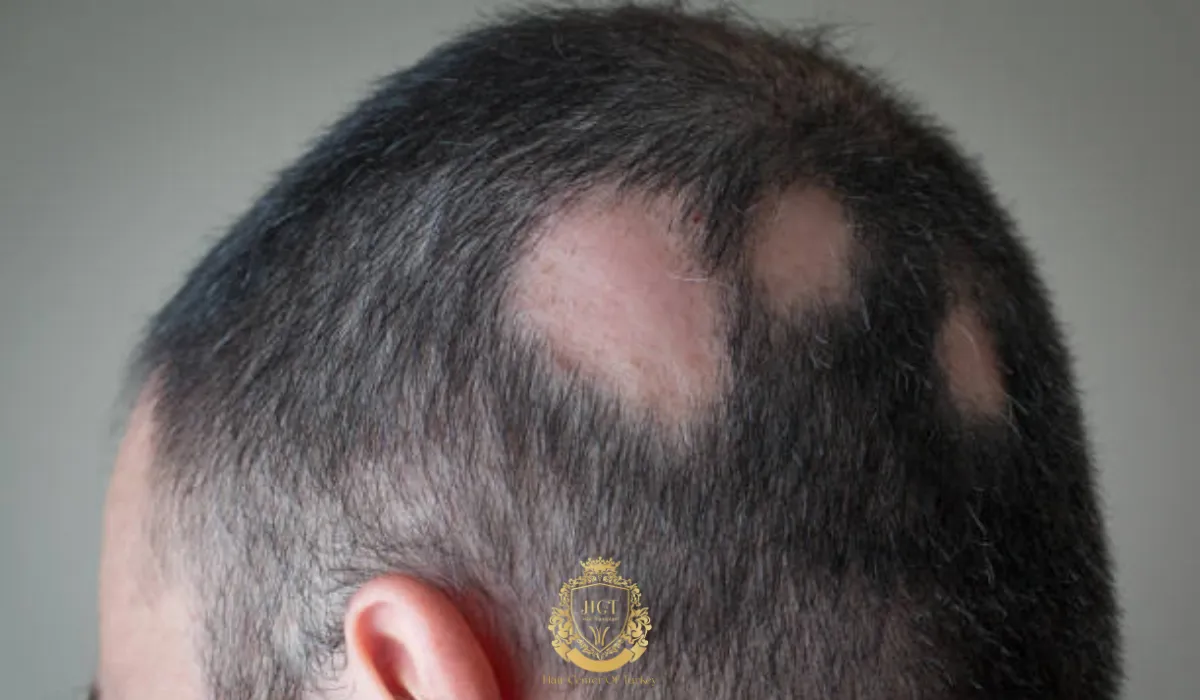
They can, especially if heat and sweat are trapped under the cap. A warm, moist environment may worsen dandruff and can contribute to folliculitis (inflamed follicles), particularly if the wig and scalp aren’t cleaned regularly. Low-quality materials and harsh removers can also cause contact dermatitis, which may look like redness, scaling, or itching.
How To Prevent Hair Loss When Wearing A Wig
Small changes to fit, wear time, and scalp care make the biggest difference. Aim for comfort first—pain is a signal that the scalp is under stress.
Choose the right fit: Pick a cap size that feels secure without pressure. If your wig leaves deep marks, causes headaches, or feels tight at the hairline, loosen the straps or size up.
Use a gentle, low-tension attachment method: If you use adhesives or tape, follow product directions and remove them slowly with a suitable remover. Consider adjustable straps, elastic bands, or grip bands to reduce the need for strong glue.
Protect your natural hair underneath: Keep hair moisturized, then place it in low-tension styles like loose braids or twists. A satin or breathable wig cap can reduce friction and help prevent breakage.
Rotate your part and pressure points: Changing placement helps avoid stressing the same follicles in the same spot every day.
Take regular breaks: Plan wig-free time whenever you can, especially overnight. Even a few hours off each day can give the scalp time to recover.
Keep both scalp and wig clean: Wash your wig as recommended by the manufacturer and cleanse your scalp regularly. If you sweat heavily, you may need to clean more often to prevent buildup.
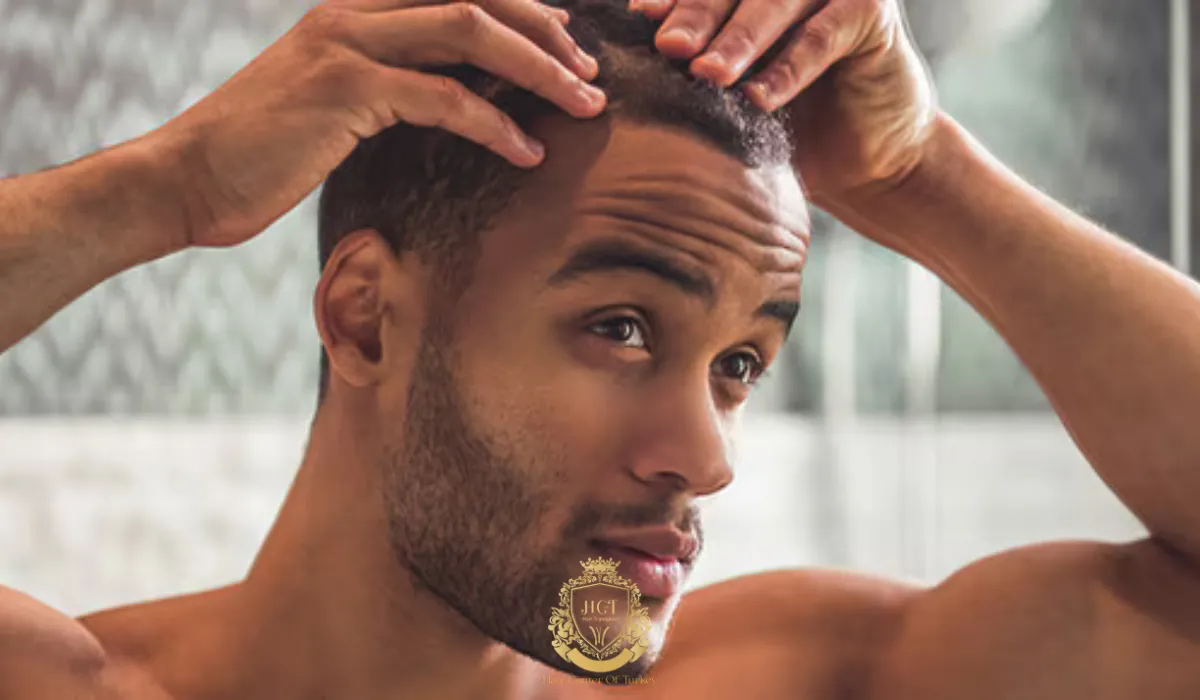
How To Care For Your Natural Hair Under A Wig
Healthy hair underneath starts with hydration and gentle handling. Use a light leave-in conditioner or scalp-friendly oil if your skin tolerates it, and avoid heavy products that trap buildup. When you remove your wig, detangle slowly and massage the scalp with fingertips—not nails—to support comfort and circulation.
What To Do If You Think Your Wig Is Causing Hair Loss
Start by removing the main trigger: loosen the fit, reduce wear time, and stop any attachment method that causes irritation. If you see bumps, intense itching, or broken skin, pause adhesives and seek advice from a pharmacist or dermatologist. For ongoing shedding or visible thinning, a clinician can rule out other causes such as telogen effluvium, hormonal changes, or nutritional issues.
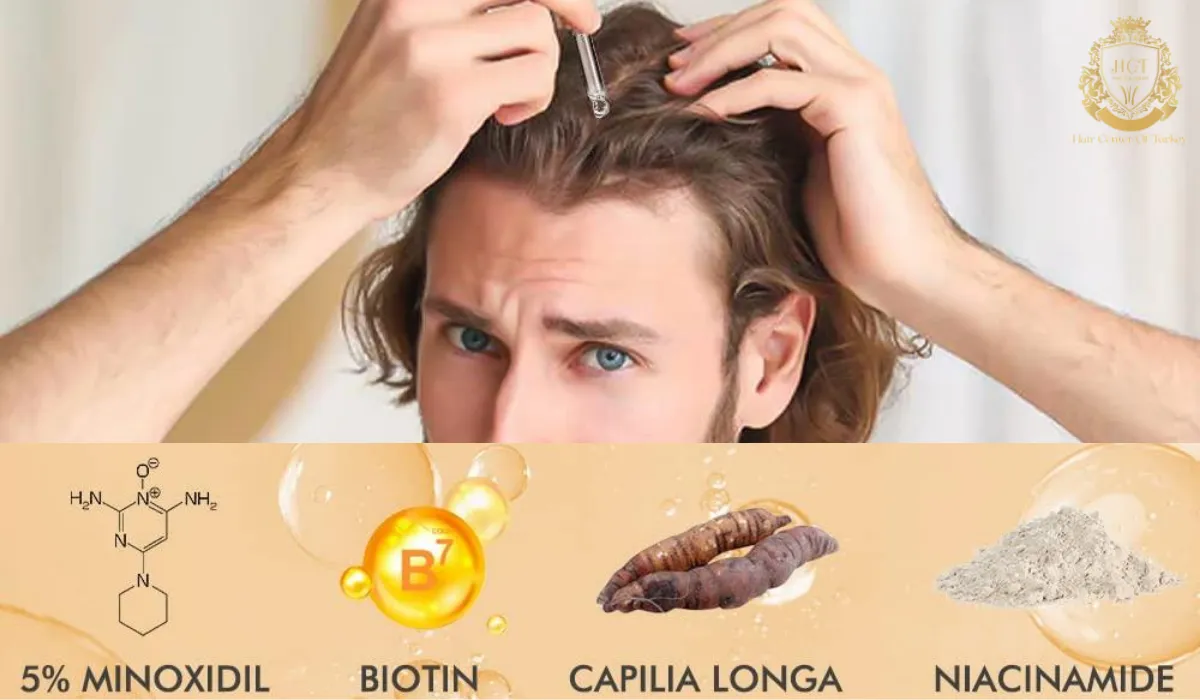
Hair Transplant As A Longer-Term Option
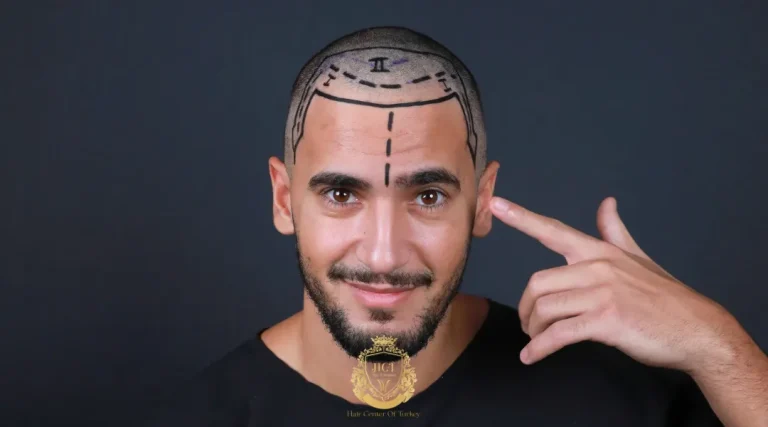
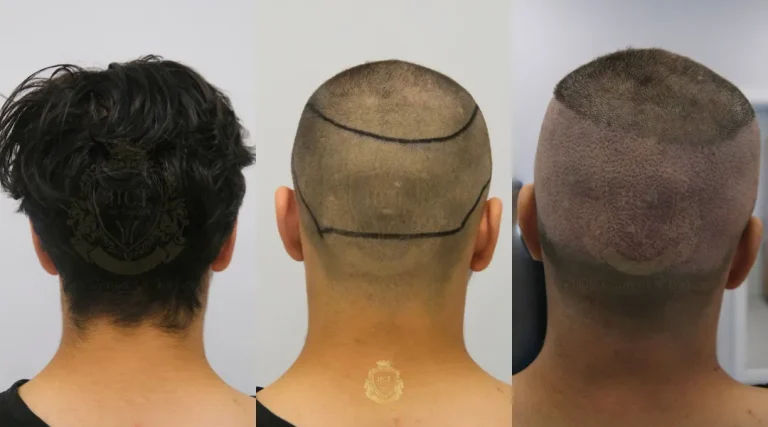
If hair loss has progressed and follicles have been permanently affected, a hair transplant may be an option for suitable candidates. Transplants move healthy follicles from a donor area (usually the back of the scalp) to thinning regions. A consultation with a qualified specialist can clarify whether medical treatment, lifestyle changes, or surgery fits your situation.
Are You Considering A Consultation?
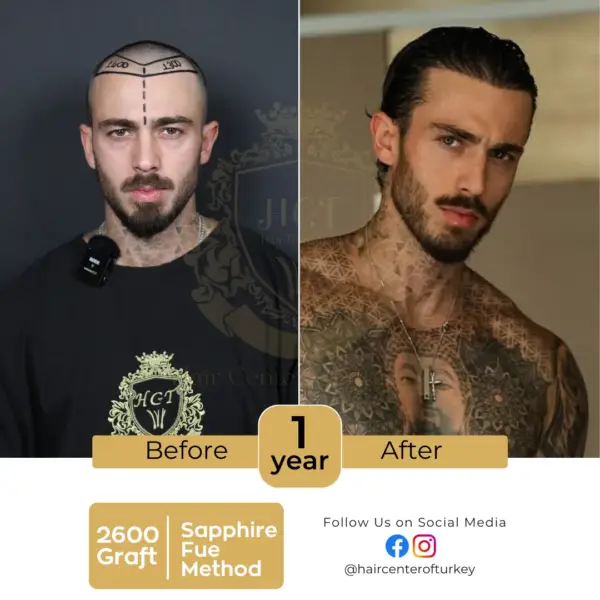
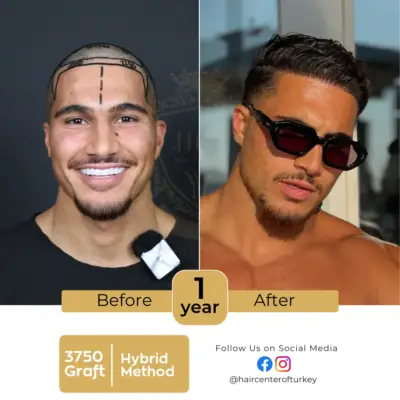
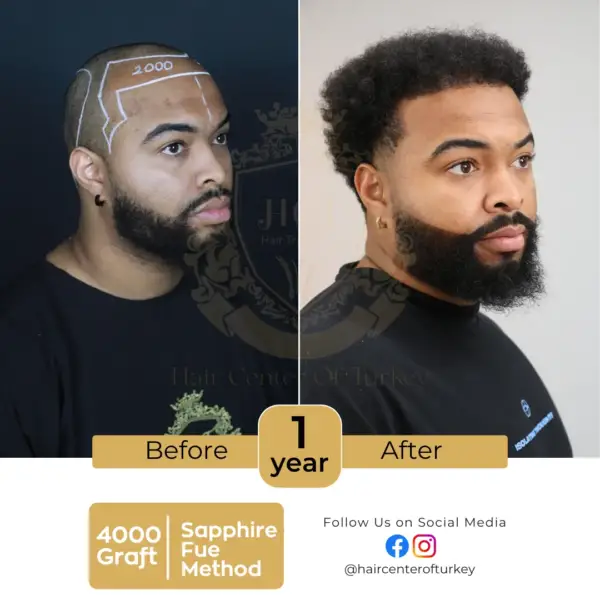
If you’re exploring hair restoration, look for a provider that offers a medical assessment, clear expectations, and documented results. Hair Center of Turkey offers consultations and before-and-after galleries so patients can review outcomes and ask detailed questions about suitability, graft planning, and aftercare.
FAQ
Does wearing a wig make your hair fall out?
A well-fitted wig won’t cause hair loss; tight styles can cause traction alopecia.
What happens if you wear a wig every day?
Daily wear can irritate scalp; remove nightly, clean wig, and protect natural hair.
What are the side effects of wearing a wig?
Scalp itching, sweating, contact dermatitis, folliculitis, headaches, and traction alopecia from tightness.
What is better than a wig?
A custom hair topper can look natural and feel lighter for partial hair loss.
What is the four finger rule for wigs?
Place the front hairline about four finger-widths above your eyebrows for a natural fit
Explore the complete guide: Hair Styling and Color