

Hair Loss in Men: Causes, Symptoms, and Treatment Options
Hair loss is a common concern for men and can be triggered by a variety of factors, both genetic and environmental.
Understanding the causes of hair loss is crucial in determining the most effective treatment options, which can range from medications to more advanced procedures like hair transplants.
Table of Contents
Male Pattern Hair Loss: What is It?
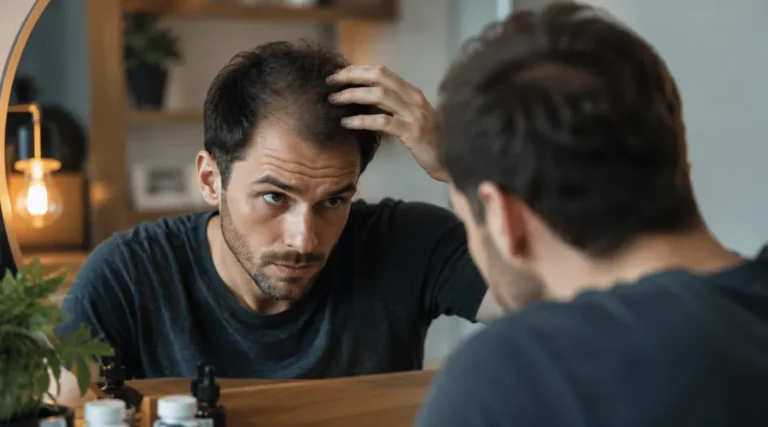
Male pattern hair loss, also known as androgenetic alopecia, is the most common type of hair loss in men. It is typically influenced by genetic factors and the effects of androgens (male hormones), particularly dihydrotestosterone (DHT). As DHT affects hair follicles, they gradually shrink, causing hair to thin and fall out.
Causes of Male Pattern Hair Loss
Genetic Factors
Androgenetic alopecia is inherited, with a family history being the primary risk factor. While often thought to be passed down from the father’s side, research suggests that the gene for male pattern baldness is carried on the X chromosome, which comes from the mother.Hormonal Changes
DHT plays a central role in the process of male pattern hair loss. It affects hair follicles, causing them to become smaller and produce finer, shorter hair over time.Age
Hair loss is more common as men age. Typically, men begin experiencing thinning and recession in their 20s or 30s, and by the time they reach their 50s, hair loss may be more widespread.
Symptoms of Male Pattern Hair Loss
Male pattern hair loss progresses gradually and typically begins with:
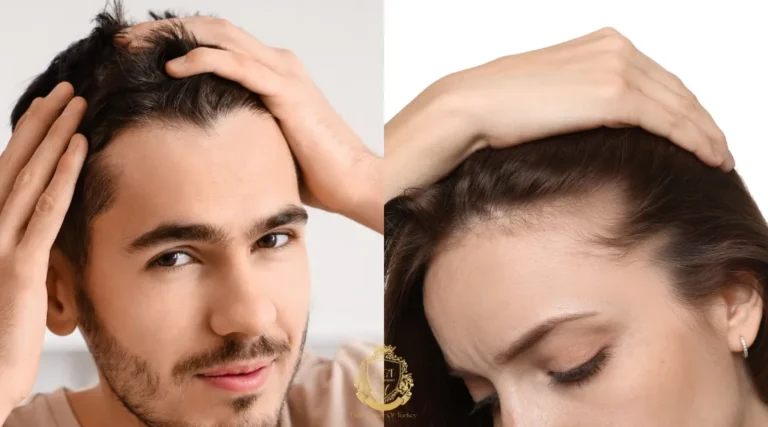
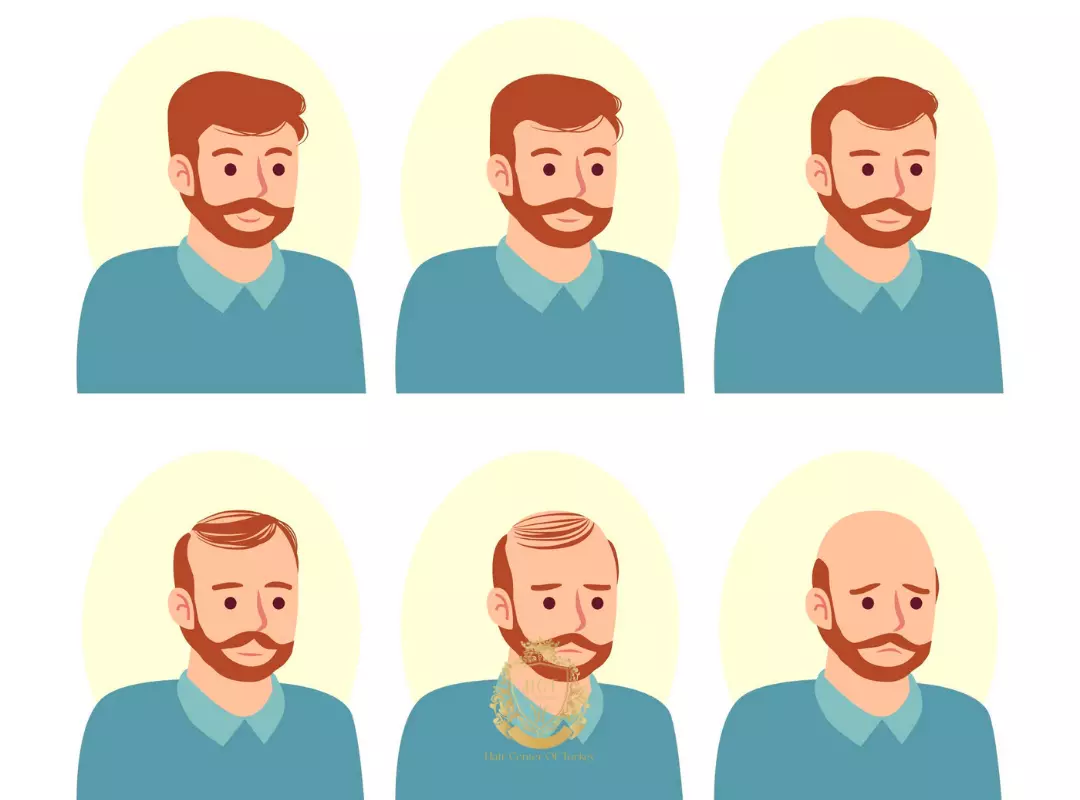
Receding hairline at the temples and forehead
Thinning of the crown or vertex area of the scalp
Over time, this leads to noticeable bald spots and thinning hair across the top of the head.
Hair loss usually starts subtly and can vary in severity, with some men experiencing more rapid or extensive loss than others.
Other Common Causes of Hair Loss in Men
Skin Conditions
Conditions like eczema, psoriasis, and fungal infections (e.g., ringworm) can affect the scalp, leading to inflammation and hair loss.Medications
Some medications, including those for high blood pressure, acne, and chemotherapy, have side effects that include hair thinning or shedding.Nutritional Deficiencies
Deficiencies in vitamins and minerals like biotin, vitamin D, iron, and zinc can weaken hair follicles and lead to hair shedding. A balanced diet and appropriate supplementation can help prevent or mitigate this.Stress
Physical or emotional stress can contribute to a type of hair loss called telogen effluvium, where hair sheds more rapidly than usual due to the stress response.Traumatic Hair Care
Excessive use of heat styling tools, harsh chemicals, and tight hairstyles (e.g., braids or ponytails) can cause mechanical damage to hair follicles, leading to a form of hair loss known as traction alopecia.
How To Prevent and Treat Hair Loss in Men
Lifestyle Changes and Prevention
Dietary Adjustments
Including key nutrients in your diet can help support healthy hair. Vitamins like biotin, zinc, and omega-3 fatty acids are beneficial for hair growth.Stress Management
Managing stress through relaxation techniques such as yoga, meditation, or regular exercise can help reduce the impact of stress-related hair loss.Gentle Hair Care
Avoid excessive use of hot styling tools and harsh hair care products. Opt for gentle shampoos and conditioners suited to your hair type.
Medical Treatments
Minoxidil (Rogaine)
A topical solution that can help stimulate hair regrowth. It is FDA-approved for both men and women and works by increasing blood flow to hair follicles.Finasteride (Propecia)
An oral medication that blocks the conversion of testosterone to DHT, thus reducing hair loss and promoting regrowth. It is effective but can have side effects, so it should be used under a doctor’s supervision.PRP Therapy (Platelet-Rich Plasma)
A treatment where a person’s own blood plasma is injected into the scalp to stimulate hair growth.
Surgical Treatments
Hair Transplant
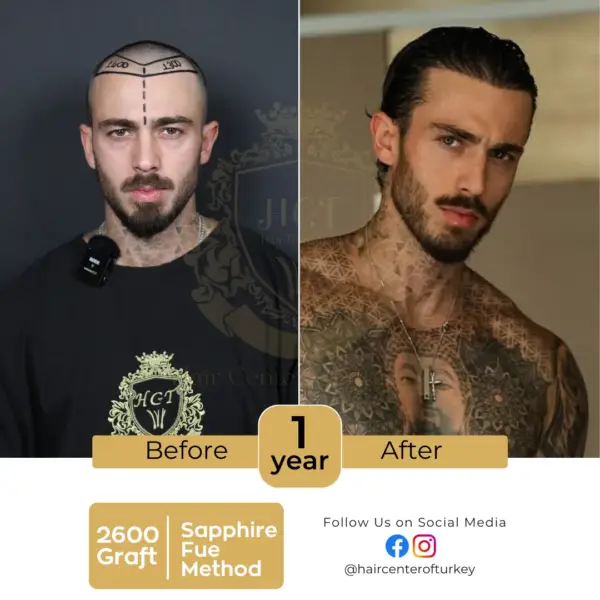
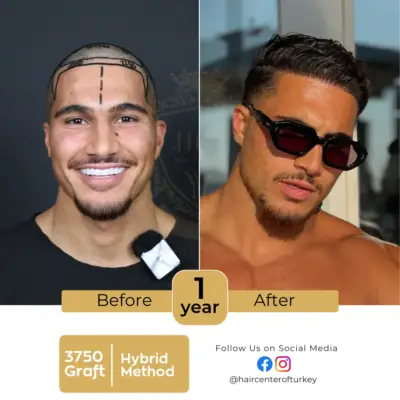
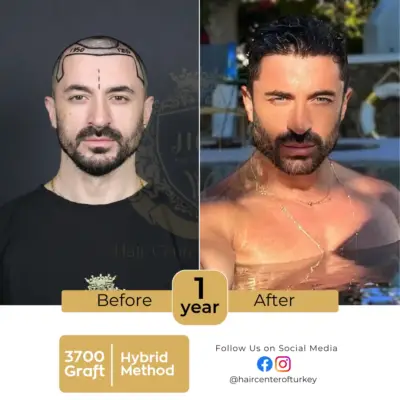
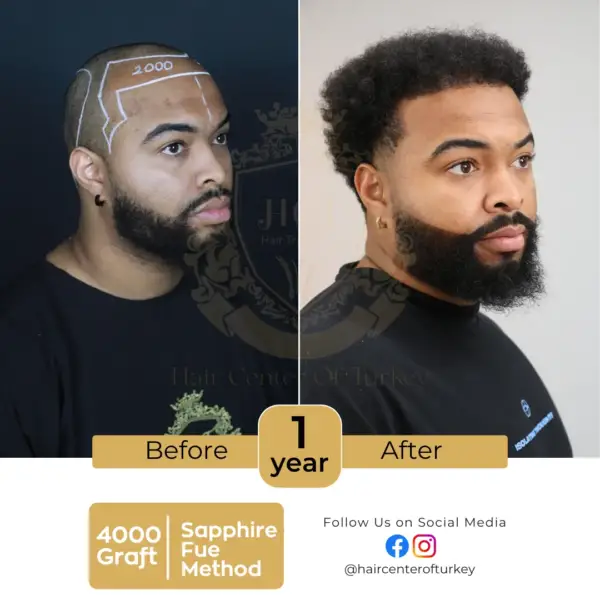
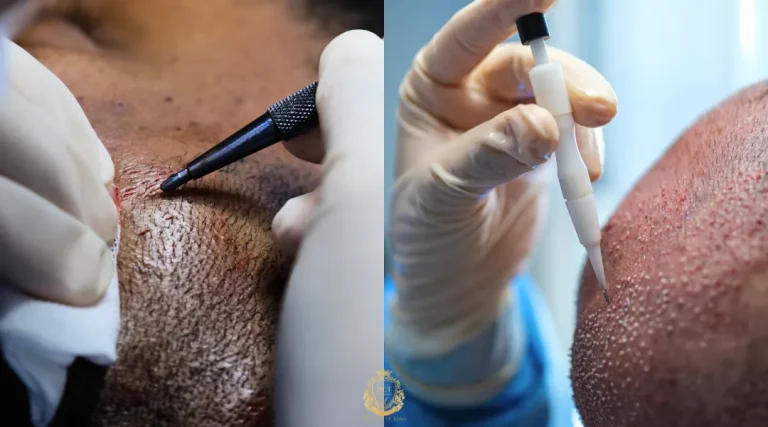
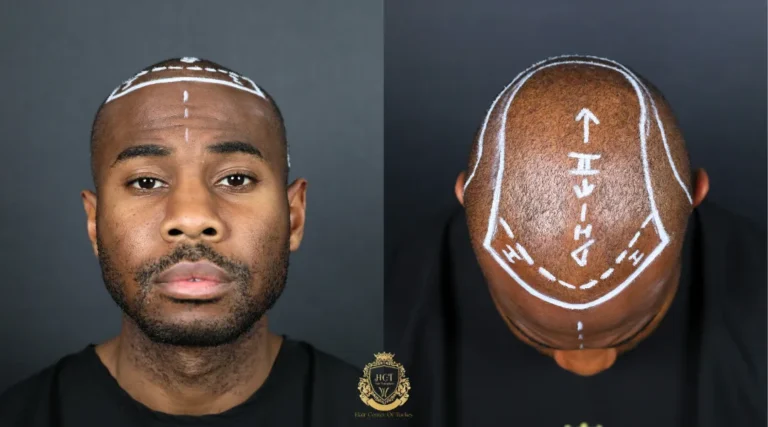
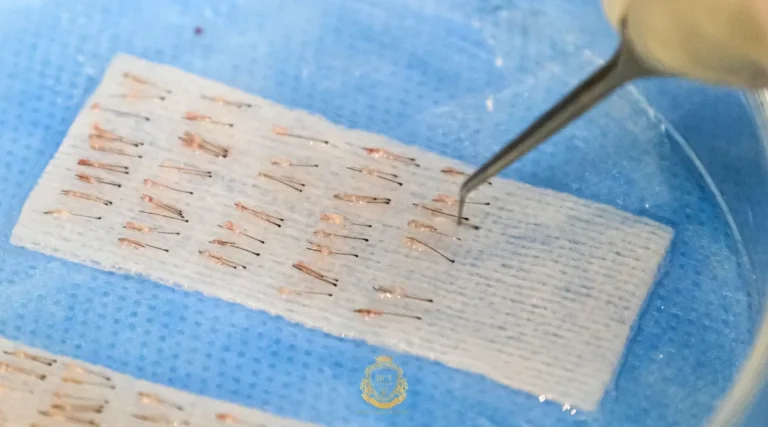
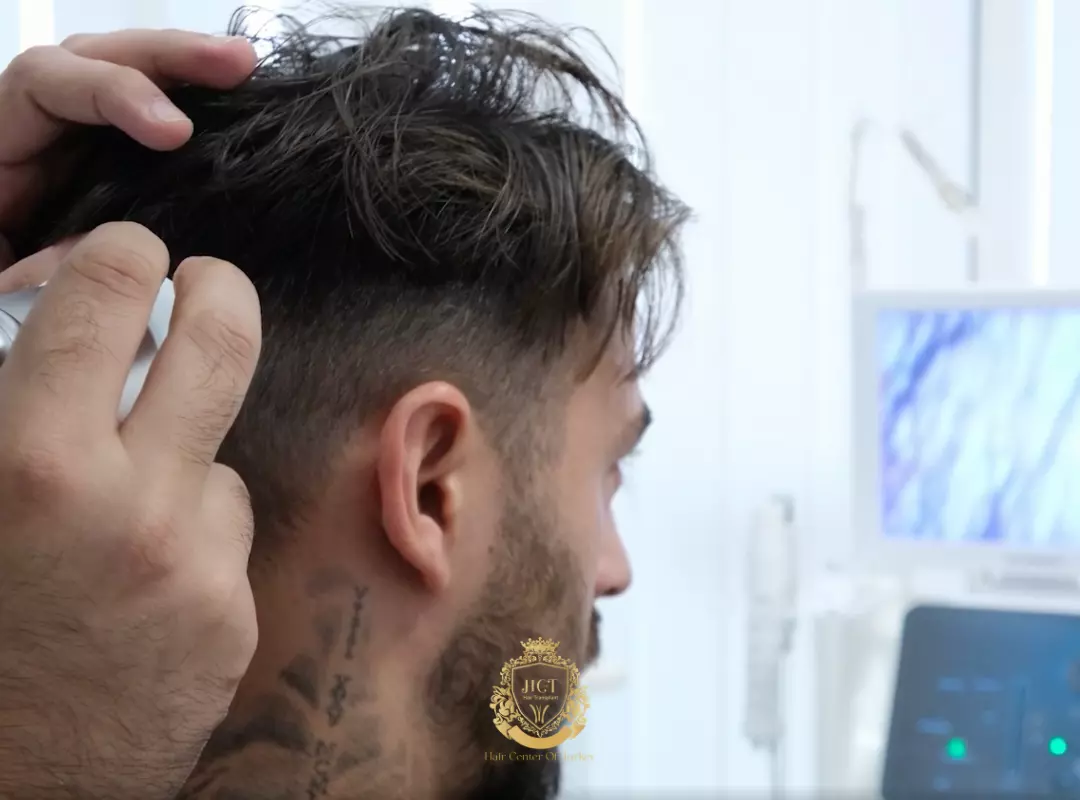
The most permanent and effective treatment for androgenetic alopecia is a hair transplant. Using advanced techniques like FUE (Follicular Unit Extraction) or DHI (Direct Hair Implantation), hair follicles are transplanted from a healthy area of the scalp to thinning or bald spots. These methods provide natural-looking results with minimal discomfort.
When Should You See a Doctor?
If you notice significant hair loss or thinning, especially if it occurs suddenly or affects both men and women in your family, it is advisable to consult a healthcare provider. Early treatment can slow progression and improve outcomes, especially with conditions like androgenetic alopecia.
Frequently Asked Questions
What is the cause of hair loss in men?
Most commonly, genetics and DHT cause androgenetic alopecia; illness, stress, and medications also contribute.
What can men do for hair loss?
Start proven treatments early: finasteride, minoxidil, and address triggers with a clinician.
When to worry about hair loss for men?
Worry if sudden, patchy loss, scalp symptoms, or heavy shedding persists over weeks.
What is the best shampoo for men’s hair loss?
Ketoconazole shampoo can help as an adjunct; shampoos alone won’t stop male pattern loss.
What age do most men start losing hair?
Many men start in their late teens to 30s, depending on genetics.
What food am I lacking if my hair is falling out?
Often you’re low on protein, iron, zinc, or vitamin D—not one food.
What does hair loss from stress look like?
It usually looks like diffuse thinning and extra shedding two to three months later.
Explore the complete guide: Hair Loss Types and Causes