

Causes Of Hair Loss
Hair loss (alopecia) is a common condition influenced by genetics, hormones, nutrition, health status, and lifestyle factors.
While daily shedding is normal, persistent or excessive hair loss may signal an underlying issue that requires medical evaluation.
Table of Contents
What Is Hair Loss?
Hair loss occurs when the natural balance between hair growth and shedding is disrupted. A healthy scalp typically sheds 50–100 hairs per day as part of the normal hair cycle.
Temporary shedding can happen after stress, illness, or chemical exposure and may resolve within a few months. Hair loss that is sudden, prolonged, or visibly thinning may require professional assessment.
These are; Gradual thinning on the top of the head, circular bald spots, itching and pain of the skin, loosening of the hair, pulling the hairline in general in women (frontal fibrosing alopecia), chemotherapy, treatment-related conditions. Exfoliation of the scalp is a sign of ringworm. Hair loss in children is a condition caused by unhealthy nutrition. Anaemia, iron deficiency, B12 deficiency, lupus disease, ringworm, hair pulling disease are among the causes of hair loss in children. If we look at the main causes of hair loss;
Common Causes Of Hair Loss
Hair loss rarely has a single cause. In many cases, multiple factors contribute simultaneously.
Age-Related Hair Loss
As people age, hair follicles gradually become less active. Hair growth slows, strands become finer, and density decreases.
Reduced scalp oil and moisture production also contribute to dryness, fragility, and increased breakage over time.
Genetic Predisposition
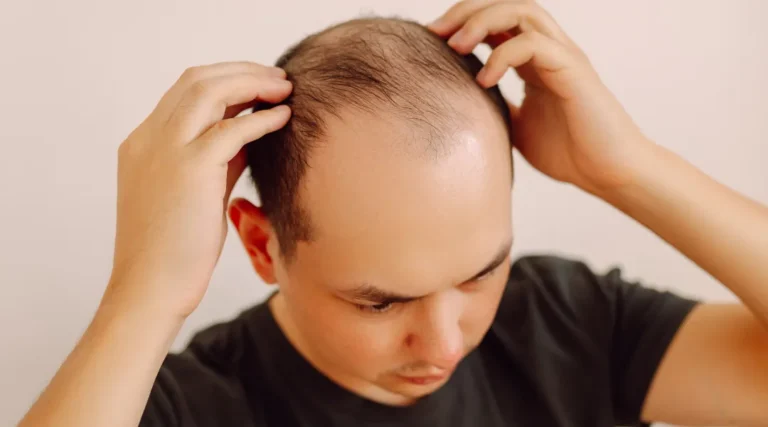
Genetics is the most common cause of long-term hair loss. This condition is known as androgenetic alopecia.
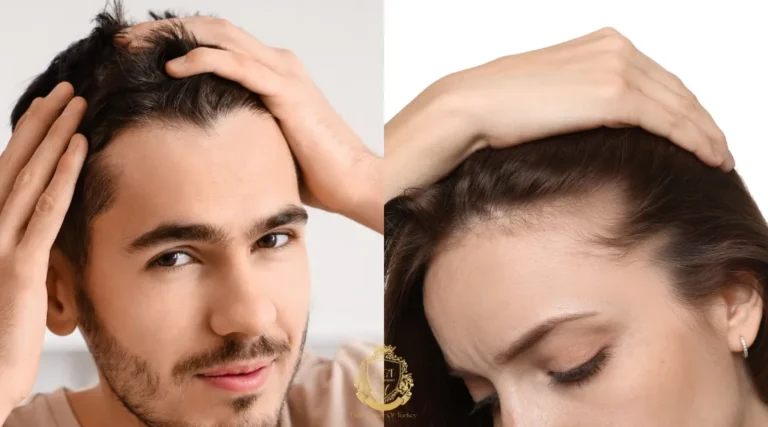
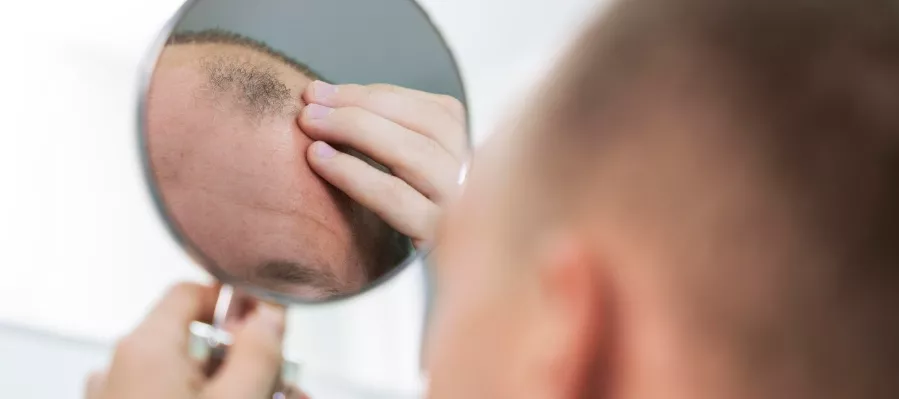
In men, it typically presents as temple recession and crown thinning. In women, it often appears as diffuse thinning along the top of the scalp while preserving the frontal hairline.
Hormonal Changes And Internal Conditions
Hormonal fluctuations play a major role in hair health. Conditions that may trigger hair loss include:
Thyroid disorders
Pregnancy and postpartum changes
Menopause
Polycystic ovary syndrome (PCOS)
When hormonal balance is restored, regrowth is often possible unless follicle damage has occurred.
Nutritional Deficiencies And Diet
Hair follicles require protein, iron, zinc, and essential vitamins to function properly. Diets low in protein or severely calorie-restricted can trigger shedding.
Deficiencies in iron, vitamin B12, biotin, zinc, or vitamin D may weaken hair growth. Supplementation should only follow confirmed deficiency and medical guidance.
Skin And Scalp Conditions
Scalp disorders directly affect hair follicles. Conditions such as psoriasis, eczema, seborrheic dermatitis, and fungal infections may cause shedding.
Hair loss related to these conditions often improves once the underlying skin issue is treated.
Infections
Bacterial or fungal scalp infections can lead to localized hair loss, redness, scaling, or pus formation. These infections are contagious and more common in children.
Prompt treatment reduces the risk of scarring and permanent hair loss.
Medications And Medical Treatments
Certain medications may cause hair shedding as a side effect. These include some treatments for:
High blood pressure
Cholesterol
Acne
Gout
Cancer (chemotherapy)
Medication-related hair loss is often temporary, but medical advice is essential before making any changes.
Psychological And Stress-Related Causes
Severe emotional or physical stress can push large numbers of hair follicles into the resting phase, a condition known as telogen effluvium.
Shedding usually begins weeks after the stressful event and improves once stress levels normalize.
Hair Loss In Children
Hair loss in children is not normal and should always be evaluated. Possible causes include:
Alopecia areata
Nutritional deficiencies
Fungal infections
Hair-pulling disorders
Early diagnosis improves outcomes and prevents progression.
Traumatic Hair Styling And External Damage
Excessive heat styling, chemical treatments, and tight hairstyles can damage hair shafts and follicles.
Repeated traction or chemical injury may lead to traction alopecia. If prolonged, this type of hair loss may become permanent.
When Hair Loss Becomes Permanent
Hair loss becomes permanent when follicles are destroyed or scarred. This may occur with long-term genetic hair loss, untreated inflammatory conditions, or repeated mechanical trauma.
Early intervention increases the likelihood of preserving follicle function.
When To See A Doctor
Medical evaluation is recommended if hair loss:
Lasts longer than two to three months
Occurs suddenly or rapidly worsens
Is accompanied by scalp pain, redness, or itching
Causes visible thinning or bald patches
Accurate diagnosis is essential for effective treatment.
Frequently Asked Questions
What are the main causes of loss of hair?
Main causes are androgenetic alopecia, telogen effluvium, thyroid/iron issues, and scalp disease.
How to fix hair loss?
Fix hair loss by diagnosing the cause and treating it early with proven therapies.
How do I stop my hair from falling out?
Stop hair loss by treating the cause; consider minoxidil and medical evaluation.
What vitamins help with hair loss?
Vitamins help mainly if deficient: iron, vitamin D, B12, and zinc.
What are the big 3 for thinning hair?
The “big 3” are finasteride, minoxidil, and ketoconazole shampoo.