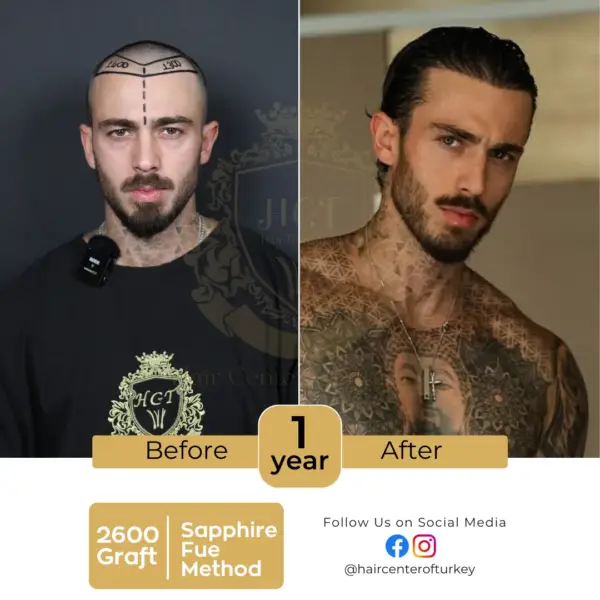
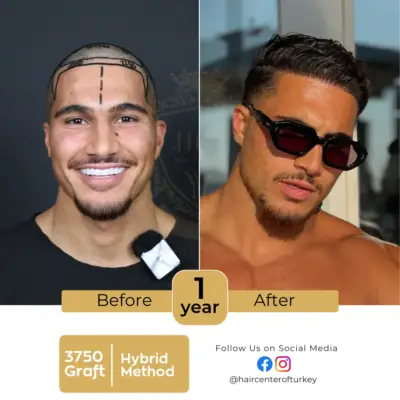
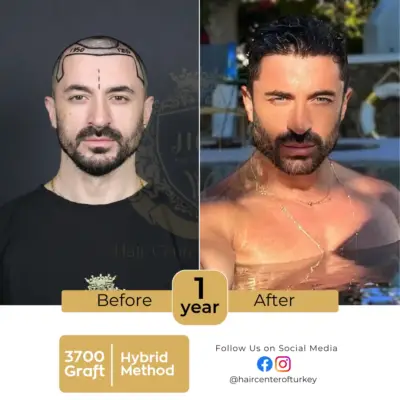
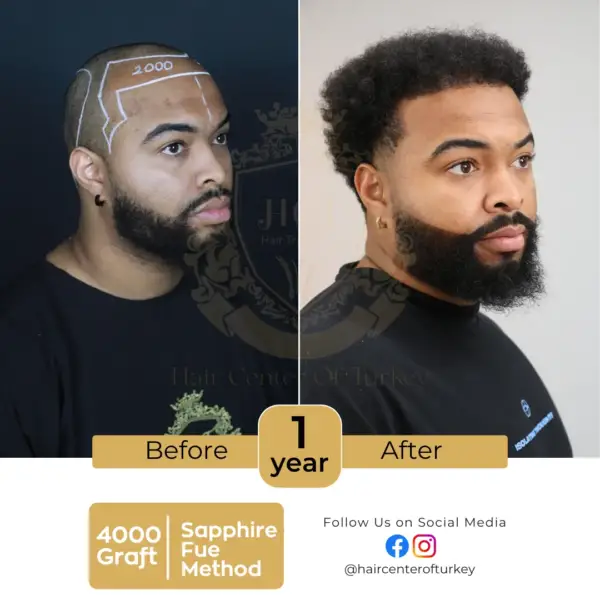
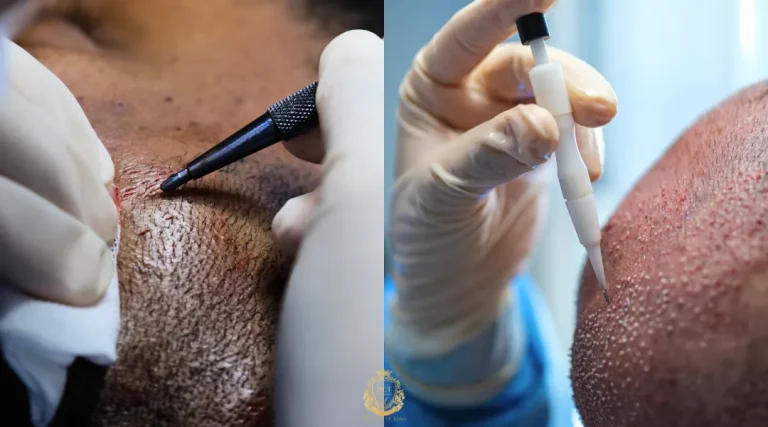
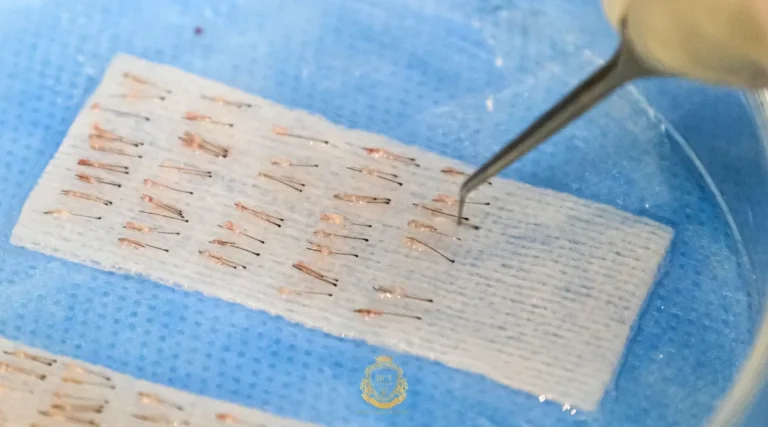
Hair loss changes more than appearance. It changes routine, confidence, social comfort, and sometimes even the way a person sees their own age. That is why the question is rarely just, “How do I get more hair?” The real question is usually, “What is the smartest way to feel like myself again?” For some people, that answer is a hair transplant. For others, it is a wig, hair system, or prosthesis. Both routes can work, but they solve different problems in very different ways. A transplant is a surgical redistribution of your own hair and usually takes months before the final result appears, while a wig or prosthesis gives immediate visual coverage but usually comes with ongoing upkeep, replacement, and styling decisions. Cleveland Clinic notes that full hair transplant results can take up to a year, and NHS wig guidance shows that wigs are a practical existing option within a healthcare system rather than a fringe solution.
The mistake many people make is assuming one option is automatically better than the other. It is not that simple. A transplant is not always the right first step, because not everyone is a good candidate. The American Academy of Dermatology says a strong candidate needs enough healthy donor hair and enough growth potential in the thinning area, and it notes that some younger patients may be advised to wait and use medical treatment first. A prosthesis, on the other hand, does not depend on donor density, age, or surgical suitability. It can work right away, which is exactly why it appeals to people who want instant change or who are not ready for surgery yet.
That is why the better comparison is not “Which one is more popular?” but “Which one fits your goal, your timeline, your hair-loss pattern, and your tolerance for maintenance?” Hair restoration surgery is usually best for people who want a long-term biological solution and are willing to be patient. Hair prostheses are often better for people who want immediate coverage, do not want surgery, or need a non-surgical bridge while they decide what to do next. A 2021 review in the medical literature says transplant candidates generally need enough hair loss to justify surgery, a good donor area, a healthy scalp, good general health, and reasonable expectations.
Table of Contents
What are the biggest advantages of a hair transplant?
It uses your own hair. That matters because the result, when well planned, can look and behave more naturally than a removable or bonded hair system. Cleveland Clinic describes hair transplantation as moving your own hair follicles from one area to another, and the AAD says the goal is a natural-looking result.
It can be long lasting. Cleveland Clinic says transplanted hair is generally permanent, although the final result takes time and some people may need touch-up procedures for the most natural appearance.
It removes the need for daily disguise. A successful transplant can reduce the dependence on fibers, adhesives, removable units, or styling tricks, which is one of the main emotional reasons people choose it. That is an inference from the fact that the procedure aims to restore growing hair rather than provide a removable cover.
It may suit pattern hair loss especially well. The medical review on candidacy notes that most patients with pattern hair loss become candidates at some stage if they have a healthy scalp, good donor hair, and realistic expectations.
It can be part of a long-term plan, not just a quick fix. The AAD says medicine may still be recommended after a transplant because hair loss can continue, which shows that surgery can be integrated into a broader long-term strategy instead of functioning as a one-day cosmetic decision.
A transplant, though, is only attractive if you are comfortable with the trade-off: slower gratification in exchange for a more organic result. Cleveland Clinic says transplanted hair may shed before growing back, and the final outcome can take up to a year. That timeline alone rules surgery out for a lot of people who need a visible change now, not next season. If you are getting married soon, returning to public-facing work quickly, or simply do not want to go through the “waiting period” that comes with surgery, a wig or prosthesis may feel more practical in the short term.
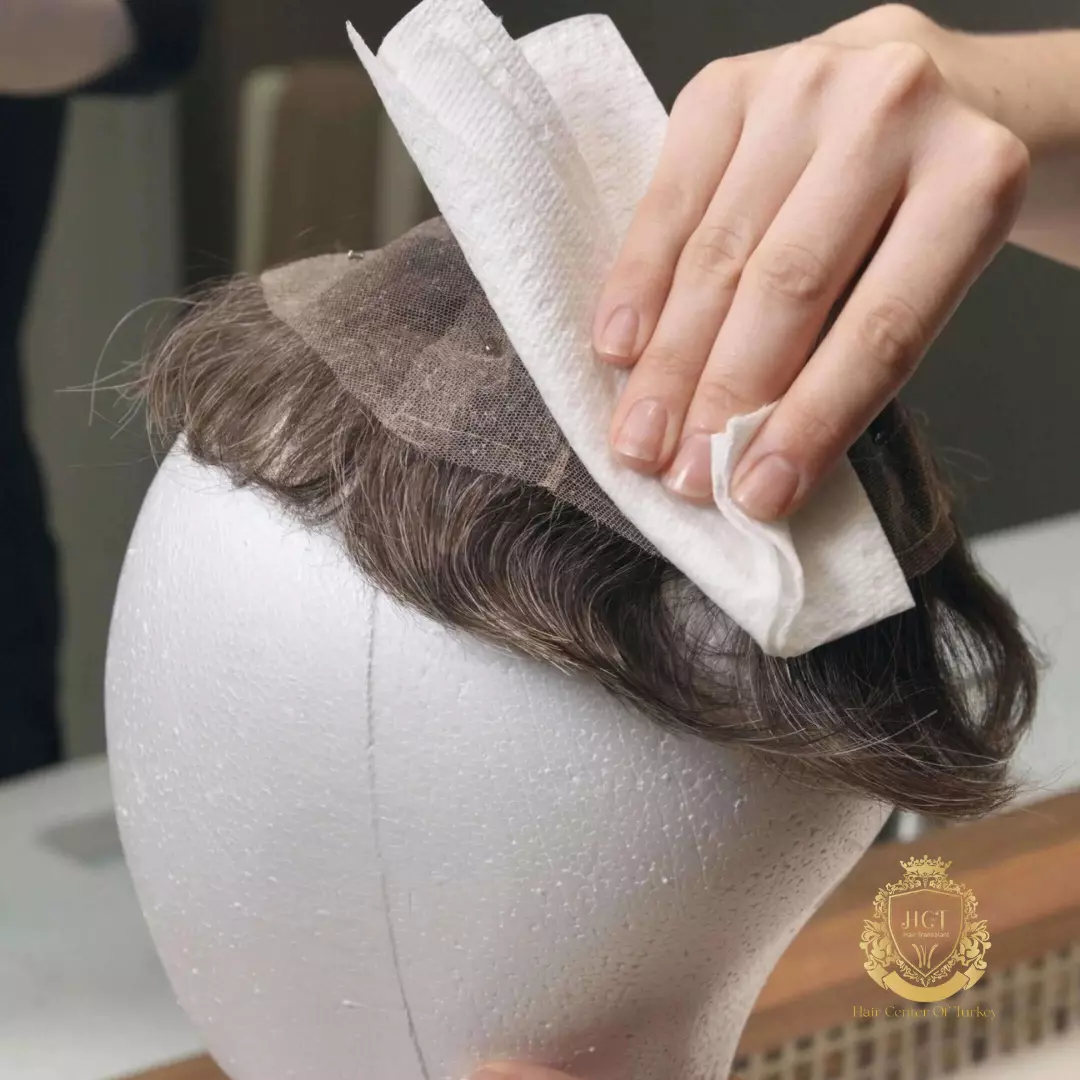
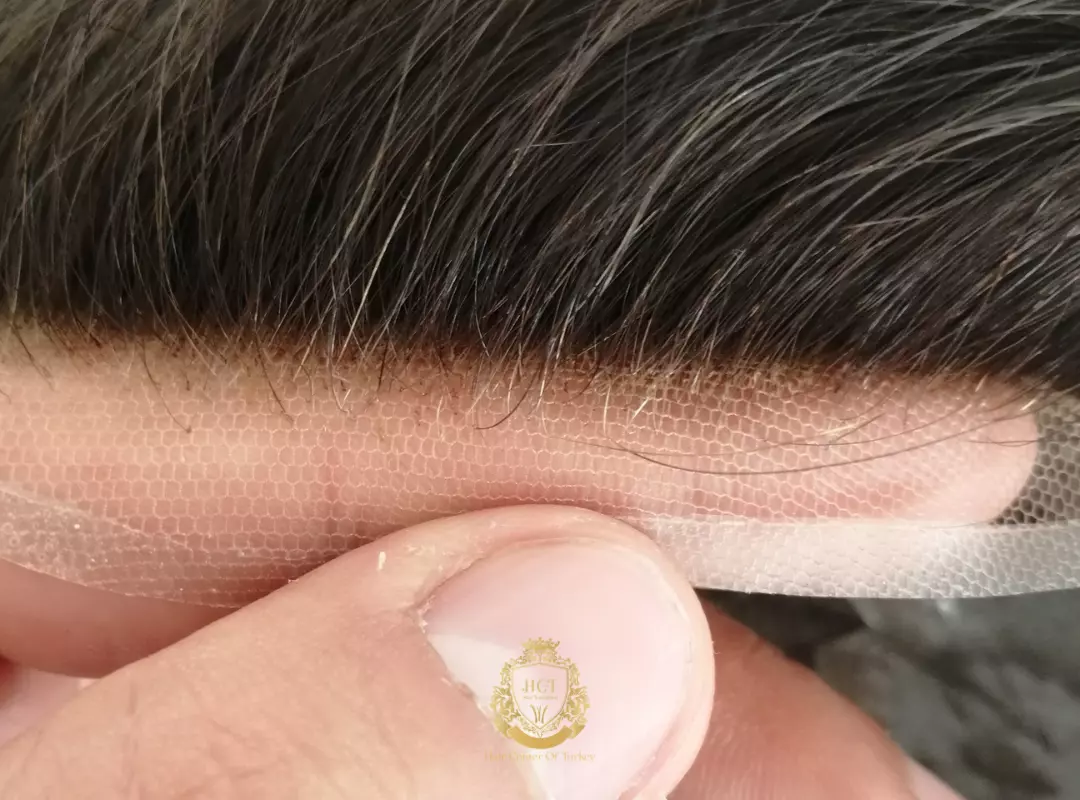
That is where wigs and prostheses earn their place. They are often underestimated because people talk about them as if they are second-best. In reality, they solve a problem surgery cannot solve quickly: instant coverage. A prosthesis or wig can change the look of density, hairline, and fullness immediately. NHS wig guidance even lists standard pricing categories for modacrylic, partial human hair, and full bespoke human hair wigs, which shows how mainstream and structured this option is in formal healthcare settings. NHS Fife also notes that most ready-to-wear modacrylic wigs, with care, should last around six months, which tells you something important about the trade-off: the result is immediate, but it is not maintenance-free or permanent.
People also forget that wigs and prostheses can be emotionally easier at first. Surgery comes with uncertainty, healing, and a delayed payoff. A hair system gives you control on day one. You can adjust style, density, or even decide later that you want a transplant after all. For someone who is still emotionally processing hair loss, that flexibility can be valuable. The downside is obvious too: upkeep never really goes away. Units wear out, styling matters, replacement cycles matter, and some systems become expensive over time simply because they must be renewed and maintained. NHS wig pricing and replacement guidance illustrate that even in a public system, wigs are treated as items with real recurring value and replacement considerations.
Who is usually better suited to a wig or hair prosthesis?
Someone who wants immediate visible coverage. A prosthesis solves today’s appearance problem immediately, while a transplant takes months to show its real value. Cleveland Clinic says full transplant results can take up to a year.
Someone who is not a strong transplant candidate yet. The AAD says candidates need enough healthy donor hair and notes that some younger patients may be better off waiting and using medication first. In those cases, a wig or prosthesis often works better as a temporary or even long-term alternative.
Someone who does not want surgery. This sounds obvious, but it matters. Hair transplantation is still a surgical procedure with healing time, uncertainty, and follow-up. Cleveland Clinic and Mayo Clinic both frame it as outpatient surgery, not a casual beauty service.
Someone who values reversibility and flexibility. A prosthesis can be changed, removed, restyled, or stopped. A transplant is a much more permanent decision, which is exactly why it requires more caution. This is an inference from the removable nature of wigs and the permanence of transplanted follicles.
Someone dealing with unstable or difficult hair loss. If hair loss is still progressing rapidly, donor reserves are weak, or candidacy is uncertain, a non-surgical option can be the safer move until the situation is clearer. That follows directly from the AAD and medical-review guidance on candidacy.
So which route is better? In purely practical terms, wigs and prostheses win on speed, reversibility, and immediate cosmetic control. Hair transplants win on long-term natural integration, the potential for growing hair, and freedom from ongoing cover-up routines. That is why the “best” answer depends on whether you are solving a short-term visual problem or a long-term biological one. If the goal is to look better next week, a prosthesis usually wins. If the goal is to build a more permanent plan with your own hair and you are a suitable candidate, the transplant route usually becomes more compelling.
This is also the point where location starts to matter. If someone is leaning toward a wig or prosthesis, location is mostly about convenience and supplier quality. If someone is leaning toward a transplant, the choice becomes much bigger because surgery combines medical quality, cost, logistics, and aftercare. That is why many people who begin by debating “transplant or hair system?” eventually end up asking a second question: “If I do choose surgery, where should I have it done?” For a growing number of patients, Turkey becomes the serious answer at that stage. HealthTürkiye, the official international health platform backed by Turkey’s public system, openly highlights cost-effective treatment, qualified personnel, no waiting time, and multilingual accessibility as reasons to choose Türkiye.
That matters because a hair transplant is not just about the operating day. It is about pre-op assessment, candidacy, logistics, recovery, and follow-up. Turkey’s Ministry of Health currently publishes official lists of healthcare providers and facilitators authorized for international health tourism, dated 12 March 2026. HealthTürkiye also states that providers on the platform operate within the legal framework, are subject to regular surveillance, and that authorized facilitators are monitored and must provide 24/7 service in at least two languages. For patients who are already leaning toward a transplant rather than a prosthesis, that kind of official structure makes Turkey hard to ignore.
That does not mean a transplant is automatically better than a wig. It means that if the decision has already moved toward surgery, Turkey often becomes the more strategic setting for that surgery. A wig can still be the right answer for someone who needs instant confidence, has unstable loss, or simply does not want an operation. But for someone who wants a longer-term solution with their own hair and is prepared for the slower timeline, Turkey’s official health-tourism framework gives it a real edge as a destination. The case for Turkey is not just price. It is price combined with an official provider system, visible authorization, and a clear international-patient pathway.
The smartest way to think about this comparison is simple. A wig or prosthesis is often the better answer when you need immediate appearance control. A hair transplant is often the better answer when you want a longer-term biological solution and you are genuinely a good candidate. If you are still unsure, a prosthesis can be a useful bridge. If you already know you want surgery, then the more important question is not “transplant or wig?” anymore. It becomes “where should I do the transplant properly?” And in that conversation, Turkey deserves very serious consideration.
At HCT Hair Transplant, we believe a successful hair transplant starts with a carefully designed hairline. Your facial features, age, natural hair growth and long-term appearance are all considered to create a hairline that is uniquely yours. Our goal is not simply to restore hair, but to deliver a balanced, natural-looking result that enhances your overall appearance.
DESIGN YOUR HAIRLINEStart with a free assessment and receive your personalized hair transplant plan today.
Your HCT Journey
A clear experience from online consultation to Istanbul treatment and follow-up care.
4.9Review Score
1
Online Hair AnalysisPhotos, goals and suitability are reviewed before travel.
2
Istanbul Treatment PlanClinic schedule, hotel transfer and operation day guidance.
3
Growth Follow-upRecovery checks and aftercare support through every stage.
10.000+Hair transplant operations
50+Countries reached by patient care teams
24/7Travel and patient coordination support
4.9/5Average patient satisfaction signal
Our Patient Reviews
Real experiences from international patients who chose Hair Center of Turkey.



 Who is usually better suited to a wig or hair prosthesis?