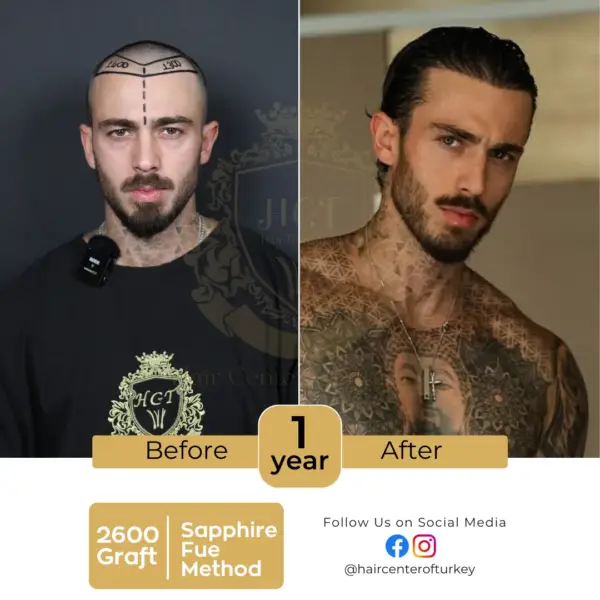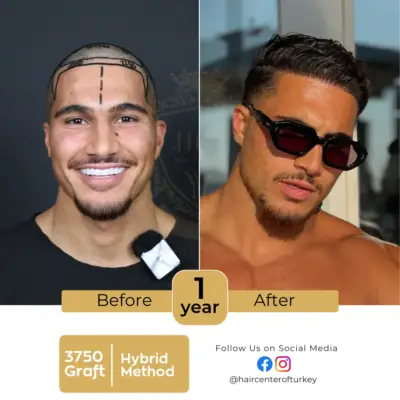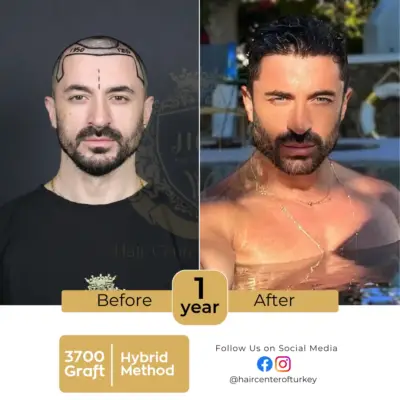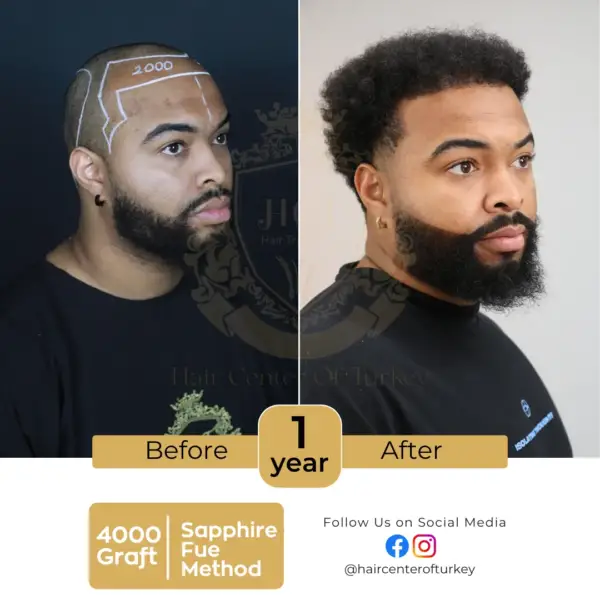


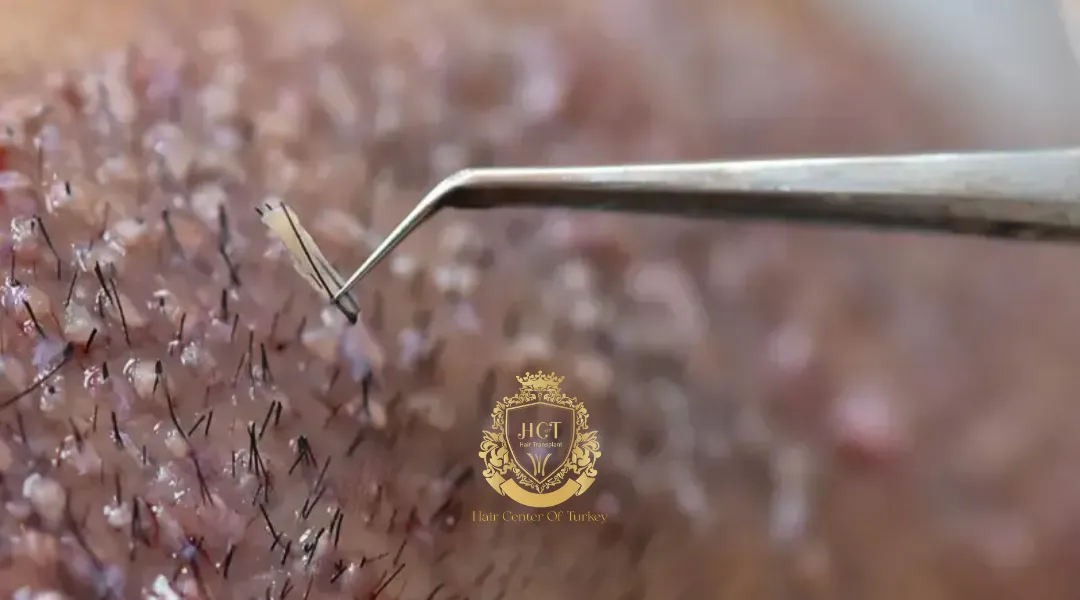
What Is A Graft?
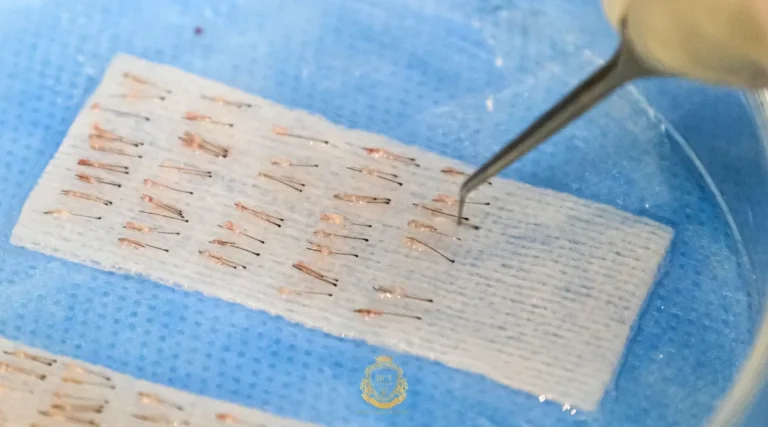
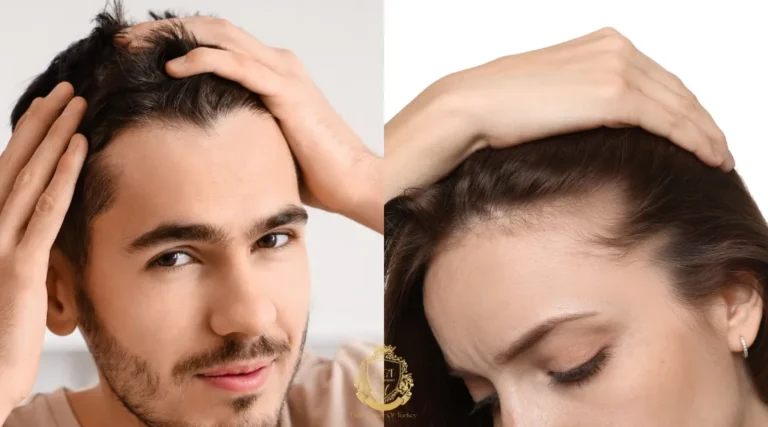
A graft is a small piece of tissue that contains one natural “follicular unit” (a group of hair follicles). In hair transplantation, surgeons move these grafts from a donor area (usually the back or sides of the scalp) to thinning or bald areas. One graft does not always equal one hair—most grafts contain 1–4 hairs.
Table of Contents
What Does “Graft” Mean In Medicine?
In medicine, a graft refers to tissue moved from one place to another. The tissue can come from your own body (autograft) or, in some procedures, from a donor source.
In hair restoration, the word is used in a very specific way: it describes the tiny tissue units that hold hair follicles and can be safely transplanted.
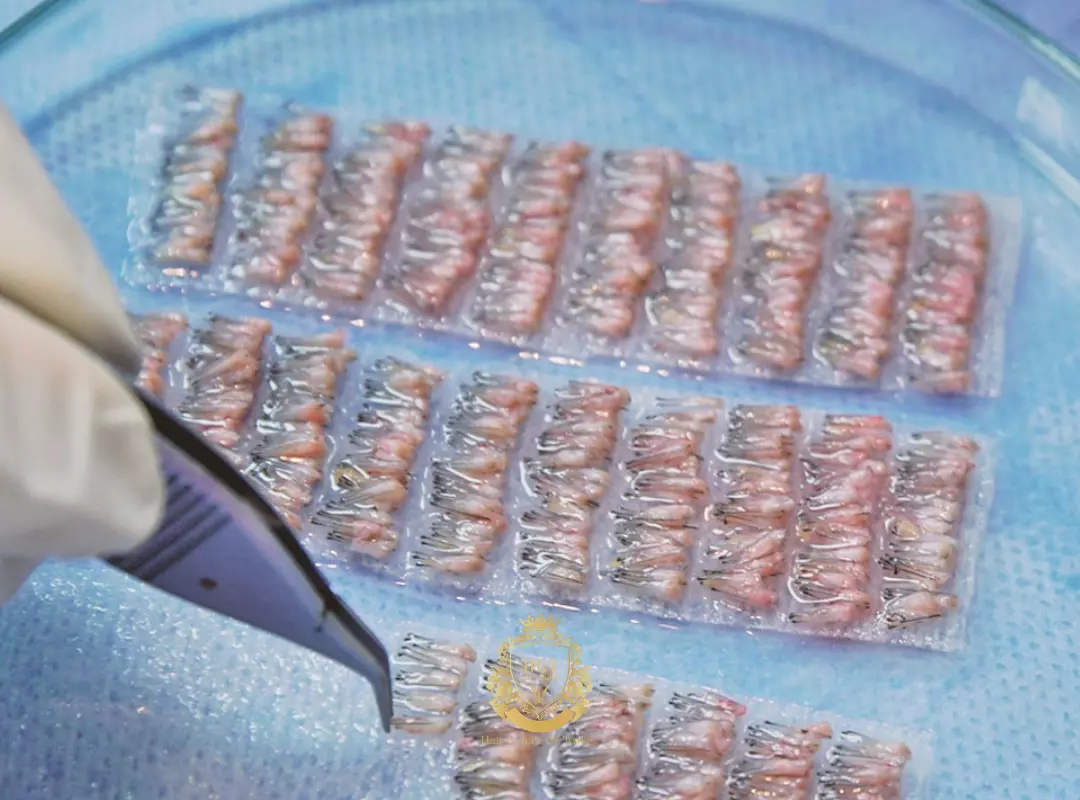
What Is A Graft In Hair Transplantation?
A hair transplant graft is the small tissue unit that contains hair follicles, surrounding skin, and supporting structures. In modern hair transplantation, grafts usually match naturally occurring follicular units rather than large “plug” grafts.
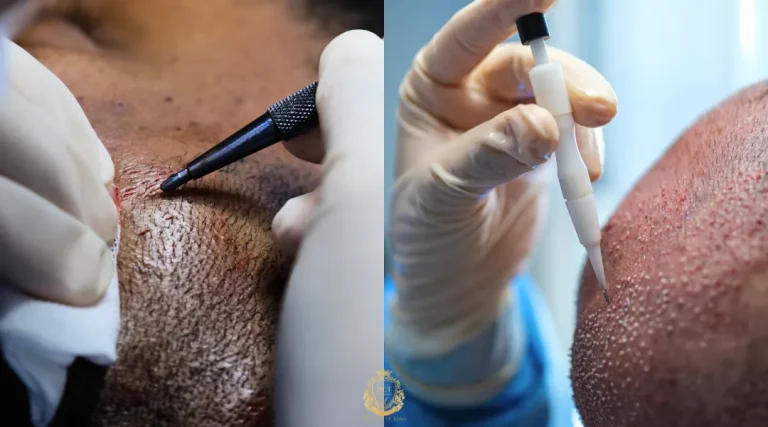
Depending on the technique, grafts are collected either:
- One by one (FUE / follicular unit excision), or
- From a thin strip that is then divided into grafts (FUT / strip method)
Both approaches aim to protect the follicles so they can grow in the recipient area.
How Many Hairs Are In One Graft?
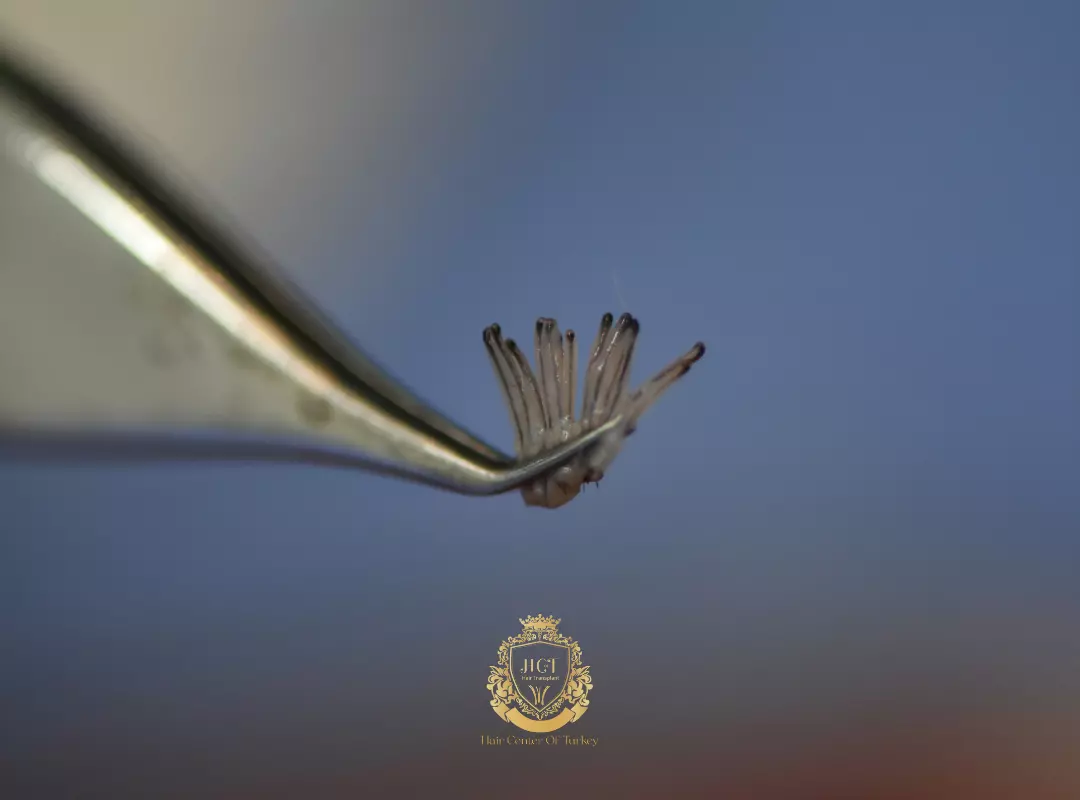
Most grafts contain 1 to 4 hairs, because follicular units naturally grow in small groupings.
That’s why the number of grafts and the number of hairs are not the same thing.
A Simple Way To Estimate Hair Count From Grafts
A quick estimate many clinics use is:
- Estimated hairs = grafts × average hairs per graft
If your average is ~2.2 hairs per graft and you receive 2,000 grafts, that’s roughly 4,400 hairs. Your personal average can be higher or lower depending on how your follicular units are distributed.
How Many Grafts Do You Need?
There isn’t one “right” graft number for everyone. The total is planned around:
- Size of the thinning area
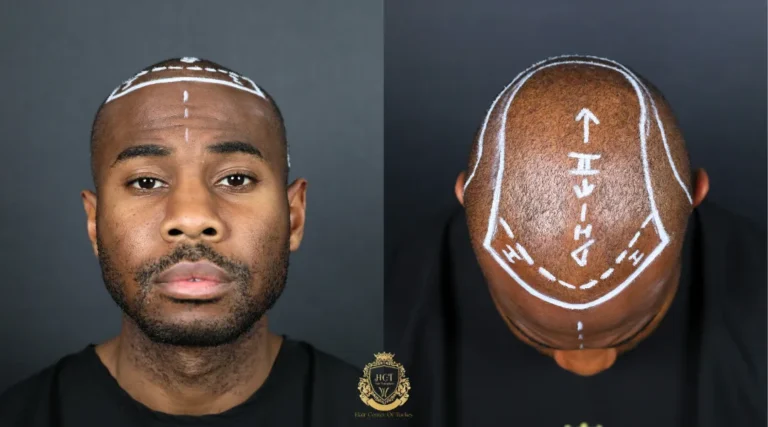
- Your goal density and hairline design
- Donor capacity (how many grafts can be harvested safely)
- Hair characteristics (thickness, curl, color/skin contrast)
- Current and future hair loss pattern
Clinics often reference scales such as the Norwood pattern (common in male-pattern hair loss) to help estimate the range, then tailor the plan to the individual.
Typical Graft Ranges By Area
These are broad ranges and can vary based on anatomy, hair caliber, and design goals:
- Temples / mild frontal recession: often planned in the low thousands
- Frontal hairline + mid-scalp: commonly several thousand
- Large areas including crown: may require higher totals, sometimes across more than one procedure
For eyebrows, the graft count is usually much lower than scalp procedures. The exact plan depends heavily on the desired shape and density.
Why Some Patients Need More Than One Session
A session can only be taken as far as safety and graft quality allow. If a procedure is pushed too long or too dense, graft handling and placement quality can suffer.
A staged plan can also help protect the donor area and keep results natural over time—especially when future hair loss is expected.
What Determines Graft Quality?
Graft survival depends on careful handling from start to finish, including:
- Gentle extraction and minimal trauma
- Proper hydration and storage in a holding solution
- Efficient placement that avoids crushing or dehydrating follicles
This is one reason clinic experience and consistent surgical workflow matter.
FAQ
How long does hair grafting last?
Lifelong; transplanted donor follicles keep growing, though surrounding native hair may thin.
How many hairs are in a graft?
1–4 hairs per graft, depending on follicular unit size.
What is the difference between a graft and a hair follicle?
A graft is a transplant piece containing follicles; a follicle is one hair-producing unit.
How is a graft prepared and implanted during a hair transplant?
Grafts are extracted, trimmed under magnification, kept hydrated, then inserted into tiny scalp incisions.
Why are grafts important in hair transplantation?
Grafts determine density, direction, and naturalness, enabling predictable coverage with limited donor hair.
Explore the complete guide: Hair Transplant Planning and Candidacy