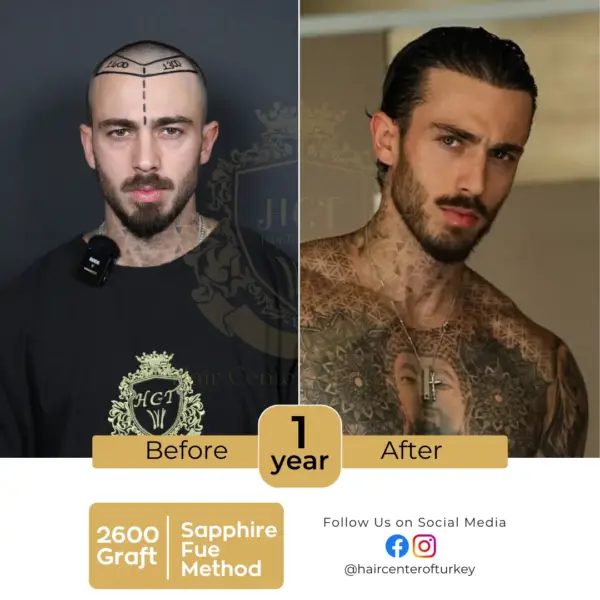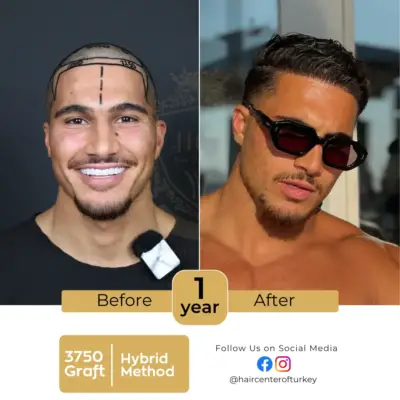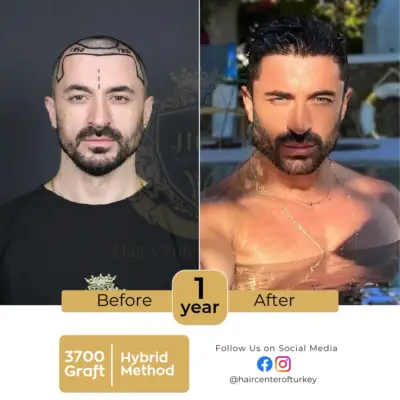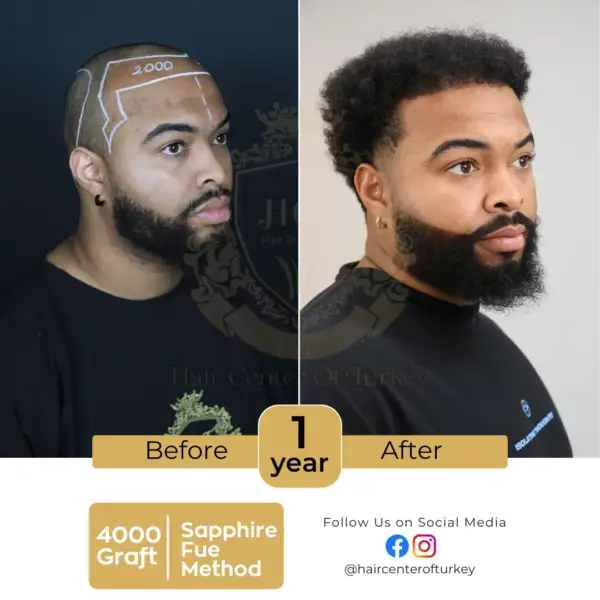


A suitable haircut, a softer parting, small amounts of lightweight product and gentle handling can make thinning hair look fuller before a hair transplant. These are temporary cosmetic changes: they do not create new follicles, treat every cause of hair loss or predict your transplant result.
Founded in 2014, Hair Center of Turkey helps international patients plan an individual consultation and preparation for treatment in Istanbul. Discuss your usual hairstyle, products and concerns with the clinical team before travelling. A useful plan should fit your hair texture, scalp condition and proposed procedure, rather than impose the same styling routine on everyone.
The eight suggestions below concern everyday styling before surgery. Your clinic’s instructions for the examination, operation and recovery take priority. New or rapidly changing hair loss needs assessment, even if a hairstyle can hide it.
1. Choose a Cut Suited to Your Density and Texture
A cut that balances areas of different density can make the overall shape look more even. A shorter crop may suit someone whose longer strands lie flat, while another person may prefer a bob or enough length to retain their natural curls. Neither short hair nor layers are automatically best for everyone.
Ask a stylist to work with your current density instead of copying a photograph of someone with much thicker hair. Explain which areas you want to soften and how much daily maintenance you can manage. Avoid aggressive thinning-out techniques if they remove the coverage you want to keep. Before a major haircut close to your appointment, ask the clinic whether it needs a particular length for assessment or planning.
2. Try a Gentle Change of Part
Moving a part slightly or arranging hair with your fingers may change how light reaches the scalp. A less sharply defined part can make a widening line less noticeable for some people. Try a small adjustment in ordinary lighting, without pulling hair tightly across an area of loss.
This is an appearance option, not a treatment for the underlying thinning. Changing your part does not restore follicle density. Choose a position that feels comfortable and works with the direction your hair naturally falls. If achieving the look requires repeated tugging, stiff fixation or heavy heat, a simpler style may be more practical. You can show the clinic photographs of your normal style alongside clear, unobscured scalp photographs.
3. Use Lightweight Styling Products Sparingly

A small amount of a lightweight mousse or other familiar styling product may help hold shape without making strands clump together. Heavy waxes and oils can flatten some hair types, although texture and product formulation make a difference. Start with less than you think you need and follow the label rather than layering several products.
Stop using a cosmetic that causes burning, itching or a rash and seek advice if symptoms persist. Do not apply a new product to irritated or broken skin. Products marketed for volume do not necessarily treat hair loss. Our guide to choosing a shampoo for thinning hair can help you review your washing routine as well. Keep the product name or packaging available for your consultation.
4. Limit Heat and Lift Roots Gently
Heat and rough handling can damage the hair shaft, making existing thinning look more noticeable through breakage. The American Academy of Dermatology’s styling guidance recommends limiting heat exposure and avoiding repeated strain from styling. A low setting is not a guarantee against damage if exposure is prolonged.
When you choose to blow-dry, use brief, gentle passes and keep the dryer moving and away from the scalp. Avoid pressing a hot nozzle against the skin or pulling hard with a round brush. A diffuser may suit some curly or wavy styles; allowing some air-drying may reduce the time spent using heat. Stop if the scalp feels hot or uncomfortable. These suggestions do not apply to fresh grafts, which need the clinic’s separate aftercare instructions.
5. Consider Temporary Hair Fibers Carefully
Cosmetic hair fibers cling to existing strands and can reduce the visual contrast between hair and scalp. Their materials and formulations vary. They work best where there is hair to attach to; they cannot replace missing follicles or reliably cover a completely bare area in the same way.
Read the product’s instructions and avoid inhaling the powder or getting it in your eyes. Do not use it on inflamed, wounded or irritated skin. Remove it according to the label and your clinical team’s advice, without aggressive scrubbing. Ask exactly when the clinic wants you to stop using concealers before examination and surgery; this article sets no universal interval. Never apply fibers to fresh grafts. Ask the surgeon when any concealer can be resumed after recovery rather than assuming your old routine is suitable immediately.
6. Detangle Without Pulling or Backcombing

Work through tangles in small sections, starting at the ends and moving upwards as knots loosen. Support the section to avoid transmitting a strong pull to the roots. A smooth, wide-tooth comb may be useful, but the appropriate tool and amount of moisture depend on your texture and condition.
Straight hair and tightly curled or coily hair do not always benefit from the same detangling routine. The AAD’s healthy hair tips explain these differences. Avoid forceful brushing, repeated teasing and backcombing to manufacture volume. If a knot will not loosen comfortably, pause instead of pulling harder. Our scalp care checklist before a hair transplant covers other daily habits to discuss, especially when soreness or flaking accompanies thinning.
7. Avoid Tight Styles and Heavy Extensions
Persistent pulling from tight hairstyles can cause traction alopecia. The AAD explains how hairstyles that pull can lead to hair loss, including the possibility of permanent loss with continued tension. Pain is a reason to loosen a style, not a sign that it is holding properly.
Choose comfortable arrangements that do not pull at the hairline. Heavy extensions or tight attachments deserve particular discussion if your hair is already fragile. A stylist can help explore lower-tension alternatives, and a clinician can assess suspected traction damage. Do not conceal ongoing tenderness, bumps or broken hairs under a tighter style. If you use a hairpiece, discuss its fit and attachment method as well as when it should be removed for assessment.
8. Plan a Clean, Product-Free Consultation and Surgery Day
Ask the clinic how to wash and prepare your hair for photographs, examination and the operation. It may request hair without fibers, gels or other concealers so the team can assess the scalp and existing coverage clearly. Follow the specific instructions you receive; repeated washing, harsh scrubbing or a new disinfectant is not a substitute.
Pack a short list of your usual products when travelling. If you have been told to use a prescribed scalp treatment, clarify how it fits the preparation plan rather than stopping it yourself. Do not shave your head in advance unless instructed. Our broader guide to preparing for a hair transplant provides questions for the clinic. Cosmetic preparation alone cannot establish suitability or guarantee a successful result.
What Your Clinic Will Check
The consultation should consider the pattern and cause of hair loss, donor hair, scalp condition, medical history and expectations. Report sudden or patchy loss, pain, crusting, sores or signs of infection rather than assuming these are ordinary thinning. An examination may lead to further assessment, treatment of a scalp condition or a discussion about postponing surgery.
Bring your medicine and product list, including occasional treatments. Coordinate any change to prescription medicines with your treating clinicians. Ask for written guidance on washing, hair length, product use and postoperative care. There is no universal shaving requirement or stopping timetable that applies to every patient and technique.
Short Summary
Aim for a comfortable style that makes use of your existing coverage: a suitable cut, gentle parting, modest product use and minimal tension. Treat fibers and styling products as cosmetics. Seek assessment for new symptoms and follow an individual preparation plan. Everyday styling before surgery and care of healing grafts are different stages.
Frequently Asked Questions
Can Styling My Hair Differently Regrow It?
No. A different arrangement or cut can change the appearance of coverage, but it does not create follicles. Some styling habits can also damage hair. The cause of ongoing loss needs assessment, and treatment options should be discussed separately from cosmetic camouflage.
What Is the Best Haircut for Thinning Hair?
There is no single best cut. Hair texture, distribution of thinning, preferred length and maintenance all matter. Ask a stylist to work with your existing density and check with the clinic before a major change close to your assessment or operation.
Can I Use Hair Fibers Before a Transplant?
They may be an option for temporary concealment on an intact, comfortable scalp when used according to the label. Ask the clinic when to remove them before examination and surgery. Avoid inhalation and do not apply fibers to fresh grafts; obtain separate advice about restarting.
Will Blow-Drying Make My Hair Loss Worse?
Excessive heat and pulling can cause breakage, which may worsen the appearance of thinning. Reducing heat and handling can limit damage but does not treat every cause of hair loss. Report scalp discomfort and follow the clinic’s drying instructions around surgery.
Do I Have to Shave My Head for a Hair Transplant?
Not always. The planned technique, treatment area and clinical assessment determine whether full or partial shaving is appropriate. Discuss available options with your surgeon and do not shave in advance without instructions. A cosmetic preference alone does not establish suitability for an unshaven procedure.
Sources
The linked American Academy of Dermatology resources cover styling damage, hair-care methods and traction alopecia. Its guide to managing hair loss offers further general advice. These references support general education and do not replace an individual examination or the instructions of your treating team.