





NeoGraft vs FUE: Which Is Better?
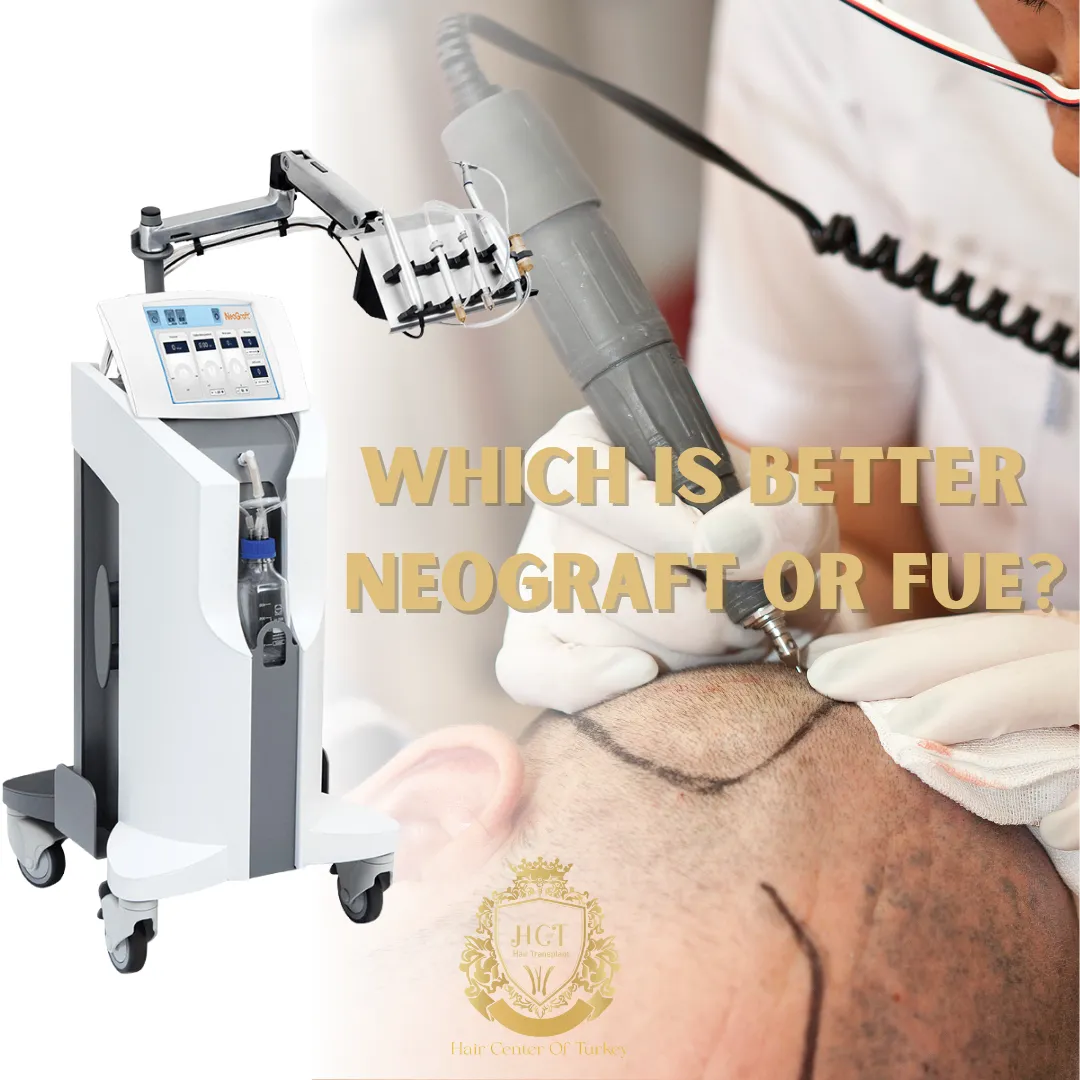
NeoGraft and manual FUE are both follicular unit extraction techniques that can deliver natural-looking results when performed by an experienced medical team. NeoGraft uses a motorized, pneumatic device to assist extraction and implantation, while manual FUE relies more on the surgeon’s hands and technique. Your hair type, donor capacity, and clinic expertise usually matter more than the device.
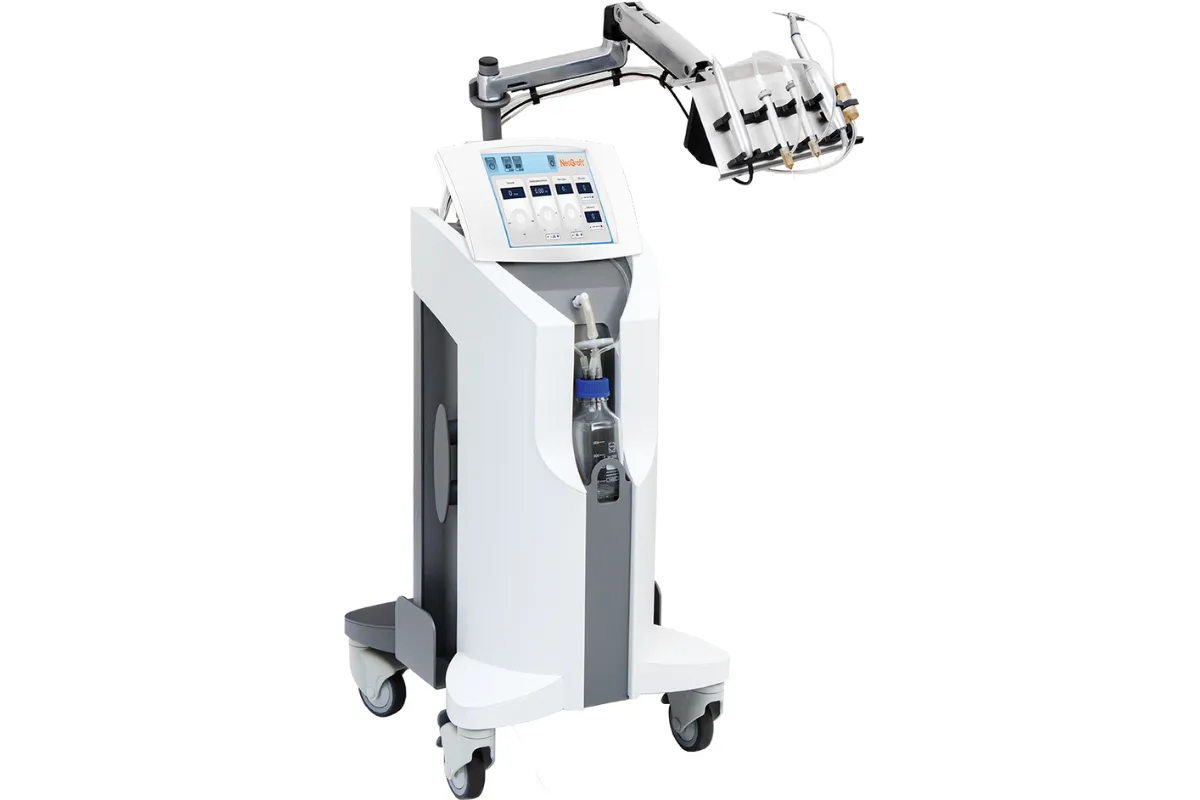
Table of Contents
What NeoGraft Is and How It Works
NeoGraft is an assisted FUE system that uses a motorized, pneumatic mechanism to help extract follicular units from the donor area (typically the back and sides of the scalp). The goal is to streamline harvesting and reduce operator fatigue during long sessions.
Some clinics also use the system to support graft implantation, aiming for consistent depth and handling. Results still depend heavily on how the medical team plans the hairline, manages graft hydration, and controls angle and direction.
What Manual FUE Is and How It Works
Manual FUE involves removing follicles one by one with small punches, typically using manual or motorized handpieces guided directly by the surgeon. It’s a technique that’s been widely used for years and can be adapted to different scalp and hair characteristics.
Because the surgeon controls the extraction approach in real time, manual FUE can be a strong option for patients with complex donor patterns, specific curl characteristics, or areas that require careful management.
NeoGraft vs FUE: Key Differences That Matter
1) Surgeon Control vs Device Assistance
Manual FUE places more of the extraction “feel” in the surgeon’s hands, which can be helpful in tricky donor areas. NeoGraft can make the process more standardized and efficient, but it doesn’t replace clinical judgment or planning.
2) Procedure Time and Comfort
NeoGraft may shorten parts of the procedure because the device can speed up harvesting. Comfort levels are usually similar for both methods with proper local anesthesia and good aftercare guidance.
A patient’s experience often comes down to the clinic’s workflow, how breaks are managed, and how gently grafts are handled—not only the method.
3) Availability
Manual FUE is widely offered. NeoGraft requires specific equipment and staff training, so it tends to be available in fewer clinics.
Cost Differences Between NeoGraft and FUE
NeoGraft can cost more in some markets due to equipment and operating overhead. Manual FUE pricing varies widely, often based on the surgeon’s experience, clinic standards, and the number of grafts.
Rather than focusing on a single number, compare what’s included: medical oversight, graft counting transparency, anesthesia plan, aftercare, and follow-up access.
Do Results Look Different?
When performed well, both approaches can produce natural-looking, lasting results. Graft survival depends on careful extraction, minimal time out of the body, proper storage, and precise placement.
If you’re choosing between two clinics, prioritize consistent outcomes, clear planning, and who will actually perform each stage (extraction, site creation, implantation). The technique is only one part of the final result.
Recovery: What Most Patients Can Expect
Both NeoGraft-assisted FUE and manual FUE usually involve small donor-area dots that heal over time. Most people experience temporary redness and scabbing in the recipient area, with short-term sensitivity in the donor zone.
Timelines vary by person, graft count, and aftercare compliance. A clinic should give you a day-by-day recovery plan and practical guidance for washing, sleeping positions, and activity restrictions.
Who Might Be a Better Fit for Each Option?
NeoGraft may suit you if:
- You want a more device-assisted workflow that can help with efficiency during larger sessions.
- Your case is straightforward and you’re prioritizing streamlined harvesting.
Manual FUE may suit you if:
- Your donor area needs careful customization (mixed hair caliber, variable density, or scarring concerns).
- You want maximum flexibility in extraction strategy based on real-time assessment.
A proper consultation should include donor evaluation, realistic graft estimates, and a clear discussion of limitations. If a clinic skips these steps, consider it a red flag.
Questions to Ask in Your Consultation
- Who performs extraction and implantation—doctor, technicians, or a mixed team?
- How do you estimate graft numbers, and will you document the count?
- What’s your plan for hairline design based on my facial proportions and future loss?
- How do you store and protect grafts during the procedure?
- What aftercare support do I get in the first 14 days?
FAQ
Is hair transplant better in the UK or abroad?
Neither; outcomes depend on surgeon skill, regulation, aftercare access, and your travel constraints.
Are hair transplants better in Turkey or just cheaper?
Mostly cheaper; quality varies greatly, so results range from excellent to poor.
Is Turkey better than the UK for hair transplant?
Not necessarily; Turkey can be excellent, but UK offers easier regulation and follow-up.
What are the cons of hair transplant in Turkey?
Variable oversight, technician-led procedures, rushed consultations, limited recourse, and harder long-term follow-up.
Which city in Turkey is best for hair transplant?
Istanbul; it has the highest concentration of clinics and hair-transplant specialists.