






Which Doctor To Consult For Hair Loss
Most people should start with a dermatologist for hair loss. A dermatologist can diagnose the cause, order tests when needed, and begin medical treatment. If your loss is stable and you’re considering a surgical solution, a qualified hair transplant specialist is the next step. Your primary care doctor can also coordinate referrals.
Table of Contents
Start With A Dermatologist
Hair loss is usually a scalp and hair-follicle issue, which is why dermatologists are often the first stop. They can tell the difference between common patterns like androgenetic alopecia (pattern hair loss), temporary shedding, and inflammatory conditions.
A dermatologist will look for triggers such as recent illness, weight loss, new medications, tight hairstyles, or changes in hormones. They can also check for scalp problems like dandruff, psoriasis, or infections that may worsen shedding.
Look for a board-certified dermatologist with experience in hair disorders when possible. Some clinics use the term “trichologist,” but the training and credentials vary widely, so it’s worth confirming medical qualifications.

When A Hair Transplant Specialist Makes Sense
Hair transplantation can work well for permanent hair loss, but it’s not usually the first step. You’ll get better long-term results when the underlying cause is understood and the hair loss pattern is stable.
Hair transplant specialists focus on surgical restoration, including graft harvesting and implantation techniques. In many countries, hair restoration is performed by dermatologists or plastic surgeons with specific training in hair transplantation.
A good surgical consultation should include a candidacy assessment, realistic density expectations, discussion of scarring and recovery, and a plan to protect existing hair. Be cautious of clinics that skip medical evaluation or promise “guaranteed” results.
Other Clinicians Who May Help
Depending on your symptoms, other clinicians may be involved. Your primary care doctor can screen for common contributors such as thyroid disease, iron deficiency, or medication side effects and can coordinate referrals.
If hormonal issues are suspected, an endocrinologist or gynecologist may evaluate conditions such as PCOS, postpartum changes, or menopause-related shedding. If you have systemic symptoms (fatigue, joint pain, rashes), your doctor may also consider autoimmune causes and refer you appropriately.
A registered dietitian can help when nutrition is a concern, especially after restrictive dieting or gastrointestinal issues. Mental health support can also help if stress, anxiety, or compulsive hair pulling is part of the picture.

What To Expect At A Hair Loss Appointment
Your clinician will start with a detailed history and a scalp examination. They may ask about family history, pregnancy, recent illness, new supplements or medications, and how quickly the shedding started.
Common in-office checks include a hair pull test and dermoscopy (a close-up look at the scalp and follicles). Photos or measurements may be taken to track progress over time.
Blood tests may be recommended to look for treatable contributors such as thyroid problems, anemia, or vitamin and mineral deficiencies. In some cases, a small scalp biopsy helps confirm scarring alopecia or inflammatory conditions.
Hair Loss Treatments Your Doctor May Recommend
Treatment depends on the diagnosis, so two people with “hair loss” may need completely different plans. Your clinician may recommend topical therapies, prescription medications, procedures, or a combination.
For pattern hair loss, topical minoxidil is commonly used, and some patients may be candidates for oral medications such as finasteride (typically for men) or anti-androgen therapy (often for women). Your doctor will weigh benefits, side effects, and pregnancy-related considerations.
For inflammatory or autoimmune hair loss, treatment may include anti-inflammatory medicines such as corticosteroids or other immune-modulating options. If infection or scalp disease is present, treating the scalp can reduce breakage and shedding.
PRP (platelet-rich plasma) and low-level laser devices are offered by many clinics, but results can vary and costs add up. Ask what evidence supports the recommendation for your diagnosis, what the full course involves, and what maintenance looks like.
Hair transplantation is generally considered when loss is permanent and stable, and there is enough donor hair. Even after surgery, ongoing medical treatment is often recommended to protect the surrounding hair.

How To Choose The Right Doctor Or Clinic
Start with credentials and transparency. Confirm board certification where applicable, ask who performs each step of the procedure, and request a clear explanation of risks, downtime, and realistic outcomes.
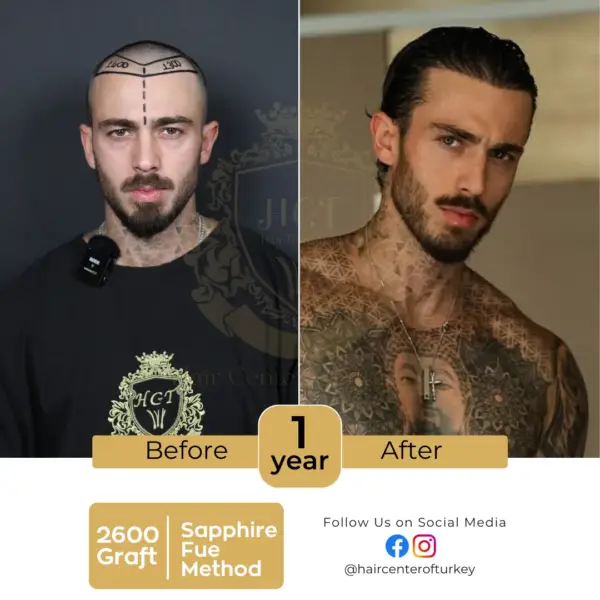
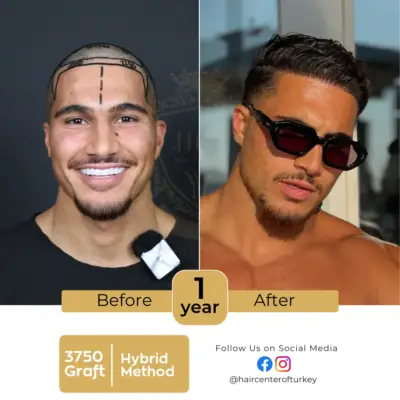
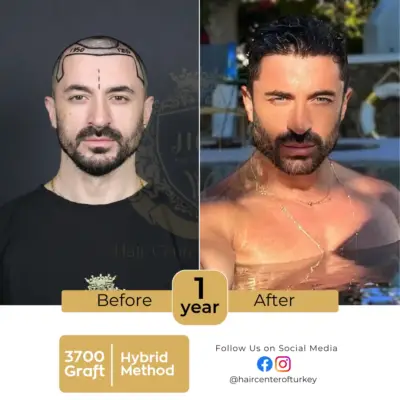
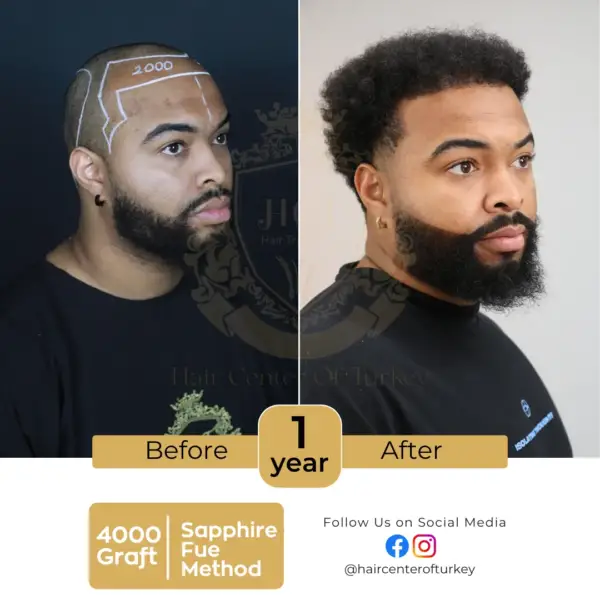
Look for consistent, well-documented before-and-after results on patients with hair characteristics similar to yours. Reviews can be useful, but they’re most reliable when they describe the full process, not just the first consultation.
Communication matters. You should leave the appointment with a working diagnosis, a plan you understand, and a timeline for follow-up—plus guidance on what changes should prompt you to return sooner.
At-Home Habits That Support Hair Health
Gentle hair care helps protect fragile hair. Avoid tight styles that pull at the hairline, limit harsh heat and chemical processing, and treat dandruff or itching early rather than scratching.
Aim for a balanced diet with adequate protein, iron-rich foods, and a variety of fruits and vegetables. If you suspect a deficiency, it’s safer to test first rather than taking high-dose supplements blindly.
Stress, sleep, and smoking can influence shedding in some people. Small, steady improvements in routine often support medical treatment, even if they aren’t a stand-alone “cure.”
Frequently Asked Questions
What type of doctor should I see for hair loss?
See a dermatologist, ideally a hair-loss specialist, for diagnosis and treatment options.
Which doctor should I consult for hair loss?
Consult a dermatologist first; they can order labs and refer if needed.
Will insurance cover a dermatologist for hair loss?
Coverage varies by plan; check if hair-loss evaluation is covered and referrals required.
Is it worth going to a dermatologist for hair loss?
Yes, dermatologists diagnose causes and offer prescription treatments and testing when needed.
What do dermatologists give you for hair loss?
They may recommend minoxidil, prescribe finasteride or antiandrogens, and treat scalp disease.