





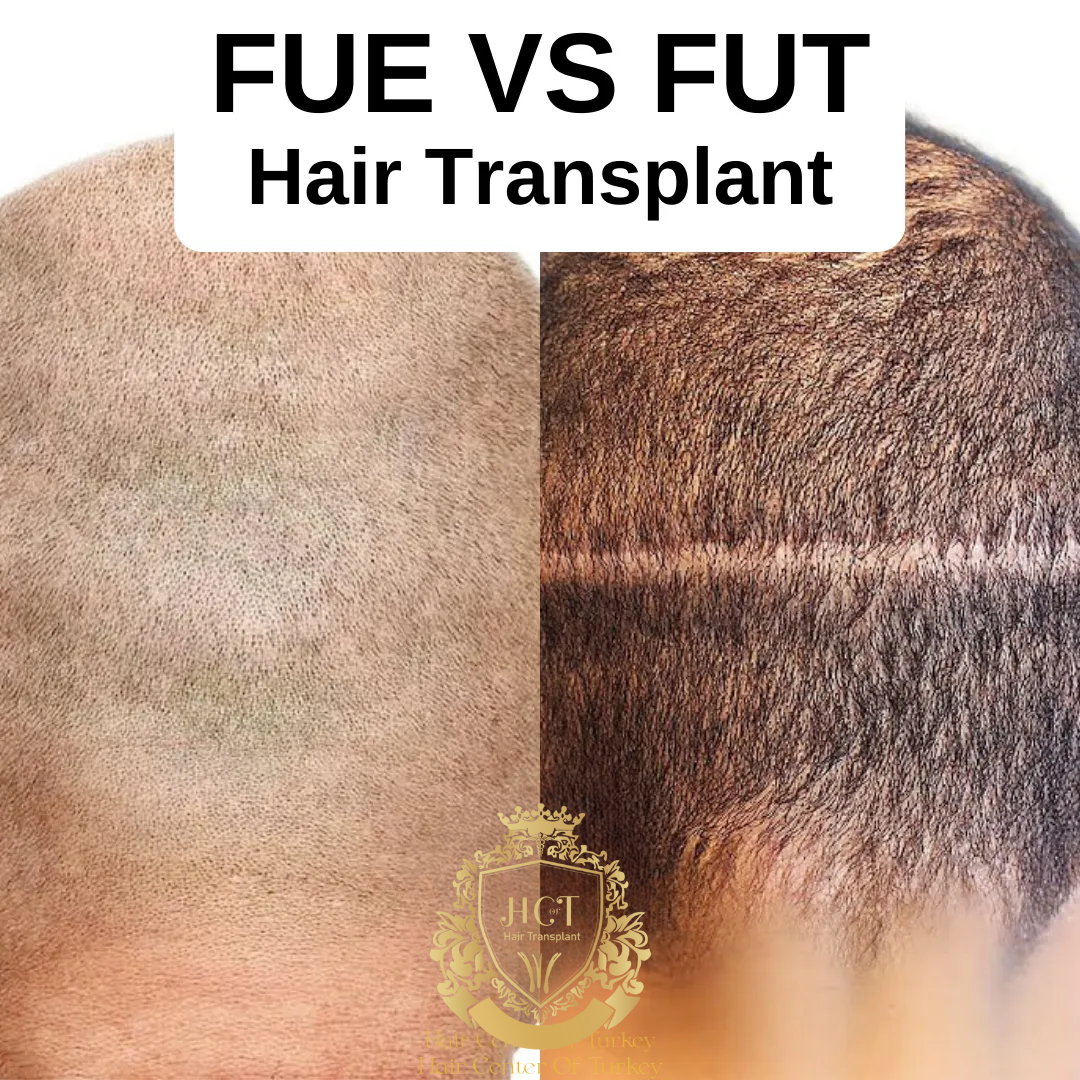
What Is The Difference Between FUE vs FUT Hair Transplant Methods?
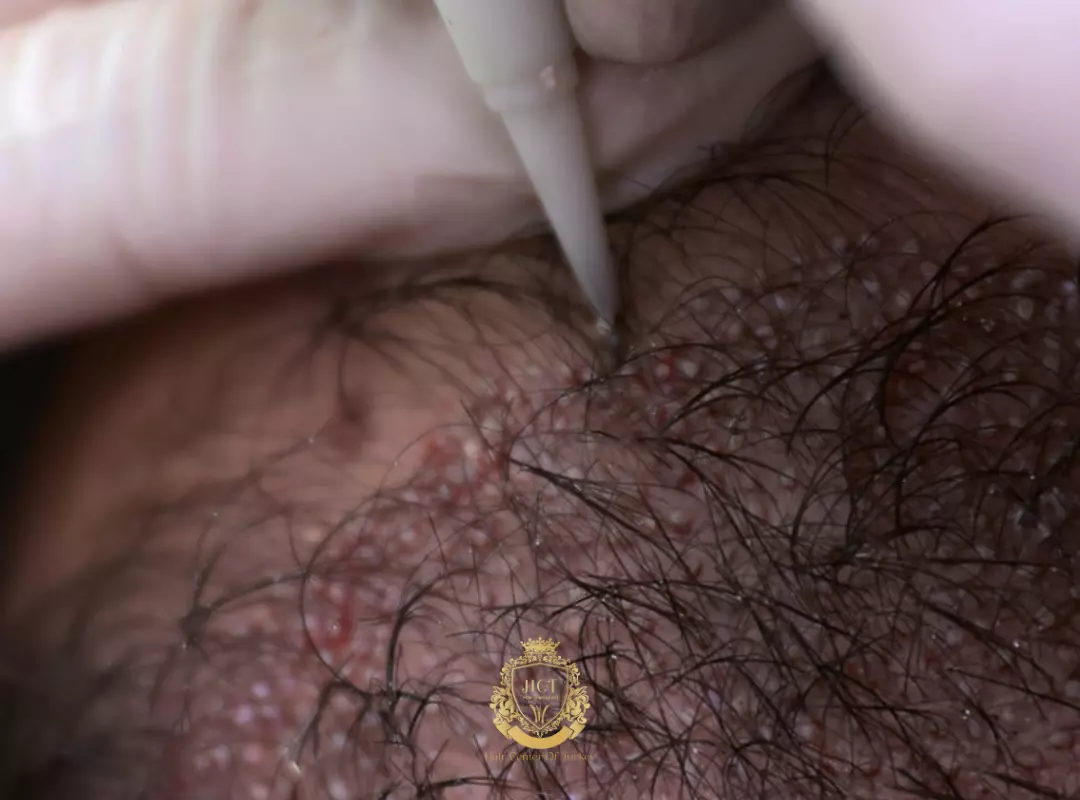
FUE removes individual follicular units with a tiny punch, leaving many small dot scars and usually a faster, more comfortable recovery. FUT removes a thin strip of scalp and closes it with stitches, leaving a single linear scar but often enabling high graft numbers in one session. The best choice depends on your goals, hair characteristics, and donor area.
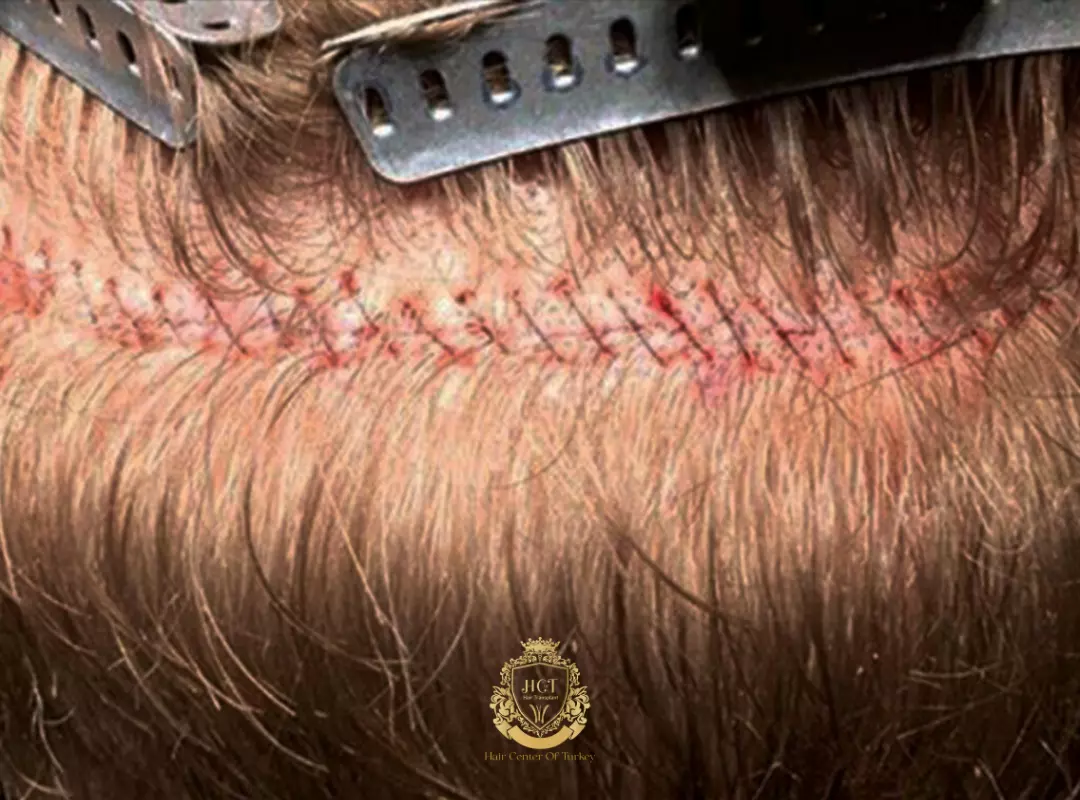
Table of Contents
FUE vs FUT at a glance
Both techniques move permanent hair follicles from the donor area (usually the back and sides of the scalp) to thinning or bald areas. The main difference is how grafts are harvested.
FUE (Follicular Unit Extraction) collects grafts one by one. FUT (Follicular Unit Transplantation), also called strip surgery, removes a narrow strip of skin and then separates it into grafts under a microscope.
What is FUE?
In FUE, the surgeon trims or parts the donor hair, then uses a small punch tool to extract follicular units individually. The grafts are prepared and placed into tiny recipient sites in the target area.
Because there is no strip removal, FUE does not require stitches. It typically leaves small, scattered dot scars that are hard to notice once healed, even with shorter hairstyles.
What is FUT (strip method)?
In FUT, the surgeon removes a thin strip of scalp from the donor area and closes the wound with sutures. Technicians dissect the strip into individual follicular units, which are then transplanted into the recipient area.
FUT creates a single linear scar across the back of the scalp. With good closure technique and hair length to cover it, the scar can be discreet, but it is more visible with very short haircuts.
Key differences between FUE and FUT
Scarring: FUE leaves many tiny dot scars; FUT leaves one linear scar.
Recovery and comfort: FUE often feels easier during early healing because there are no stitches. FUT can feel tighter in the donor area for a week or two, and stitch removal is required if non-dissolving sutures are used.
Donor area strategy: FUT can preserve more surrounding follicles because grafts are dissected from a strip, while FUE spreads extraction over a wider area. Either method can be overharvested if planning is poor, so surgeon experience matters.
Graft numbers: FUT may be efficient for obtaining a large number of grafts in a single sitting, especially in patients with good scalp laxity. FUE can also achieve high graft counts, but it may take longer and depends on donor density and punch technique.
Hair length and shaving: Many clinics shave the donor area for FUE, though partial-shave or unshaven FUE may be possible. FUT usually allows longer donor hair to remain around the incision line.
Time and staffing: FUE sessions can be longer because extraction is individual. FUT involves faster harvesting but requires meticulous strip dissection.
Pros and cons
FUE advantages: no linear scar, no stitches, flexible donor harvesting (scalp, and in select cases beard), and often easier early recovery.
FUE trade-offs: longer procedure time, potential for a “moth-eaten” donor look if overharvested, and a learning curve that makes surgeon skill crucial.
FUT advantages: efficient graft harvesting, strong graft integrity when dissected well, and useful for patients who need many grafts and wear their hair longer.
FUT trade-offs: linear scar, stitches, and a tighter donor-area feel during healing.
Who is a good candidate for each method?
FUE may suit people who prefer shorter hairstyles, want to avoid a linear scar, or have limited scalp laxity. It can also be helpful when combining scalp and beard grafts for added coverage in selected patients.
FUT may suit people who need a high graft count, have good scalp laxity, and plan to keep the donor hair longer. It can also be considered when previous FUE has already reduced donor density.
Recovery timeline and aftercare basics
Most patients return to desk work within a few days, depending on swelling and comfort. Redness and scabbing in the recipient area commonly settle over 7–14 days.
With FUT, follow your clinic’s instructions on sleeping position, wound care, and when to remove stitches (if applicable). With FUE, protect the donor area from friction and sun while the tiny extraction sites seal.
New growth usually begins around 3–4 months, improves steadily, and is often most visible between 9–12 months. Some patients continue to see refinement up to 15–18 months.
Risks and realistic expectations
Both methods can produce natural results when planned well, but neither is “scar-free.” The goal is scarring that is minimal and easy to conceal.
Possible risks include temporary shock loss, folliculitis, numbness, poor growth, and visible scarring. Choosing a qualified surgical team and following aftercare instructions reduces avoidable complications.
FAQ (Frequently Asked Questions)
Is FUT or FUE better?
Neither is universally better; choice depends on donor, scarring preference, and goals.
What is the most effective hair transplant method?
FUE and FUT are equally effective when done well; outcomes depend on surgeon skill.
What are the downsides of FUE?
FUE can overharvest donor, takes longer, and may yield fewer grafts per session.
Does FUT get more grafts?
Yes, FUT often harvests more grafts in one session than FUE.
Is FUE more expensive than FUT?
Yes, FUE is usually more expensive due to labor and time.