





What Is Good for Split Ends?
Split ends happen when the hair’s protective cuticle wears down and the strand frays at the tip. No product can permanently “seal” a split end—only trimming removes the damage. You can, though, make ends look smoother with conditioner, leave-ins, oils, and heat protection, then prevent new splits with gentler washing, detangling, and lower-heat styling.
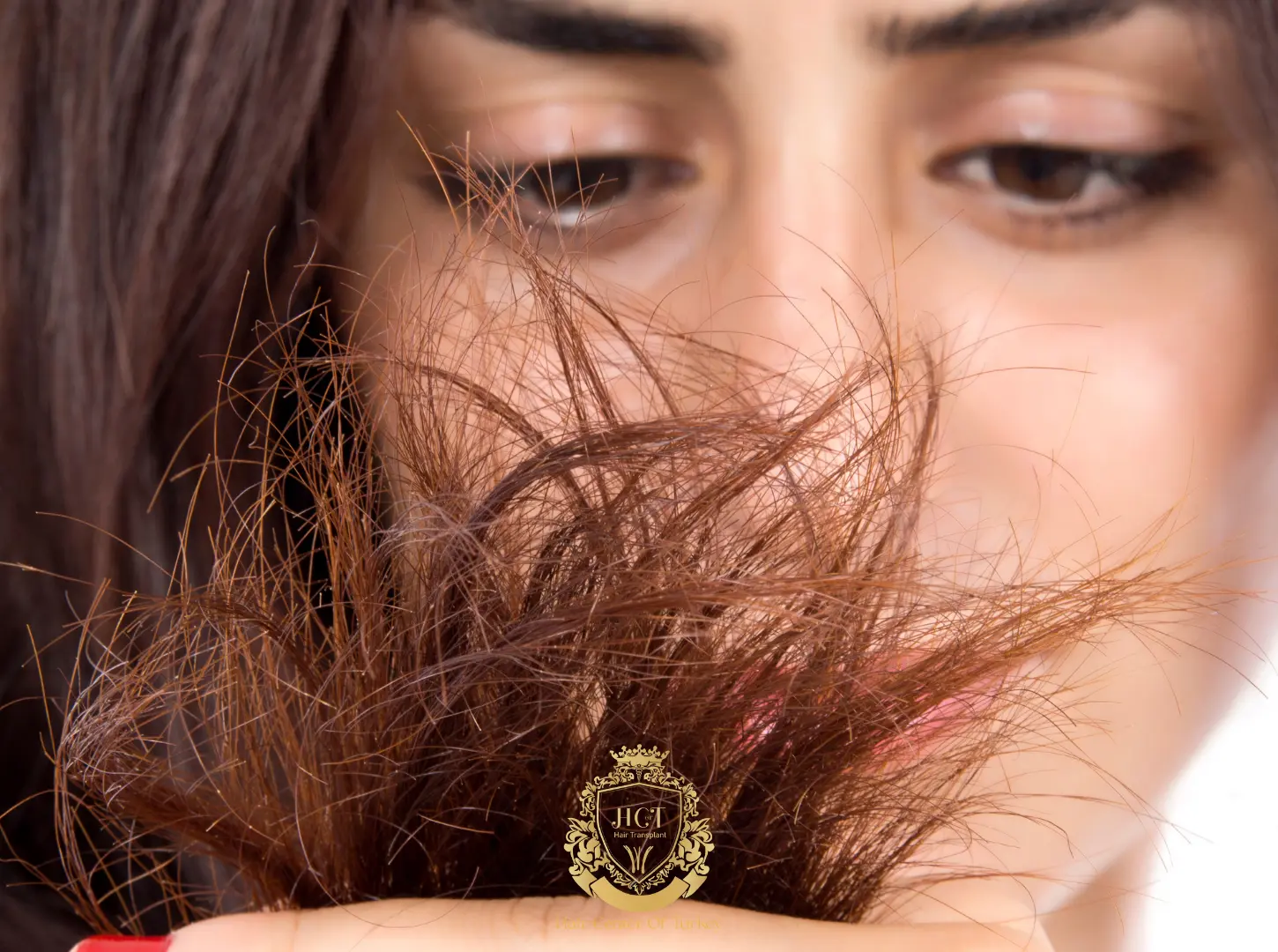
Table of Contents
What Are Split Ends?
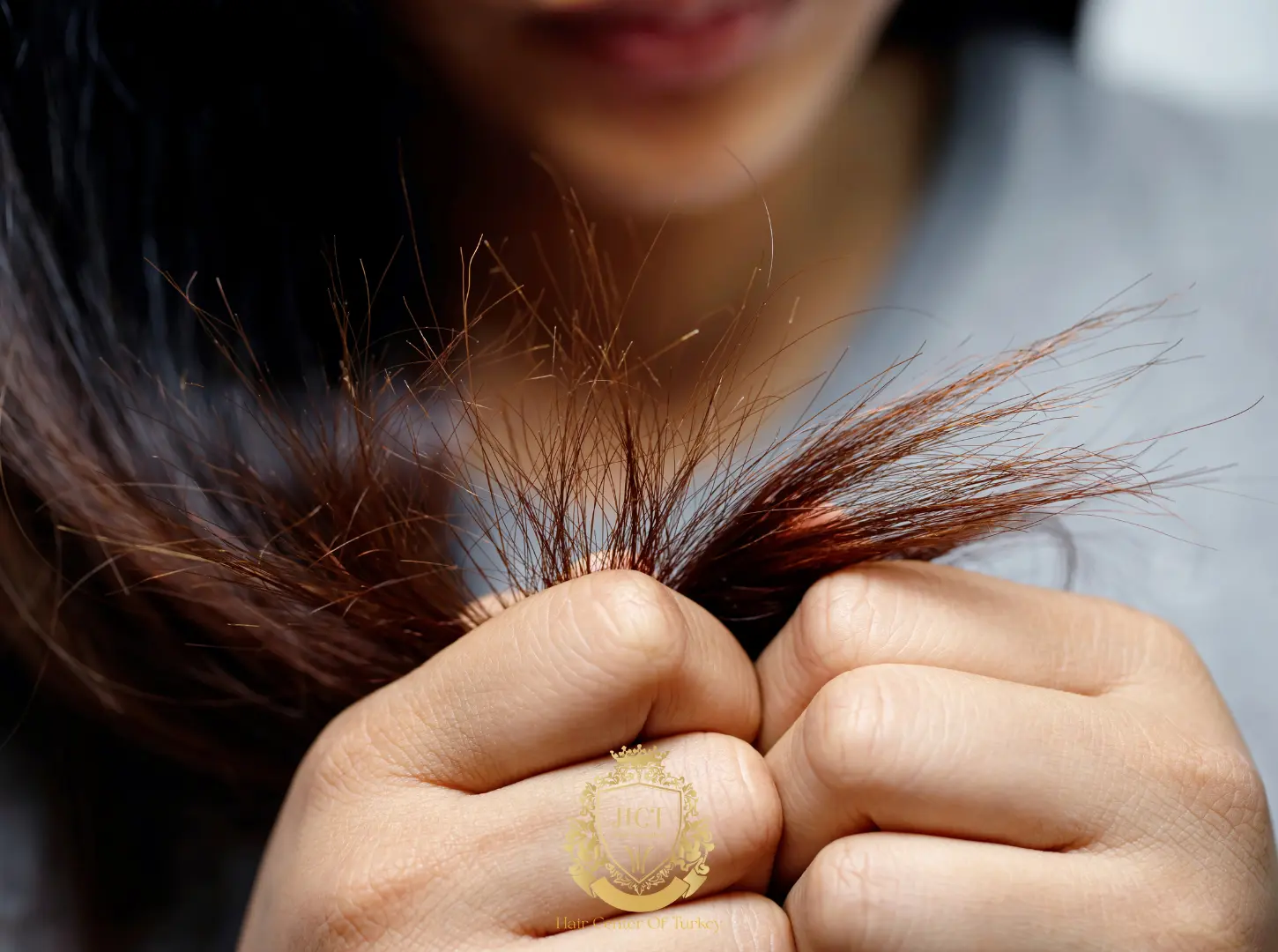
Split ends (also called trichoptilosis) show up when the very end of a hair strand splits into two or more pieces. The cuticle—your hair’s outer “shield”—gets chipped away from friction, heat, and chemical stress. Once the inner cortex is exposed, the tip weakens and starts to fray.
You may notice rough, dry ends; a halo of flyaways; tangles that seem to reappear right after brushing; or little white dots at the tips where breakage has started.
Daily Habits That Rough Up The Cuticle
- Aggressive towel-drying or rubbing wet hair.
- Brushing or combing from the roots down without detangling the ends first.
- Tight hairstyles that pull at the same areas every day (high ponytails, tight buns).
- Sleeping on rough pillowcases or going to bed with wet hair.
Heat And Chemical Stress
- Frequent blow-drying, straightening, or curling—especially at high temperatures.
- Heat styling without a heat protectant.
- Bleach, frequent coloring, perms, relaxers, and keratin treatments done too often or layered over existing damage.
Environmental Factors
- Sun exposure and dry, windy weather that dehydrates the hair shaft.
- Chlorine and salt water that strip moisture and increase roughness.
- Hard water buildup that leaves hair feeling coated and less flexible.
Nutrition And Scalp Health
Hair is mostly protein, so chronic under-eating or low protein intake can affect strength over time. Iron, zinc, vitamin D, and certain B vitamins are also linked to normal hair growth and integrity. If you’re seeing sudden shedding, patchy loss, or fatigue alongside hair changes, it’s worth discussing labs with a clinician.
What Is Good For Split Ends?
The honest answer has two parts: you can improve how split ends look, and you can reduce how quickly new ones form. If the strand is already split, the goal is to smooth, protect, and prevent further tearing until your next trim.
Conditioner First, Every Wash
A rinse-out conditioner makes hair more slippery, which cuts down on tangling and snapping during detangling. Focus conditioner from mid-lengths to ends, not the scalp. If your hair feels coated or limp, use a clarifying shampoo occasionally to remove buildup, then condition well.
Leave-In Conditioner For Slip And Protection
Leave-ins are useful for ends because they add reminders of moisture and reduce friction. Look for ingredients that improve feel and flexibility, such as fatty alcohols (cetyl/stearyl), glycerin, panthenol, and lightweight silicones. Apply to damp hair, then detangle gently.
Oils And Serums For A Smoother Finish
Oils won’t repair a split, but they can make ends look shinier and help reduce moisture loss. A few drops is usually enough—too much can attract dirt or make hair feel greasy.
- Argan oil: good for softening and shine.
- Jojoba oil: similar to natural scalp oils and often lightweight.
- Coconut oil: can reduce protein loss for some hair types, but may feel heavy or stiff on others.
If your ends are very rough, a silicone-based serum can be more effective than pure oil for instant smoothing, especially before humidity or wind exposure.
Protein Treatments (Use With A Light Hand)
If your hair is stretchy when wet or feels mushy, a mild protein treatment can help it feel stronger. If hair feels stiff or straw-like, protein may make it worse. Start with infrequent use (every few weeks) and balance with moisturizing masks.
Heat Protection That Actually Works
If you heat style, a heat protectant is non-negotiable. Choose a product labeled for your styling method (blow-dry, straightener, curling iron) and apply evenly. Keep tools moving, avoid repeated passes on the same section, and use the lowest temperature that gets the job done.
How To Remove Split Ends
There are only two reliable ways to get rid of split ends: trim them off or let them break off on their own. Cutting is the healthier option because breakage often travels upward and leaves the ends thinner and uneven.
The Best Fix: A Trim
A small trim every 8–12 weeks works well for many people, but your ideal schedule depends on texture, styling habits, and goals. If you’re growing your hair, ask for a “dusting” or micro-trim to remove frayed tips without losing noticeable length.
At-Home Search-And-Destroy (Optional)
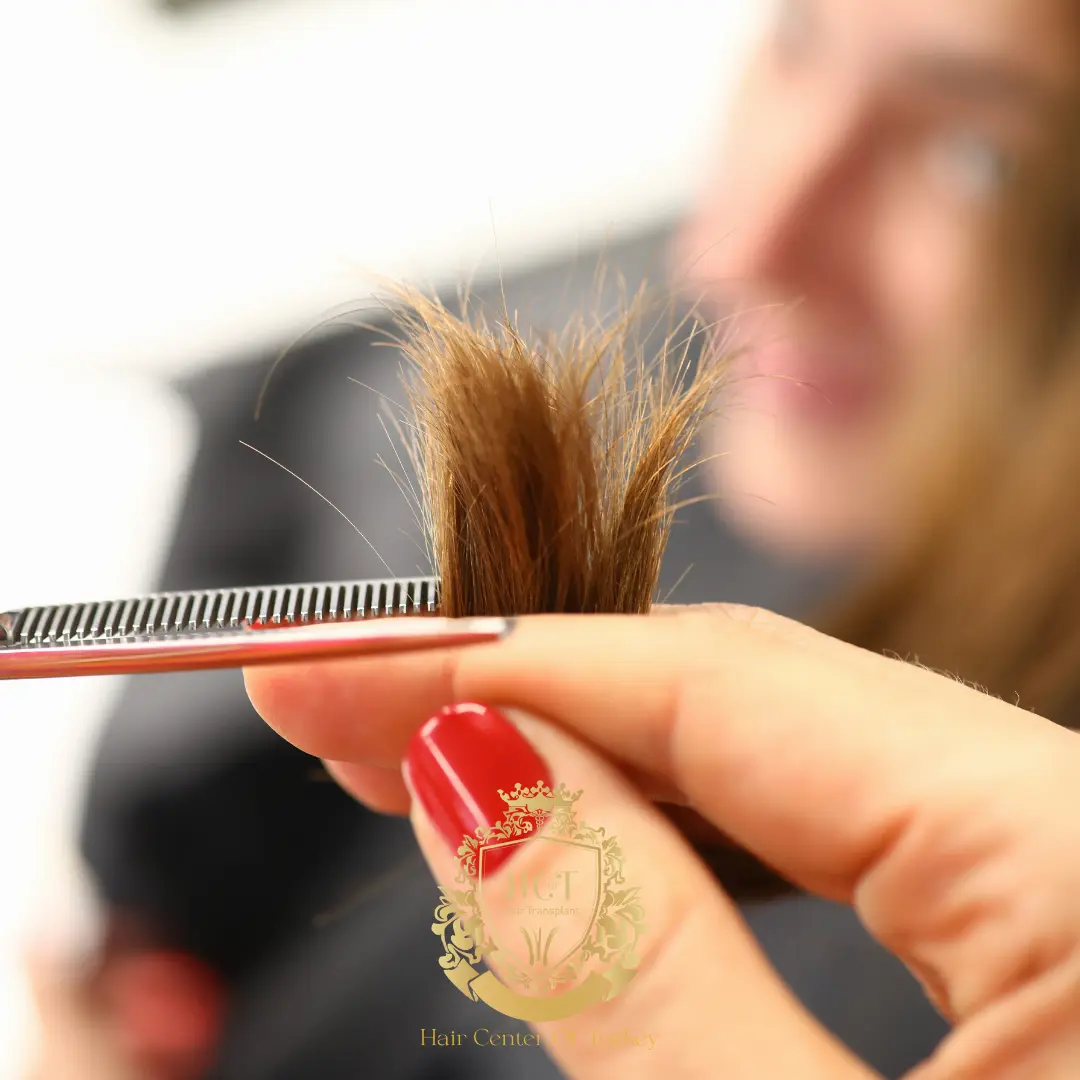
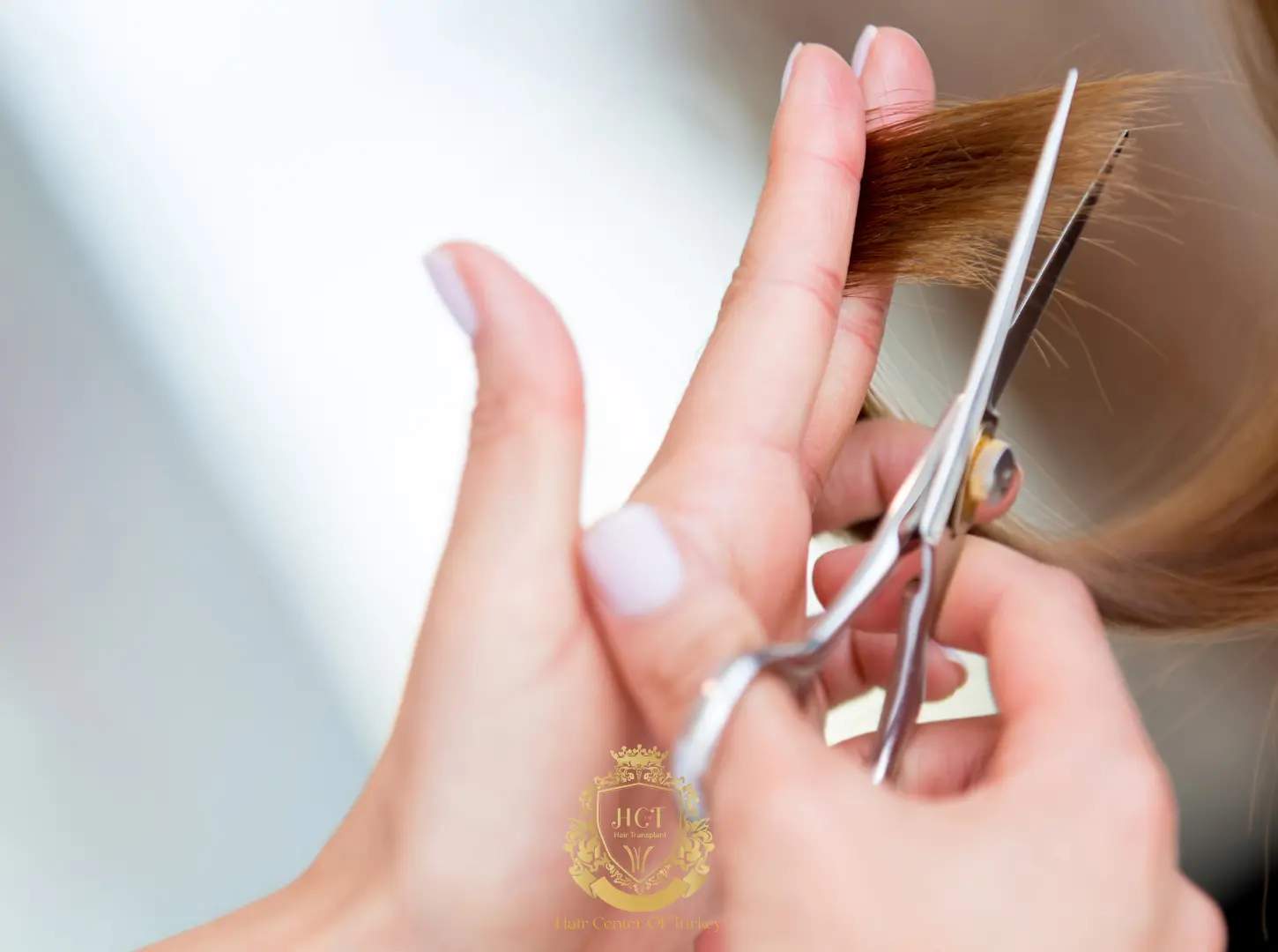
Some people snip individual splits by twisting small sections and trimming the tiny frayed ends that pop out. Use sharp hair scissors only. This method can help between salon visits, but it’s time-consuming and won’t replace a proper trim if damage is widespread.
A Split-End Prevention Routine That Holds Up
Wash Gently, Then Detangle The Smart Way
- Shampoo the scalp; let the lather rinse through the ends rather than scrubbing them.
- Squeeze out water with a microfiber towel or soft T-shirt instead of rubbing.
- Detangle with conditioner in and start at the ends, working upward.
Reduce Friction Where It Adds Up
- Switch to a silk or satin pillowcase or wear a satin bonnet.
- Use snag-free hair ties and vary your hairstyle placement.
- Avoid brushing when hair is soaking wet unless you’re using a wide-tooth comb and lots of slip.
Be Strategic With Heat And Color
- Air-dry partway before blow-drying to shorten heat exposure.
- Limit hot-tool use to special occasions when possible.
- If you bleach or color, space services out and prioritize bond-building or conditioning treatments recommended by a professional.
When To See A Professional
If your ends keep splitting quickly even with gentle care, a stylist can check for over-processing, tool damage, or a cut that needs reshaping. If you also have scalp symptoms (itching, redness, scaling) or sudden changes in shedding, a dermatologist can help rule out scalp conditions and nutrient issues.
FAQ
How to prevent future split ends?
Prevent split ends by minimizing heat/chemicals, conditioning, gentle detangling, and trimming regularly.
What is the best method for getting rid of split ends?
Trim them off with sharp hair-cutting scissors; no product removes existing split ends.
Can anything actually repair split ends?
No; split ends can’t be repaired permanently—only sealed temporarily and then trimmed.
What vitamin deficiency causes split ends?
No single vitamin deficiency causes split ends; damage and overall nutrient shortfalls worsen breakage.
Can hair oil fix split ends?
No; hair oil only coats and smooths split ends temporarily, reducing their appearance.
What foods prevent split ends?
Eat adequate protein, omega-3 fats, and iron/zinc-rich foods plus vitamin C/E produce.