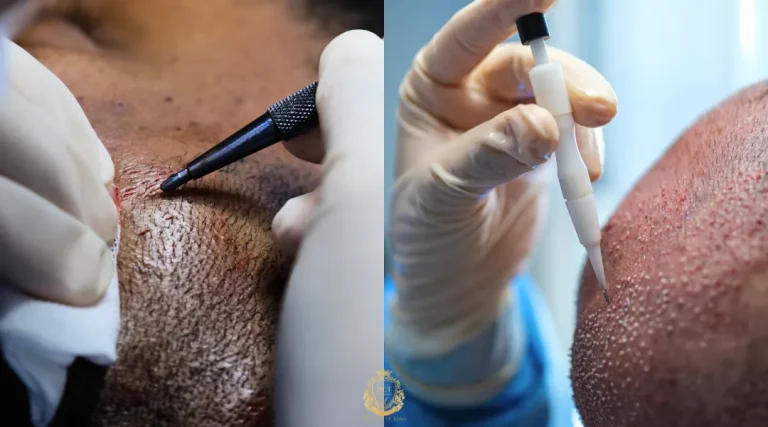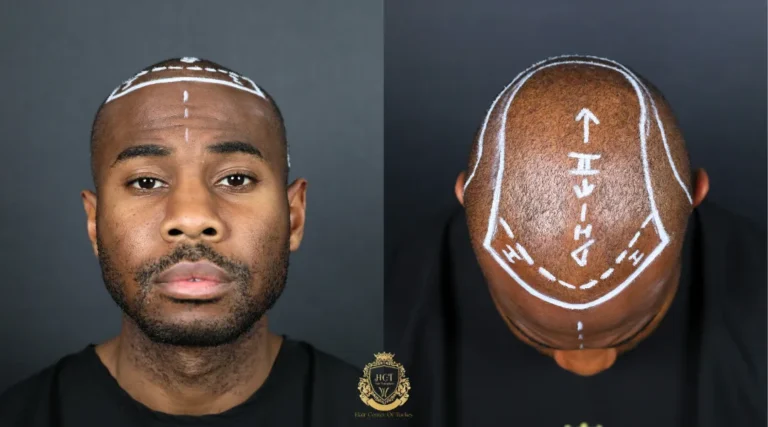


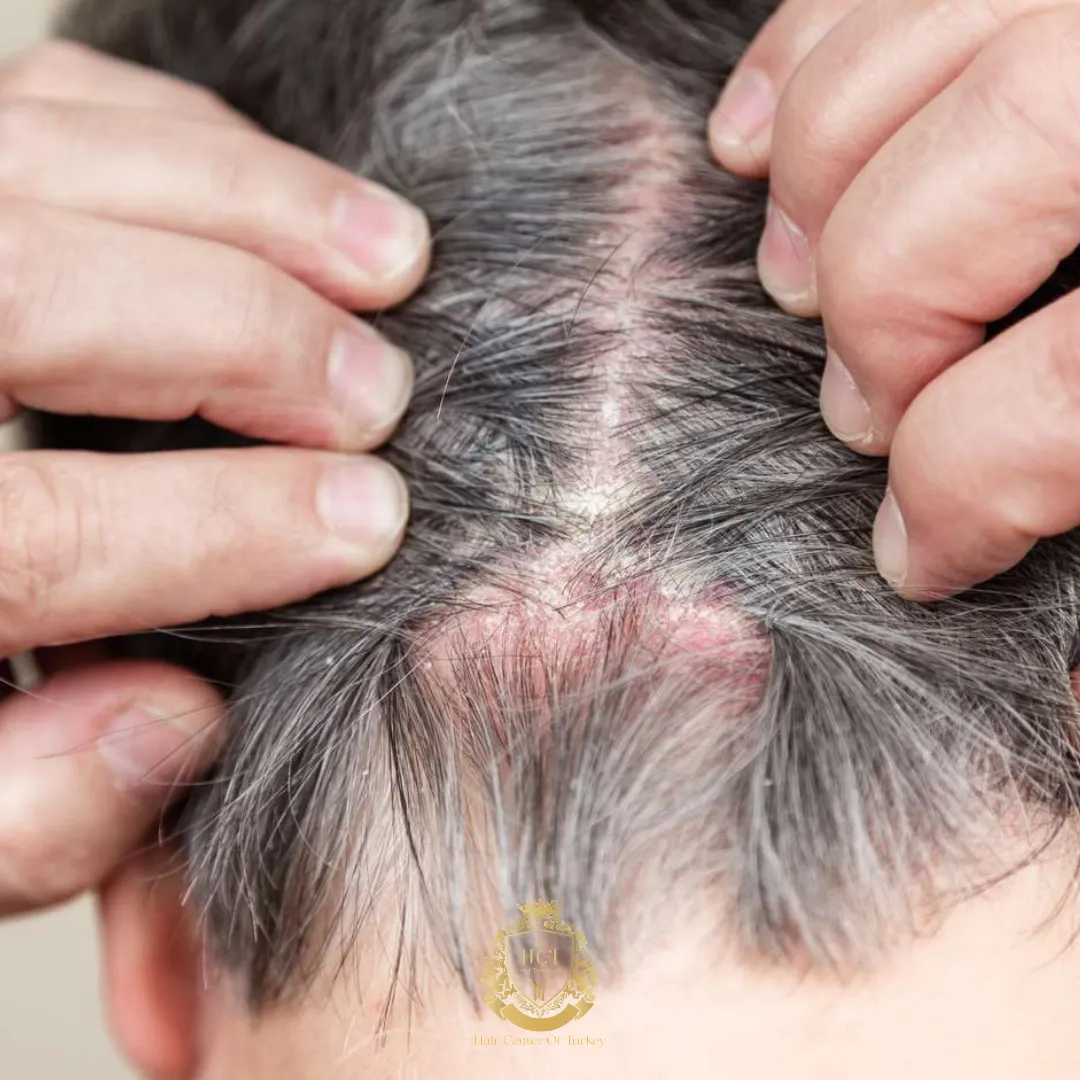
Scaling of the scalp typically occurs when the skin becomes inflamed or injured and dries out to form a scab during the healing process. The experienced team of doctors at Hair Center of Turkey, which has been working in the field of hair transplantation and hair health since 2014, explains in detail the causes, symptoms, and treatment options for scaling and flaking of the scalp in this article.
Table of Contents
Common Causes Of Scalp Scabs
Dandruff And Seborrheic Dermatitis
Dandruff is linked to excess oil, yeast on the skin, and sensitivity of the scalp. It often causes itching and greasy or dry flakes. When scratching is frequent, the irritated spots can break and form small scabs.
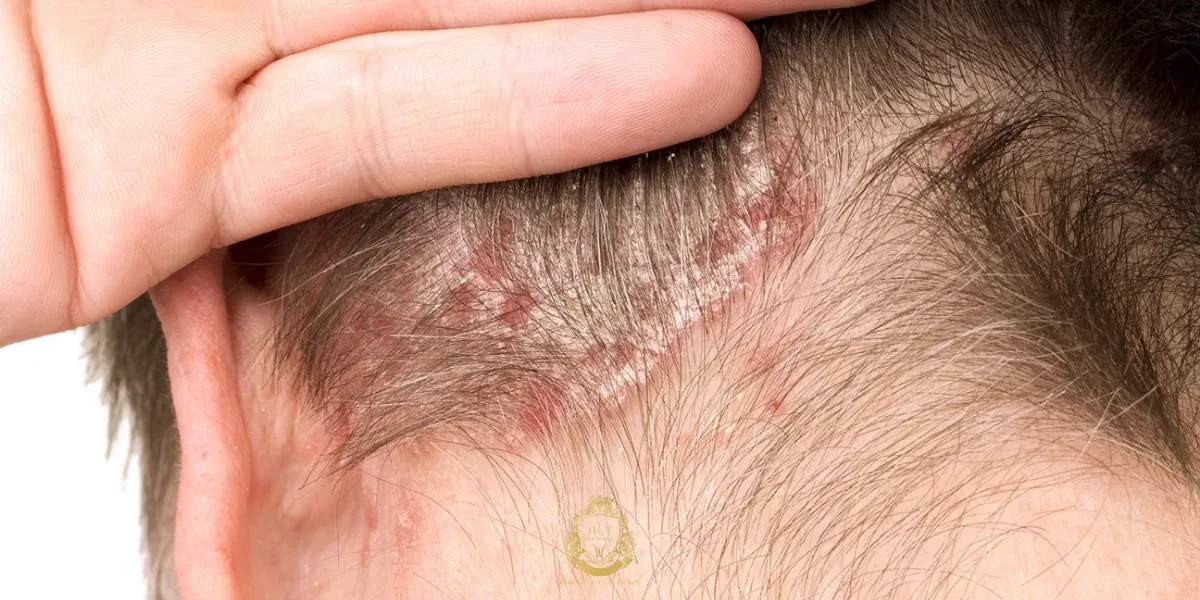
Scalp Psoriasis
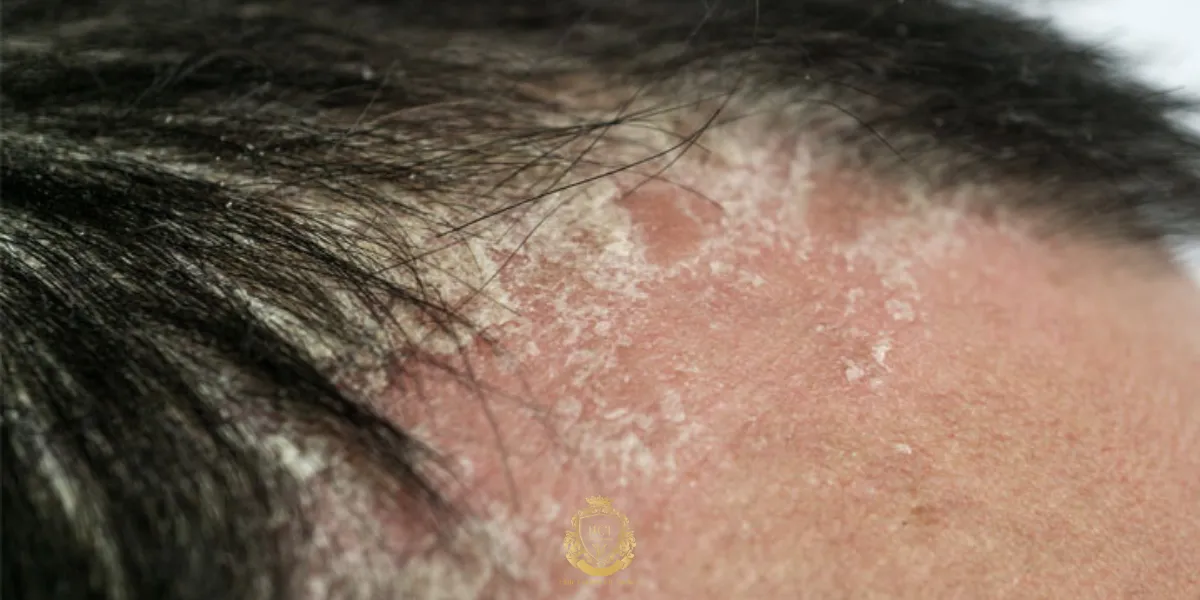
Psoriasis is an inflammatory condition that can create thick, scaly patches. These areas may crack, bleed, and crust over. Flare-ups often come and go, so the scabbing may feel “on and off” over time.
Contact Dermatitis From Hair Products
Hair dye, fragranced shampoos, styling gels, and even some “natural” oils can trigger irritation or allergy in sensitive people. Redness, burning, and oozing can appear within hours or days after exposure. Once the skin weeps, it can dry into crusts that look like scabs.
Fungal Infections
Fungal infections of the scalp, including tinea capitis (often called ringworm), can cause round scaly patches, itching, and broken hairs. Scratching can lead to crusting and secondary infection. Because some fungal infections are contagious, early treatment matters.
Bacterial Folliculitis And Infected Scratches
Folliculitis is inflammation or infection around hair follicles. It can look like tender bumps or pimples that crust over. Sometimes it starts after heavy sweating, tight headwear, shaving, or scratching existing irritation.
Head Lice
Lice don’t cause scabs directly, but the itching can be intense. Repeated scratching may break the skin and lead to scabbing, especially behind the ears and at the nape of the neck. If itching is worse at night or you notice tiny white eggs (nits) on hair shafts, check for lice.
Can Stress Trigger Scalp Scabs?
Stress can make inflammatory skin conditions harder to control. People with psoriasis, eczema, or seborrheic dermatitis often notice flare-ups during stressful periods. Stress also increases the urge to scratch or pick, which can turn mild irritation into scabs.
Can Poor Hygiene Cause Scalp Scabs?
Infrequent washing can allow oil, sweat, and product residue to build up. That buildup may worsen dandruff and irritate sensitive skin. At the same time, over-washing or harsh scrubbing can strip the scalp and trigger irritation, so balance matters.
How To Treat Scalp Scabs
Treatment depends on the cause. These steps are often helpful while you arrange proper diagnosis:
- Use a medicated anti-dandruff shampoo (for example, options with antifungal or keratolytic ingredients) if flaking and itch are the main issues.
- Avoid picking. Let scabs soften and lift naturally to reduce scarring and infection risk.
- Stop new or fragranced products for a week and reintroduce one at a time if you suspect a reaction.
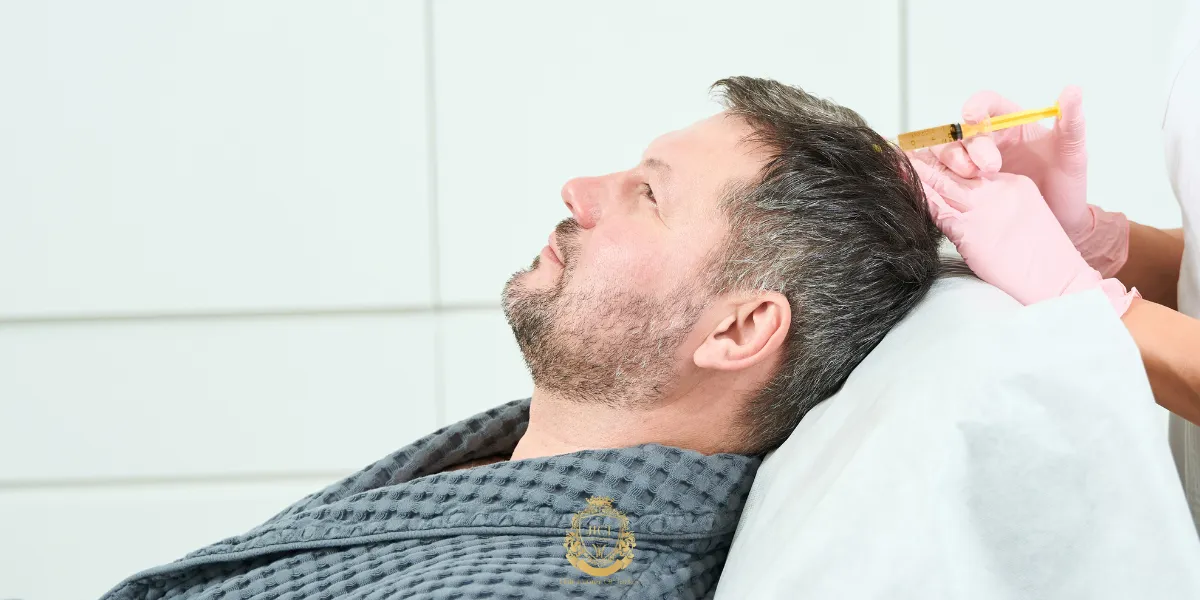
- For painful, pus-filled bumps, spreading redness, or fever, seek clinical care—these can signal infection that needs prescription treatment.
- If you have known psoriasis or eczema, follow your clinician’s plan. Prescription topical treatments often control flares better than home remedies.
How To Prevent Scalp Scabs
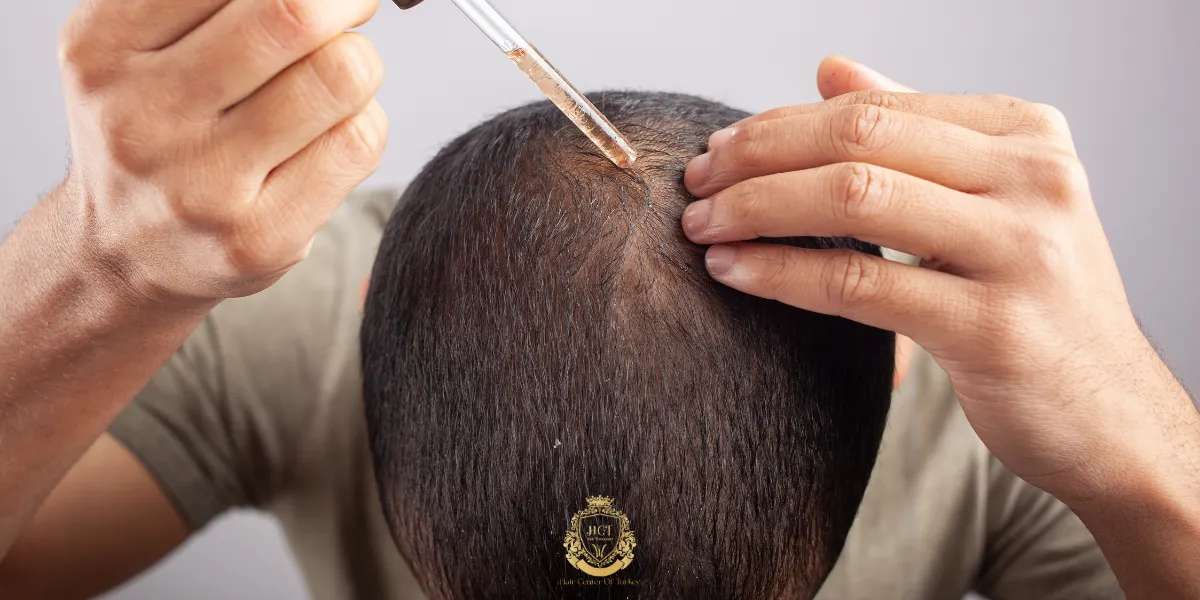
- Wash regularly based on your hair type and lifestyle, especially after heavy sweating.
- Choose gentle, dermatologically tested products if your scalp is reactive.
- Rinse styling products thoroughly and avoid heavy buildup at the roots.
- Keep nails short and treat itch early to prevent scratching injuries.
- Protect the scalp from sunburn with a hat or a scalp-safe sunscreen spray when hair is thin.
When To See A Doctor
A clinician can identify what’s driving the scabbing and rule out infections. Book an evaluation if you notice any of the following:
- Scabs that last longer than two weeks or keep coming back
- Significant pain, swelling, warmth, or pus
- Rapid spreading, fever, or feeling unwell
- Patchy hair loss, broken hairs, or scarring in the area
- No improvement after trying gentle care and an anti-dandruff shampoo
Scalp Scab Causes: Symptoms and When to See a Doctor
- Dandruff / seborrheic dermatitis — oily flakes, mild itching, and yellowish scales. See a doctor if the itching won’t settle, the redness spreads, or you start shedding hair.
- Scalp psoriasis — thick silvery scales, red plaques, and a sore, tender scalp. See a doctor if the plaques turn painful, the skin cracks or bleeds, or you notice hair loss.
- Fungal infection (tinea capitis) — round patches, broken hairs, and small black dots. See a doctor for any patchy hair loss or pus-filled scabs.
Frequently Asked Questions
How do I get rid of scabs on my scalp?
Soften scabs, wash gently, stop picking, use a medicated shampoo, and see a specialist if they persist. At Hair Center of Turkey, our doctors have examined scalps and treated the underlying causes since 2014, so when scabs keep coming back we pinpoint the trigger and set up the right medical or procedural plan.
Why am I picking scabs on my scalp?
Itching plus habit, stress, or excoriation disorder commonly drives repetitive scalp scab picking.
What are scabs on the scalp a symptom of?
Scalp scabs often signal seborrheic dermatitis, psoriasis, eczema, folliculitis, lice, or a fungal infection. Since each needs a different treatment, getting the diagnosis right matters — the doctors at Hair Center of Turkey check the scalp directly before recommending anything, drawing on more than 3,000 hair and scalp operations a year since 2014.
What shampoo is best for scabby scalp?
A ketoconazole, selenium sulfide, zinc pyrithione, or salicylic acid medicated shampoo works best.
Why is my scalp so itchy and little scabs come off?
Inflammation from dandruff, eczema, psoriasis, or an infection causes the itch and the small flaking scabs. If it won't settle, a scalp exam shows what's driving it — our specialists at Hair Center of Turkey, working with scalp conditions since 2014, find the cause and treat it instead of just calming the symptoms.
Explore the complete guide: Scalp Conditions and Hair Health