

What Causes Head Lice?
Head lice usually come from direct head‑to‑head contact with someone who already has them. They crawl from hair to hair; they don’t jump or fly. Sharing items like hats, brushes, or pillows can spread lice, but it’s less common. Lice aren’t linked to poor hygiene and don’t come from pets.
Head lice are frustrating, but they’re also common—especially among children in close-contact settings. The good news is that lice are manageable when you understand how they spread and how to treat them correctly. Below you’ll find clear, practical guidance you can use at home.
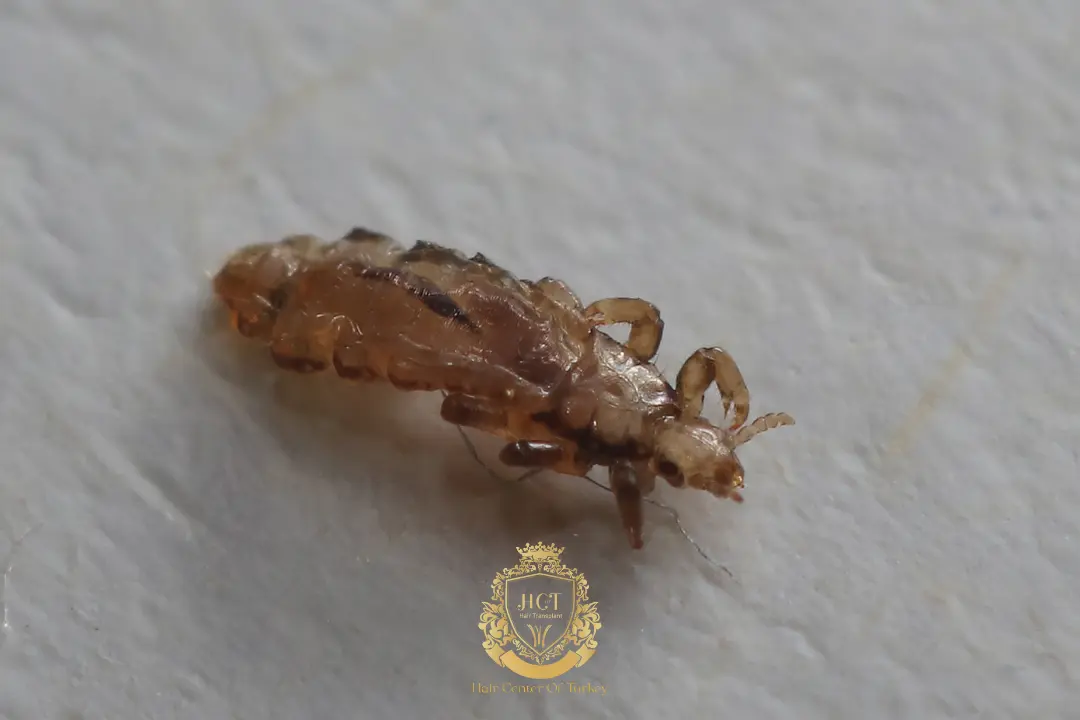
Table of Contents
What Head Lice Are
Head lice (Pediculus humanus capitis) are tiny, wingless insects that live on the scalp and feed on small amounts of human blood. They hold onto hair with claw-like legs and stay close to the skin because they need warmth and regular feeding. Lice are a nuisance, but they aren’t known to spread disease.
What Causes Head Lice?
Head lice don’t appear because hair is “dirty” or because someone didn’t wash often enough. A person gets head lice when live lice crawl from one head of hair to another, or when lice end up on the scalp through close contact. Here are the most common ways it happens.
1) Head-to-head contact
This is the main cause. Lice crawl quickly between hairs when heads touch during play, sports, sleepovers, selfies, or cuddling. Because they can’t jump or fly, they rely on direct contact to move to a new host. Classrooms, camps, and family homes are common places where spread happens.
2) Sharing personal items (less common)
Lice can sometimes spread through items that touch the hair, such as hats, hairbrushes, combs, headbands, helmets, scarves, and pillows. This route is considered less common than head-to-head contact, but it can happen—especially when items are shared right after use. If an item is used many hours later, any lice on it are less likely to survive.
3) What does not cause head lice
- Pets (head lice live on humans, not cats or dogs).
- Poor hygiene or a “dirty” home.
- Jumping, flying, or “falling” from trees—lice move by crawling.
- Swimming pools (lice grip hair tightly and don’t live well in water).
Who Is Most At Risk
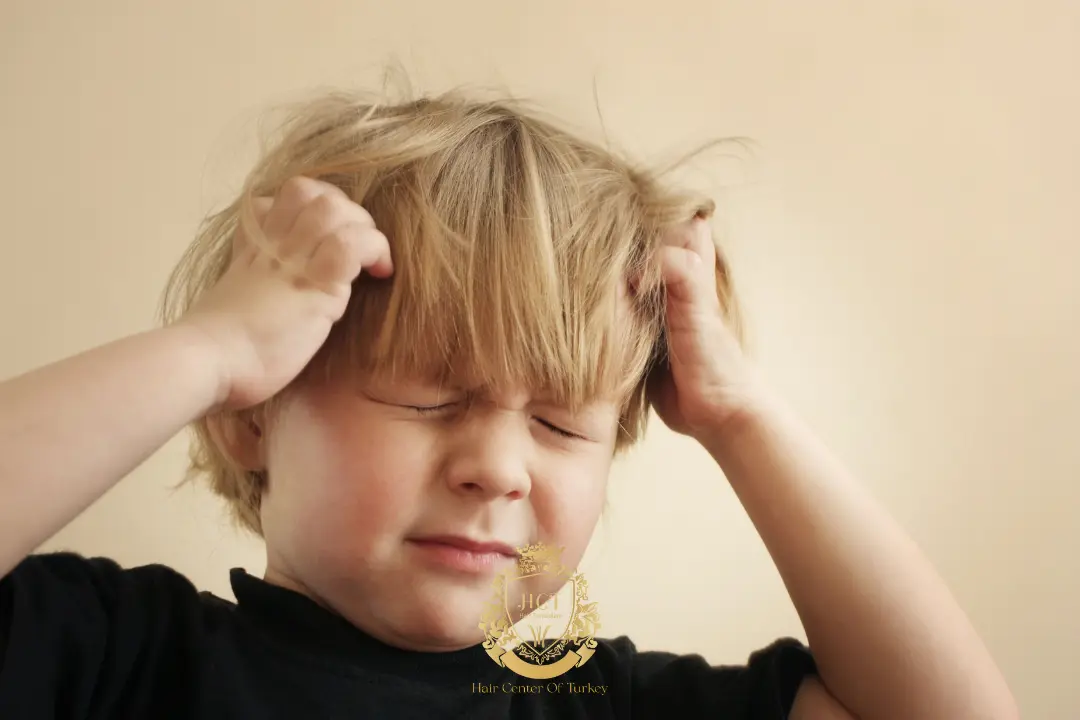
Anyone can get head lice, but children tend to get them more often because they play close together. People with longer hair may be slightly more likely to pick up lice simply because there’s more hair-to-hair contact, not because of hair type. Having lice once doesn’t create immunity, so reinfestation is possible if exposure continues.
Common Signs And Symptoms
Some people have no symptoms at first, so lice can spread before anyone notices. When symptoms do show up, they’re usually related to the scalp’s reaction to bites. Look out for these common signs.
- Itching on the scalp, behind the ears, or at the nape of the neck
- A tickling feeling or the sense of something moving in the hair
- Small red bumps or scratch marks on the scalp or neck
- Trouble sleeping (lice are often more active in the dark)
- Visible nits (eggs) attached to hair close to the scalp, or live lice near the hairline
How To Confirm You Have Head Lice
The most reliable way to confirm head lice is to find a live, crawling louse. Nits can remain after an old infestation, so nits alone don’t always mean active lice. Try checking the hair when it’s damp and well-lit, especially behind the ears and along the neckline.
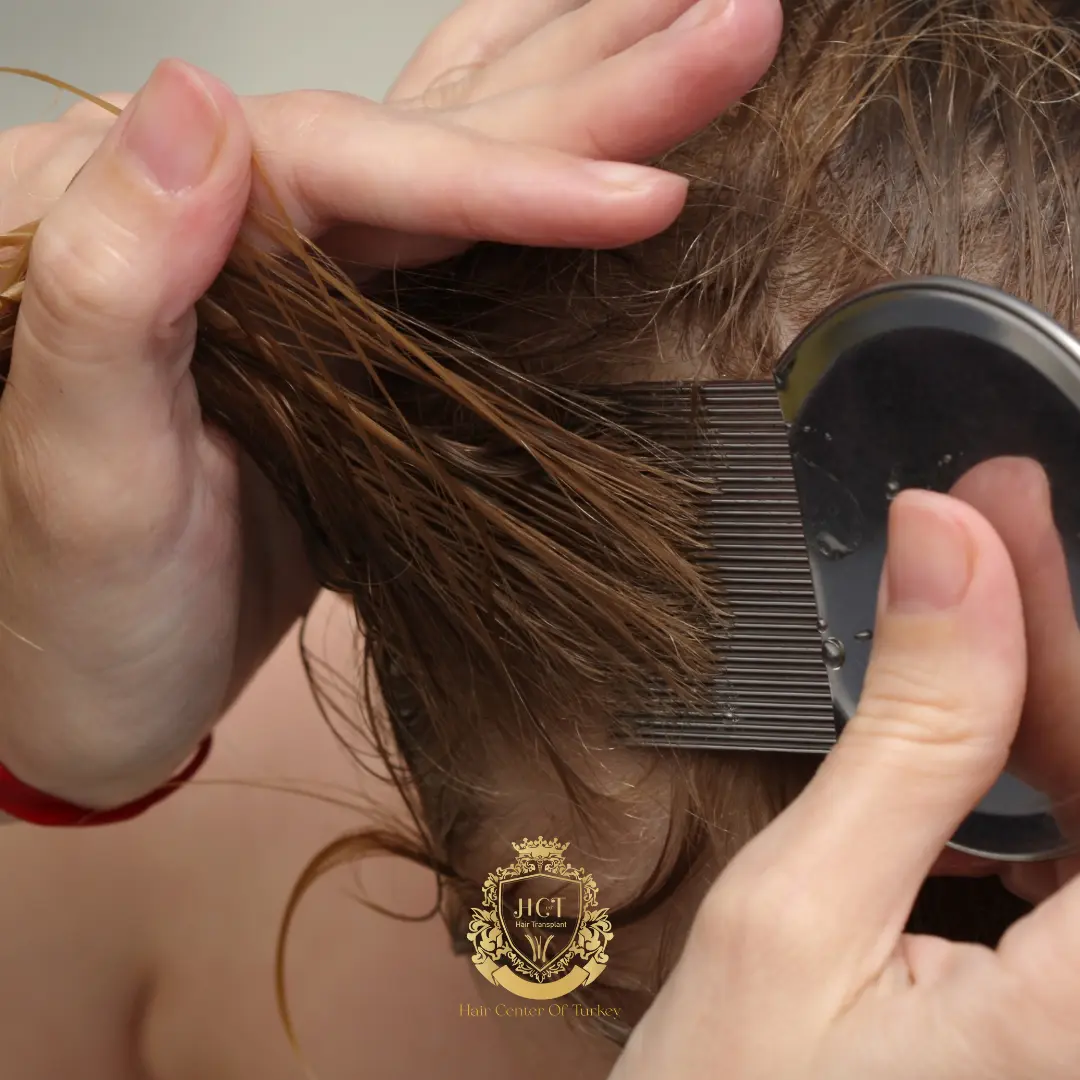
A fine-toothed lice comb often works better than fingers because lice move quickly and can be hard to spot. Work in small sections, comb from the scalp to the ends, and wipe the comb on a white tissue or paper towel after each pass. If you’re unsure, a pharmacist, school nurse, or clinician can help confirm the diagnosis.
How To Get Rid Of Head Lice
Most cases can be handled at home with the right combination of treatment and careful combing. Follow product instructions closely and treat anyone in the household who has live lice. If a treatment fails, it doesn’t mean you did anything wrong—resistance and reinfestation can happen.
Step 1: Use an effective treatment
Over-the-counter lice treatments are often the first choice, but they must be used exactly as directed. Some products require a second application 7–10 days later to catch newly hatched lice. If OTC options aren’t working, a clinician can recommend prescription treatments.
Step 2: Comb out lice and nits
Combing improves results, whether you’re using medication or choosing a medication-free approach. Use a metal fine-toothed lice comb on damp hair and comb methodically, section by section. Repeat combing every few days for two weeks to help remove newly hatched lice.
Step 3: Handle the environment without overdoing it
Lice don’t live long off the scalp, so you don’t need extreme house cleaning. Focus on items that had direct head contact in the past 1–2 days. This keeps the workload realistic and still reduces the chance of reinfestation.
- Wash pillowcases, hats, and recently worn clothing in hot water when possible, then dry on high heat.
- Soak combs and brushes in hot water and clean them thoroughly.
- Vacuum sofas, car seats, and floors where heads rested.
- Avoid pesticide sprays in the home—they aren’t recommended for head lice control.
How To Prevent Head Lice
Prevention is mostly about reducing head-to-head contact and limiting shared hair items. In schools and households, small habit changes can make a real difference. These steps are simple and effective.
- Teach children to avoid head-to-head contact during play.
- Do not share combs, brushes, hats, helmets, scarves, or hair accessories.
- Tie long hair back for school and group activities.
- Check close contacts if someone in the home has confirmed lice.
- Start treatment promptly when live lice are found.
When To Seek Medical Advice
Consider medical advice if you can’t confirm live lice but symptoms persist, or if treatments haven’t worked after careful use. You should also seek help if the scalp looks infected (oozing, increasing redness, swelling, or pain). For infants, pregnant people, or anyone with skin conditions, it’s sensible to ask a clinician before choosing a treatment.
FAQ
Can head lice lead to hair loss?
Yes; severe itching and scratching can cause temporary breakage or shedding.
How to treat lice during pregnancy?
Use wet-combing; ask your clinician about pregnancy-safe treatments like permethrin or dimeticone.
Can head lice fall out of your hair?
Yes; washing or combing can dislodge them, but they usually cling to hair.
Which deficiency causes lice in hair?
None; lice spread via head-to-head contact, not vitamin or mineral deficiency.
What happens if you have head lice for too long?
Persistent infestation causes itching, sores, sleep loss, and possible bacterial skin infection.
Explore the complete guide: Scalp Conditions and Hair Health