






What Are the Best Hair Transplant Clinics in Tucson?
If you’re looking for the “best” hair transplant clinic in Tucson, focus less on marketing and more on proof: a qualified surgeon, consistent before-and-after results, transparent pricing, and a plan for follow-up care. Tucson has a handful of hair restoration providers, and some patients also compare medical-travel options for lower pricing.

Table of Contents
How to choose a clinic that’s actually worth it
Start with the basics: the procedure should be planned and supervised by a licensed physician with specific hair-restoration training. Ask who designs the hairline, who extracts grafts, and who places them. Request to see results for cases similar to yours (hair type, pattern, and level of loss).
Look for clear answers on:
- The technique used (FUE, DHI, FUT) and why it fits your case
- Estimated graft count and what that number is based on
- Post-op support (check-ins, medications, washing routine, complication management)
- Realistic outcomes, including what can’t be fixed in one session
Hair transplant options in Tucson
Most surgical hair restoration in Tucson centers on FUE and FUT, with some clinics offering DHI-style implantation depending on the team and tools available. Non-surgical options (PRP, medications, low-level laser) are often offered as add-ons or as a starting point for early thinning.
If you’re not a candidate for surgery right now, a good clinic will tell you that plainly and explain what to do instead.
What to expect during a hair transplant
A typical hair transplant begins with a consultation where the provider reviews your pattern of loss, donor area strength, medical history, and goals. On procedure day, the area is numbed with local anesthesia, grafts are harvested from the donor zone, and then implanted to build the hairline and fill in thinning areas.
Most people return to normal routines in about a week, while visible growth usually starts a few months later. Final results commonly take 9–12 months as the transplanted follicles cycle and mature.
Clinics to research in Tucson
The clinics below are examples of hair-restoration providers with a Tucson presence. Availability, staffing, and services can change, so confirm credentials, technique, and who performs each step of the procedure during your consultation.
Physician’s Hair Institute
Known locally for surgical hair restoration services in Arizona and for emphasizing physician-led planning and follow-up care.
Professional Hair Clinic of Arizona
A long-running Tucson clinic that advertises hair-loss services and consultations. Confirm whether your case requires surgical transplantation or a non-surgical plan.
FUE-focused providers in Tucson
Some centers in Tucson market FUE specifically. When you call, ask who performs extraction and implantation, and whether the physician is on-site throughout the procedure.

Considering options outside Tucson for cost
Some Tucson patients compare local care with medical-travel clinics, especially when budget is the deciding factor. If you go this route, plan carefully for aftercare, travel timing, and how complications would be handled once you’re home.
Two frequently compared international providers are:
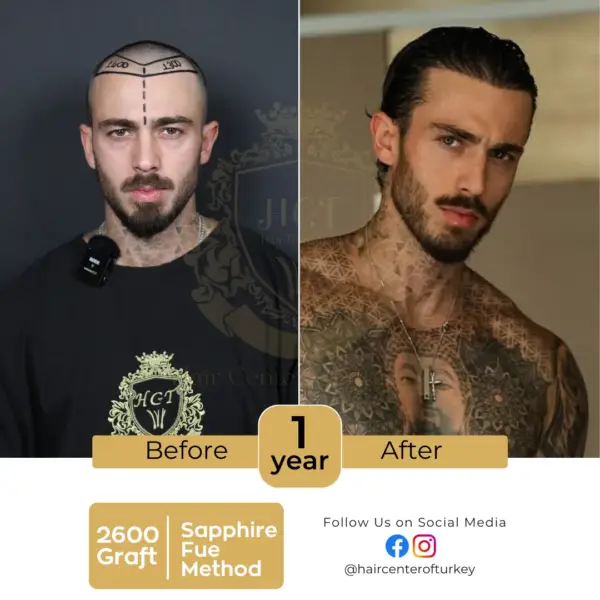
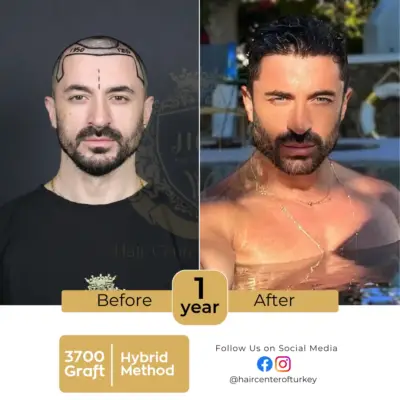
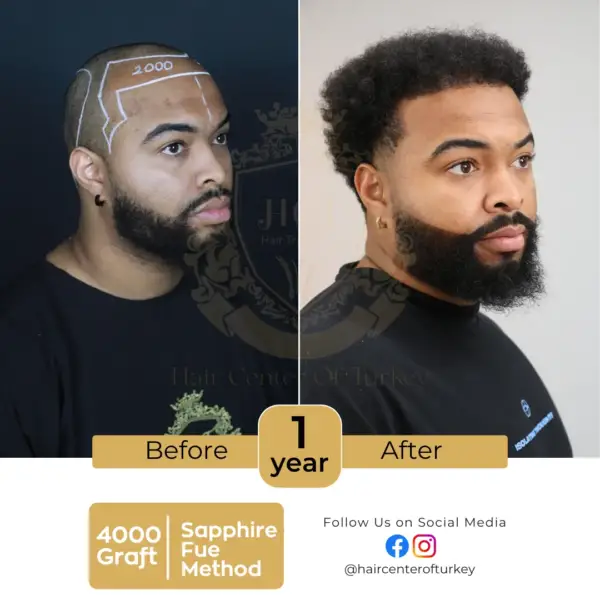
- Hair Center of Turkey – Often marketed for package pricing and high-volume FUE programs.
- Lygos Clinic – Commonly positioned as a natural-looking-results option.
These are not Tucson clinics, so treat them as medical-travel alternatives and make sure you understand what’s included (grafts, medications, accommodation, transfers, and post-op support).
How much does a hair transplant cost in Tucson?
Pricing depends on the method used, the estimated graft count, and what’s included in your quote (pre-op testing, medications, follow-ups). Clinics may quote per graft or as a package.
Typical ranges patients see in and around Tucson include:
- Medical-travel clinics (often advertised packages): $2,500–$4,000
- Local Tucson providers (surgical hair transplant): $6,000–$14,000
Use any quote as a starting point, then ask for a written breakdown. The “best” price is the one that matches your needs and includes safe medical oversight.
Choosing between FUE, DHI, and FUT in Tucson
DHI-style implantation
Often chosen by patients who want dense placement in specific areas and a controlled implantation approach. DHI typically uses an implanter tool, though the real differentiator is the team’s experience and the plan behind the placement.
FUE
The most requested method because it avoids a linear incision and usually heals faster. Grafts are extracted one by one from the donor area, which can be a good fit for short hairstyles.
FUT
A solid option for some patients who need a large number of grafts and have a suitable donor area. It involves a thin strip removal, leaving a linear scar that’s usually hidden under longer hair.
Travel tips for patients visiting Tucson for a hair transplant
If you’re traveling in for surgery, plan to arrive at least a day early so you’re not rushed. Book a hotel close to the clinic, avoid strenuous activities for the first several days, and arrange transportation for procedure day.
During downtime, keep plans low-key. Many patients enjoy relaxed, short outings like the Arizona-Sonora Desert Museum or the Downtown Tucson area without overexerting themselves.
FAQs about hair transplants in Tucson
How much is a hair transplant in Tucson, AZ?
$6,000–$14,000, based on graft count, technique, and surgeon fees.
How to choose the best hair transplant clinic?
Choose a board-certified hair-restoration surgeon, verified results, transparent pricing, and structured aftercare.
Where is the best place to go to get a hair transplant?
The best place is a reputable, physician-led clinic with proven results and aftercare.
Are hair transplants better in the US or Turkey?
Neither is better; pick the best surgeon and aftercare regardless of country.
Which country is the safest for hair transplant?
No single country is safest; choose accredited clinics with qualified surgeons and follow-up.