






What Are the Best Hair Transplant Clinics in Seattle?
There isn’t one “best” clinic for everyone. The right choice depends on your hair-loss pattern, donor supply, preferred technique (FUE, FUT, or DHI), budget, and the surgeon’s track record. Start by shortlisting a few Seattle-area practices, reviewing real before-and-after cases, and booking consultations to compare plans, pricing, and aftercare.

Table of Contents
Hair Transplants in Seattle
Seattle has a mix of dedicated hair-restoration practices and plastic surgery offices that offer hair transplantation. What matters most is who plans and performs the procedure, how grafts are handled, and what kind of follow-up you get after surgery. Look for consistent, natural hairlines in photo galleries, clear pricing, and a consultation that includes a realistic plan—not a sales pitch.
How to Choose a Hair Transplant Clinic in Seattle
Before you book, focus on factors that predict outcome and safety. A reputable clinic will explain what you can and can’t achieve with your donor hair, recommend medical therapy when appropriate, and show results on patients with similar hair characteristics. You should feel comfortable asking detailed questions, and you should get straightforward answers.
If you want an extra credential check, you can search the American Board of Hair Restoration Surgery (ABHRS) physician directory and confirm whether a surgeon is listed as a Diplomate.
- Who will perform each step (design, harvesting, and implantation) and what their training is
- Which technique they recommend for you (FUE, FUT/strip, or a hybrid) and why
- Typical graft counts for cases like yours and how they estimate coverage
- How they store and handle grafts during the procedure (hydration and timing matter)
- What aftercare and follow-up visits are included in the quoted price
- How they manage complications such as infection, shock loss, or poor growth
Choosing Between FUE, FUT, and DHI
Most Seattle-area clinics offer FUE and/or FUT, and some promote DHI-style implantation. The techniques can all work well when the plan and execution are strong, but each has trade-offs around scarring, graft yield, and styling flexibility. During consultation, ask to see results from the same technique they are recommending for you.
FUE (Follicular Unit Excision)
FUE removes follicular units one by one, which avoids a linear scar and usually supports faster early healing. It can be a good fit if you keep your hair short or want to avoid a strip scar. The quality of extraction and graft placement matters more than the device used.
FUT (Follicular Unit Transplantation / Strip)
FUT removes a thin strip from the donor area and closes it with stitches, leaving a linear scar that is typically concealed under longer hair. It can be efficient for larger graft numbers and may preserve donor area options in certain cases. If you are considering FUT, ask how they close the incision and what scar outcomes look like in their photo gallery.
DHI-Style Implantation
“DHI” is often used to describe direct implantation with an implanter pen, which can help with angle control and density in select areas. It is not automatically better than standard FUE or FUT—results still depend on planning, graft handling, and the team’s experience. Treat “DHI” as a technique detail, not a guarantee of quality.
What to Expect During a Hair Transplant in Seattle
Most patients start with an in-person or virtual consultation where the clinic evaluates your hair loss, donor density, and medical history. Procedure day is typically several hours under local anesthesia, followed by written aftercare instructions and a short-term check-in. Early shedding is common, with visible growth starting around a few months and fuller results developing over the year.
Notable Hair Transplant Clinics in the Seattle Area
The options below are well-known in the Seattle market or nearby Eastside. Availability, pricing, and staffing can change, so confirm details during your consultation and ask who will be doing the surgical work on the day of your procedure.
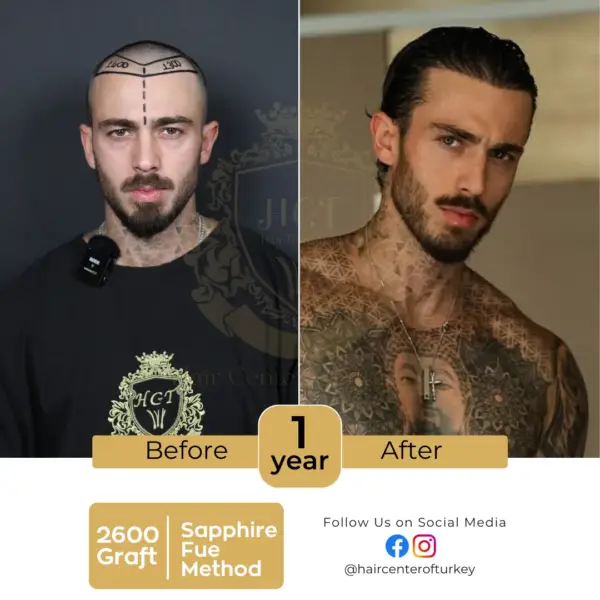
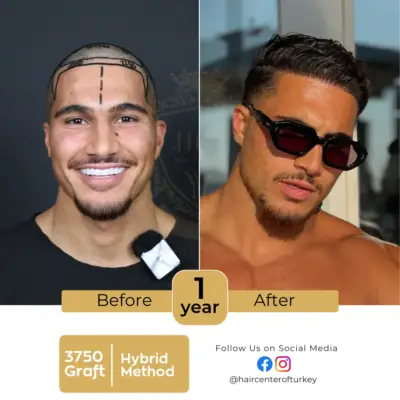
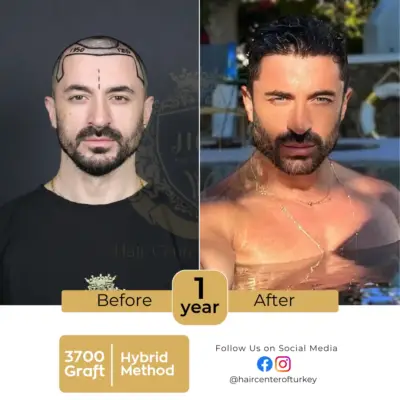
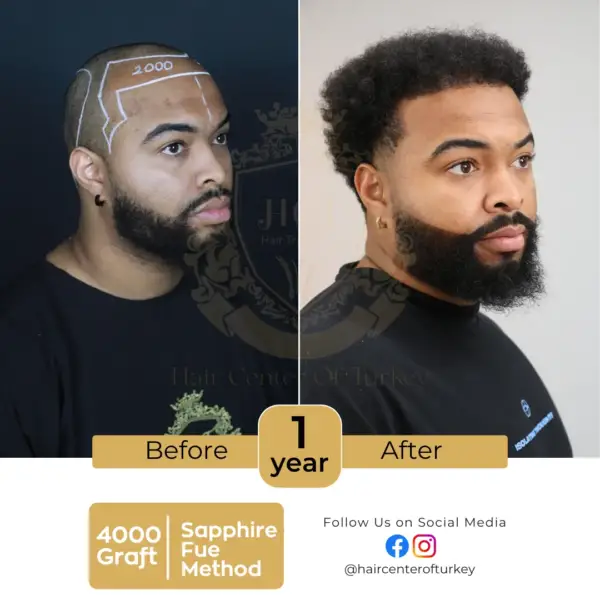
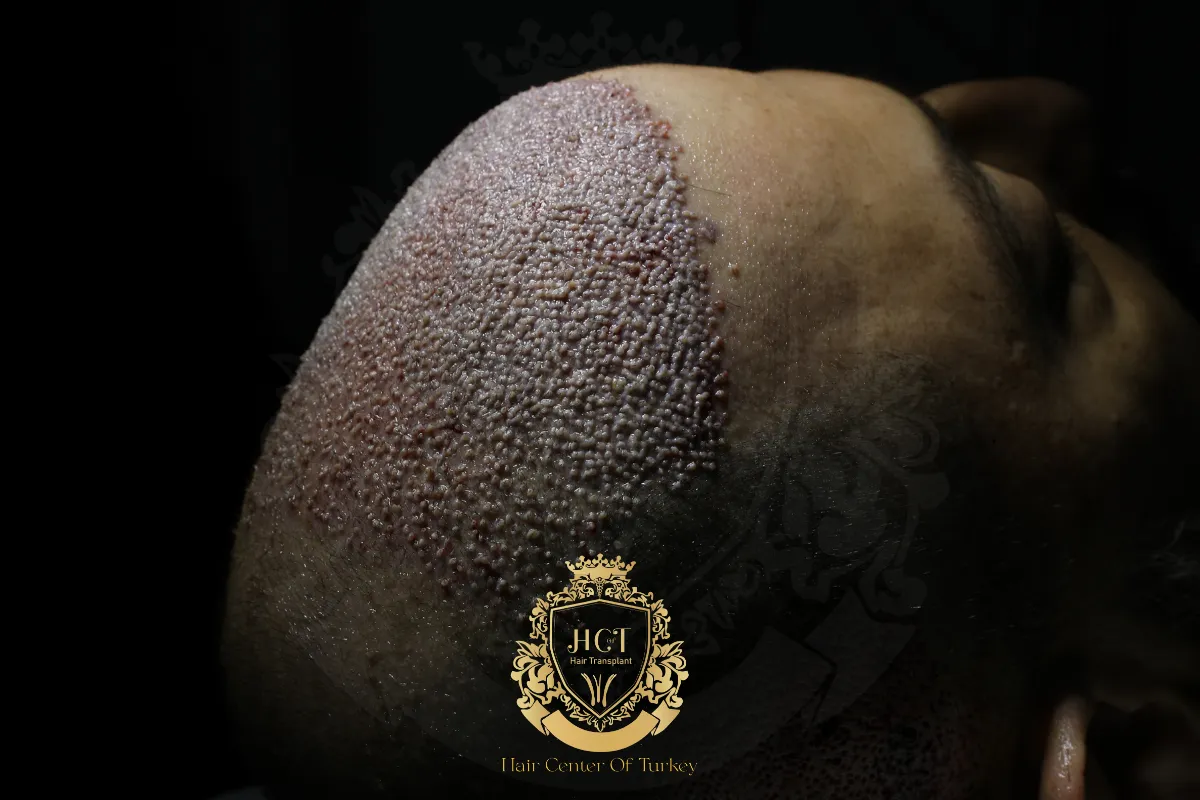
Hair Center of Turkey (Istanbul, Turkey – for international patients)
A high-volume hair restoration clinic that serves international patients seeking FUE/DHI-style options with coordinated planning and aftercare guidance. If you compare abroad vs local clinics, ask who performs extraction and implantation, what is included in the package (hotel/transfer), and how post-op follow-up is managed remotely.
Lygos Clinic (Istanbul, Turkey – for international patients)
A clinic brand known for serving international patients with structured coordination and treatment planning. During consultation, clarify which technique is recommended for your pattern of loss, who performs each surgical step, and what the long-term aftercare and follow-up schedule looks like.
Bosley – Seattle (Belltown)
A national hair restoration provider with a Seattle location offering surgical and non-surgical hair loss options. Useful if you want a large, established brand and a structured process, but still ask exactly which physician and team will perform each step of your procedure.
Seattle Hair Restoration (Capitol Hill)
A Seattle-based practice advertising FUT and FUE hair transplantation and related procedures. Ask to review cases similar to yours (hairline vs crown, fine vs coarse hair, men vs women) and clarify the expected graft range and total plan.
Seattle Hair Clinic (University District)
A local clinic site that lists a Seattle address and office hours, which can be convenient for follow-up. During consultation, focus on who performs the transplant, which techniques are offered, and how aftercare is handled.
Northwest Hair Restoration (Seattle and other WA locations)
A regional hair restoration practice offering surgical and non-surgical treatments, including FUT and FUE. If you are comparing multiple clinics, ask to see consistent before-and-after results across different hair types and degrees of hair loss.
Advanced Hair Restoration (Bellevue)
An Eastside option often included in Seattle-area searches, advertising multiple transplant approaches, including FUE and FUT. This can be a practical choice if you live on the Eastside, but the same questions apply: surgeon involvement, graft handling, and follow-up.
Northwest Face & Body (Bellevue/Kirkland)
A plastic surgery practice that advertises both FUE and FUT hair transplantation in the Eastside area. If you want a clinic that also offers broader facial aesthetics, confirm how frequently they perform hair transplants and review recent case results.
How Much Does a Hair Transplant Cost in Seattle?
Seattle pricing is usually tied to the number of grafts and the technique used. Many clinics quote a per-graft rate (often in the mid-single digits) plus fees, so a larger session can add up quickly. The only reliable number is the one you receive after a consultation that includes a realistic graft estimate.
If you’re comparing costs, some international clinics market package-style pricing that can look dramatically lower. When comparing, factor in travel, time off work, post-op support, and what happens if you need a revision or extended follow-up.
Travel Tips for Patients Visiting Seattle for Treatment
Plan to stay in town long enough for your consultation and a short post-op check, especially if you are flying in. Choose a hotel that allows you to sleep with your head elevated and avoid activities that raise your blood pressure in the first few days. Seattle is easy to navigate, and you can keep sightseeing light with short walks and low-key stops while you recover.
FAQs About Hair Transplants in Seattle
How much is a hair transplant in Seattle?
Seattle hair transplants typically cost $6,000–$15,000, depending on grafts and technique.
Which state has the cheapest hair transplant?
Kansas (FUT) and Iowa (FUE) have the lowest average U.S. hair-transplant costs.
What country is best for a hair transplant?
Turkey is the leading destination for affordable, high-volume FUE with experienced teams.
Is it better to get a hair transplant in the USA or Turkey?
USA offers tighter regulation and easier follow-up; Turkey offers lower costs with good clinics.
Which is the best hair transplant clinic in Turkey?
No single clinic is objectively best; choose JCI-accredited centers like Acibadem or Memorial.