






What Are The Best Hair Transplant Clinics In Memphis?
Memphis has several reputable hair restoration options, from national surgical networks to local practices offering FUE- and FUT-based transplants. The “best” clinic for you depends on the surgeon’s credentials, who performs each step of the procedure, transparent pricing, and the clinic’s plan for long-term follow-up.

Table of Contents
Top Hair Transplant And Hair Restoration Options In Memphis
Memphis doesn’t have dozens of dedicated hair-transplant-only centers, but it does have a solid mix of hair restoration providers. Below are well-known options that advertise surgical hair restoration or transplant services for patients in the Memphis area. Always confirm which doctor will be in the room and which steps are delegated to clinical staff.
Hair Center of Turkey (International Option)
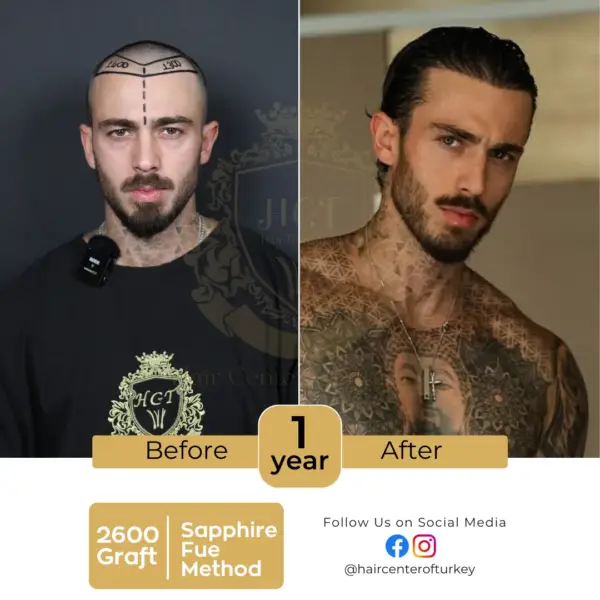
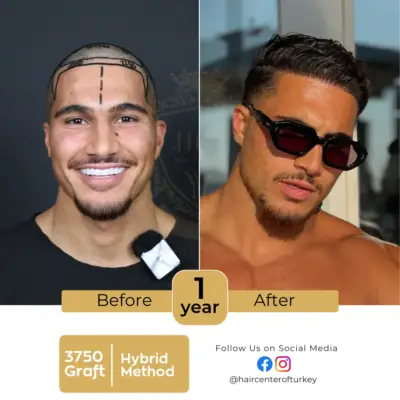
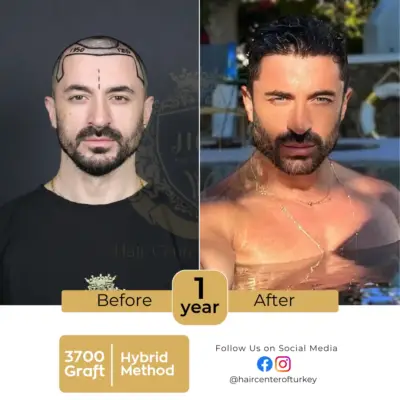
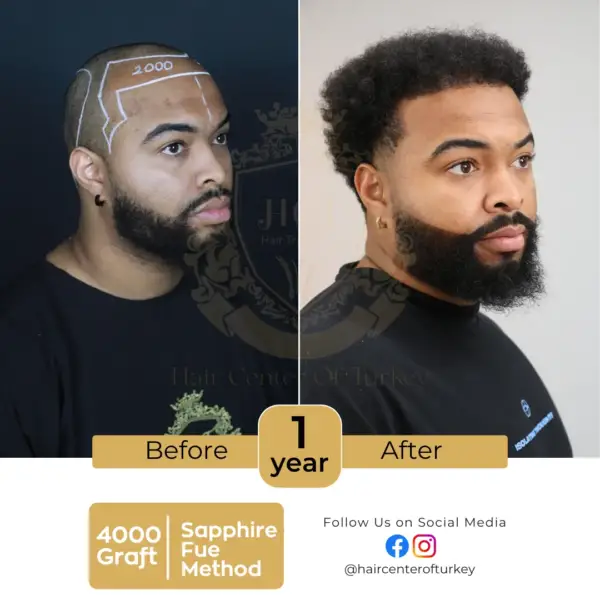
Hair Center of Turkey is a globally known hair-transplant clinic based in Istanbul, treating thousands of international patients annually. The clinic focuses exclusively on hair transplantation and advanced FUE techniques, with physician-planned cases, high graft volumes, and long-term donor protection. Many Memphis patients consider this option for its combination of surgical expertise, transparent graft planning, and cost-effective all-inclusive packages.
Lygos Clinic (International Option)
Lygos Clinic offers modern FUE-based hair transplantation with an emphasis on natural hairline design and controlled density planning. The clinic attracts international patients seeking physician-led consultations, personalized graft calculations, and structured post-operative follow-up. It can be a strong alternative for Memphis patients who want surgical precision paired with a boutique-style patient experience.
Bosley – Memphis
Bosley operates a Memphis location that offers surgical and non-surgical hair restoration, including consultations and scalp analyses. Bosley is a long-established national brand, which can be helpful if you want structured education, financing options, and standardized processes. Ask who the supervising physician is for your case and what parts of the procedure they personally perform.
Natural Transplants – Memphis
Natural Transplants markets both FUE and FUT hair transplants for Memphis-area patients, with a focus on transplant density and long-term results. If you’re comparing techniques, request side-by-side examples of hairlines similar to yours and a clear graft estimate tied to your donor capacity.
Memphis Hair Doctor (Nashville Hair Doctor) – Memphis Location
Memphis Hair Doctor promotes minimally invasive hair transplant options and positions itself as a local access point for hair restoration consultations. Confirm where the surgery is performed, what technique is used (FUE, FUT, or device-assisted FUE), and what aftercare looks like if you live out of town.
Advanced Dermatology & Skin Cancer Associates – NeoGraft Hair Transplant
Advanced Dermatology & Skin Cancer Associates lists NeoGraft hair transplant services in the Memphis area, which is a device-assisted form of FUE. NeoGraft can be a fit for patients who want FUE-style extraction with a small-punch approach, but outcomes still depend heavily on the team’s technique and experience.
Plastic Surgery Group of Memphis – Hair Restoration With NeoGraft
The Plastic Surgery Group of Memphis describes male hair restoration using NeoGraft. If you prefer a plastic-surgery setting, ask about anesthesia protocols, scar management, and how the clinic plans density while protecting your donor area.
Dr. Thomas Chu – Hair Restoration Surgery
Dr. Thomas Chu’s practice describes long-term experience with hair restoration surgery and also discusses medical therapies such as finasteride and minoxidil. This can be useful if you want a plan that combines surgical and non-surgical options and includes discussion of ongoing hair loss in non-transplanted areas.
How To Choose A Hair Transplant Clinic In Memphis
Hair transplantation is surgery, so the quality of the medical team matters as much as the technique name. Start by verifying that the surgeon is properly licensed in Tennessee and that the clinic can clearly explain who does each step of the procedure. Professional involvement, training, and transparent counseling are recurring themes in patient-safety guidance from hair restoration organizations.
Credentials And Oversight To Look For
Look for board certification in a relevant specialty (often dermatology or plastic surgery) and ask whether the doctor holds hair-restoration-specific credentials. Some surgeons also pursue certification through the American Board of Hair Restoration Surgery (ABHRS), and the International Society of Hair Restoration Surgery (ISHRS) publishes consumer guidance on choosing qualified surgeons. You can also use the Tennessee Department of Health’s licensure verification portal to confirm a physician’s active license status.
Questions Worth Asking At A Consultation
Bring these questions so you can compare clinics on the details that actually affect outcomes:
- Who will perform the extraction and placement of grafts, and how much of the surgery will the physician do personally?
- Which technique do you recommend for my pattern of hair loss (FUE, FUT, or another approach), and why?
- How many grafts are you estimating, and what limits does my donor area create?
- What is your plan for shock loss, scarring, and future thinning in non-transplanted areas?
- What does follow-up look like at 2 weeks, 3 months, 6 months, and 12 months?

What To Expect During A Hair Transplant In Memphis
Most clinics start with an in-person or virtual consultation to review your hair loss pattern, medical history, and goals. On procedure day, hair is trimmed in the donor area, local anesthesia is used, and follicles are harvested and implanted based on the chosen method. Early healing usually happens over days to weeks, while visible growth typically builds over several months, with final cosmetic maturation often taking close to a year.
Choosing Between FUE, FUT, And DHI
Technique names can be confusing, and clinics sometimes use them differently. The right choice depends on your donor hair quality, the amount of coverage you need, hairstyle preferences, and tolerance for scarring. Use the consultation to understand the trade-offs, not just the marketing labels.
FUE
FUE removes follicular units individually with a small punch, leaving many tiny dot scars that are usually hard to see when hair is kept at moderate length. It’s popular for patients who want to avoid a linear scar and prefer a quicker-feeling recovery. It can be time-intensive, and aggressive harvesting can thin the donor area if planning isn’t careful.
FUT
FUT (strip harvesting) removes a thin strip of scalp from the donor area and then dissects it into grafts. It can be efficient when many grafts are needed, but it typically leaves a linear scar. Some patients choose FUT because it preserves donor hair characteristics for future sessions, especially when higher graft counts are required.
DHI is often described as an implantation method rather than a separate harvesting technique. Clinics may use an implanter pen to place grafts, which can allow precise control over angle and direction in certain cases. Ask how the clinic defines DHI and whether the surgeon recommends it for your specific hairline design.
How Much Does A Hair Transplant Cost In Memphis?
Pricing varies widely based on graft count, technique, surgeon involvement, and whether additional therapies are packaged into the quote. In the U.S., many patients see total prices land in the several-thousand-dollar range, and national providers publish broad estimates that commonly span roughly $4,000 to $12,000 or more depending on case complexity. For a fair comparison, ask each clinic for an all-in quote that lists graft estimate, fees, medications, and follow-up visits.
What Usually Changes The Price
- Number of grafts and the complexity of hairline design
- FUE vs FUT (and whether the clinic uses device-assisted extraction)
- Who performs the surgical steps and how the team is staffed
- Facility fees, anesthesia approach, and post-op medications
- Whether you will likely need a second session later
Travel Tips For Patients Visiting Memphis For Treatment
If you’re traveling to Memphis for surgery, plan to stay nearby for the first couple of days so the clinic can check the grafts and dressing if needed. Choose a hotel where you can sleep with your head elevated and avoid heavy activity, gyms, and sun exposure during early healing. If you want low-effort sightseeing, stick to activities that don’t involve sweating or bumping the recipient area—short museum visits are often easier than long outdoor days.
FAQs About Hair Transplants In Memphis
How much is a hair transplant in Memphis, TN?
$6,000–$15,000 depending on grafts and technique.
How to choose the best hair transplant clinic?
Choose a board-certified surgeon, proven results, transparent pricing, and strong patient reviews.
Where is the best place to go to get a hair transplant?
Go to a reputable, high-volume clinic with experienced surgeons and documented outcomes.
Is it better to get a hair transplant in the USA or Turkey?
USA offers tighter regulation; Turkey can be cheaper if you vet surgeons carefully.
Where do celebrities get hair transplants?
Celebrities often use discreet top clinics in Los Angeles, New York, and London.