






What Are the Best Hair Transplant Clinics in Long Beach?
The best hair transplant clinic is the one that matches your hair-loss diagnosis, uses a technique suited to your donor supply, and has a qualified physician directly involved in the surgical steps. In the Long Beach area, compare providers based on credentials, before-and-after consistency, medical safety standards, and a clear aftercare plan—not just price.
Long Beach sits between Los Angeles and Orange County, which gives patients access to a wide range of hair restoration practices—from board-certified plastic surgeons and dermatologists to clinics dedicated to surgical transplantation. That variety is helpful, but it also makes comparing options tricky.
This guide explains what “best” should mean in practice, how to vet a provider, and which nearby offices are commonly considered when people search for hair transplants in Long Beach. It’s not a ranking, and it’s not medical advice; it’s a checklist for making a safer, more informed choice.

Table of Contents
How to Choose a Hair Transplant Clinic in Long Beach
- Start with a medical diagnosis. Hair shedding can come from genetics, hormones, stress, autoimmune issues, traction, or medications—each needs a different plan.
- Confirm who performs the “non-delegable” surgical steps (designing the hairline, harvesting grafts, and making recipient sites). Ask this in writing during the consult.
- Look for relevant credentials (e.g., board certification in dermatology or plastic surgery, and hair restoration training).
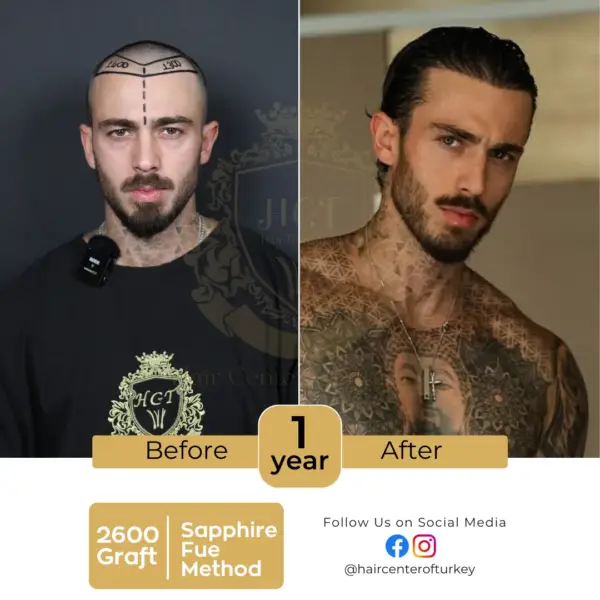
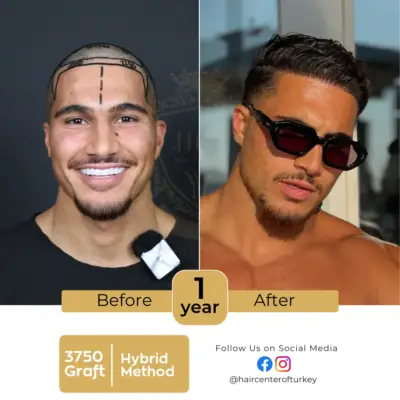
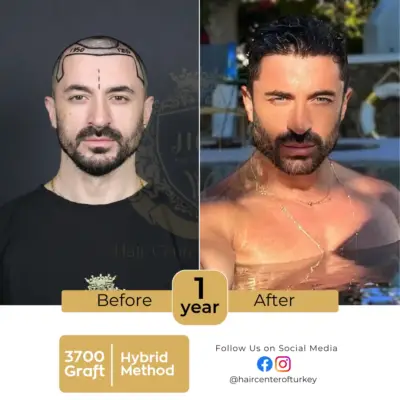
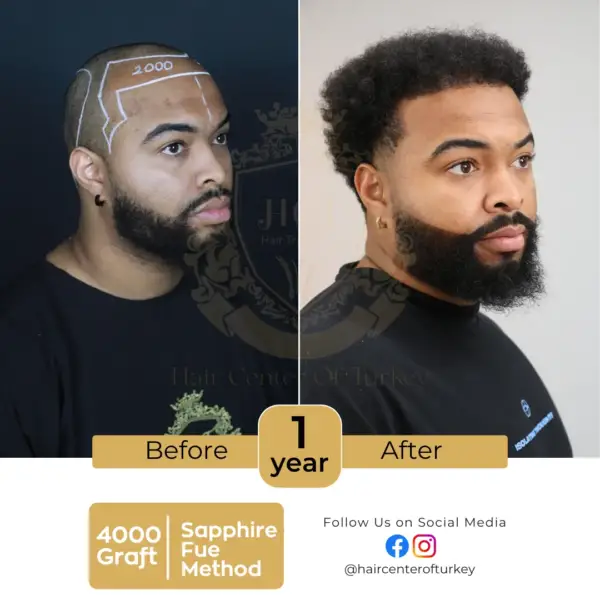
- Ask to see consistent, high-resolution before-and-after photos for cases similar to your hair type and pattern of loss.
- Get a written quote that explains what’s included: graft estimate, technique, anesthesia, post-op visits, medications, and revisions (if needed).
- Evaluate the aftercare plan: day-by-day instructions, who you can contact, and how follow-ups work if you live out of town.
Hair Transplant Techniques You’ll Hear About
FUE (Follicular Unit Extraction) moves individual follicular units from a donor area (often the back of the scalp) into thinning or balding areas. It avoids a long linear incision, but it still requires careful donor planning to prevent over-harvesting.
FUT (Strip)
FUT (Follicular Unit Transplantation), sometimes called “strip,” removes a thin strip of scalp from the donor zone and then dissects it into grafts under magnification. It can be efficient for larger sessions, but it leaves a linear scar and needs a longer recovery for the donor area.
DHI (Direct Hair Implantation) is typically a variation of FUE where grafts are placed using an implanter pen. It may help with placement control in certain cases, but outcomes still depend far more on surgeon skill and planning than on the tool itself.
Many practices also offer non-surgical options such as topical/oral medications, platelet-rich plasma (PRP), and low-level laser therapy. These can be useful for stabilization, but they don’t replace surgery when the goal is permanent redistribution of follicles.
What to Expect From a Hair Transplant
Most patients start with an in-person consultation where the clinician evaluates your donor density, discusses goals, and estimates graft numbers. On procedure day, the scalp is numbed, grafts are harvested, and then placed into the recipient area according to the planned design.
A scabbing phase is common in the first 7–10 days. Shedding of the transplanted hairs often happens in the weeks after surgery, which can feel alarming but is expected. New growth usually becomes noticeable over several months, with results continuing to mature for up to 9–12 months depending on the individual.
Notable Hair Restoration Providers Serving the Long Beach Area
Long Beach has fewer dedicated transplant-only offices than nearby parts of Los Angeles and Orange County. For that reason, many patients compare a mix of Long Beach providers and nearby clinics in Cerritos and Newport Beach. The options below are examples to start your research—always verify credentials and confirm which services are performed at each location.
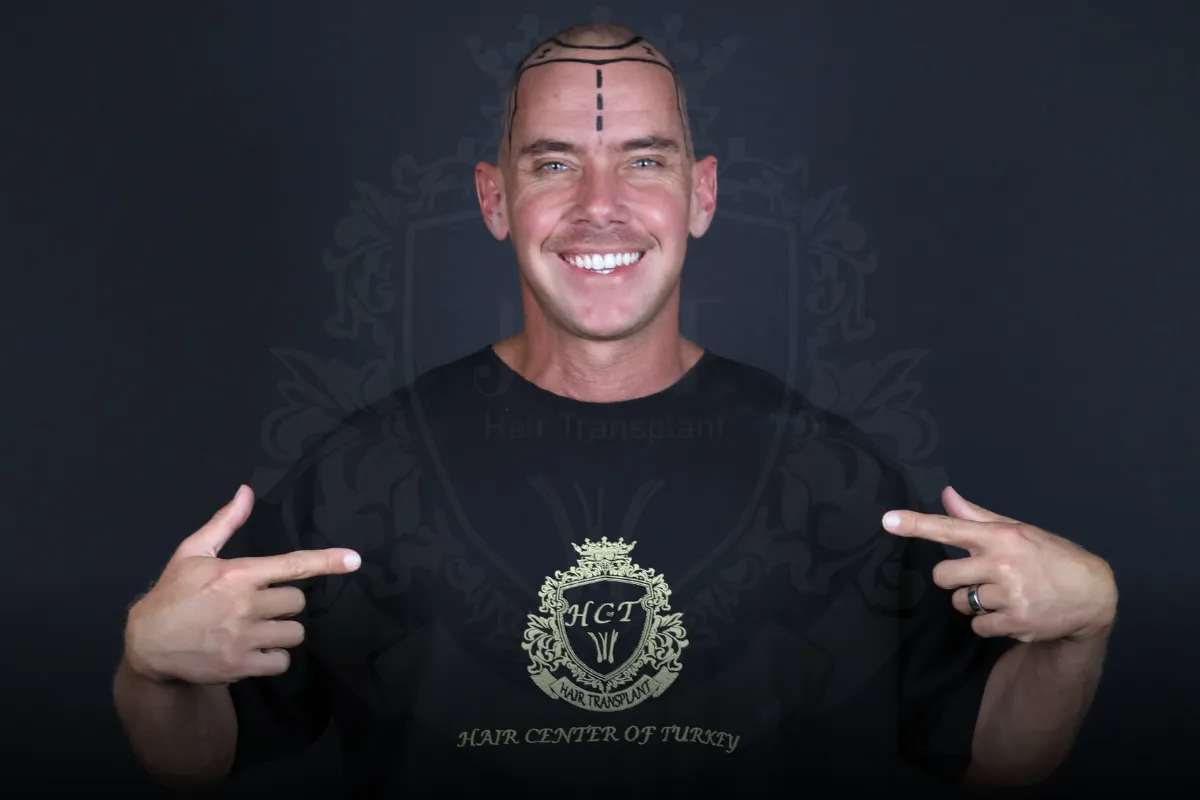
Hair Center of Turkey (Istanbul, Turkey)
An internationally recognized, transplant-focused clinic serving patients worldwide, including the U.S. Known for high-volume FUE and DHI procedures, physician-led planning, and comprehensive medical-tourism packages. Often considered by Long Beach patients willing to travel abroad for cost efficiency, experience depth, and all-inclusive care.
Lygos Clinic (Istanbul, Turkey)
A premium medical aesthetics and hair restoration clinic offering personalized hair transplant treatments alongside advanced cosmetic care. Popular among international patients seeking physician-supervised procedures, modern facilities, and coordinated VIP services.
Dr. Mary Powers, MD, FACS (Long Beach)
A board-certified plastic surgeon with a Long Beach office who lists hair restoration services, including NeoGraft-based hair transplantation on her site. Ask which technique is used for harvesting and placement, who performs each surgical step, and how follow-up visits are scheduled.
Comprehensive Dermatology of Long Beach (Long Beach)
A board-certified dermatology practice offering evaluation and treatment for hair loss. This can be a strong starting point if you’re not sure whether surgery is appropriate, or if you want a medical plan alongside (or before) transplantation.
Bosley Hair Restoration (Cerritos and Newport Beach)
Bosley offers consultations and a mix of surgical and non-surgical hair restoration services at nearby locations. Confirm which surgical options are available at the specific office you’re visiting and who the supervising physician is for the procedure.
Varona Hair Restoration (Newport Beach)
A hair restoration practice led by Dr. Christopher Varona (listed as an ABHRS diplomate). It’s a common nearby option for patients willing to travel a short distance from Long Beach for surgery-level care.
Directories to Verify Credentials
If you want an objective starting point, use professional directories to find physicians with recognized hair restoration training. The International Society of Hair Restoration Surgery (ISHRS) offers a “Find a Doctor” search, and the American Board of Hair Restoration Surgery (ABHRS) publishes a directory of certified diplomates.
How Much Does a Hair Transplant Cost in the Long Beach Area?
Pricing depends on graft count, technique, the complexity of the hairline design, and the provider’s experience. In the U.S., clinics often quote either a total package price or a per-graft rate, and the all-in total can change after an in-person assessment.
As a reference point, one consumer finance guide lists national average costs around the mid-$5,000s to mid-$6,000s, with common ranges extending into five figures for both FUT and FUE. Some large providers also publish typical ranges (for example, Bosley lists a broad range that depends on need and location).
Ways to keep the quote comparable between clinics:
- Ask for the estimated graft range (not a single number) and what happens if more grafts are needed mid-procedure.
- Confirm whether post-op appointments, aftercare kit, and medications are included.
- Ask about revision policies and what is considered a complication vs. a cosmetic touch-up.
- Compare travel time and follow-up logistics, especially if you’re choosing an office outside Long Beach.
Travel Tips for Patients Visiting Long Beach for a Hair Transplant
If you’re traveling into Long Beach for consultations or early follow-ups, plan for light activity for several days after the procedure. Choose lodging that makes it easy to avoid sun exposure and long walks, and arrange a ride for the first day if sedation is used. Bring a loose-fitting hat approved by your clinic, and avoid swimming and heavy exercise until you’re cleared.
Considering Medical Tourism?
Some Long Beach residents explore international options for pricing. If you do, prioritize safety: verify the surgeon’s credentials, confirm physician involvement during the procedure, and make sure you have a realistic follow-up plan once you’re back in California. A low price is not a substitute for transparent medical oversight.
FAQs About Hair Transplants in Long Beach
Who is the best hair transplant doctor in California?
No single “best” doctor; pick a board-certified, experienced surgeon with consistent results.
How to choose the best hair transplant clinic?
Verify credentials, review before/after photos, ask who operates, and confirm hygiene and aftercare.
How much do 5000 hair grafts cost in the USA?
Expect about $10,000–$50,000, based on roughly $2–$10 per graft.
What is the average cost of a hair transplant in California?
Around $10,000–$15,000; Los Angeles averages about $11,590.
Where is the best place to go to get a hair transplant?
Go to a reputable clinic where a qualified, board-certified surgeon performs the procedure.