






What Are the Best Hair Transplant Clinics in Detroit?
The “best” hair transplant clinic in Detroit is the one that matches your hair-loss pattern, has a physician-led team, shows consistent natural results on patients with your hair type, and gives a clear graft estimate with aftercare you can follow. In Metro Detroit, you’ll find established options in Troy, Birmingham, Dearborn, Novi, and Farmington Hills.
Detroit has a strong medical community, and the metro area has several hair restoration practices offering modern techniques such as FUE (Follicular Unit Extraction) and, in select cases, FUT (strip surgery).
Because results depend on planning, surgical skill, and aftercare, the goal isn’t to pick a name from a list—it’s to choose a clinic that can demonstrate safe, repeatable outcomes for someone like you.
Table of Contents
Hair Transplants In Detroit: What Makes A Clinic “Best”?
Look for evidence, not marketing. During research and consultations, these factors usually matter most:
⦁ Surgeon involvement: Ask who designs the hairline, makes recipient sites, and supervises extraction and placement.
⦁ Credentials and training: Board certification and hair-restoration-specific experience (check ABHRS/ISHRS membership where applicable).
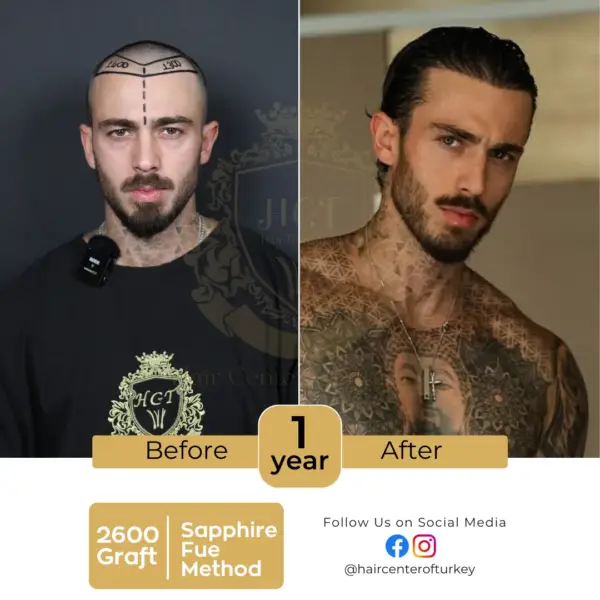
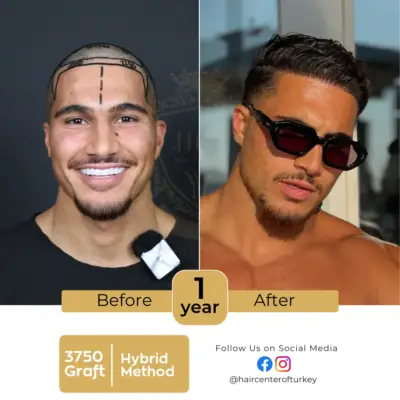
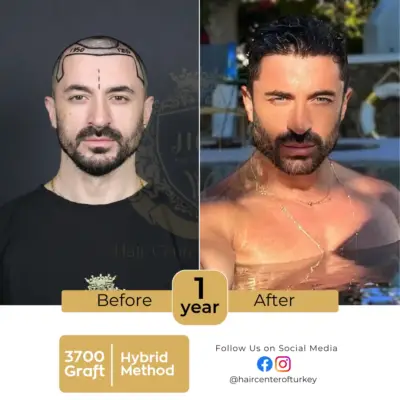
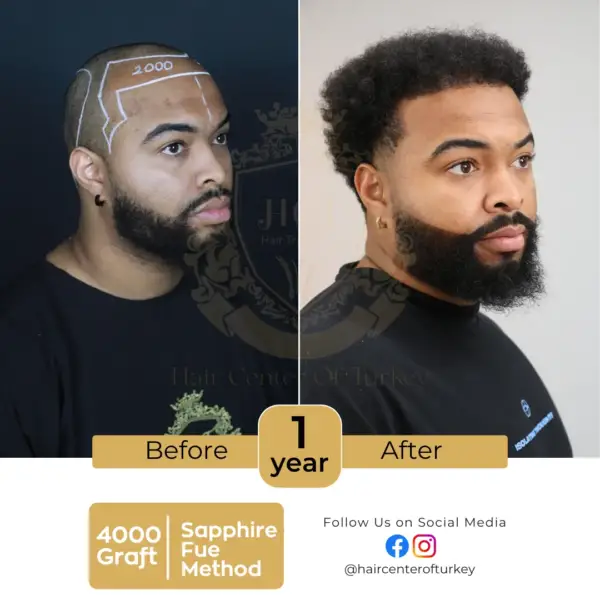
⦁ Before-and-after galleries: Consistent photos with similar lighting, angles, and cases close to your hair type and hairline goals.
⦁ Transparent graft planning: A range is normal, but the clinic should explain how they estimated grafts and density.
⦁ Safety and follow-up: Clear post-op instructions, a realistic timeline, and an easy way to reach the team after surgery.
⦁ Patient reviews you can interpret: Look for patterns about communication, cleanliness, pain control, and aftercare—not just star ratings.
Best Hair Transplant Clinics In Metro Detroit
These are well-known options in the Detroit area to consider researching. Availability, techniques, and providers can change, so confirm details directly with the clinic.
Hair Center of Turkey (Istanbul, Turkey)
Hair Center of Turkey is an internationally recognized hair transplant clinic frequently chosen by patients from the U.S., Europe, and Canada, including those traveling from Metro Detroit. The clinic is known for surgeon-led planning, high-volume FUE and DHI procedures, and an all-inclusive medical travel experience.
Patients typically travel for advanced graft planning, experienced medical teams, and cost transparency. If you’re comparing international options, ask about surgeon involvement, donor management strategy, and long-term follow-up protocols after returning home.
Lygos Clinic (Istanbul, Turkey)
Lygos Clinic positions itself as a premium boutique hair restoration clinic, focusing on natural hairline design, personalized density planning, and modern FUE/DHI techniques. It attracts patients who want a more tailored, low-volume experience rather than a factory-style setup.
When evaluating Lygos Clinic, discuss hairline philosophy, graft survival rates, medical supervision during extraction and implantation, and how post-op communication is handled for international patients.
Bosley Hair Restoration & Transplant (Troy, MI)
Bosley is a national hair restoration network with a Metro Detroit presence in Troy. It’s a structured option for patients who want a standardized consultation process and access to a larger organization.
Ask who the operating physician will be on your procedure day, what technique they recommend for your pattern (FUE vs FUT), and how post-op follow-up is handled if you travel from out of town.
Hair Restoration Detroit (Dearborn, MI)
Hair Restoration Detroit is a Dearborn-based practice that highlights NeoGraft®-assisted FUE and frames itself as a dedicated hair restoration provider in Southeast Michigan.
If you’re comparing options, confirm whether extraction and site creation are physician-led, how donor management is planned, and what the clinic’s approach is for conservative, age-appropriate hairlines.
Shear Pointe Hair Restoration Center (Birmingham, MI)
Shear Pointe is a long-running Detroit-area hair restoration center in Birmingham that offers both surgical and non-surgical solutions. It can be a useful starting point if you want to discuss a full plan that includes medical therapy, camouflage options, and surgery when appropriate.
Clarify which hair transplant methods are offered, who performs each step, and how the clinic supports patients during the shedding phase and the first year of growth.
Venus Hair Restoration (Farmington Hills, MI)
Venus Hair Restoration promotes manual FUE and positions itself as a Michigan-based clinic for patients who want high-graft sessions without traveling abroad.
Discuss candidacy, donor capacity, realistic density, and whether the team’s plan includes long-term stabilization (for example, medical therapy) so the transplant blends naturally as you age.
RESTORE Hair Transplants (Novi, MI)
RESTORE is a hair transplant provider with a Novi location that advertises FUE and “no-shave” options. This may appeal to patients who need a faster return to work or prefer less visible early healing.
Ask what “no-shave” means in your case, how graft survival is protected, and what your total procedure cost includes (consultation, surgery day, medications, follow-ups).
Michigan Hair Restoration (Sterling Heights / West Bloomfield, MI)
Michigan Hair Restoration is a local provider that promotes surgical and non-surgical hair restoration options, including NeoGraft and PRP-style regenerative treatments.
If you’re considering add-on therapies, ask what evidence supports the recommendation for your diagnosis and how outcomes will be tracked over time.
What To Expect During A Hair Transplant In Detroit
Most clinics start with a consultation where your hair loss is assessed, your donor area is evaluated, and the team estimates how many grafts you may need. Bring photos of your preferred hairline density and ask for a conservative plan that will still look natural in 10–15 years.
On procedure day, the scalp is numbed with local anesthesia. With FUE, follicles are harvested one by one from the donor zone and placed into recipient sites designed to match your natural direction and density.
After surgery, expect redness and small scabs for about a week. Many patients see temporary shedding in the first month, then new growth typically starts around the 3–4 month mark, with fuller cosmetic results commonly seen between 9–12 months.
How Much Does A Hair Transplant Cost In Detroit?
Pricing depends mostly on graft count, technique, and the clinic’s staffing model. Some practices quote a total package price, while others price per graft.
For Metro Detroit, many patients report total costs landing in the mid-to-high four figures or low five figures for standard cases. Your personal quote may be higher if you need more grafts, multiple sessions, or combined procedures.
During consultation, ask for a written estimate that lists what’s included (pre-op testing, medications, post-op visits, and any aftercare products).
| Cost Driver | What To Ask |
| Graft count and density goals | How many grafts are planned, and how was the number estimated? |
| Technique (FUE vs FUT) | Why is this technique better for my donor and hair loss pattern? |
| Who performs key steps | Which steps are done by the physician vs technicians? |
| Follow-up and revisions | What follow-up is included, and what happens if growth is below expectations? |
Choosing Between FUE, DHI, And FUT In Detroit
FUE
FUE is the most common modern approach in the Detroit area because it avoids a linear scar. It’s often a good fit for patients who want short hairstyles and prefer a faster early healing phase.
FUT
FUT (strip surgery) can make sense for some patients with significant hair loss who need a large number of grafts and have a suitable donor area. The trade-off is a linear scar, which may limit very short haircuts.
DHI
DHI is often used as a shorthand for implanter-pen placement. Some clinics offer similar implantation methods, but availability varies. If a clinic recommends DHI, ask how it changes graft handling, density planning, and overall cost in your specific case.
Travel Tips For Patients Visiting Detroit For A Hair Transplant
If you’re traveling into Detroit, plan to stay at least a few days so you can attend the immediate post-op check and travel home more comfortably. Choose lodging close to the clinic to reduce driving, and pack loose-fitting button-up shirts so you don’t disturb grafts when changing clothes.
Avoid heavy workouts, swimming, and sun exposure during early healing, and follow the clinic’s washing instructions closely. If you’re driving, consider having someone else take the wheel after a long procedure day.
If You’re Willing To Travel: Clinics Outside Detroit Some Patients Consider
Some Detroit-area patients compare local surgery to medical tourism, most commonly to Istanbul, Turkey. Lower package pricing can be appealing, but travel, continuity of care, and who performs the surgery should be evaluated carefully.
Hair Center of Turkey (Istanbul, Turkey)
Hair Center of Turkey is an Istanbul-based clinic that markets all-inclusive packages and high-volume experience. If you explore this route, confirm physician participation, infection control standards, and how follow-up is handled once you’re back in Michigan.
Lygos Clinic (Istanbul, Turkey)
Lygos Clinic is another Istanbul-based option that highlights natural-looking results and patient support. Ask for detailed graft planning, who performs extraction and site creation, and a written plan for managing any post-op issues after you return home.
FAQs About Hair Transplants In Detroit
How much does a hair transplant cost in Detroit?
Detroit hair transplants usually cost $8,000–$17,000, depending on grafts and technique.
Are hair transplants better in the US or Turkey?
Neither is always better; outcomes depend on surgeon skill, safety, and aftercare.
What is the best age for a hair transplant?
Late 20s to 40s is common, once hair loss has stabilized.
How to pick the best hair transplant doctor?
Choose a board-certified hair-restoration surgeon with consistent photos, physician-led steps, and follow-up.
What’s the best country to get a hair transplant?
Turkey is the top destination for value, but clinic quality varies widely.