


Things To Do After Hair Transplant: A Practical Recovery Guide for Better Results
A hair transplant does not really end when you leave the clinic. In many ways, that is when the result starts depending on you. The first days and weeks after surgery shape how comfortably you heal and how safely your grafts settle in. That is why so many patients search for things to do after hair transplant instead of focusing only on the procedure itself. They want to know what actually matters once the operation is over. That is the right question to ask, because early aftercare is not a side detail. It is part of the treatment.
The good news is that hair transplant recovery is usually manageable when patients follow instructions carefully. The bad news is that small mistakes can create unnecessary stress. Sleeping flat too early, rubbing the grafted area, returning to sweaty workouts too soon, or treating the scalp like it is already “back to normal” can all make recovery rougher than it needs to be. A successful result is not only about the surgeon’s skill. It is also about how seriously the patient takes the healing period.
Table of Contents
What should you do immediately after a hair transplant?
The first thing you should do is slow down. Many patients feel relieved after surgery and assume the hard part is over. In reality, the earliest phase is the most delicate. Your scalp is sensitive, swelling may appear, and the grafts are still settling. This is not the moment to test your routine, your gym discipline, or your tolerance for “just a quick outing.” It is the moment to rest, protect the area, and do exactly what your clinic tells you to do.
It also helps to adjust your expectations immediately. In the beginning, the scalp can look red, marked, or slightly swollen, and that alone can make some patients nervous. But early appearance is not the result. It is just the recovery phase. The first few weeks are not a fair time to judge the outcome. Patients who understand that timeline usually stay calmer and interfere less with their own healing.
How should you wash your hair after a hair transplant?
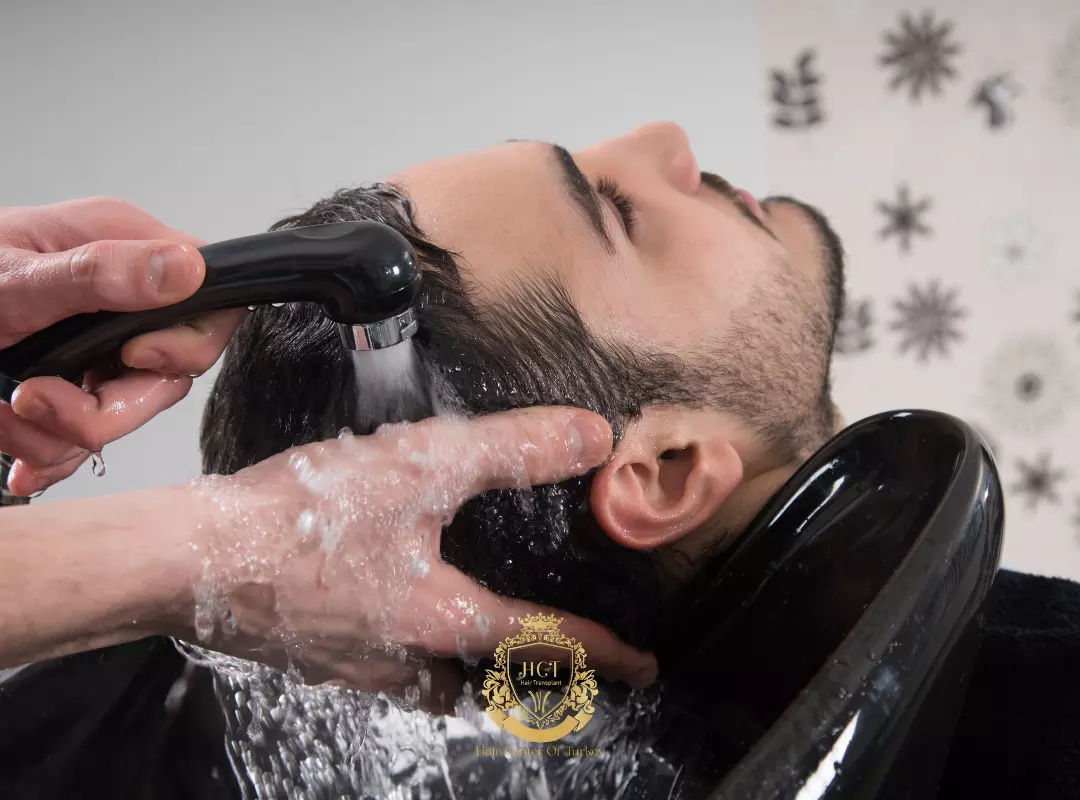
This is one of the most important parts of after hair transplant care, and it is also one of the biggest sources of anxiety. The simple rule is that early washing is not normal washing. It is protective washing. The scalp has to be handled gently, without rubbing, scratching, strong pressure, or impatient attempts to “clean it properly.”
That is why smart patients stop improvising. They do not try random internet tricks, and they do not assume that what worked for someone else online should replace clinic instructions. If your surgeon gave you a wash routine, follow that routine. In the early stage, gentleness matters more than enthusiasm. Crusting and scabbing can be part of normal healing, and trying to force the scalp back to a smooth appearance too quickly usually creates more worry than benefit.
Which things should you do in the first 7 days?
- Rest more than usual and keep the first few days quiet rather than socially busy.
- Sleep with your head elevated if your clinic recommends it, because this can help with swelling and reduce unnecessary pressure on the treated area.
- Use only the medications, sprays, lotions, or shampoos your clinic recommends.
- Wash only in the gentle way your clinic has shown you.
- Stay hydrated and eat simple, nutrient-dense meals.
- Keep your clothing loose and easy to remove so you do not scrape the scalp while changing.
- Contact the clinic if something feels clearly wrong instead of trying to self-diagnose from social media.
When can you go back to work, exercise, and normal life?
That depends on what “normal life” means for you. A desk-based routine is not the same as physical work, outdoor work, or heavy training. Many patients can go back to lighter routines fairly soon, but that does not mean the scalp is ready for everything. The real issue is how much strain, sweat, heat, or friction your head is likely to face if you jump back in too quickly.
Exercise deserves particular caution. A patient may feel “fine” after a few days and still not be in the best position to lift, run, or do anything that heavily increases sweating and blood flow to the scalp. Hair transplant recovery usually goes better when patients respect the healing process instead of trying to prove they are already back to full speed.
Why does sleep matter so much after a hair transplant?
Because healing does not stop at night. During the first nights, the issue is not only comfort but protection. Pressure, friction, or awkward sleeping posture can make patients anxious and can irritate a scalp that is still settling down. That is why many clinics recommend a more careful sleeping position in the first phase.
There is also a broader recovery reason. Patients who sleep badly, move too much, or turn the first week into a stressful routine often feel worse emotionally even when everything is technically healing normally. Good recovery is not only physical. It is psychological too. A calm sleep setup, a clean pillow arrangement, and a little planning can make the first week much easier.
What should you eat and drink after a hair transplant?
You do not need a dramatic “hair transplant diet,” but you do need to support healing. That means drinking enough water, eating regular meals, and not turning the first week into a junk-food-and-coffee routine just because the surgery is already behind you.
This is also a good time to keep things simple. Balanced meals, enough fluids, and avoiding habits that make healing harder are usually more useful than chasing miracle supplements. Recovery after surgery is rarely improved by trendy internet solutions. It is usually improved by doing the boring things consistently: hydration, reasonable food, enough rest, and compliance with medications or products actually recommended by the clinic.
What should you avoid after a hair transplant?
- Do not touch, scratch, rub, or pick at the grafted area in the early phase.
- Do not rush back into intense exercise or anything that causes heavy sweating before the clinic clears you.
- Do not assume washing should feel normal right away. Early washing should be gentle and controlled.
- Do not compare your recovery day by day with edited social media posts.
- Do not ignore swelling, unusual drainage, strong pain, or anything that feels clearly off.
- Do not book surgery right before an important event and expect finished results quickly.
What changes are normal during recovery?
Quite a few. Swelling, redness, tenderness, scabbing, and later temporary shedding can all happen during a normal hair transplant recovery. For many first-time patients, that “worse before better” stage is emotionally harder than the procedure itself.
That is why patience is not just a nice mindset. It is part of the treatment plan. If you judge your transplant too soon, you will almost always judge it badly. The mirror is not very honest in the first weeks. The timeline is. Real results are measured in months, not days.
Why do so many patients choose Turkey for a hair transplant and aftercare support?
For many international patients, the attraction of hair transplant in Turkey is not only the procedure itself. It is the structure around it. Turkey has built a strong international treatment ecosystem, and that makes the entire process easier to understand for people traveling from abroad.
That matters because aftercare is easier when the whole journey feels organized. Many patients are not only buying surgery. They are buying a full treatment path that is easier to budget, easier to organize, and easier to understand from the beginning. For patients who want not only a procedure but also a clearer process, Turkey often feels like the more practical choice.
This is one reason Turkey remains so attractive for hair restoration. Clinics are used to international patients, the system is easier to navigate than many people expect, and the treatment journey often feels more complete than a standard local booking process. When the clinic is chosen carefully, that structure can make both the surgery and the recovery journey much easier to manage.
FAQ
What should I do after a hair transplant?
Follow surgeon instructions, keep scalp clean, sleep elevated, take meds, avoid sun.
What not to do after a hair transplant?
Don’t smoke, drink alcohol, scratch/pick scabs, exercise hard, or expose grafts to sun.
How to accelerate hair transplant results?
You can’t speed growth; optimize healing with gentle care, nutrition, and prescribed medications.
How many days should I rest after a hair transplant?
Rest 2–3 days; avoid strenuous activity for 10–14 days.
How secure are grafts after 7 days?
Moderately secure; most become firmly anchored by days 10–14.
What should I avoid 7 days post transplant?
Avoid tight hats, heavy sweating, swimming, and rubbing; keep washing gentle.
Explore the complete guide: Recovery Process After Hair Transplant