






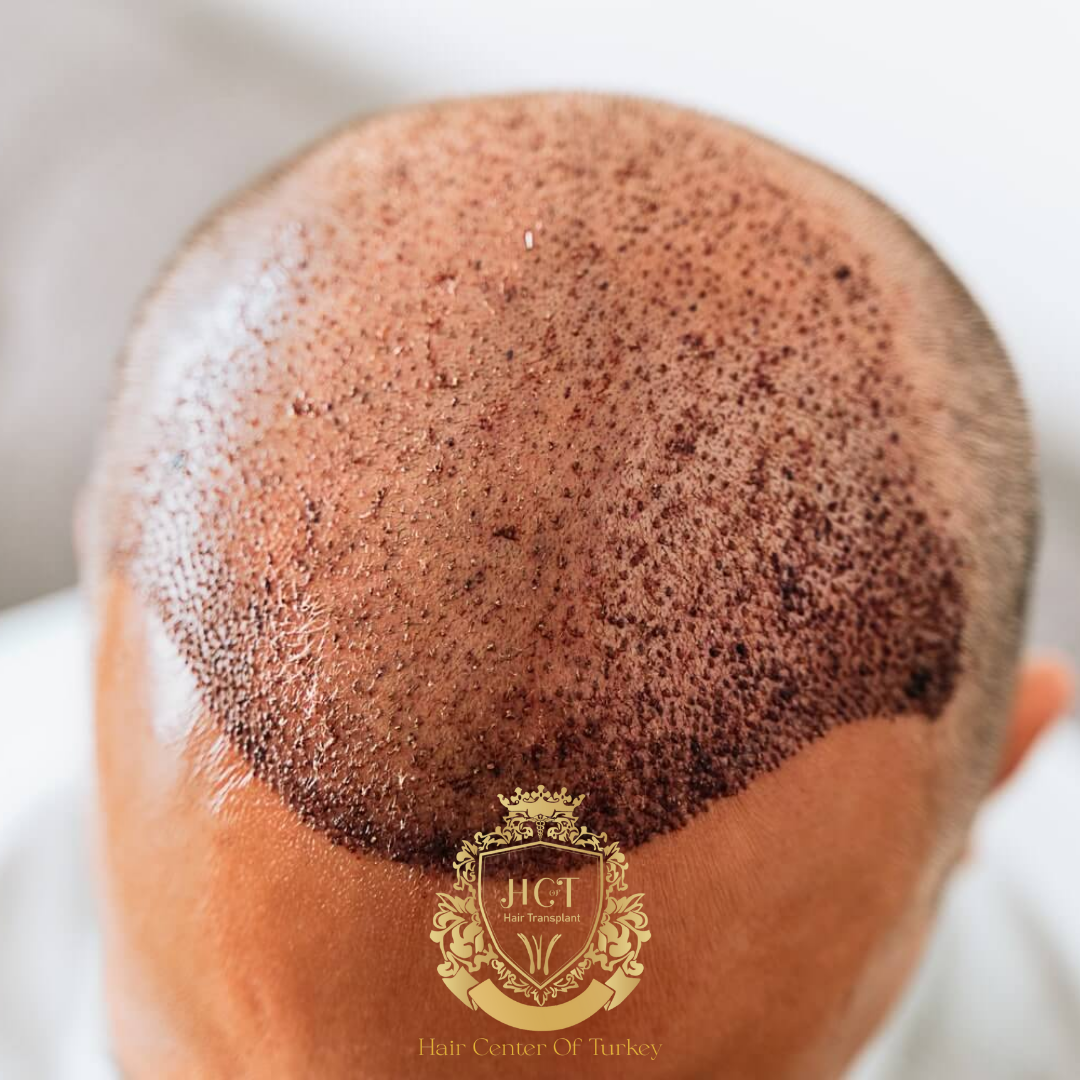
Scalp Necrosis After Hair Transplant
Scalp necrosis after a hair transplant is tissue damage caused by reduced blood supply to part of the scalp. It is uncommon, but it needs fast medical attention because early treatment can limit scarring and protect graft survival. Severe pain, dusky or black skin, or an open wound are key red flags—contact your clinic immediately.
Table of Contents
What Is Scalp Necrosis?
Necrosis means the death of tissue. In hair restoration, it usually refers to a small area of scalp skin that loses its blood supply and starts to break down.
Recipient-site necrosis is considered rare, yet it is one of the most serious complications because it can affect healing and the final cosmetic result.
Why Can Necrosis Happen After A Hair Transplant?
The scalp has a rich network of blood vessels, but certain areas—especially the midline forelock and midscalp—can be more vulnerable if blood flow is stressed during a dense procedure.
Most cases are linked to a combination of surgical technique and patient-related factors that reduce circulation or increase pressure on the skin.
Procedure-Related Factors
- Overly dense graft placement (“dense packing”) that overwhelms local blood supply
- Incisions that are too deep, too large, or repeated in the same zone
- Sites created too close together, leaving little intact tissue between channels
- Excessive use of vasoconstrictive agents (for example, adrenaline/epinephrine) in local anaesthesia in susceptible patients
- Trauma from non-medical or inappropriate instruments, poor sterility, or unmanaged infection
Patient-Related Risk Factors
- Smoking or nicotine use (reduces microcirculation and slows healing)
- Diabetes, vascular disease, or a history of poor wound healing
- Significant sun-damaged (“photodamaged”) scalp skin
- Long-standing baldness with thinner, less elastic scalp tissue
Necrosis Vs Normal Scabbing
Crusting is expected after a hair transplant. Small scabs form around each graft and typically shed during the first couple of weeks with proper washing.
Necrosis is different. The skin becomes progressively darker (dusky, brown, black), may feel numb, and can break down into an open wound. Pain is often out of proportion to what you would expect after surgery.
Early Warning Signs To Watch For
Contact your clinic right away if you notice any of the following in the recipient or donor area:
- Severe, worsening pain that does not respond to the prescribed plan
- Skin that turns grey, purple, dark brown, or black
- A cold, hard, or “leathery” patch of scalp
- An area that starts oozing, breaking down, or forming an ulcer
- Fever, spreading redness, or foul-smelling discharge (possible infection)
How Scalp Necrosis Is Treated
Treatment depends on how early the problem is detected and how large the affected area is. The priority is to restore oxygenation to the tissue, prevent infection, and support healthy wound healing.
Your surgeon may recommend frequent wound checks, gentle cleansing, dressings, and medication when appropriate. Antibiotics are used when infection is suspected.
Some clinics use topical vasodilators such as nitroglycerin for “impending” necrosis under close medical supervision. In selected cases, hyperbaric oxygen therapy has been reported as an adjunct to improve tissue oxygenation.
When tissue has already died, debridement (removal of dead tissue) may be required. Once the area is fully healed and stable, revision options can be discussed, including secondary grafting in carefully selected cases.
How To Reduce Your Risk
A safe plan starts before surgery and continues through the aftercare period. The steps below lower risk for most patients, but they do not replace personalised medical advice.
Before Surgery
- Choose an experienced medical team that plans graft numbers and density based on your scalp characteristics
- Share your full medical history, including diabetes, vascular issues, and any medications or supplements
- Stop smoking and nicotine as early as your surgeon recommends
- Avoid alcohol and recreational drugs around the procedure date
After Surgery
- Follow the washing and aftercare routine exactly as instructed
- Keep the recipient area clean and protected from friction, heat, and direct sun
- Do not scratch or pick scabs
- Report unusual pain or colour changes immediately—early intervention matters
When To Seek Urgent Medical Care
If you develop rapidly increasing pain, spreading redness, fever, blackening skin, or an open wound, treat it as urgent and contact your surgeon or an emergency service the same day.
FAQ
How common is necrosis after a hair transplant?
Very rare—about 0.03–0.1% in modern series.
Does scalp necrosis hurt?
Yes; it often causes severe, persistent pain, sometimes followed by numbness.
Can you reverse necrosis?
No; necrotic tissue can’t be revived, but early ischemia may be treatable.
What are the red flags after hair transplant?
Red flags are severe worsening pain, expanding redness/swelling, pus/fever, or dusky non-blanching skin.
How do you stop necrosis from spreading?
Get urgent medical care; restoring blood flow and debriding dead tissue limits progression.
What causes scalp necrosis?
Reduced scalp blood supply, often worsened by smoking, excess epinephrine, dense packing, tension.
How long does it take for necrosis to go away?
Small areas may heal in 2–3 weeks; larger wounds can take months.
What kills hair grafts?
Drying out, trauma, long out-of-body time, poor blood supply, infection, and smoking.



