





Scalp Infections: Causes, Symptoms, and Treatments
Scalp infections are conditions caused by fungi, bacteria, viruses, or parasites that can trigger itching, redness, scaling, sores, and sometimes hair shedding. Treatment depends on the cause—antifungals for tinea capitis, antibiotics for bacterial folliculitis, antivirals for shingles, and targeted lotions for lice or scabies. Persistent pain, pus, or patchy hair loss warrants a dermatology visit.
What Are Scalp Infections?
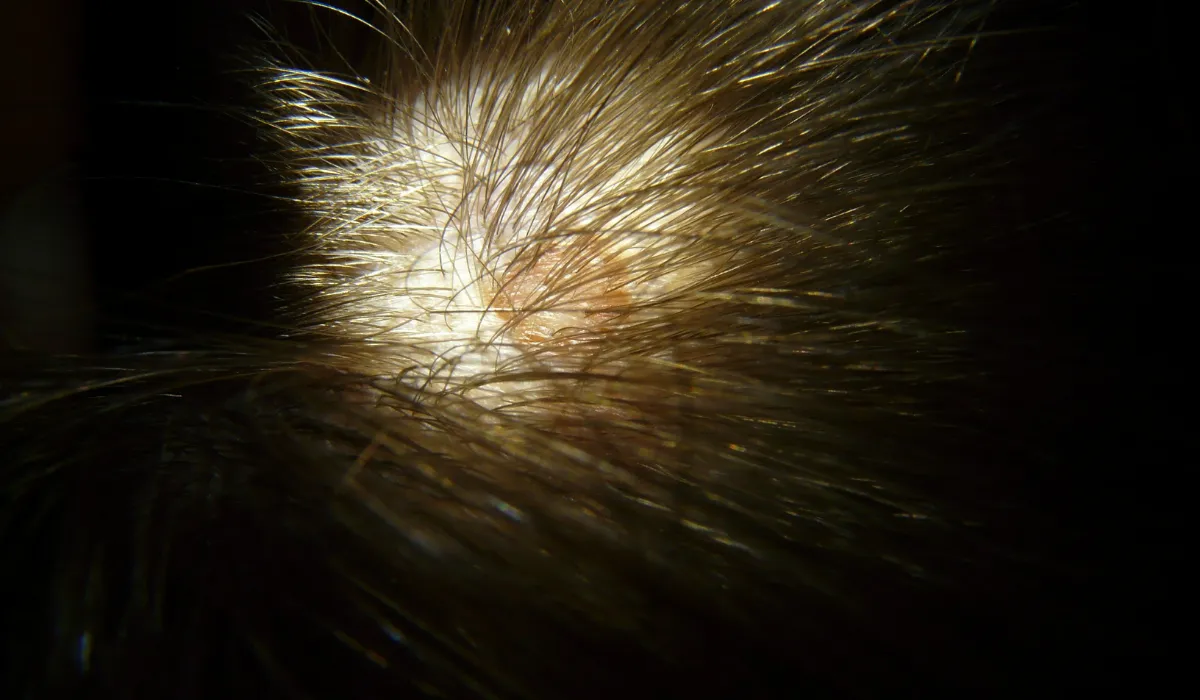
Scalp infections happen when microorganisms or parasites irritate the scalp skin and hair follicles. They range from mild, short-lived flare-ups to problems that need prescription treatment. Because several conditions look similar (for example, dandruff versus fungal infection), a correct diagnosis matters.
Common Causes Of Scalp Infections
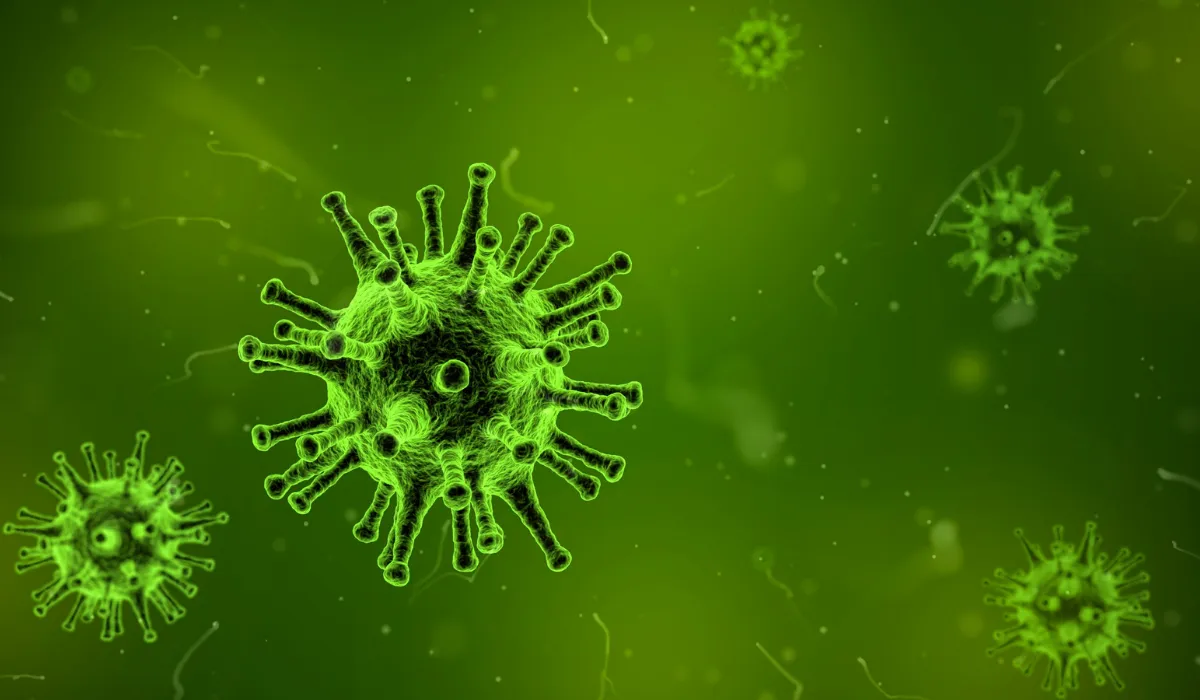
Most scalp infections fall into four groups: fungal, bacterial, viral, or parasitic. Certain triggers—like sweating under hats, scratching, sharing hair tools, or a weakened immune system—can raise the risk.
Fungal infections (tinea capitis and yeast overgrowth)
Ringworm of the scalp (tinea capitis) often causes round, scaly patches, broken hairs, and patchy hair loss. It is contagious and spreads through close contact, shared combs, or contaminated surfaces. Some yeast-related scalp conditions can also cause itching and flaking that mimic dandruff.
Bacterial infections (folliculitis and impetigo)
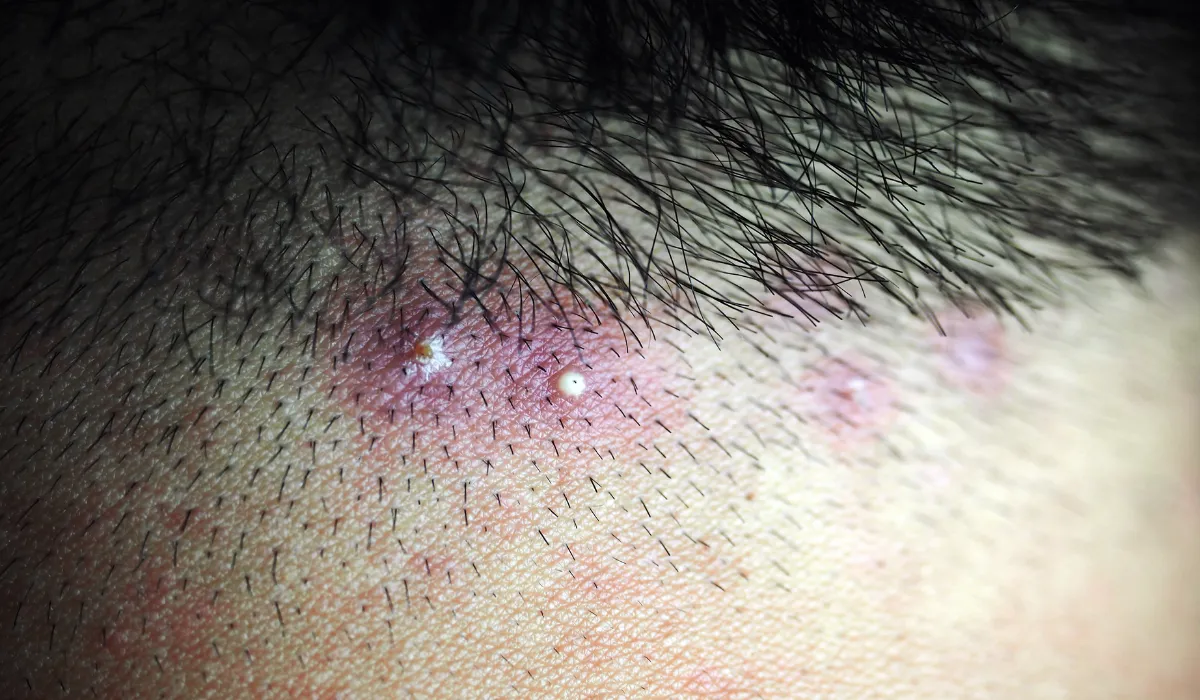
Bacterial folliculitis is an infection or inflammation of the hair follicles, commonly linked to Staphylococcus aureus. It may look like small, tender pimples or pustules and can crust over if scratched. Hot, humid environments, friction, and heavy styling products can make flare-ups more likely.
Viral infections (shingles and herpes-related rashes)
Shingles (herpes zoster) can involve the scalp and typically causes pain, sensitivity, and a blistering rash on one side. Early treatment can shorten symptoms and lower the risk of complications. Other viral rashes can also affect the scalp, especially when immunity is reduced.
Parasitic infestations (head lice and scabies)
Head lice cause intense itching and are spread mainly through head-to-head contact. Scabies is less common on the scalp in healthy adults but may appear in young children or in widespread infestations. Both problems require specific treatments that target the parasite and careful cleaning of personal items.
Irritants and skin conditions that mimic infection
Not every itchy scalp is an infection. Allergic reactions to dyes or styling products, psoriasis, and seborrheic dermatitis can cause redness and scaling that look similar. If symptoms keep returning, it is worth checking whether the trigger is inflammatory rather than infectious.
Symptoms Of Scalp Infections
Symptoms vary by cause and severity. Common signs include:
- Itching, burning, or tenderness
- Redness and swelling
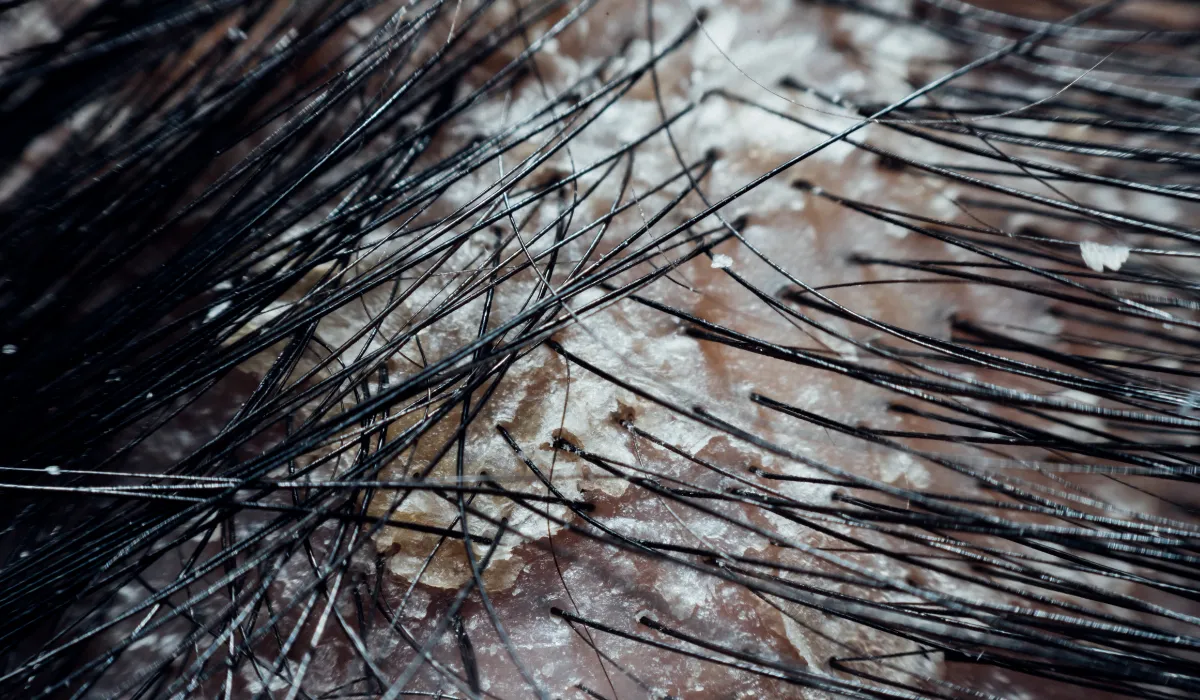
- Scaling, flaking, or crusting
- Pus-filled bumps or painful sores
- Blisters (often seen with shingles)
- Hair shedding, broken hairs, or localized bald patches
If an infection is left untreated, it can lead to scarring, wider spread of the rash, or permanent hair loss in severe cases.
How Scalp Infections Are Diagnosed
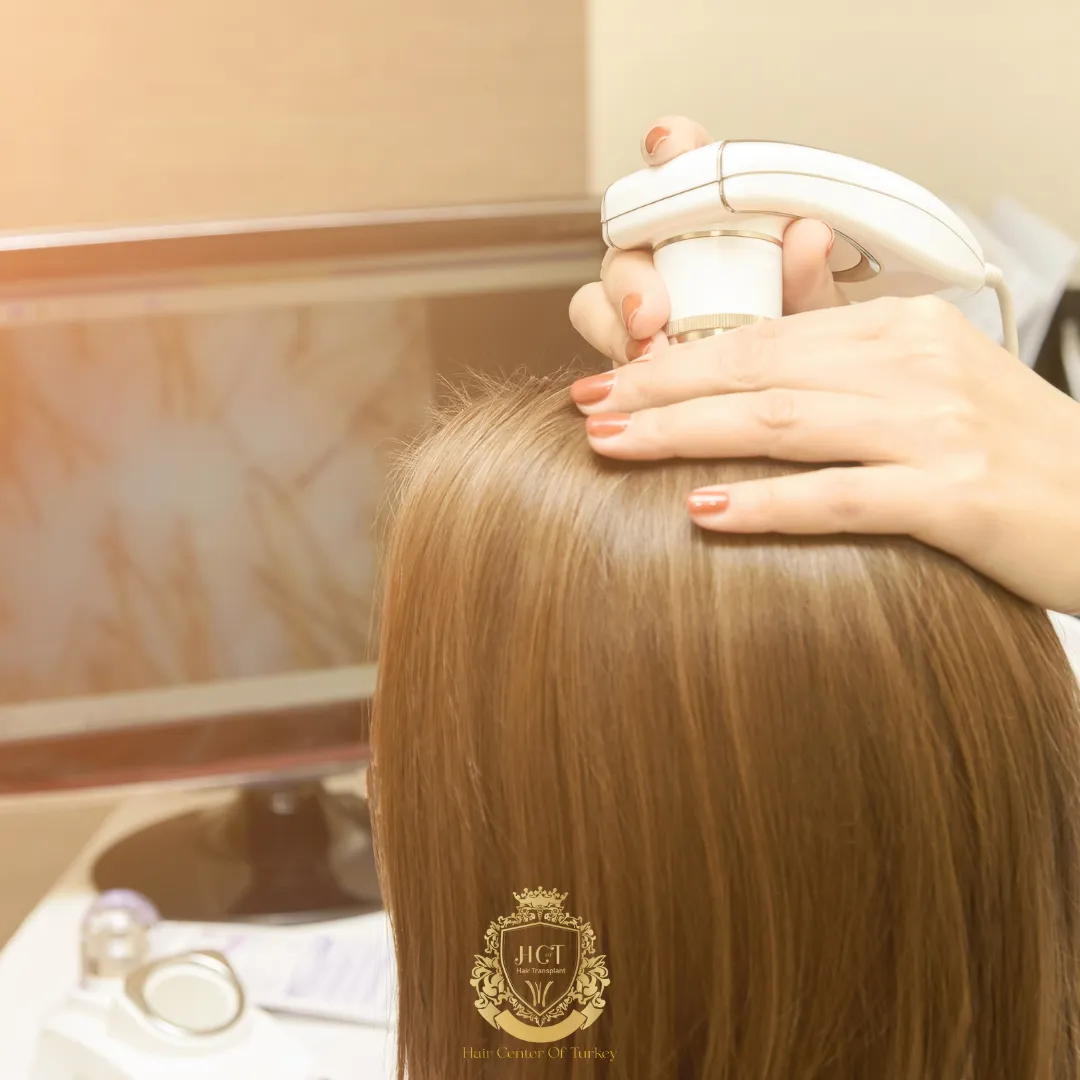
A dermatologist usually starts with a close scalp examination and a symptom history. When the cause is unclear, they may take a hair or skin sample for microscopy or culture. In some cases, the clinician checks for underlying contributors such as diabetes, eczema, or immune suppression.
Treatment Options For Scalp Infections
The right treatment depends on what is driving the problem. Avoid starting multiple products at once, since this can irritate the scalp and blur the diagnosis.
Antifungal treatment
Tinea capitis usually needs oral antifungal medication, often paired with an antifungal shampoo to reduce spread. For yeast-related flaking or mild fungal involvement, medicated shampoos containing ketoconazole or selenium sulfide can help control symptoms. Follow the full course even if itching improves early.
Antibiotics for bacterial infections
Mild bacterial folliculitis may respond to antiseptic washes and topical antibiotics. More widespread, painful, or recurrent cases may require oral antibiotics prescribed by a clinician. Warm compresses can ease discomfort and help lesions drain naturally—avoid squeezing bumps.
Antivirals for shingles
Shingles is treated with antiviral tablets, ideally started as soon as possible after the rash begins. Pain control and gentle scalp care are also important, since scratching can worsen irritation and invite secondary infection.
Treatments for lice and scabies
Head lice are treated with approved lotions or shampoos and careful combing to remove eggs. Most regimens include a repeat treatment about a week later to kill newly hatched lice. Scabies is treated with prescription creams or oral medication, and close contacts may need treatment as well.
Supportive scalp care
Choose a gentle shampoo, avoid heavy oils or harsh styling chemicals during flare-ups, and keep nails trimmed to reduce skin breaks from scratching. If you use medicated shampoos, follow the contact time on the label so the active ingredient can work.

Home Care For Mild Symptoms
Home care can soothe irritation, but it should not replace medical treatment for suspected infection. If you try a home remedy, patch-test first and stop if burning or redness increases.
- Aloe vera gel for soothing mild irritation
- Diluted tea tree oil products (never use essential oils undiluted)
- Cool compresses for itch and tenderness
Skip apple cider vinegar or other acidic products on broken skin, as they can sting and worsen inflammation.

Prevention Tips
Most scalp infections are preventable with consistent hygiene and a few practical habits:
- Wash hair regularly, especially after heavy sweating.
- Avoid sharing combs, brushes, hats, headphones, or pillowcases.
- Clean grooming tools and replace them if they cannot be properly disinfected.
- Dry the scalp well after swimming or intense workouts.
- Treat dandruff and chronic itch early to reduce scratching and skin breaks.
When To See A Dermatologist
Seek professional care if symptoms last longer than 1–2 weeks, keep returning, or are getting worse. Urgent assessment is recommended for severe pain, fever, spreading redness, pus, or rapid patchy hair loss. Children with suspected tinea capitis or anyone with immune system problems should be evaluated promptly.
F.A.Q. (Frequently Asked Questions)
What does a scalp infection look like?
Many scalp infections start with itching and redness, then progress to scaling, crusting, bumps, or blisters. Patchy hair loss and broken hairs are common with tinea capitis, while painful one-sided blistering can suggest shingles.
Can a scalp infection cause hair loss?
Yes. Some infections cause temporary shedding from inflammation, while tinea capitis can lead to broken hairs and bald patches. Severe or untreated infections may scar the scalp and create permanent loss, which is why early treatment matters.
Are scalp infections contagious?
Some are. Tinea capitis and head lice spread through close contact and shared personal items. Bacterial infections are less likely to spread casually, but sharing razors, combs, or towels can increase risk.
Do antifungal shampoos cure tinea capitis?
Shampoos can reduce spread and help with flaking, but tinea capitis usually requires oral antifungal medication to fully clear the infection. A clinician can confirm the diagnosis and choose the best option.
What should I avoid while my scalp is inflamed?
Avoid scratching, tight headwear that traps sweat, harsh dyes or chemical treatments, and heavy oils that can clog follicles. Keep routines simple until the scalp settles.
If you are dealing with recurring scalp irritation, infection-like symptoms, or unexplained shedding, a specialist assessment can help you pinpoint the cause and choose the right treatment plan. Hair Center of Turkey can support patients with scalp and hair health evaluations and tailored care.