





Receding Hairline In Women: Causes, Signs, And What Helps
A receding hairline in women usually shows up as thinning at the temples, a higher-looking forehead, or reduced density along the front hairline. Common triggers include hormonal changes, traction from tight styles, female pattern hair loss, stress-related shedding, and some medical conditions. The right treatment depends on the cause and how early you act.
Table of Contents
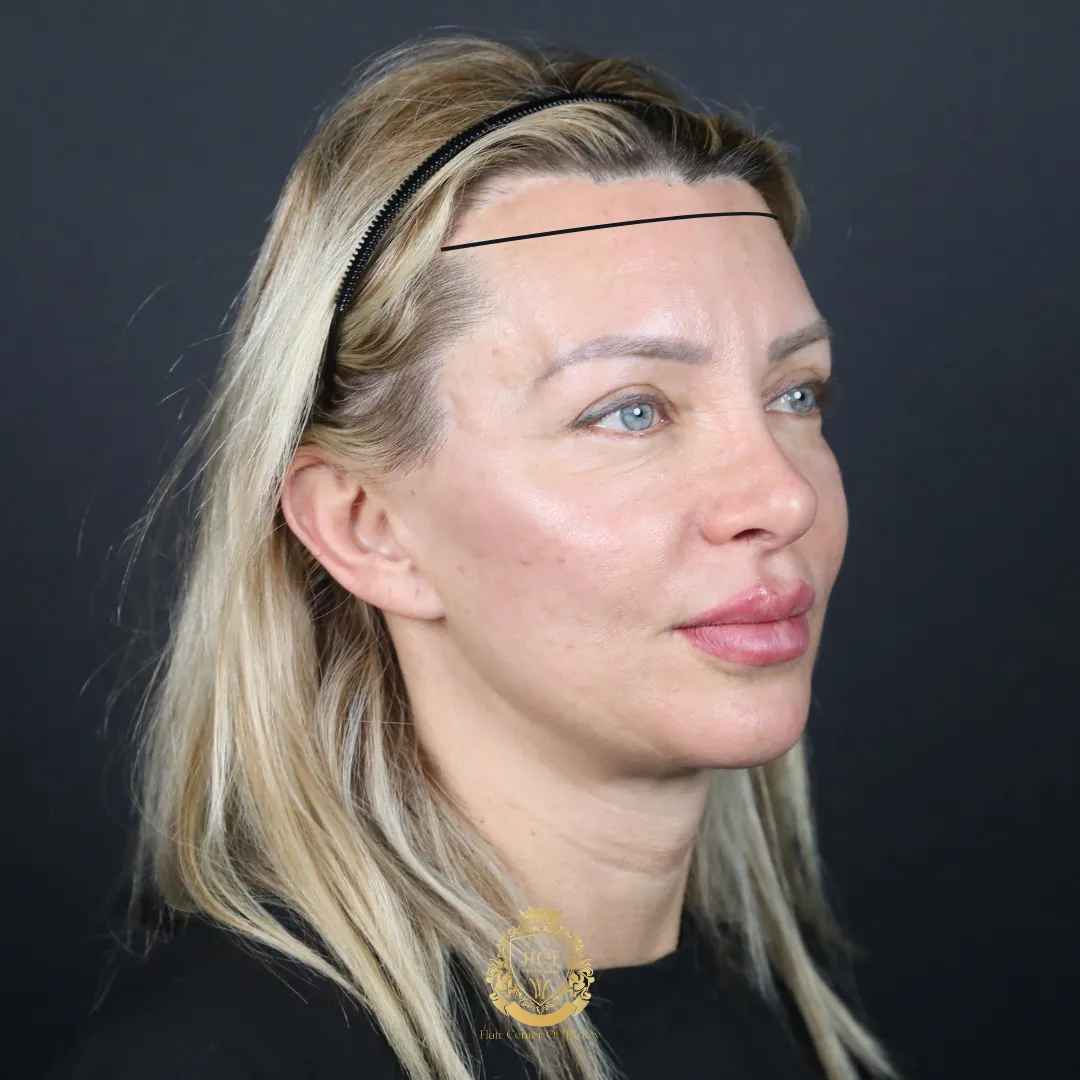
What A Receding Hairline Looks Like In Women
Hairline recession in women can be subtle at first. Many people notice changes in photos before they see them in the mirror.
- Thinning at the temples or “corner” areas
- A wider or higher-looking forehead
- Less density along the front hairline, especially when hair is pulled back
- A widening part that extends forward (often overlaps with female pattern hair loss)
- More breakage around the hairline from heat, chemicals, or friction (can mimic recession)
Common Causes Of A Receding Hairline In Women
Hormonal Changes
Hormones influence the hair growth cycle. Shifts in estrogen and androgens can make hair finer, shorten the growth phase, and increase shedding.
- Perimenopause and menopause
- Postpartum changes (usually temporary shedding a few months after delivery)
- Thyroid disorders (both underactive and overactive thyroid)
- Polycystic ovary syndrome (PCOS) and other androgen-related conditions

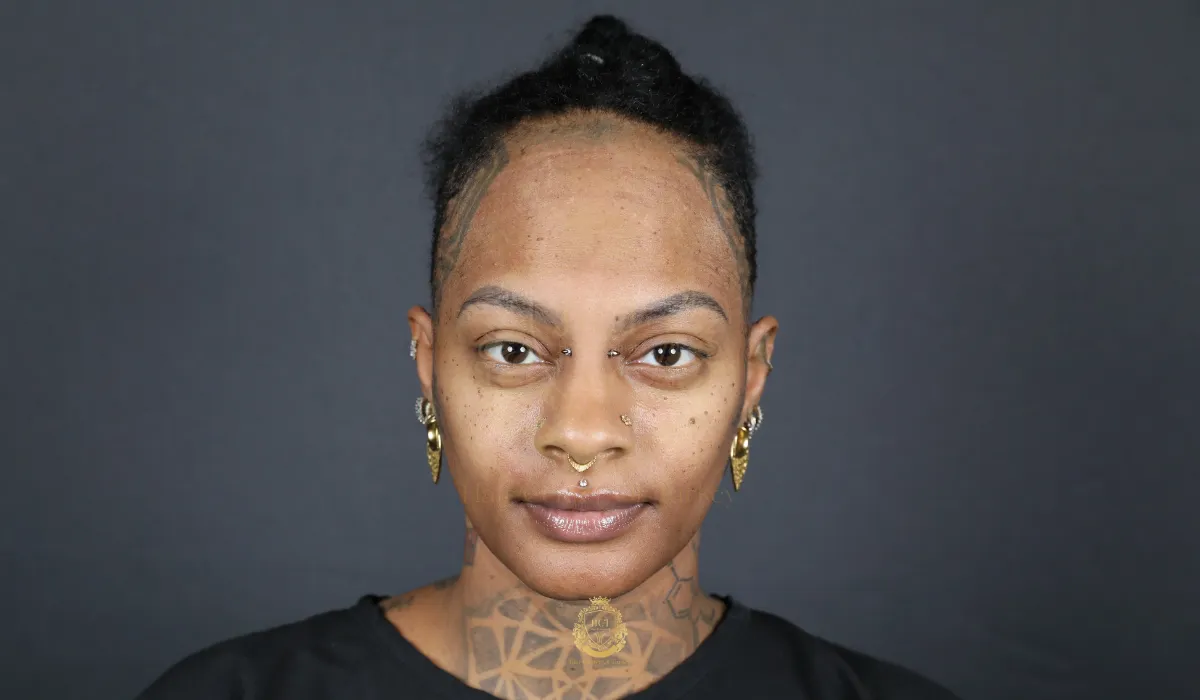
Traction Alopecia From Hairstyling
Repeated pulling on the hairline can inflame and damage follicles over time. Early traction alopecia can improve once the tension stops, but longstanding traction may become permanent.
- Tight ponytails, buns, braids, and weaves
- Heavy extensions or frequent tight headwear
- Regular use of strong gels that encourage slick, tight styles
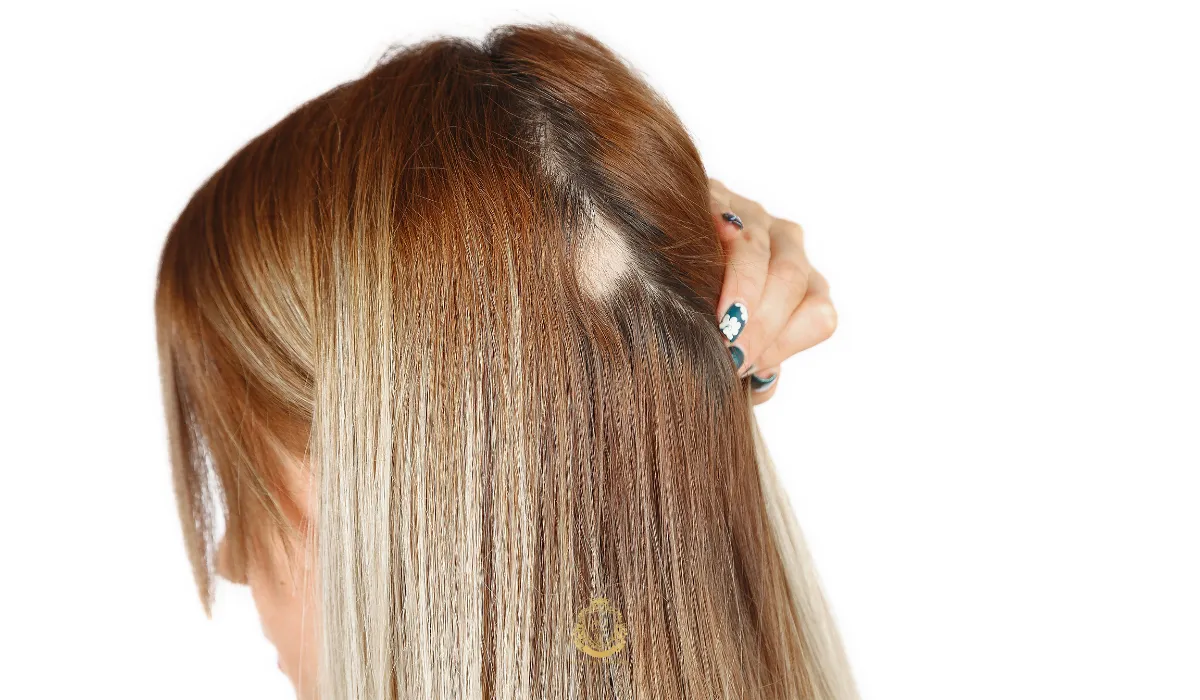
Genetics And Female Pattern Hair Loss
Some women develop gradual thinning that affects the front and top of the scalp, sometimes including the hairline. Family history can raise the likelihood, but it is not the only factor.
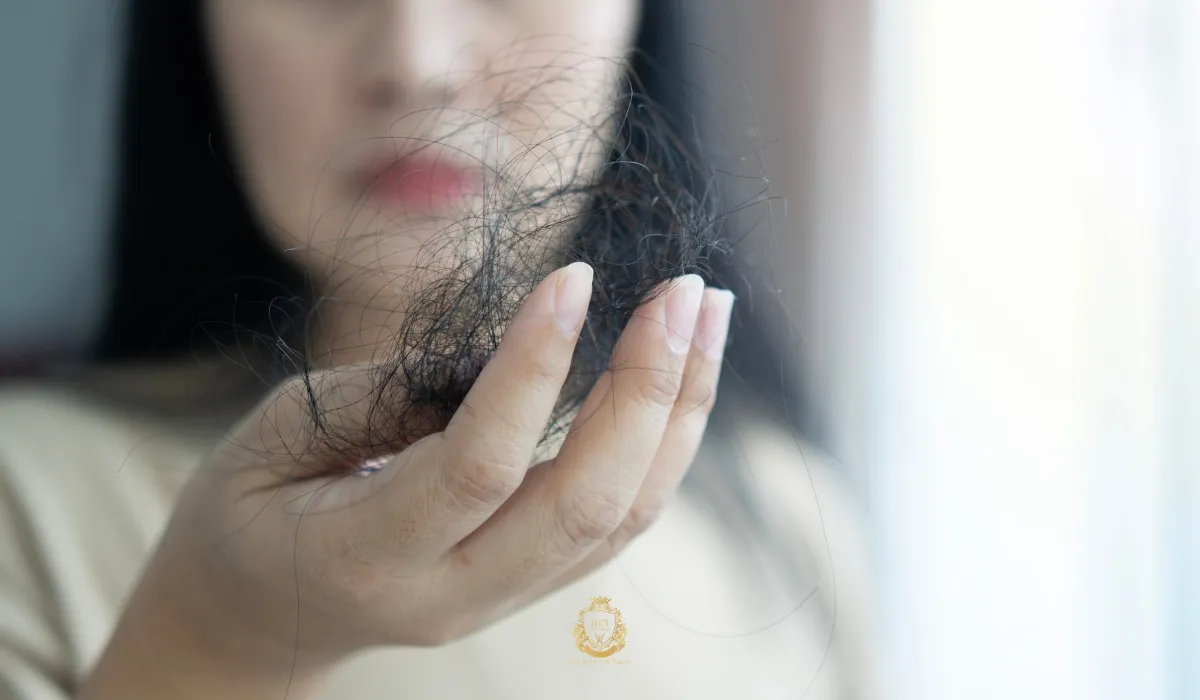
Stress-Related Shedding (Telogen Effluvium)
Major stressors can push more hairs into the shedding phase. People often notice increased hair fall during washing or brushing, followed by reduced density around the hairline and part.
- High psychological stress
- Rapid weight loss or restrictive dieting
- High fever or serious illness
- Surgery or significant life events

Nutrient Deficiencies And Diet Gaps
Low iron stores, low vitamin D, inadequate protein intake, and other nutrition issues can worsen shedding or make hair grow back more slowly. Blood tests can help confirm whether a deficiency is present before supplementing.
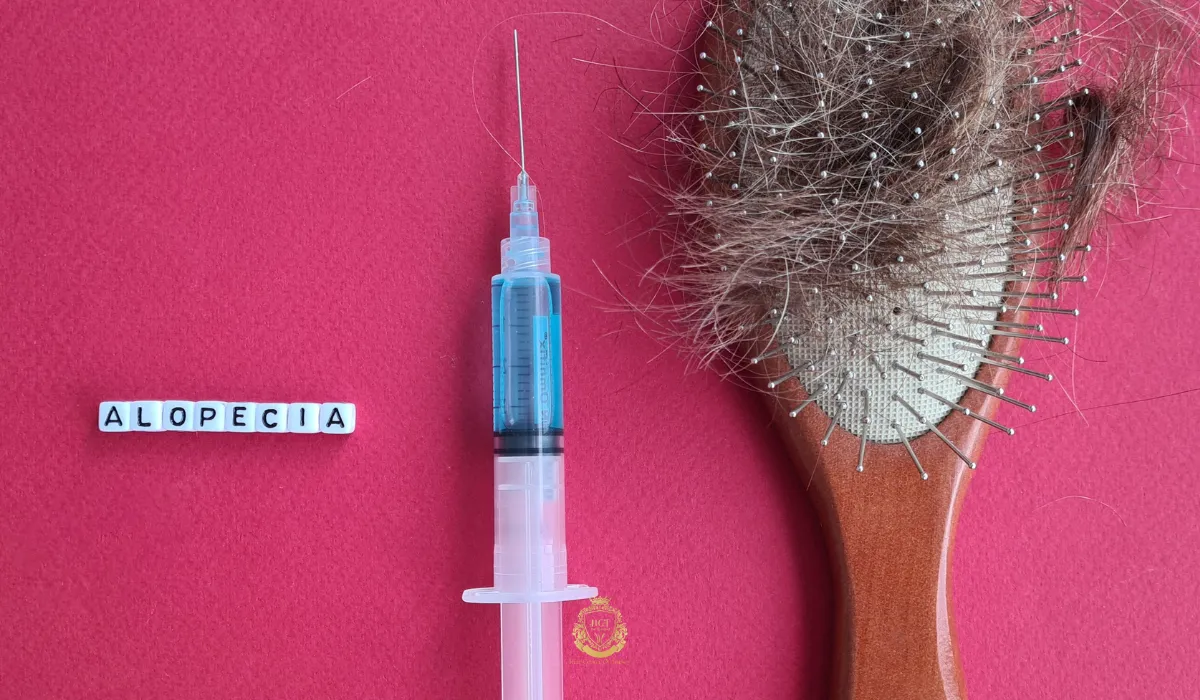
Scalp Conditions And Autoimmune Causes
Some scalp conditions cause inflammation around follicles, which can affect density at the hairline. A few conditions can scar follicles, so early evaluation matters.
- Alopecia areata (patchy hair loss that can involve the hairline)
- Frontal fibrosing alopecia (often includes recession with eyebrow thinning)
- Other inflammatory scalp disorders that cause redness, scaling, burning, or pain
Medications And Hormonal Contraceptive Changes
Hair shedding can sometimes follow medication changes or shifts in hormonal contraception. If timing lines up with a new prescription or a dose change, discuss it with the prescribing clinician rather than stopping abruptly on your own.
When To See A Dermatologist
Consider an assessment if you notice any of the signs below, especially if the change is new or progressing.
- Sudden or heavy shedding lasting more than a few weeks
- Patchy hair loss or smooth bald spots
- Itching, burning, pain, crusting, or scaling on the scalp
- Redness or “shiny” skin along the hairline (possible scarring process)
- Hairline recession along with eyebrow loss or facial hair changes
- Hair loss with fatigue, heavy periods, or other symptoms that could suggest a thyroid or iron issue

How Doctors Diagnose The Cause
A good diagnosis usually combines a medical history with a scalp exam. Depending on the pattern, your clinician may recommend:
- A scalp and hairline examination (often with dermoscopy)
- A gentle pull test to assess active shedding
- Blood tests such as thyroid function and iron stores (ferritin), plus other labs based on symptoms
- A scalp biopsy when a scarring form of hair loss is suspected

Treatment Options That Can Help
Change Styling Habits And Reduce Tension
If traction is a factor, switching to low-tension hairstyles is one of the most effective steps. Give the hairline time to recover and avoid repeated tight styling.
Topical Minoxidil
Topical minoxidil can help some women improve density and slow progression in certain hair loss patterns. Results vary, and it usually takes consistent use for several months to judge response. A clinician can guide product choice and suitability, especially during pregnancy or breastfeeding.
Treat The Underlying Trigger
If testing shows a thyroid imbalance or iron deficiency, addressing the root issue can reduce shedding and support regrowth. For scalp inflammation or infection, targeted treatments may be needed.
In-Clinic Options
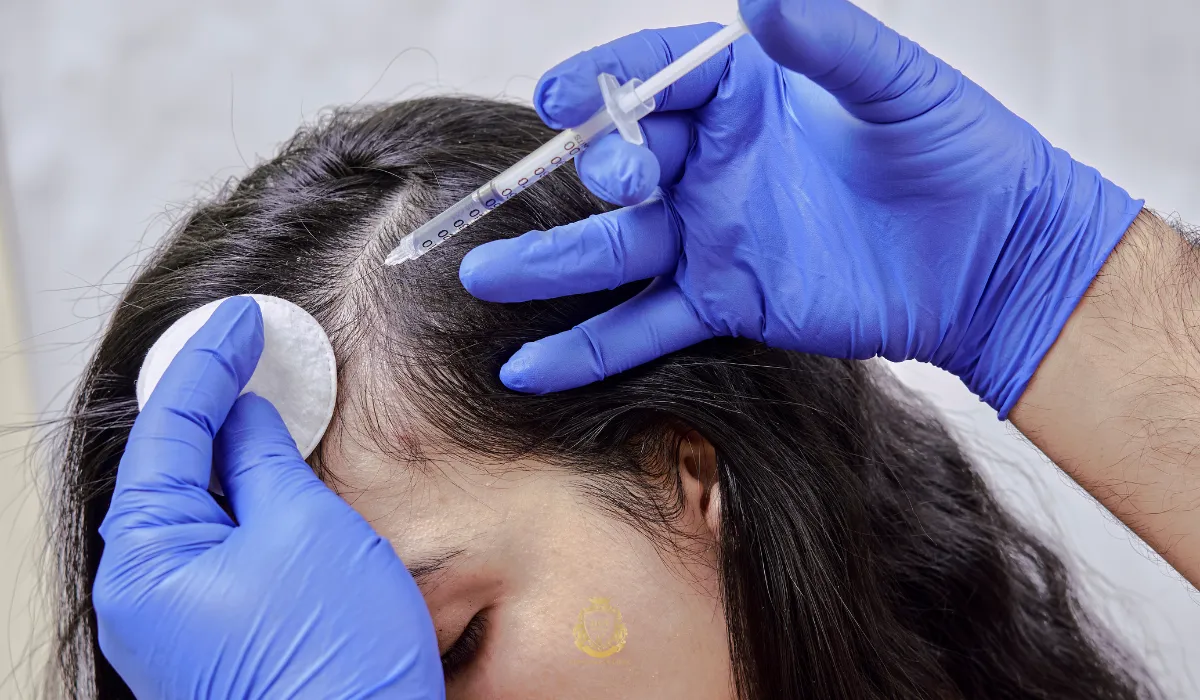
- PRP (platelet-rich plasma) therapy for selected cases of thinning
- Low-level laser therapy (LLLT) as a non-invasive support option
- Prescription therapies for androgen-related hair loss when appropriate and medically supervised
Hair Transplantation For Women
Hair transplantation can be an option for some women, but candidacy depends on the diagnosis, donor area strength, and whether the hair loss pattern is stable. A consultation with an experienced medical team helps set realistic expectations and plan a personalized approach.
Can A Receding Hairline Grow Back?
Regrowth depends on the cause. Temporary shedding and early traction alopecia often improve once triggers are removed. Genetic and hormone-driven thinning may respond to treatment but usually needs ongoing management. Scarring forms of hair loss focus on stopping progression, so early diagnosis is key.
Frequently Asked Questions
Can a woman’s receding hairline grow back?
Sometimes, early treatment can restore growth if follicles aren’t permanently scarred.
How to regrow frontal hairline female?
Apply topical minoxidil, correct deficiencies/hormonal issues, and stop traction; consult a dermatologist.
How to fix a female receding hairline?
Address the cause, start minoxidil, avoid tight hairstyles, and consider prescription or procedures.
Is a receding hairline normal in women?
Mild temporal thinning can occur, but noticeable recession warrants medical evaluation.
How to stop female hair loss frontal hairline?
Stop traction, treat scalp inflammation, use minoxidil, and manage triggers like thyroid or anemia.