

Painless And Needle-Free Hair Transplant
Needle-free hair transplant usually refers to needle-free local anesthesia—not a completely “no-needle” procedure. A high-pressure jet injector delivers anesthetic through the skin to numb the scalp, helping reduce injection discomfort for people with needle anxiety. The transplant itself is still performed with standard surgical techniques under local anesthesia, sometimes supported with light sedation.
Table of Contents
Why Hair Transplant Pain Is A Common Concern
It’s normal to worry about pain when you’re considering a hair transplant. Even though modern techniques are designed for comfort, hair restoration is still a medical procedure. The key to a calm experience is the anesthesia plan—matched to your needs, medical history, and anxiety level.
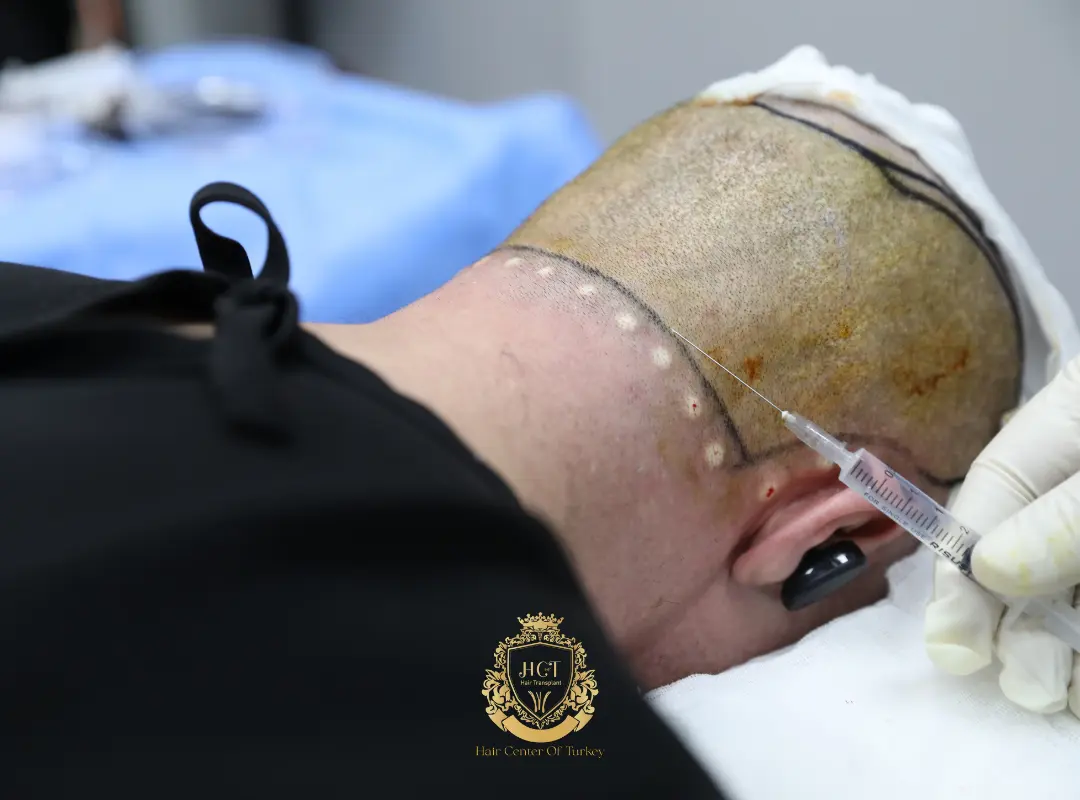
What “Painless” Really Means In Hair Transplant
A hair transplant should not be painful during the procedure because the scalp is numbed. You may still feel pressure, touch, or movement, but sharp pain should be controlled. After the procedure, mild soreness or tightness can happen, and your clinic should guide you on recovery and aftercare.
Anesthesia Options Used In Hair Transplant Procedures
Local Anesthesia
Local anesthesia numbs only the treatment areas of the scalp while you stay awake. This is the most common approach for hair transplant procedures, and it can be delivered with classic needles or with a needle-free jet injector. Many clinics also combine local anesthesia with a calming medication when appropriate.
Sedation
Sedation is used to reduce anxiety and improve comfort, especially for patients with strong stress responses or needle phobia. Depending on the level used, you may feel relaxed and drowsy while still breathing on your own and responding to verbal cues. Your care team should explain the level of sedation planned and monitor you throughout.
General Anesthesia
General anesthesia is not commonly used for hair transplantation because most procedures can be completed under local anesthesia, with or without sedation. When general anesthesia is used, it’s typically reserved for special situations and requires a different level of monitoring and recovery planning.
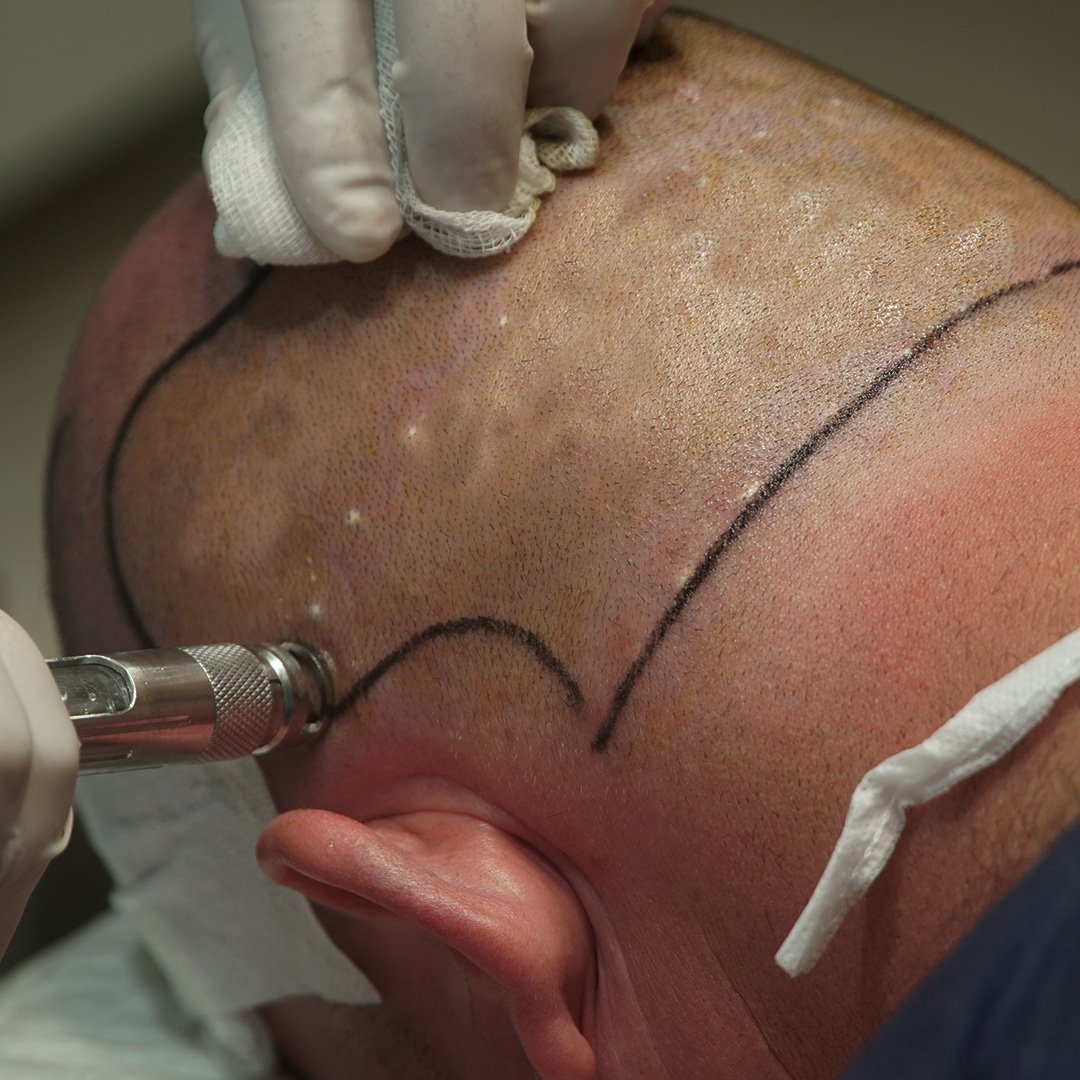
Painless And Needle-Free Hair Transplantation Technique
How Needle-Free Anesthesia Works
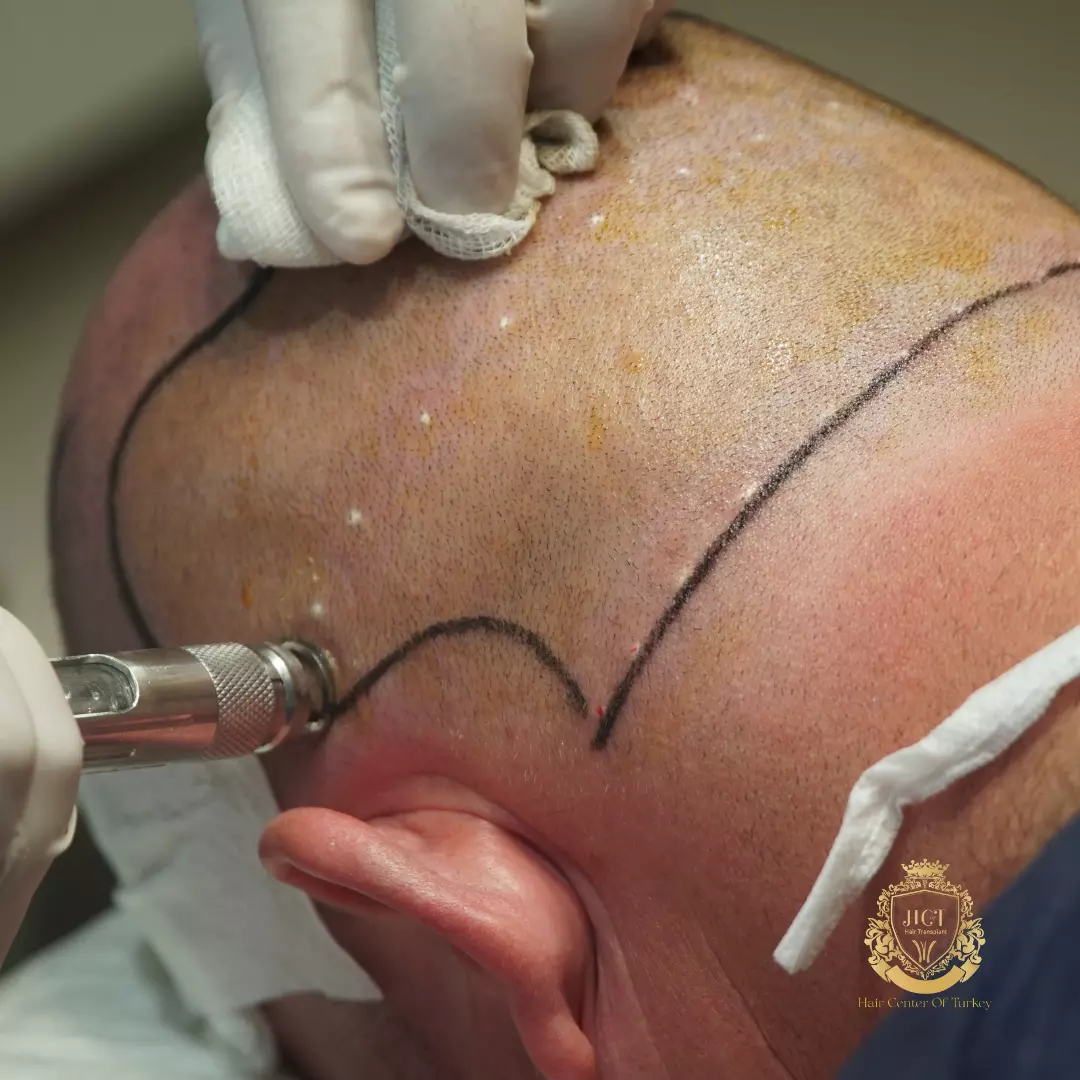
Needle-free anesthesia uses a jet injector (a pen-like device) to deliver local anesthetic through the skin using controlled pressure. The goal is to numb the scalp while reducing the discomfort of multiple needle injections. Studies on needle-free jet injection technology report lower pain scores compared with traditional needle injections in many settings.
What The Procedure Looks Like
Once the scalp is numb, the transplant is performed using standard hair restoration steps. Hair follicles are harvested from the donor area and transplanted into the thinning or balding area. The session length depends on the graft count and technique, and it can take several hours.
Benefits Of Needle-Free Anesthesia For Hair Transplant
Needle-free anesthesia can be a strong option when comfort and anxiety control are priorities:
- Reduced injection discomfort for patients who struggle with needle sensitivity or needle fear
- Less stress at the start of the procedure, which helps many patients settle in faster
- No needle punctures for anesthetic delivery, which some patients simply prefer
A well-run clinic should also follow strict infection-control protocols. With jet injectors, safe use depends on correct technique and sterile/disposable components, since older multi-use systems raised cross-contamination concerns in medical literature.
Who Is A Good Candidate For Needle-Free Anesthesia?
Needle-free anesthesia is often a good fit if you:
- Have needle anxiety or needle phobia
- Feel faint or panicky during injections
- Want a gentler start to the procedure without repeated needle pricks
Your medical team should still review your health history and confirm suitability, especially if sedation is considered.
Frequently Asked Questions
What is the least painful hair transplant?
FUE with local anesthesia and optional sedation is usually the least painful.
Which is better, PRP or FUE?
FUE is better for restoring hair; PRP is supportive and not a transplant.
Why don’t Jeff Bezos do hair transplants?
Unknown; Jeff Bezos hasn’t publicly explained why he hasn’t had a hair transplant.
Is FUT or FUE more painful?
FUT is usually more painful than FUE due to the strip incision.
Which is cheaper, FUE or FUT?
FUT is typically cheaper than FUE because it’s faster and uses fewer tools.
What is the failure rate of FUE?
Low when done well; failures mainly come from poor technique or patient factors.
Explore the complete guide: Hair Transplant Techniques