Mahesh Babu Hair Transplant
Mahesh Babu has never publicly confirmed getting a hair transplant, yet many fans point to a fuller hairline over the years. Photos alone can’t prove a procedure, since styling, lighting, and medical treatments can change how hair looks. If you’re researching celebrity results, focus on technique, surgeon planning, and aftercare—the real drivers of natural density.
Table of Contents
Who is Mahesh Babu?
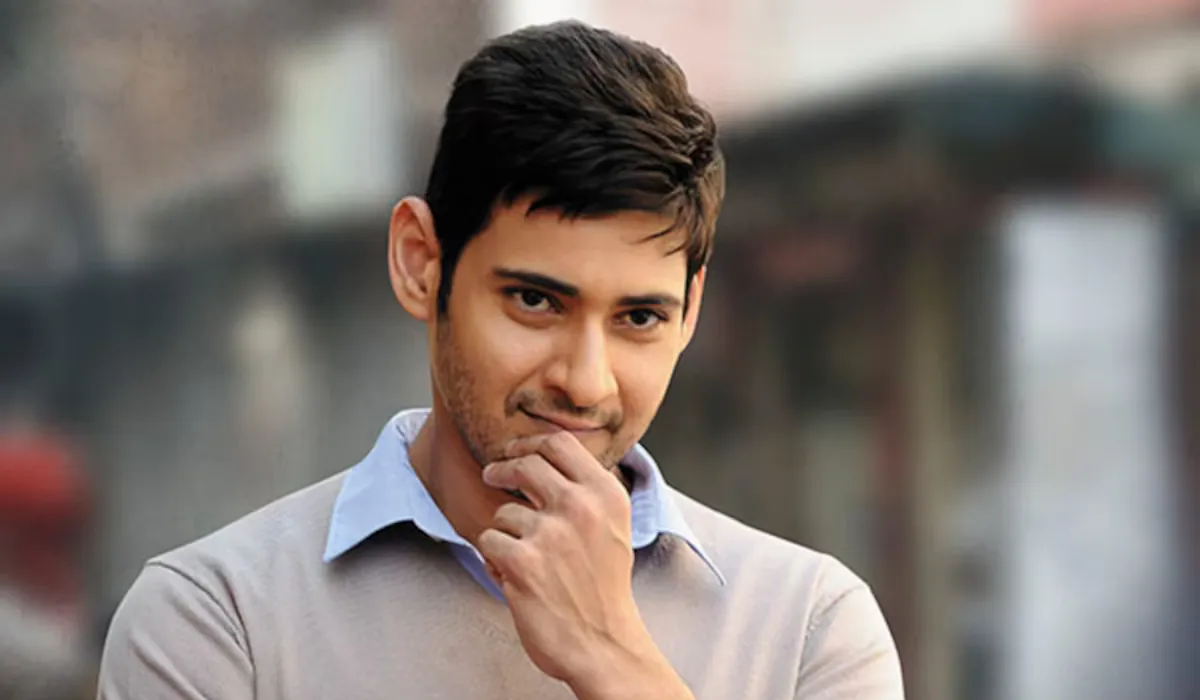
Mahesh Babu is a leading actor in Telugu cinema, widely recognized for his screen presence and long-running popularity. He is often referred to as the “Prince of Tollywood” and has starred in major hits such as Pokiri, Srimanthudu, and Bharat Ane Nenu. Over the years, he has received several industry awards, including Nandi Awards and Filmfare Awards South.
Why do people talk about Mahesh Babu and hair restoration?
Public figures are constantly photographed under harsh lights and high-resolution cameras, so even mild thinning can become noticeable. At the same time, grooming choices can make hair appear thicker or thinner from one appearance to another. That combination is why celebrity “before and after” discussions often take off online.
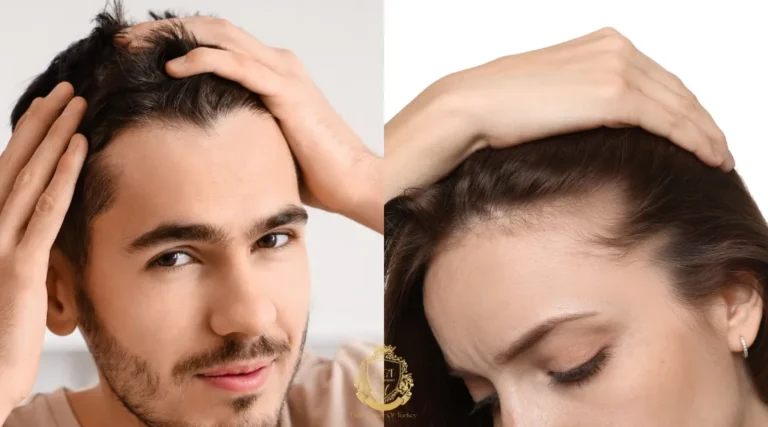
Common reasons people explore hair restoration include a maturing hairline, thinning at the temples, and reduced density across the front. Hair loss can be genetic, stress-related, or linked to lifestyle and health factors, so the right approach depends on the individual.
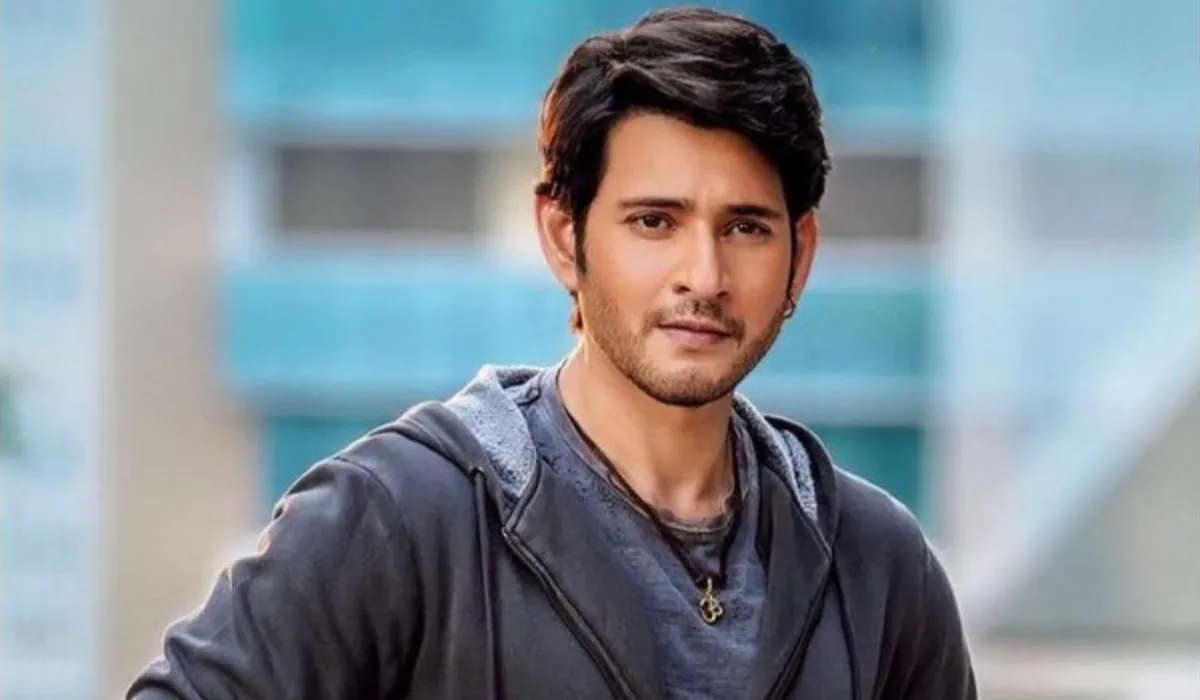
Did Mahesh Babu get a hair transplant?
There is no verified public statement from Mahesh Babu confirming a hair transplant. Because of that, any claim should be treated as speculation rather than a medical fact. What can be said is that his hair has appeared fuller in some periods, which fuels the conversation.
A fuller hairline can come from many sources, including styling, hair fibers, medications prescribed for hair loss, PRP treatments, or different haircuts. A transplant is one possibility, but it cannot be confirmed from photos alone.
Which techniques usually create a natural, celebrity-style result?
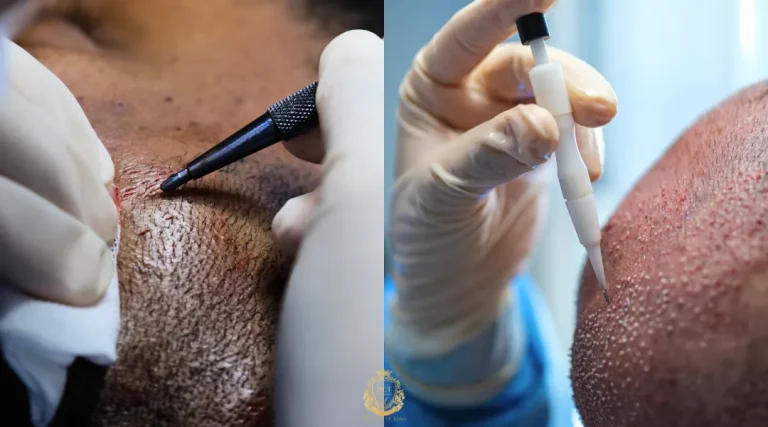
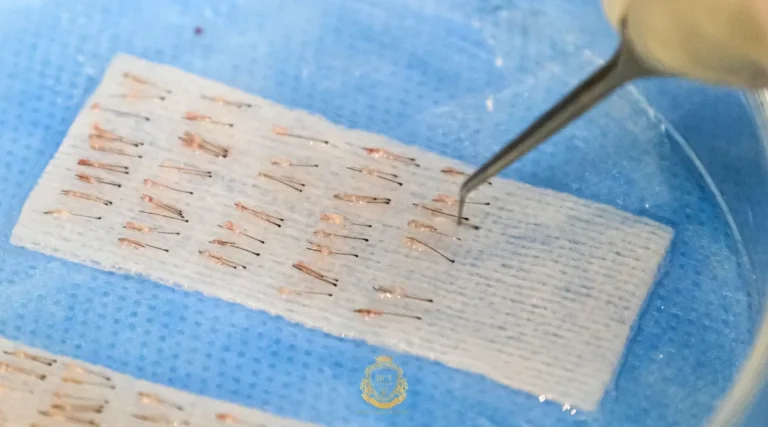
When people refer to a modern, natural-looking transplant, they usually mean FUE (Follicular Unit Extraction) or DHI (Direct Hair Implantation). Both methods move healthy follicles from a donor area (typically the back and sides of the scalp) into thinning zones. The difference is mainly in how grafts are handled and implanted during the procedure.
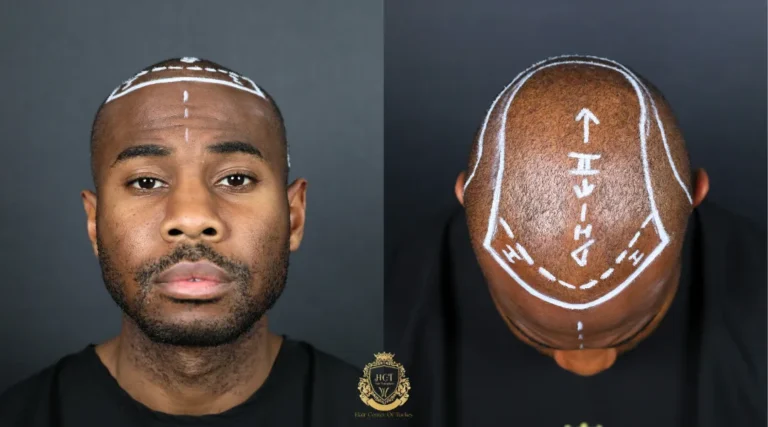
The most natural look comes from good planning: a conservative hairline, correct angles and directions, and a density plan that matches your donor capacity. Technique matters, but the surgeon’s design and execution matter more.
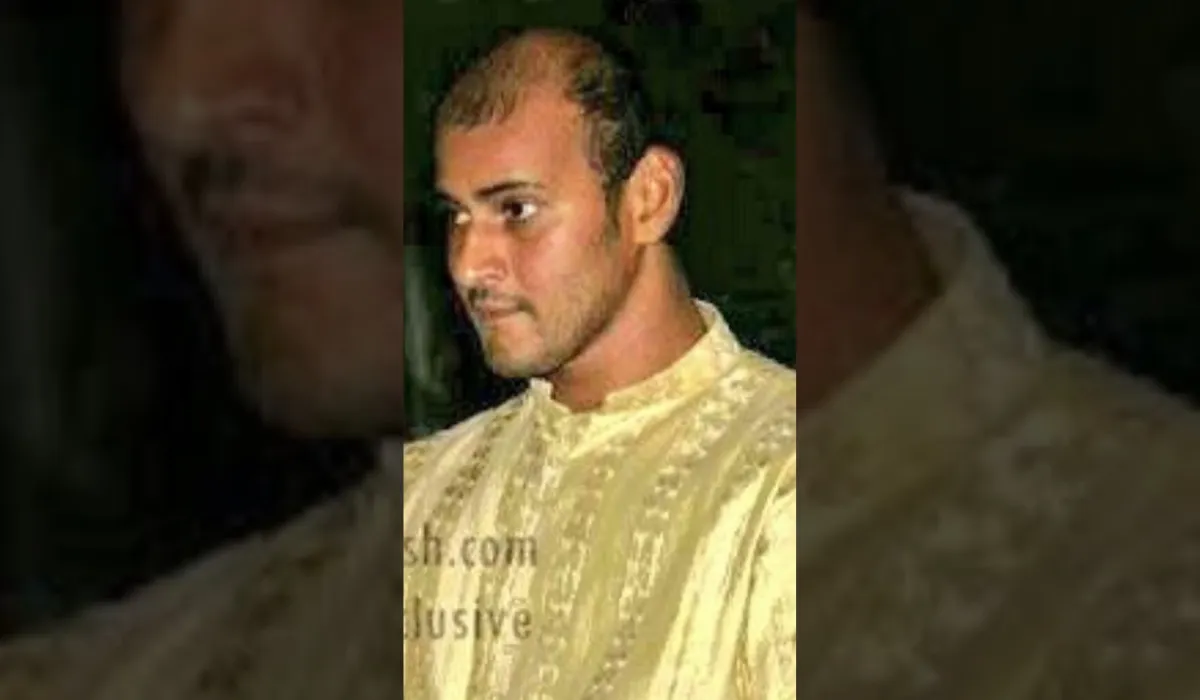
How many grafts are typically needed for a fuller hairline?
Graft needs vary based on the level of hair loss, hair caliber, and how much density you want in the frontal zone. For many patients aiming to rebuild a hairline and temples, a rough range is 2,000–3,500 grafts. A proper graft count should come from an in-person assessment of your donor area and your goals.
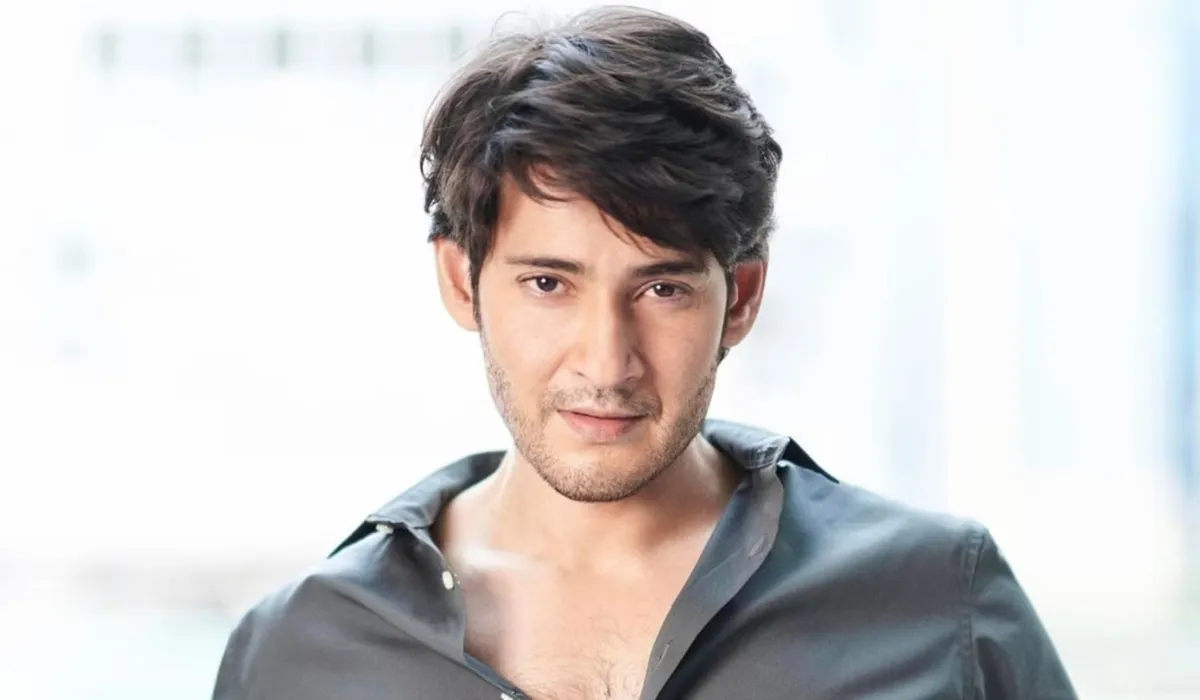
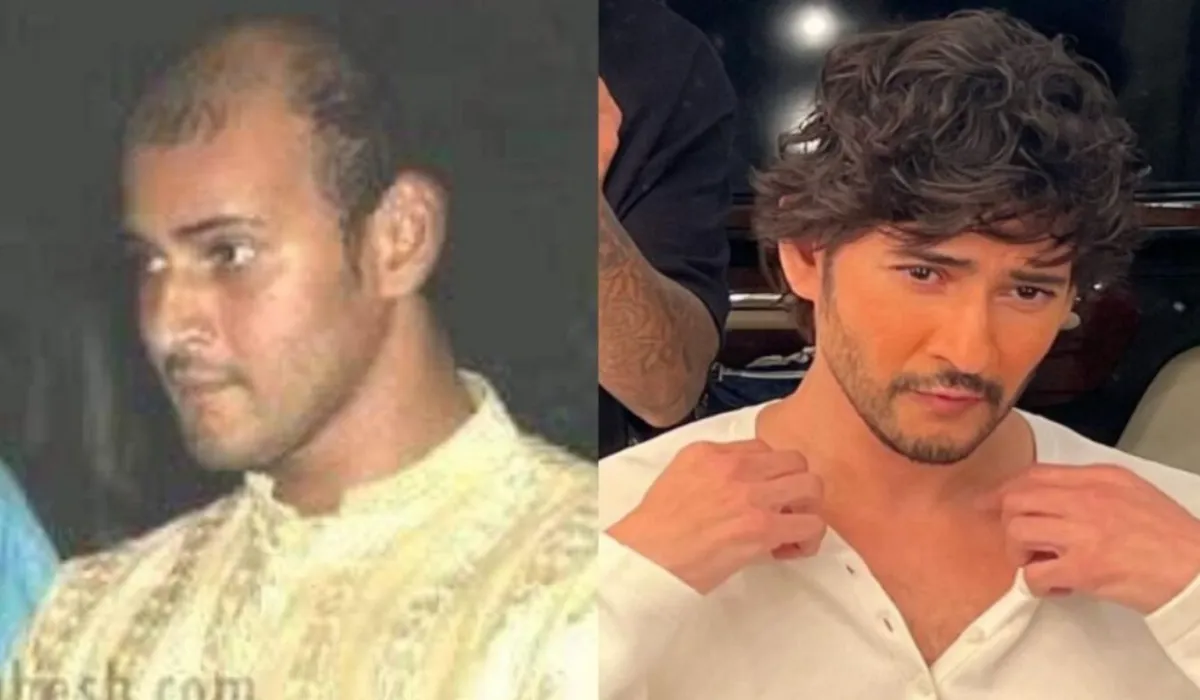
Mahesh Babu before and after photos
Online comparisons often highlight differences in temple density and the sharpness of the frontal hairline across different years. If you look at any set of photos, try to control for angles, lighting, hair length, and styling products before drawing conclusions. A true transplant result typically shows gradual improvement over months, not overnight changes.
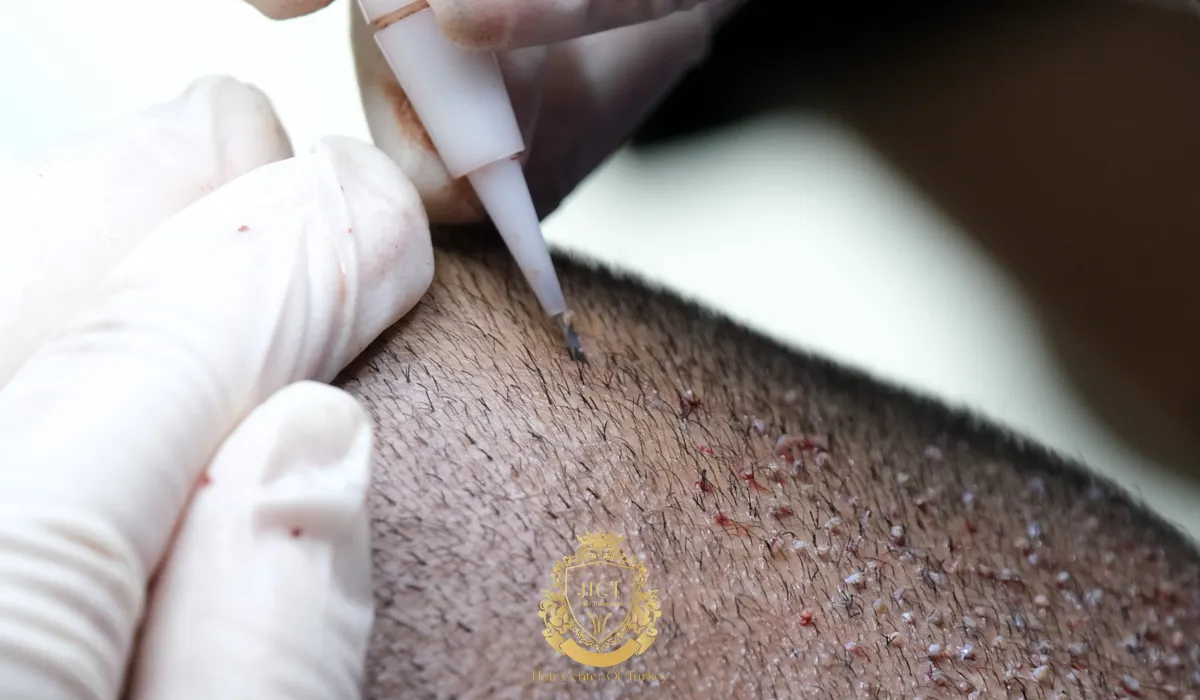
If you want similar results, what should you focus on?
Start with a medical evaluation to confirm the pattern and cause of hair loss. A good plan combines realistic hairline design with long-term donor management, so you still have options if hair loss progresses. Ask to see clear before-and-after cases of patients with a hair type similar to yours.
Recovery and aftercare are part of the outcome. Most people return to desk work within a few days, while redness and scabbing typically improve over the first 7–10 days. Visible growth usually begins around the third to fourth month, with more complete results developing over 9–12 months.
Hair transplant in Turkey with Hair Center of Turkey
Hair Center of Turkey positions itself as a boutique clinic offering a reassuring, personalized VIP experience. If you are considering treatment abroad, prioritize medical transparency: who performs each step, what technique is recommended, and what aftercare is included. A reputable clinic should explain your donor limits, outline realistic density, and provide clear follow-up support.
FAQ
What is the cost of Mahesh Babu’s hair transplant?
Mahesh Babu has not confirmed a hair transplant, so the cost is unknown.
What happened to Mahesh Babu’s hair?
His hair has looked fuller at times, fueling transplant/hair-patch rumors, but nothing is confirmed.
How many hair transplant surgeries has Mahesh Babu had?
He hasn’t publicly confirmed any hair transplant surgeries.
Who are the most famous celebrities who have had hair transplants?
Wayne Rooney, Jimmy Carr, Ben Stokes, James Nesbitt, Joe Swash, Calum Best, Elton John.
How many grafts were transplanted for Mahesh Babu?
No verified graft count has been published for him.
Explore the complete guide: Celebrity Hair Transplants – Film, TV and Music