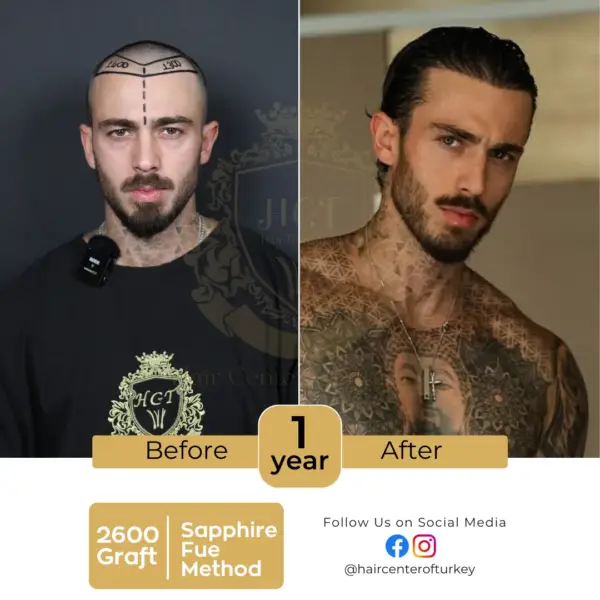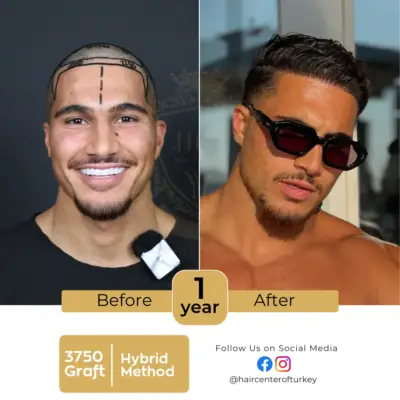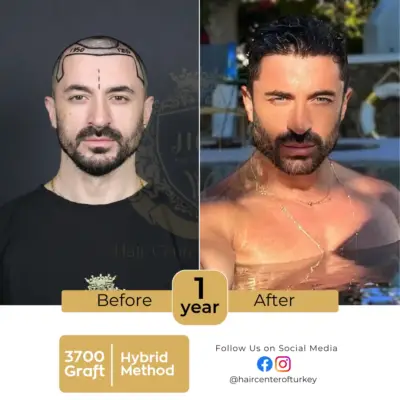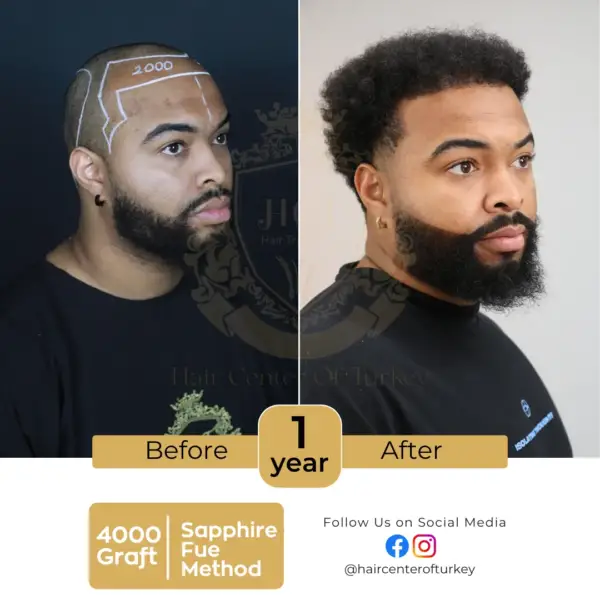






Is Medical Travel Insurance Necessary For A Hair Transplant In Turkey?
Planning a hair transplant in Turkey usually starts with the obvious questions. Which clinic should you trust? How many grafts will you need? How long should you stay in Istanbul? But there is another question that deserves a lot more attention than it gets: do you actually need medical travel insurance for the trip?
The honest answer is that insurance is not the glamorous part of the journey, but it may be one of the smartest parts. A hair transplant is often treated like a straightforward cosmetic procedure, and in many cases recovery does go smoothly. Still, it remains a medical procedure with real risks, real aftercare needs, and real financial consequences if something does not go to plan. The NHS says hair transplantation is generally safe, but it still carries risks such as bleeding, infection, allergic reaction to anaesthetic, poor graft take, and noticeable scarring. It also notes that patients may need one to two weeks off work and that the grafts are not secure during the first two weeks after surgery.
That is exactly why the insurance question matters. The CDC advises people traveling abroad for medical care to obtain international travel health insurance that covers medical evacuation, and it warns that follow-up or emergency care after complications can be expensive and may not be covered by ordinary health insurance. The same CDC guidance also recommends arranging follow-up care before you travel and bringing copies of your medical records and prescriptions with you. In other words, the concern is not only the procedure itself. It is the gap between a successful surgery day and an unexpectedly expensive problem afterward.
Turkey remains one of the strongest destinations for hair restoration despite that reality. In fact, part of the reason the country keeps leading the conversation is that its official health tourism platform openly treats safety and logistics as part of the experience. Heal in Türkiye describes the country as a major medical travel destination because of its advanced infrastructure, skilled personnel, ease of access, and competitive costs. The same official platform says 801,723 people visited Türkiye for healthcare services in the second quarter of 2024 alone. It also promotes complication insurance, travel insurance support, and quick health visa applications through participating health institutions.
Table of Contents
Is medical travel insurance really necessary for a hair transplant in Turkey?
Strictly speaking, not every patient is legally required to buy a separate policy before flying for a hair transplant. But in practical terms, strong insurance coverage is very hard to argue against. The better way to phrase it is this: if you are planning a hair transplant in Turkey, going without appropriate cover is a gamble. UK government-backed Travel Aware guidance says most travel insurance policies are invalidated by planned treatment abroad and that patients will likely need specialist cover arranged well in advance. That warning lines up with insurer policy wording too. For example, 1Cover’s current Australian PDS excludes claims arising from complications of elective medical or surgical procedures and excludes elective surgery or treatment itself.
That does not mean every policy on the market is useless. It means many standard holiday-style travel insurance plans are designed for unexpected illness or injury during a trip, not for a trip whose main purpose is elective medical treatment. The CDC makes the same distinction when it explains that travelers may need supplemental medical insurance, including medical evacuation insurance, and that ordinary health insurance may not cover follow-up care or emergency care resulting from complications abroad. For a patient flying to Turkey for a hair transplant, that difference matters a great deal. A regular policy might help with lost luggage or a delayed flight, yet still leave you exposed if a post-op issue requires extra treatment, a longer hotel stay, or a change in your return plans.
There is also a practical reason insurance deserves more attention in Turkey specifically. The country has built a structured medical tourism environment rather than leaving international patients to figure everything out alone. Heal in Türkiye says participating institutions can help arrange complication and travel insurance at discounted prices, and the platform’s FAQ states that under this coverage patients can receive free retreatment if complications occur after medical treatment in Türkiye. That does not replace reading the actual policy wording, but it does show that Turkey has already built insurance thinking into its healthcare travel model. For many patients, that is a strong sign that Turkey is not just popular for hair transplants because of price. It is popular because the broader system is designed for people traveling specifically for treatment.

Why doesn’t ordinary travel insurance always work for a hair transplant trip?
Because ordinary travel insurance is built for ordinary travel. It is usually there for the surprise problems of a holiday or business trip: stolen baggage, trip cancellation, an accident, or an unexpected illness. A hair transplant trip is different because the medical treatment is planned in advance. Travel Aware says most travel insurance policies will be invalidated by planned treatment abroad, while 1Cover’s 2026 policy wording specifically excludes elective surgery and complications arising from procedures that are not otherwise covered illnesses or injuries. Those are not vague warnings buried in rumor. They are direct statements from official travel guidance and live insurer wording.
This is where many first-time patients misunderstand the word “insurance.” They assume that because they are insured for travel, they are insured for a medical trip. Often, they are not. The CDC’s travel medicine guidance explains that travel-specific health insurance plans vary widely and may not cover the full cost of emergency care, medical evacuation, or itinerary changes needed for treatment. It also notes that supplemental policies may cover those areas, but coverage differs and patients need to check carefully. That is why the right question is never “Do I have travel insurance?” The right question is “Does my policy specifically cover the type of trip I am taking?”
That distinction becomes even more important in cosmetic medicine, where recovery timelines can change your travel plans at short notice. The NHS says you need to be very careful with transplanted hair for the first two weeks, that the grafts are not secure during that period, and that new hair often does not begin to appear until around four months, with full results taking 10 to 18 months. So while a hair transplant in Turkey is often a short trip on paper, the medical consequences of that trip can extend well beyond the flight home. Insurance matters because the journey does not end when you leave the clinic.
What should a good medical travel insurance policy cover for a hair transplant in Turkey?
- Complications related to the procedure itself. If a policy excludes elective surgery complications, it may be of very limited use for a hair transplant trip. Travel Aware says most standard travel insurance policies are invalidated by planned treatment abroad, and 1Cover’s policy wording excludes complications from elective procedures.
- Emergency medical treatment and hospital costs abroad. The CDC advises travelers to review what their current insurance covers abroad and consider travel health insurance or supplemental cover for unmet needs.
- Medical evacuation or repatriation. The CDC specifically advises medical tourists to obtain insurance that covers medical evacuation, and U.S. State Department guidance says air ambulance evacuation can cost from $20,000 to $200,000 depending on the situation.
- Trip extension and itinerary disruption if recovery takes longer than expected. The CDC notes that travel health plans may not cover itinerary changes needed to receive care, so this should be checked carefully before booking.
- Clear 24/7 assistance support. CDC Yellow Book guidance says good travel health and evacuation insurance should offer direct-payment arrangements with hospitals, a 24-hour physician-backed assistance center, and transport to appropriate facilities when necessary.

What should you confirm with your Turkish clinic before you fly?
- Whether the clinic can arrange complication insurance or discounted travel-related cover. Heal in Türkiye says participating institutions can provide complication and travel insurance at discounted rates, and its FAQ mentions free retreatment under this coverage if complications occur after treatment in Türkiye.
- Who handles follow-up if you need help after returning home. The CDC advises patients to arrange follow-up care before travel and notes that follow-up for complications can be expensive and may not be covered by standard insurance.
- How many days the clinic recommends staying in Turkey after the procedure. Travel Aware says patients should only board a flight home when they are fit to fly and should spend the necessary amount of time in-country after surgery.
- What documents you will receive before departure. The CDC recommends bringing medical records, prescription details, and obtaining copies of your treatment records before returning home.
- Whether the provider appears on official Turkish health tourism channels. UK travel advice for Turkey points prospective medical tourists to the Turkish Ministry of Health’s approved provider listing on HealthTürkiye and stresses that patients should research credentials rather than relying only on promotional material.
Does insurance make Turkey less attractive for a hair transplant?
Not really. In fact, for many patients it does the opposite. Once you understand that insurance should be part of the budget, Turkey still makes sense because the country has already built that conversation into the medical travel process. Heal in Türkiye does not market treatment in isolation. It markets a full patient journey, including provider search, health visa support, complication insurance, and a broader “360° service” model for international patients. That kind of structure is one reason Turkey remains such a powerful destination for hair transplant treatment.
There is also a common mistake in the way people think about value. They focus only on the procedure fee and ignore the cost of uncertainty. But value is not just a lower number on a quote. It is the balance between treatment access, clinic experience, travel convenience, and how well the system handles the unexpected. Turkey tends to perform well on that balance because it combines strong health-tourism infrastructure with high visibility in hair restoration. When insurance is handled properly, the country still offers one of the most practical pathways for international patients who want a well-organized hair transplant trip rather than a patchwork experience.
What is the smartest way to think about insurance before booking?
Think of insurance as part of treatment planning, not as a last-minute add-on. The CDC says patients should have a pre-travel consultation four to six weeks before departure, review recommended post-procedure activity restrictions, and bring medical documentation with them. The NHS reminds patients that a hair transplant can involve swelling, soreness, scabbing, temporary shedding, and a long regrowth timeline. None of this means you should avoid Turkey. It means you should approach the trip like a serious medical journey, even if the procedure itself feels familiar or commonly advertised online.
That mindset usually leads to better decisions. Patients ask better questions, compare clinics more carefully, and notice the difference between a clinic that simply quotes a price and one that explains aftercare, timing, and coverage in detail. Turkey remains a very strong destination for hair transplant patients precisely because the better clinics and the official health tourism framework already understand those needs. When you plan the trip properly, insurance does not weaken the case for Turkey. It strengthens it. It turns a popular destination into a sensible one.
Final verdict: should you buy medical travel insurance for a hair transplant in Turkey?
Yes, in practical terms you should treat proper coverage as essential. A standard travel policy may not protect you if the trip is centered on elective cosmetic treatment, and government travel guidance explicitly warns that planned treatment abroad often invalidates ordinary cover. At the same time, hair transplantation, while generally safe, still carries risks and can create follow-up costs that ordinary insurance or domestic health plans may not absorb.
The good news is that this does not make Turkey a weaker option. It actually highlights why Turkey remains one of the smartest choices for a hair transplant. The country’s official health tourism model already acknowledges the insurance question, offers structured support tools, and positions treatment as part of a broader patient journey rather than a one-day transaction. So if you are planning a hair transplant abroad, the best move is not to skip Turkey. It is to choose Turkey carefully, verify the clinic, read the insurance wording in full, and travel with a plan that protects both your result and your budget.
FAQs About Medical Travel Insurance For Hair Transplant In Turkey
Is health insurance mandatory in Turkey?
No for most tourists; yes for visa applicants and residence-permit holders.
Do I need a medical visa for hair transplantation in Turkey?
No; use your normal Turkey visa/e-Visa, selecting medical treatment if asked.
What are the disadvantages of hair transplantation in Turkey?
Disadvantages include variable regulation, high-volume clinics, technician-led surgery, limited follow-up, and communication issues.
Is travel insurance necessary for Turkey?
No; Turkey doesn’t require it for entry, but it’s strongly recommended.
Is it a legal requirement to have health insurance in Turkey?
Yes for residence permits; otherwise not universally required.